The 1979 Hot Wheels Corvette Stingray Value Guide: Why Condition Changes Everything
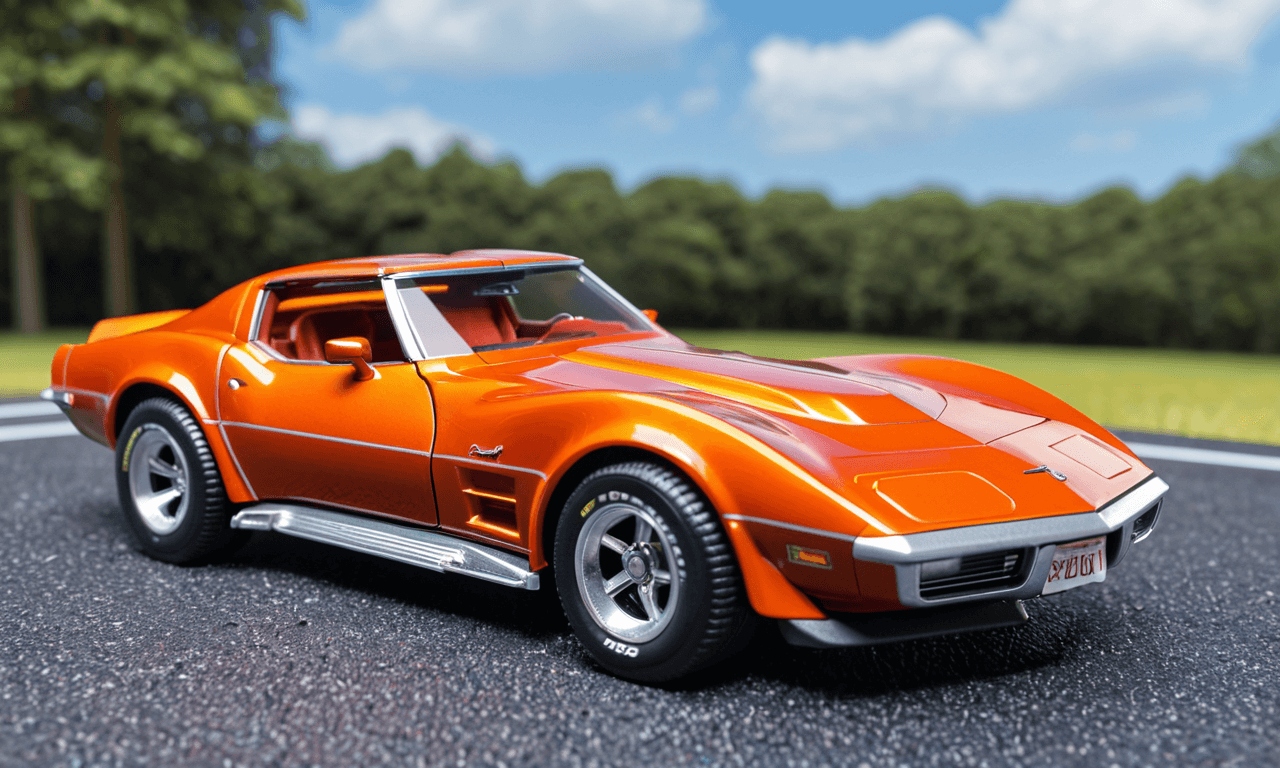
If you have collected Hot Wheels for a while, you know the 1979 Corvette Stingray shows up everywhere. It came out during a transitional period for Hot Wheels, and it has a loyal following. But here is the thing: the value of a 1979 Corvette Stingray can swing wildly depending on condition. We are talking hundreds of dollars between a beat-up loose car and a pristine example still in its blister. In this guide, we will walk you through what makes this Corvette special, how to grade condition, and why the smallest details can mean big money.
Before we dive in, a quick note: we are the All Hot Wheels team, and we have been collecting, buying, selling, and trading for over 20 years. We have seen more than our fair share of 1979 Corvette Stingrays, from mint-in-blister to played-with-and-abused. Our goal here is to give you a realistic picture of what your car might be worth and how condition plays the biggest role.
The 1979 Corvette Stingray: A Quick Background
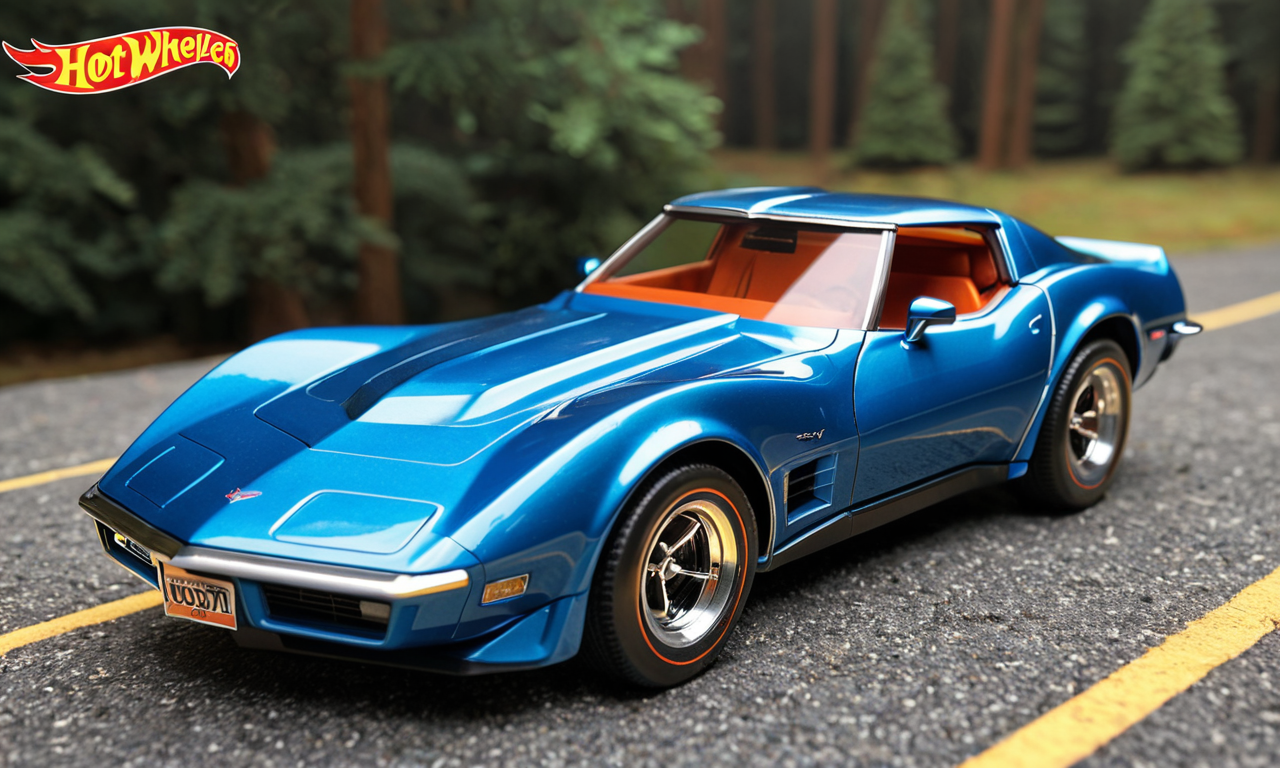
The Hot Wheels Corvette Stingray casting was introduced in 1979, and it was based on the third-generation (C3) Corvette. It featured a sleek, aerodynamic body with a pointed nose and a fastback rear window. The casting was produced in various colors over the years, but the 1979 release is particularly notable because it came in several vibrant enamel colors, including red, yellow, and black. It was also available with different wheel types, including the classic Hot Wheels 5-spoke wheels and later, Real Riders on some versions. However, the 1979 release typically came with the standard 5-spoke wheels.
One thing to keep in mind: the 1979 Corvette Stingray was not a limited edition or a special series car. It was a mainline release, which means it was produced in large numbers. That said, surviving examples in mint condition are becoming harder to find, especially those still in their original packaging. This is why condition is so critical to value.
Why Condition Is the Biggest Factor in Value
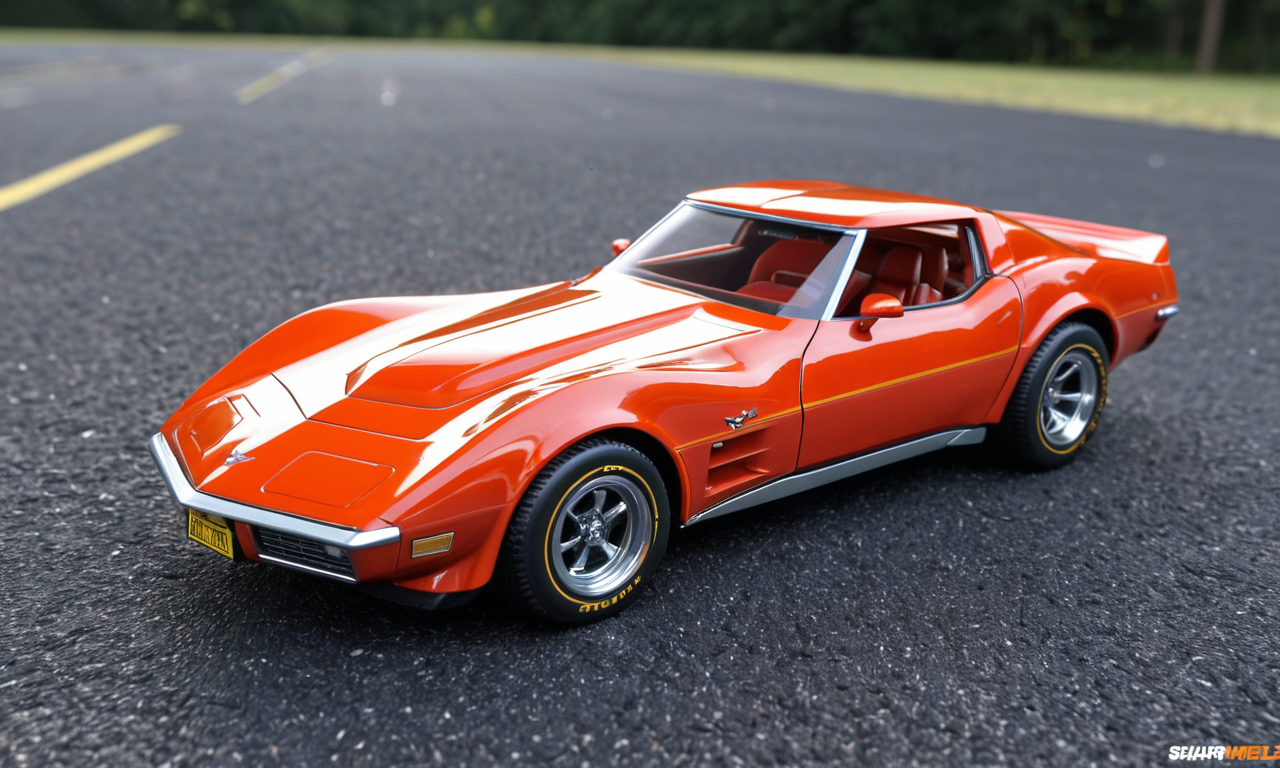
In the diecast world, condition is king. A car that looks like it just rolled off the assembly line will always command a premium over one that has been played with. For the 1979 Corvette Stingray, the difference in value between a loose, played-with car and a mint-in-blister example can be staggering. We have seen loose cars sell for as little as $5 to $10, while a mint-in-blister example can fetch $50 to $100 or more, depending on the color and packaging variant. But those are just ballpark figures. The actual value depends on a combination of factors, which we will break down below.
It is also important to note that the market for Hot Wheels can fluctuate. What a car sells for today might be different next month. That is why we recommend using our price history as a reference, but always consider the specific condition of the car you are buying or selling.
Loose vs. Carded: The Packaging Premium
The single biggest jump in value comes from whether the car is still in its original packaging. A loose car, no matter how nice, is always worth less than the same car in a sealed blister. Why? Because the packaging is part of the collectible. It proves the car is unused and preserves it from damage. For the 1979 Corvette Stingray, a carded example in good condition can be worth 3 to 5 times more than a loose example in similar condition.
But not all carded examples are equal. The condition of the card itself matters a lot. A card with creases, tears, or a missing blister will drop the value significantly. The blister must be clear and intact, with no cracks or dents. The card should be crisp, with sharp corners and no yellowing (unless it is a rare variant). And of course, the car inside must be mint.
Grading the Car: What to Look For
When assessing a loose car, collectors typically use a grading scale from 1 to 10, with 10 being perfect. Here is a quick breakdown of what each grade means for a 1979 Corvette Stingray:
-
Mint (9-10): The car looks like it just came out of the package. No paint chips, no scratches, no wheel wear. The tampos (decals) are perfect. The glass is clear. The base is clean.
-
Near Mint (7-8): Minor flaws, such as a tiny paint chip or slight wheel wear. Might have been displayed but not played with. Still very desirable.
-
Excellent (5-6): Shows signs of play. Paint chips, scratches, wheel wear, and possibly a bent axle. The tampos might be worn. Still a nice placeholder.
-
Good (3-4): Heavy play wear. Significant paint loss, scratched glass, worn wheels. Might be missing parts.
-
Poor (1-2): Broken or severely damaged. Only useful for customizing or parts.
Of course, grading is subjective, but these categories give you a general idea. For the 1979 Corvette Stingray, anything below a 7 will not command much of a premium. The sweet spot is 8 and above, with 9 or 10 fetching top dollar.
Color Variants and Their Impact on Value
The 1979 Corvette Stingray was released in several colors, and some are rarer than others. The most common colors are red, yellow, and black. However, there are also less common colors like white and blue, which can be worth more. Additionally, some cars came with different wheel types, such as the 5-spoke wheels or the later Real Riders. The wheel type can also affect value, with Real Riders generally being more desirable.
It is worth noting that color variants can be tricky to confirm. Some colors were only available in certain years or regions. If you think you have a rare color, do some research and compare with known examples. Our catalog can be a helpful reference for identifying variants.
Tip: Always check the base of the car for the date code and country of manufacture. The 1979 Corvette Stingray was produced in both the USA and Hong Kong. Generally, USA-made examples are more sought after by collectors, but this can vary.
The Role of the Blister and Card Condition
For carded examples, the condition of the blister and card is just as important as the car itself. The blister should be clear and free of cracks, dents, or yellowing. The card should be flat, with sharp corners and no creases or tears. The graphics should be vibrant, with no fading. The blister seal should be intact, with no lifting or tampering.
A common problem with 1979 Hot Wheels is that the blister glue can dry out and fail over time. This can cause the blister to lift or fall off. If the blister is lifting, the value drops significantly, even if the car is mint. Collectors want the packaging to be as close to original as possible.
Also, look for case codes or price stickers on the card. Some collectors enjoy finding cards with original store stickers, as it adds to the history. However, a price sticker that is damaged or peeling can detract from the value. It is a fine line.
Real-World Value Examples
To give you a better idea of how condition affects value, here are some hypothetical examples based on our experience and market observations. Keep in mind that these are estimates and actual prices can vary.
-
Loose, played-with condition (grade 5-6): $5 to $15.
-
Loose, near-mint condition (grade 7-8): $15 to $30.
-
Loose, mint condition (grade 9-10): $30 to $50.
-
Carded, carded with worn card or damaged blister: $30 to $60.
-
Carded, near-mint card with intact blister: $60 to $100.
-
Carded, mint card with intact blister: $100 to $150+.
Again, these are ballpark figures. Rare colors or wheel variants can push the value higher. For example, a mint-in-blister example in a rare color like white might sell for $200 or more. On the other hand, a common color like red in average condition might only fetch $5 loose.
Frequently Asked Questions
Q: How can I tell if my 1979 Corvette Stingray is a rare variant?
A: Check the color and wheel type. Common colors are red, yellow, and black. Less common colors like white or blue may be rarer. Also, look for Real Riders wheels, which are more desirable. The base will indicate the country of manufacture, with USA-made examples often being more sought after. Use our catalog to compare with known variants.
Q: Should I open my carded 1979 Corvette Stingray to check the car?
A: No, never open a carded car unless you absolutely have to. Opening it will destroy the value. If you need to inspect the car, look through the blister. If the blister is yellowed or damaged, you might consider it, but generally, keep it sealed.
Q: How do I store my 1979 Corvette Stingray to preserve its condition?
A: Keep it away from direct sunlight, heat, and moisture. For carded cars, use a protective case or display them in a UV-protected cabinet. For loose cars, store them in a dry, dust-free environment, ideally in individual compartments or soft bags to prevent scratches. Handle them with care, and avoid touching the paint with bare hands if possible.