Best Hot Wheels Castings of the 1990s: The Decade Mattel Quietly Changed Everything
The 1990s don't get the same love as the Redline era or the modern collector-focused lines. But if you were there, hunting pegs in the 90s, you know it was a golden age of experimentation and quality. Mattel quietly introduced castings that would become staples for decades, and they did it without the fanfare of today's social media drops. In this guide, we look back at the best Hot Wheels castings of the 1990s, the ones that still make us stop and dig through a bin.
When we say "best," we're not just talking about popularity. We're talking about design, execution, and lasting impact. These are the castings that pushed the brand forward, whether through new tooling, better proportions, or just plain cool factor. And if you use our catalog to track your collections, you know how important it is to identify these gems.
The Shift in the 1990s
The 90s were a transitional period for Hot Wheels. The company moved away from the fantasy-focused designs of the 80s and started to embrace more realistic, licensed vehicles. The tooling improved, with finer details and better proportions. This was also the decade when the Collector Number series began, giving collectors a way to track releases. And let's not forget the introduction of the Hot Wheels Racing series and the return of Real Riders wheels on some premium releases.
But perhaps the biggest change was in the variety. Mattel wasn't afraid to try new things, from futuristic concepts to classic muscle. This experimentation led to some truly standout castings that we still chase today.
Top Castings of the 1990s
We've sifted through the decade to bring you the castings that define the 90s. These are the ones that every serious collector should know.
Ferrari F40
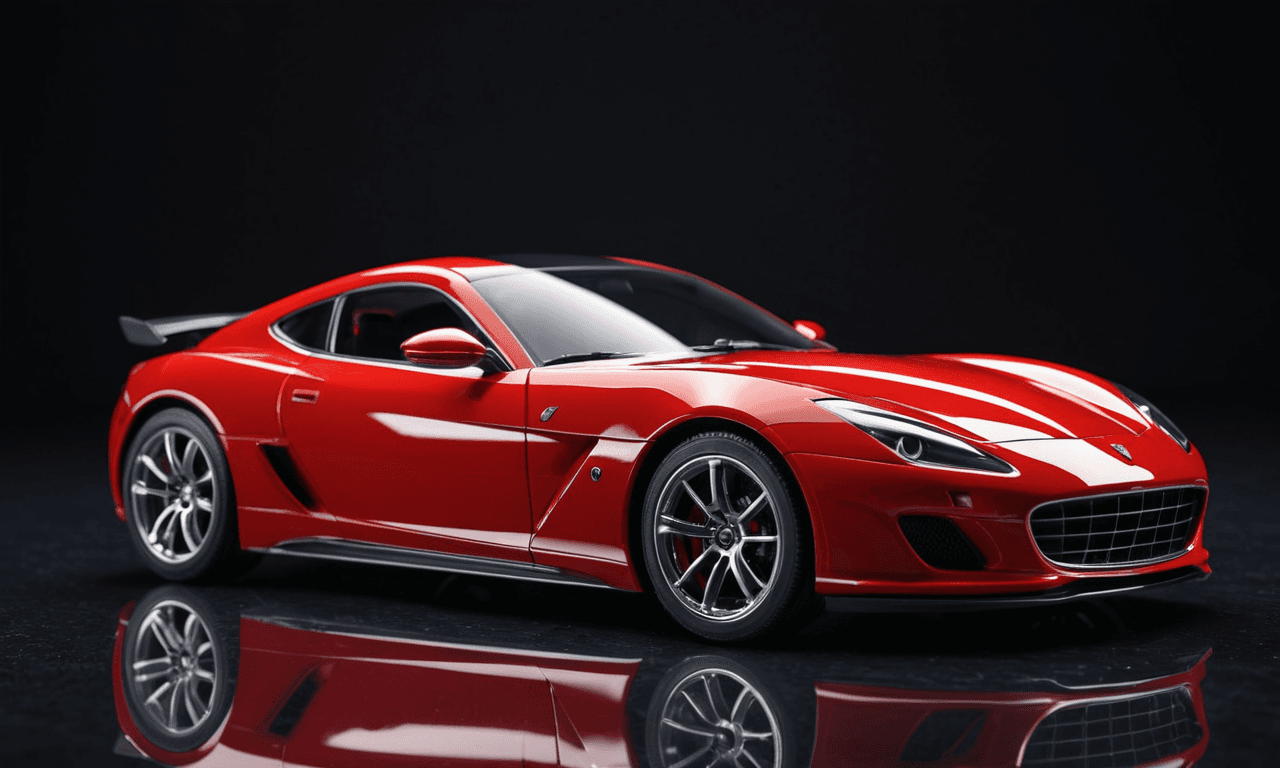
Introduced in 1989, the Ferrari F40 carried over into the 90s and became an instant classic. The casting captured the aggressive lines of the real car, and details like the rear wing and side intakes were sharp for the era. It was released in various colors, but the red with the racing stripe is the one to have. Collectors love it because it's a Ferrari, and it's a great example of Hot Wheels licensing done right.
Dodge Viper RT/10
The Viper was the poster car of the 90s, and Hot Wheels nailed it. The casting featured the smooth curves and the iconic side exhaust, and it sat low and wide. It was released in the mainline and also in premium lines like the Collector Number series. The Viper was a sign that Hot Wheels was serious about modern sports cars.
Twin Mill III
The Twin Mill is a Hot Wheels icon, and the third iteration came in 1998. It was a more modern take on the classic twin-engine design, with a sleeker body and exposed engines. It was part of the 30th Anniversary series and quickly became a favorite. The Twin Mill III showed that Hot Wheels could still create compelling fantasy castings.
Corvette Stingray
The 90s saw several Corvette castings, but the 1997 release of the 1963 Corvette Stingray was a standout. It had the split window and the fuel injection badges, and it was a great representation of the classic. It was released in the mainline and also in the premium lines. Collectors appreciate the accuracy and the nostalgia.
Hot Bird
The Hot Bird is a fantasy casting from 1990 that looks like a hot rod bird. It's quirky, but it has a cult following. The design is pure 90s excess, with a long nose and exaggerated proportions. It's not for everyone, but it's a fun piece of Hot Wheels history.
Semi-Psycho
Another fantasy casting, the Semi-Psycho is a semi truck with a psycho attitude. Released in 1994, it featured a large engine and a menacing stance. It was part of the mainline and came in various colors. It's a favorite among collectors who like the wild side of Hot Wheels.
Why These Castings Matter
These castings represent the diversity and innovation of the 1990s. They weren't just toys; they were miniature works of art that captured the spirit of the time. For collectors, they offer a tangible connection to the era, and many of them are still affordable compared to the Redlines. But don't let the low prices fool you; some of these can be tough to find in mint condition, especially with the original blister.
Tip: When hunting for 90s castings, pay attention to the card condition. A mint card can double the value, so always check those corners and the blister seal.
Collecting Tips for 90s Hot Wheels
If you're looking to start a 90s collection, here are some tips from our years of experience.
- Focus on the condition of the blister. A cracked or yellowed blister reduces value significantly. Look for case codes on the back of the card to identify early releases. Some variants, like wheel types or color shades, can be rare and valuable. Use our checklist to keep track of what you have and what you need.
Also, don't overlook the international releases. Sometimes the same casting was released in different colors or with different wheels in other markets, making them highly sought after.
FAQ
Q: Are 1990s Hot Wheels worth collecting? A: Absolutely. They are the bridge between the vintage and modern eras, and many are still affordable. They offer a great entry point for new collectors and plenty of depth for veterans.
Q: How do I identify a rare 1990s Hot Wheels? A: Look for variations in color, wheel type, and packaging. Also, check for international releases and limited editions. Our catalog can help you spot these.
Q: What's the most valuable 1990s Hot Wheels casting? A: It varies, but the Ferrari F40 and certain Twin Mill III variants can fetch high prices. Condition is key, so always check for mint cards and blisters.