Cloak and Dagger, Dune-A-Soar and El Segundo Coupe: The Hot Wheels Castings With the Strangest Names and Real Stories
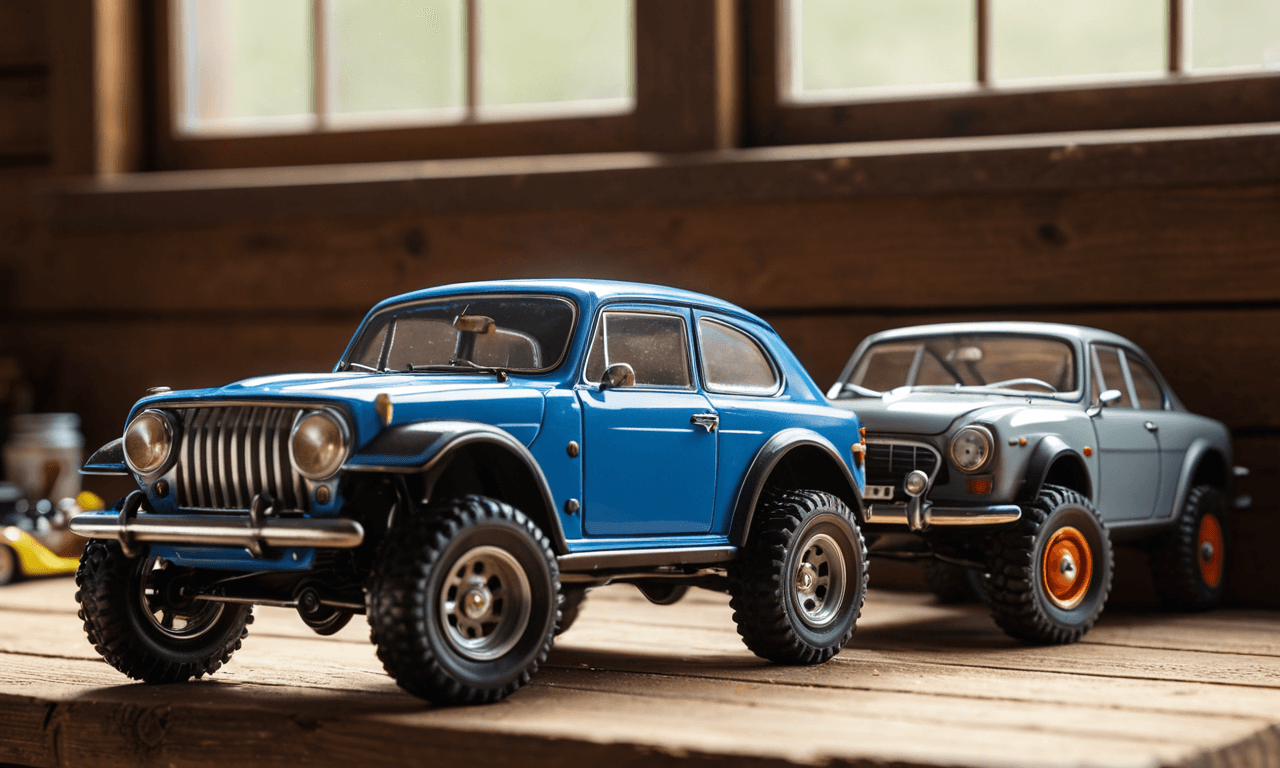
Every collector has had that moment at the pegs. A name makes you stop and look twice. You flip the card, squint, and think, "Wait, what did they call this one?" Hot Wheels has always had a playful side, and sometimes the names stick with you longer than the cars. Here are 3 castings that fit: Cloak and Dagger, Dune-A-Soar, and El Segundo Coupe. Each one has a story, a few design quirks, and its own following. Let's get into it.
Cloak and Dagger: The Spy Car That Never Was
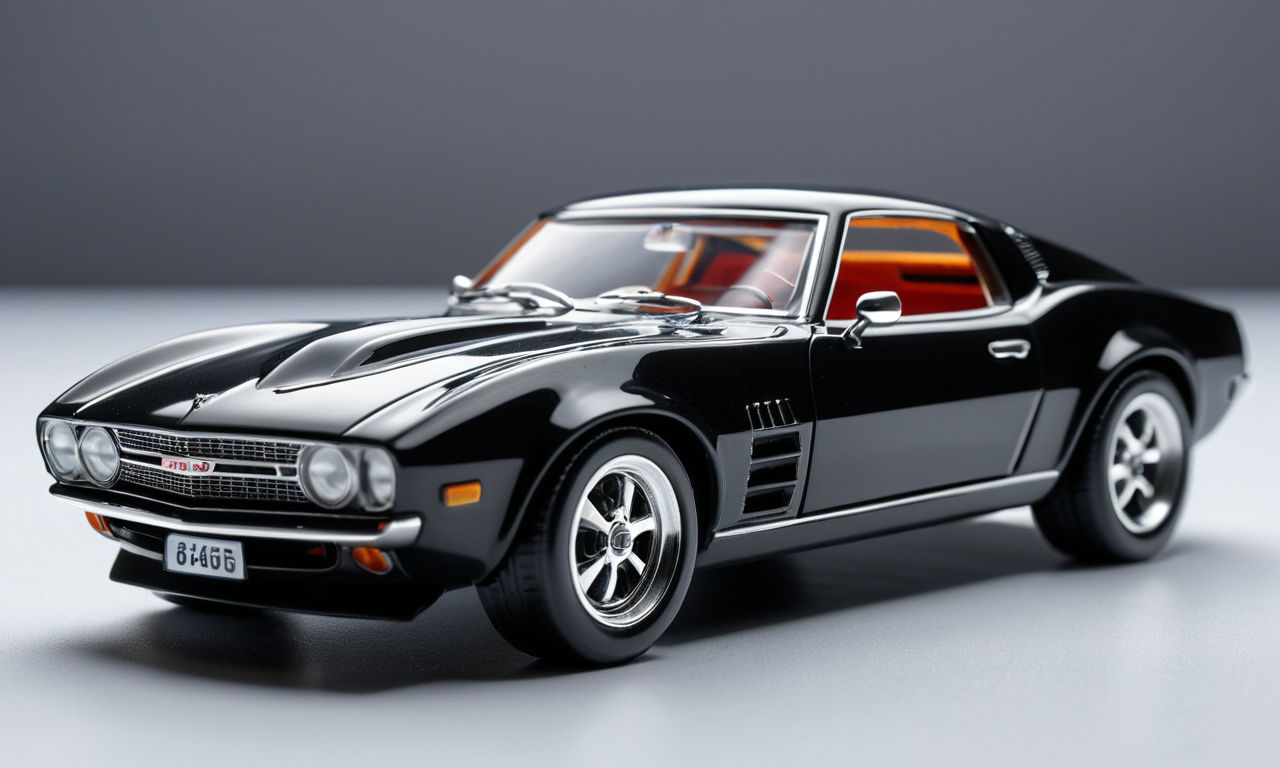
Cloak and Dagger showed up in 1975, near the end of the original Redline era. The name says espionage, and the design backs it up. It's a low, angular wedge with two personalities. One side looks sleek and mysterious. The other is pure menace. The casting has a removable "cloak" panel over the rear engine bay. Pop it off and there's a detailed engine underneath. That one gimmick made it stand out on the pegs.
The story goes that designers wanted a car that could "transform" without being a full transforming toy. The cloak added play value without complex mechanisms. It worked. It also made the casting fragile. Those removable panels get lost all the time, so finding a complete example today is harder than you'd expect. We've seen plenty at swap meets with the cloak missing, and sellers still want premium prices.
For collectors, Cloak and Dagger is a Redline oddity. It was produced from 1975 to 1977, then it vanished. No nostalgia run, no retool. That adds to the mystique. The Spectraflame colors are striking, especially the magenta and blue versions. One warning: the cloak panel is often a different color than the body, and that's correct. Don't assume it's a mismatch.
Tip: When hunting Cloak and Dagger, always check that the cloak fits snugly. Reproductions exist, and they often have a slightly different texture or hue. Compare with known originals in our catalog if you're unsure.
The name is classic Hot Wheels leaning into a theme. It's not a real car, but it feels like a concept from a 1970s spy movie. That's the charm. Collectors who grew up with Redlines remember it fondly, and newer collectors get drawn in by its unusual features. It starts conversations, for sure.
Dune-A-Soar: The Off-Road Oddity
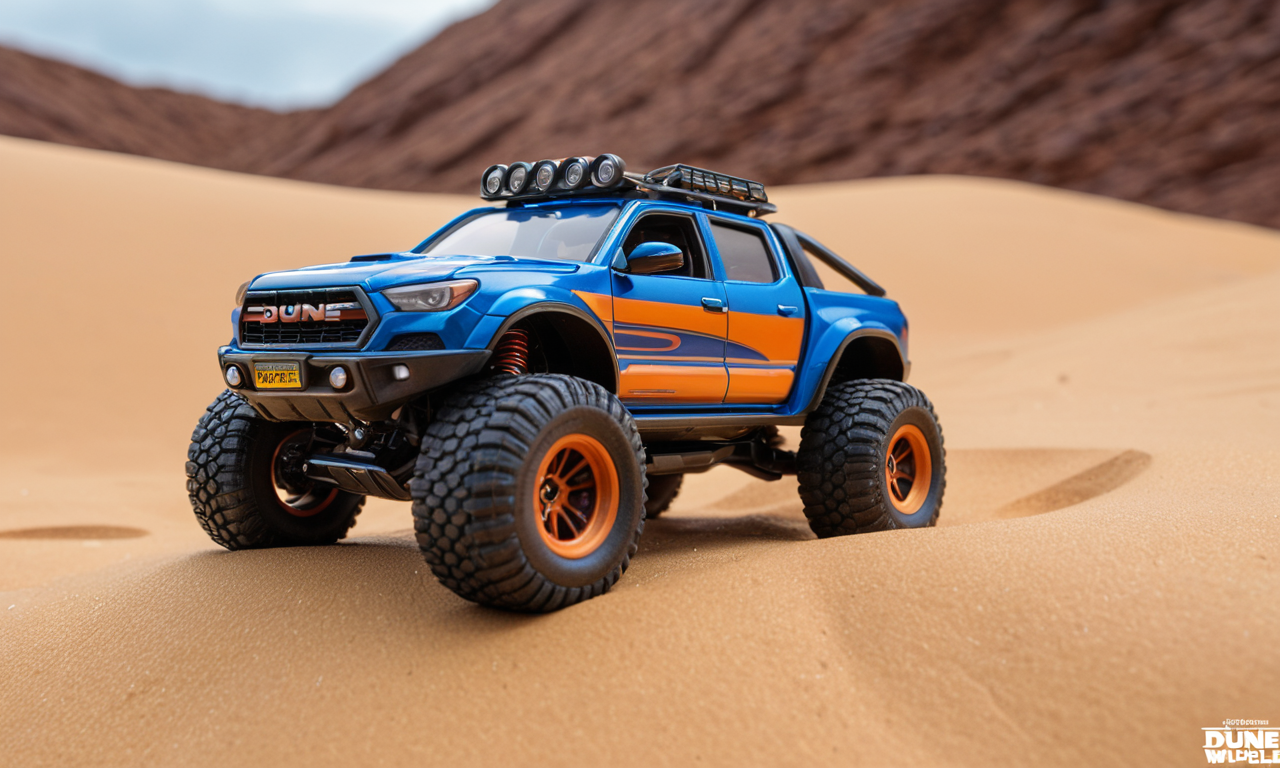
If Cloak and Dagger is the spy car, Dune-A-Soar is the beach bum. It came out in 1977. This is a wild off-road buggy with a massive rear wing and an exposed engine. The name plays on "dune" and "soar," hinting at how it glides over sand. It looks fast standing still, even though it's not based on any real vehicle.
Dune-A-Soar was part of the Flying Colors era, and it came in some truly loud color combinations. The big rear wing is often a separate piece, and those wings break or get lost easily. We've seen many with missing wings, so complete examples are prized. The casting also has a distinctive exhaust that runs up the side. Nice detail.
Here's something interesting about Dune-A-Soar: the scale. It's slightly larger than standard 1/64 scale, which gives it a beefy presence. That also means it won't fit in some standard cases. A minor annoyance for collectors. The trade-off is a casting that feels substantial in hand. The base is metal and the body is plastic, which is typical for the era.
Dune-A-Soar had a short original run, from 1977 to 1980, then it was retired. It didn't come back until the 2000s, with a retro revival in the Hot Wheels Classics series. Those modern versions are easier to find and come in Spectraflame colors with Real Riders. Purists still chase the originals. Original Redline versions are tough to find in mint condition, especially with the wing intact.
Tip: When storing Dune-A-Soar, remove the wing or use a case with enough clearance. The wing is under tension and can warp over time if compressed.
The name Dune-A-Soar might sound silly, but it captures the spirit of 1970s Hot Wheels: fun, imaginative, and a little outrageous. It doesn't take itself too seriously. That's why collectors love it.
El Segundo Coupe: The Modern Mystery
El Segundo Coupe is much newer. It first appeared in 2019. The name nods to El Segundo, California, where Mattel's headquarters sits. It's a sleek, low coupe with a chopped roof and a hint of hot rod styling. So why the name? It's a tribute to the home of Hot Wheels, and the design reflects that Southern California car culture.
The casting was designed by Hot Wheels veteran Ryu Asada, who sadly passed away in 2021. Asada loved real cars and could translate them into 1/64 scale with precision. El Segundo Coupe shows it: a realistic stance, a detailed front grille, and a rear that mimics classic European sports cars. It's not based on one real car. It blends influences from the 1960s and 1970s.
Since its debut, El Segundo Coupe has appeared in many mainline and premium releases. The most sought-after versions are the Super Treasure Hunt from 2020 and the RLC exclusive. The Super Treasure Hunt has Spectraflame paint and Real Riders, and collectors love it. The RLC version came in a special package with a numbered sticker and sold out fast.
What makes El Segundo Coupe interesting is the name. It's not as outlandish as Cloak and Dagger or Dune-A-Soar, but it's a bit mysterious if you don't know the Mattel connection. It rewards long-time collectors who know the history. And it keeps showing up in new releases, so there's always something to hunt.
Tip: For El Segundo Coupe, pay attention to card condition. The 2019 debut card had a unique design that's popular with carded collectors. A mint card can double the value of the car.
El Segundo Coupe also represents a new generation of Hot Wheels design, where original castings get names that tie back to the brand's heritage. It's a nice touch. It shows Hot Wheels still has a sense of humor and history.
Why These Names Stick
Hot Wheels has thousands of castings, but only a few names make you pause. Cloak and Dagger, Dune-A-Soar, and El Segundo Coupe each do it in different ways. Cloak and Dagger is theatrical. Dune-A-Soar is playful. El Segundo Coupe is an inside joke for those in the know. They all add personality to the hobby.
From a collector's perspective, these castings offer something beyond the usual. They have stories, quirks, and a sense of history. Whether you're a Redline purist or a modern hunter, they're worth seeking out. And if you spot one at a flea market or a local swap meet, don't hesitate. These are the finds that make the hobby fun.
We've had many of these cross our desks over the years, and they never fail to start a conversation. That's the mark of a great casting. It's not just a toy. It's a piece of Hot Wheels lore.
FAQ
What is the story behind the Cloak and Dagger casting?
Cloak and Dagger was introduced in 1975 as a spy-themed car with a removable cloak panel that covers the engine. It was designed to add play value and stands out for its gimmick and rarity today.
Why is Dune-A-Soar considered hard to find?
Dune-A-Soar was produced from 1977 to 1980 and has a fragile rear wing that is often missing. Complete examples in good condition are scarce, making it a sought-after casting.
What does El Segundo Coupe mean?
El Segundo Coupe is named after El Segundo, California, the home of Mattel's headquarters. It's a tribute to Hot Wheels' heritage and Southern California car culture.