Dessert Drifter: What This Hot Wheels Casting Is Really Worth in 2024
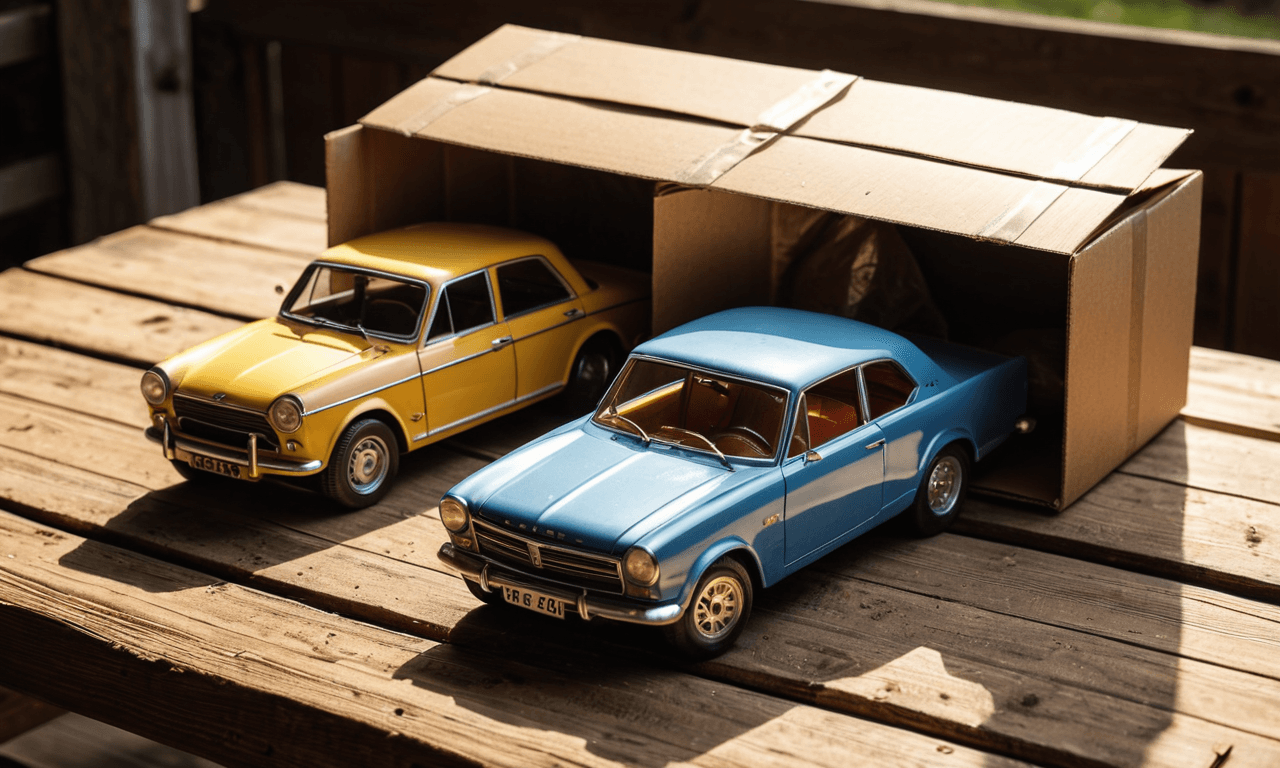
Every so often a Hot Wheels casting shows up that makes you stop mid-peg and think, what is this thing? The Dessert Drifter is one of those. It is not a supercar, it is not a movie tie-in, and it is not going to headline anyone's collection. But it has a small, stubborn following, and in 2024 that following has pushed asking prices into some genuinely silly territory. So let's cut through it. Here is what the Dessert Drifter actually is, where you find it, and what it is really worth when the dust settles.
What the Dessert Drifter Actually Is
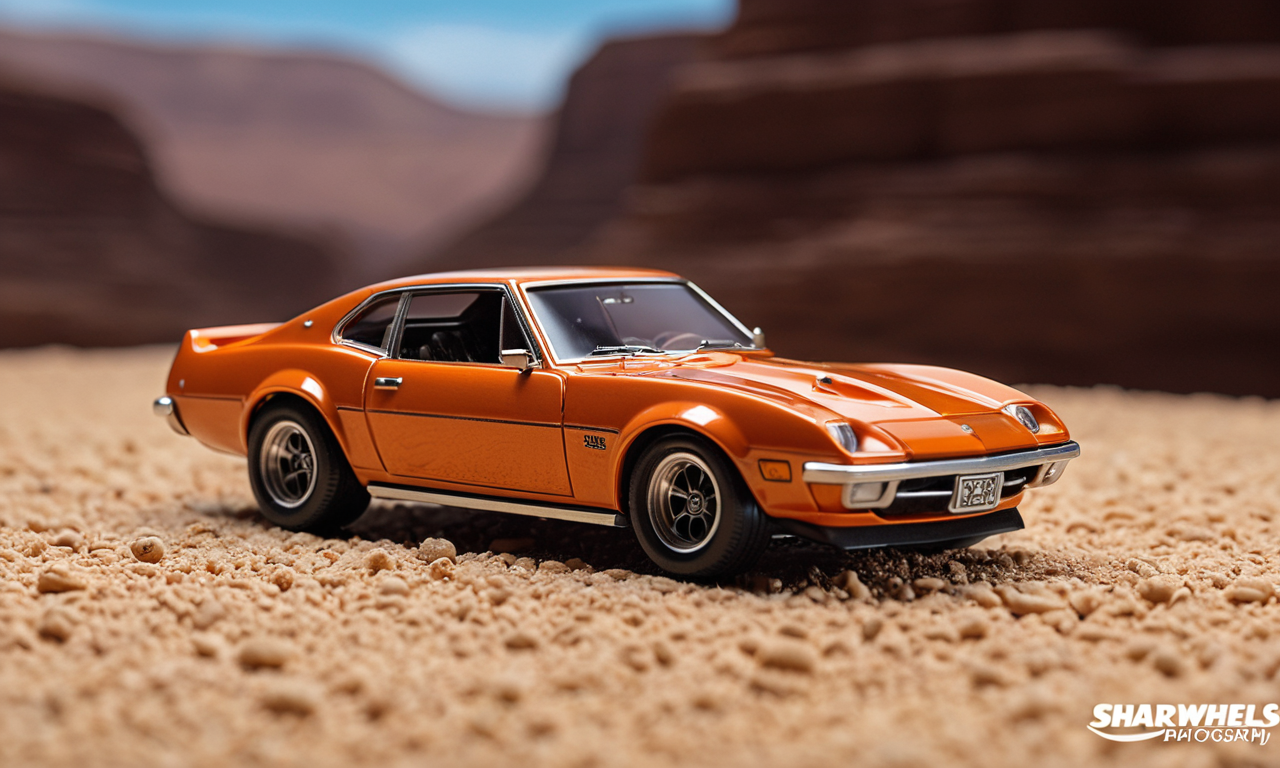
The Dessert Drifter is a food-themed fantasy casting in the classic Hot Wheels tradition, a car built around a gimmick rather than a real-world license. It sits in the same family tree as the long line of novelty castings Mattel has cranked out over the decades, the ones kids love and adult collectors either adore or ignore entirely.
What matters for value is this. Food and novelty castings have a much narrower collector base than JDM, muscle or European exotics. That means the ceiling is lower, but it also means the floor can be surprisingly firm when a specific release gets hot. The Dessert Drifter has had exactly that happen. A casting nobody paid attention to suddenly becomes a $15 to $25 mainline on the secondary market because word got out and supply dried up at the pegs.
Be honest about what you own. If it is a standard mainline in a common color, you have a fun car worth roughly retail plus a dollar or 2. If it is a premium release, a store exclusive or a color variant that only showed up in one case code, the picture changes quickly.
Where the Dessert Drifter Sits in the 2024 Market
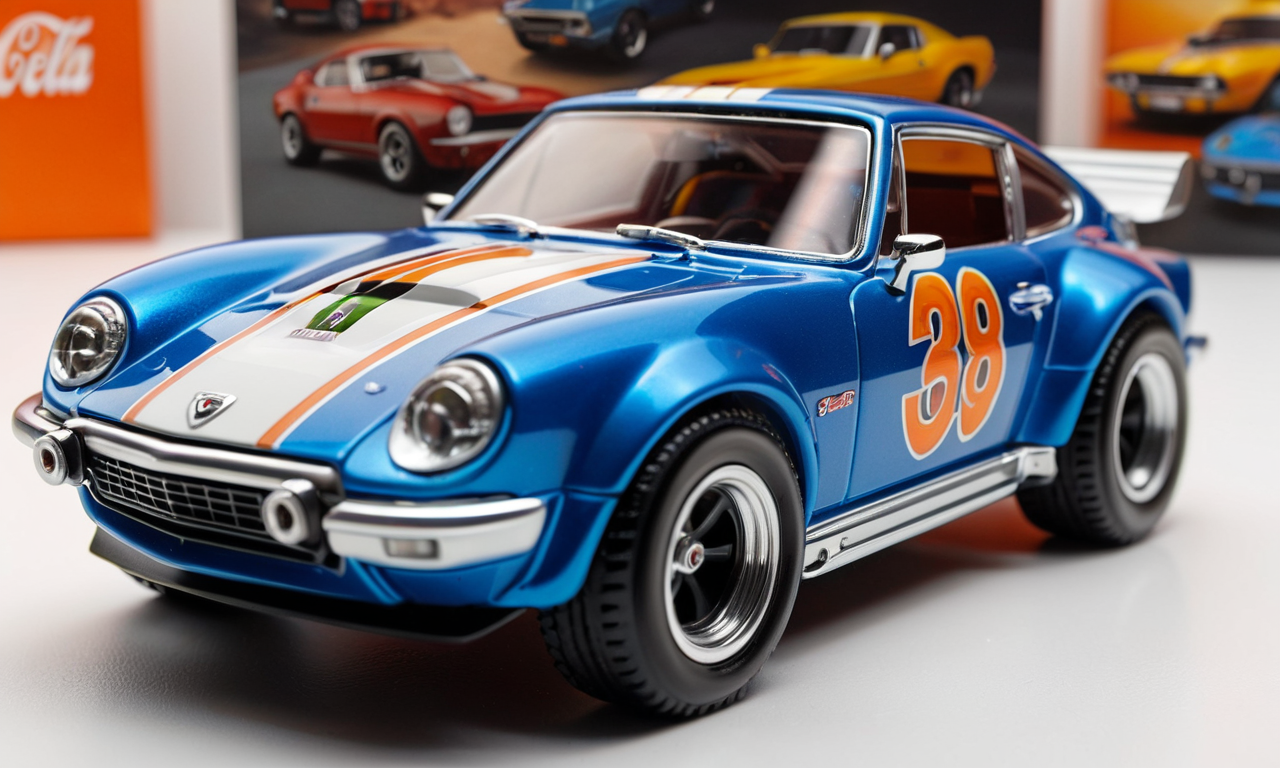
Let's talk real numbers, with the usual caveat that Hot Wheels pricing moves and varies by region, condition and platform. We track sold listings rather than asking prices in our price history, because asking prices are fiction. Anyone can list a car at $40. What matters is what it actually sold for.
Loose Mainline
A loose, played-with Dessert Drifter mainline is a $1 to $3 car in 2024. That is the honest truth. It is a common novelty casting and loose commons do not appreciate. If you are selling a single loose one online, after shipping and fees you are basically giving it away. Keep it, trade it locally, or toss it in the bin for the kids.
Carded Mainline
Here is where it gets interesting. A carded Dessert Drifter in a desirable colorway with a clean, unpunched card and a flat blister can pull $8 to $20, and certain color variants have pushed past $30 in 2024 when 2 or 3 determined buyers collide in the same week. That is not a stable market. It is a thin market. One buyer stepping away and the price halves.
Premium and Special Releases
If the Dessert Drifter appears in a premium line with Real Riders and metal-on-metal construction, treat it as a different car entirely. Premium novelty castings routinely sell for $10 to $25 carded, with the spike going higher for store exclusives and short-run colorways. Any release tied to a specific retailer or a convention gets a premium on top of that.
Collector tip: Never price a carded Dessert Drifter off a single sold listing. Look at 5 or more recent sales in the same colorway and condition. On thin castings, one sale can be an outlier that misleads you for months.
The Variants That Actually Matter
Variant hunting is where the Dessert Drifter earns its keep. On a casting this cheap and this common, the base car is noise. The variants are the signal. Here is what veteran collectors watch for.
- Color variations: a casting released in multiple colors will almost always have 1 or 2 that are far scarcer. Check which colors were actually produced in bulk versus which appeared briefly. Wheel variations: the same casting can ship with different wheel types across production runs. A wheel swap mid-production creates 2 distinct collectibles. Card and blister variations: international cards, different card art, short cards versus long cards. These matter more than most people realize. Base variations: plastic versus metal base, country of manufacture, and tampo differences all shift value. Error cars: a missing tampo, an off-center decal or a wrong wheel on one corner can turn a $2 car into a $15 car to the right buyer. Not everyone cares, but the ones who do pay.
The trick with any of these is documentation. You need to know exactly what you have, and that means comparing your car against a reliable checklist rather than guessing. Our catalog is built for exactly this, so you can line up your car against known releases and spot the odd one out before you list it.
How Condition Changes the Math
On a high-dollar casting, a corner ding on the card costs you a few percent. On a Dessert Drifter, it can cost you the entire premium. This is a casting where the gap between mint and near-mint is proportionally huge because the base value is so low.
Card Corners and Blister Seals
Check all 4 corners under good light. Look for soft corners, creases, color breaks along the fold lines and any lifting at the blister edge. A blister that has started to lift, even slightly, is a red flag for buyers because it suggests the car may have been removed and reseated. Also check for yellowing on older cards and stress marks around the J-hook.
The Car Itself
Loose cars need a close look at the tampo work, the wheel chrome and the base. Tampo rub is common on novelty castings with large graphics. Wheel chrome wears off fast on cars that spent time on a carpet. And any chip in the paint along the edges is a bigger deal here than on a $200 premium piece, because the spread between grades is tighter.
Collector tip: Buy a cheap magnifier and a small LED light. Half the 'mint' Dessert Drifters floating around have tampo rub that shows up instantly under a bright light at the right angle.
Peg Hunting Strategy for This Casting
If you actually want to find a Dessert Drifter rather than pay secondary prices, you need to understand how it flows through retail. Novelty castings tend to sit longer than hyped castings, which is good news for you. But the desirable colorways still get scooped by the first person to open the case.
- Learn case codes. Knowing which assortment code your store just received tells you whether a fresh batch is even possible. Restock timing beats hunting frequency. Find out when your local store gets its truck and show up that morning. Check the dump bins thoroughly, not just the pegs. Novelty castings live in bins. Do not skip discount retailers and grocery chains. They get odd assortments and fewer hunters. Trade locally before buying online. Shipping on a $5 car makes no sense.
The community here trades constantly, and a lot of Dessert Drifter variants move hands without ever hitting a public listing. That is often where the best condition examples end up.
So, Is It Worth Collecting?
Here is our honest read. The Dessert Drifter is not an investment. It is not going to fund your retirement, and if you buy a common carded example at $25 hoping to flip it at $60, you are going to be disappointed. The market for novelty food castings is thin and it does not reward speculation.
But it is worth collecting if you like it. The color variants are genuinely fun to chase, the premium releases are nice pieces, and the casting has real personality. The collectors who do well with cars like this are the ones who buy what they enjoy, keep it in good condition, and know the variant landscape cold. Value follows knowledge. It rarely follows hype for long.
One more thing. Do not overpay for a graded example unless you have a specific reason. On a casting with this value profile, the grading and slabbing cost can exceed the value of the car itself. Grade the premium pieces and the rare variants. Leave the commons in a protector and move on.
Frequently Asked Questions
Is the Dessert Drifter worth anything in 2024? It depends entirely on the release and condition. A loose common mainline is worth $1 to $3. A carded example in a desirable colorway can sell for $8 to $20, with rare variants pushing higher. Premium and exclusive releases sit in the $10 to $25 range and up. The casting has no single value, only a range that shifts with variant and grade.
Should I keep mine carded or open it? If it is a common colorway, opening it costs you almost nothing and you get to enjoy the car. If it is a scarce color, a premium release or a store exclusive, keep it carded and store it in a protector. Check the variant landscape first before you decide, because once the blister is open there is no going back.
How do I know if I have a rare variant? Compare your car against a detailed checklist covering color, wheel type, base material and card style. Look for production differences within the same release, and pay attention to error cars like missing tampo or mismatched wheels. When in doubt, photograph it well under good light and ask the community here before you list it at a premium price.