Fast Foodie: The Hot Wheels Casting That Turned Fast Food Into a Collectible
Introduction: When Fast Food Met Hot Wheels
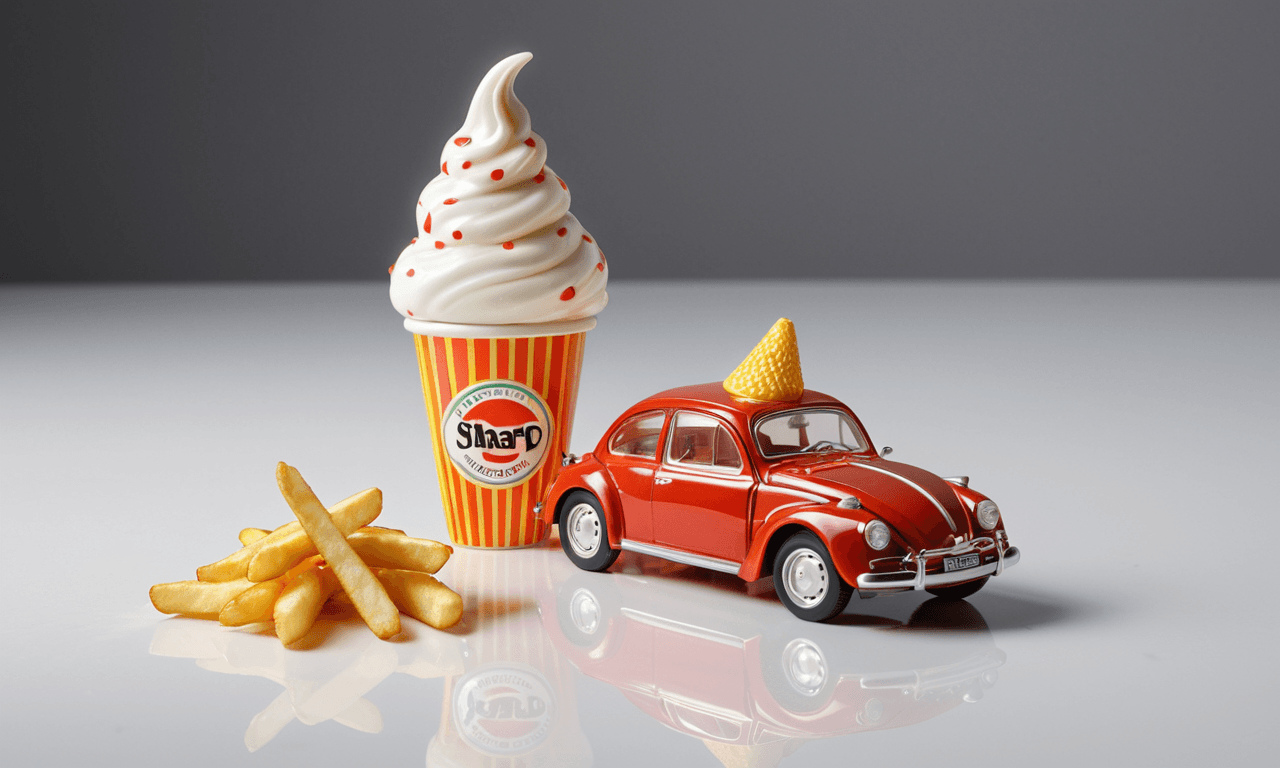
I've been hunting pegs for over 20 years. Seen plenty of weird and wonderful Hot Wheels castings. From the iconic Twin Mill to the outrageous Shark Bite, Mattel has never been afraid to think outside the box. But every now and then, a casting comes along that perfectly captures the zeitgeist, blending everyday life with diecast magic. Enter the Fast Foodie, a casting that literally puts fast food on four wheels.
The Fast Foodie is exactly what it sounds like: a car designed to look like a fast food meal. It is a playful nod to the drive-thru culture that many of us grew up with. But beyond its whimsical appearance, the Fast Foodie has become a beloved collectible, with a dedicated following and a surprising number of variations. In this guide, we will take a deep dive into the Fast Foodie casting, exploring its history, design, variations, and what makes it a must-have for any serious collector.
The Origin Story: How Fast Foodie Came to Be
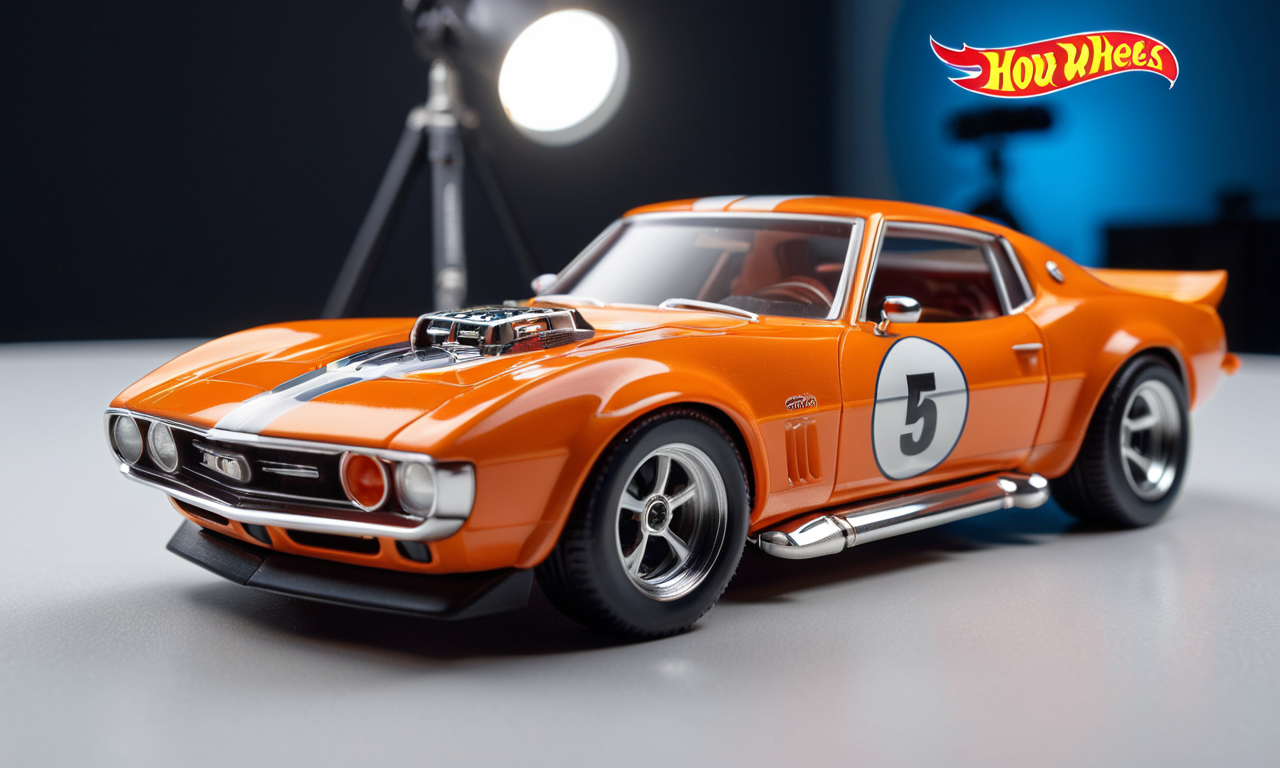
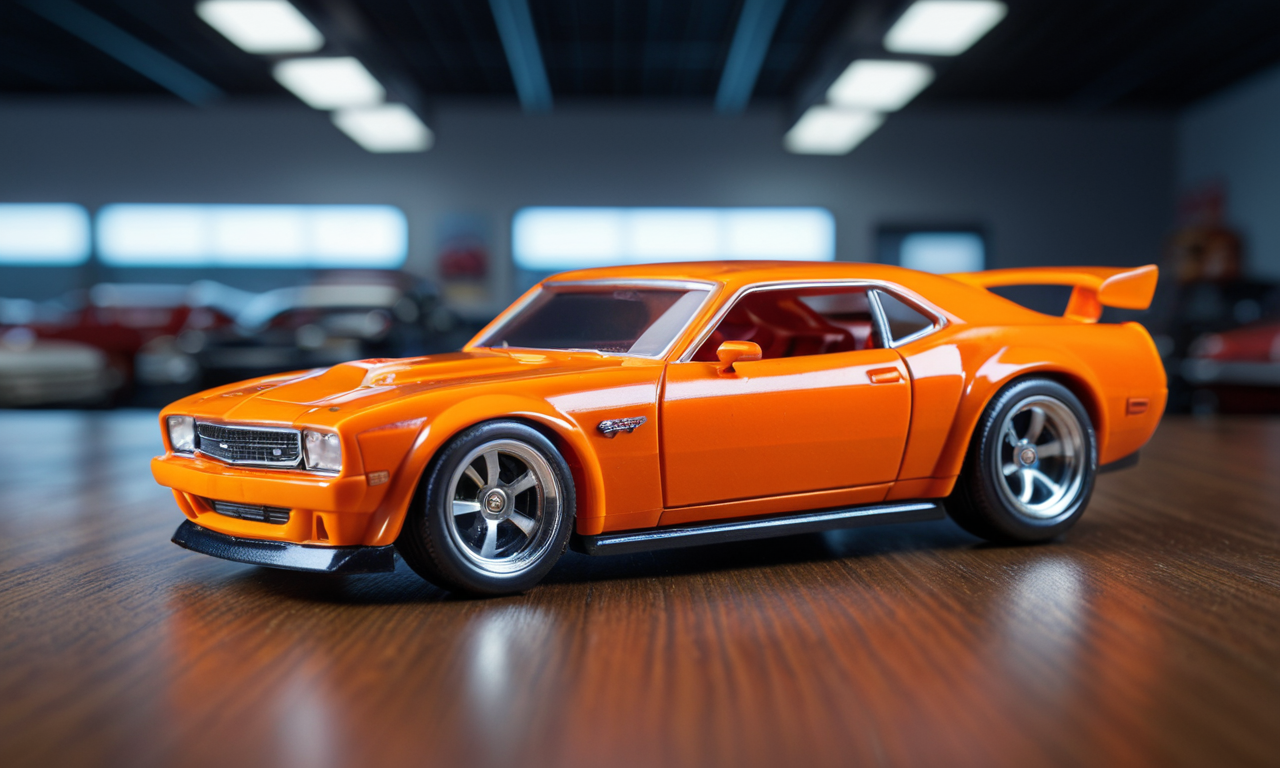
The Fast Foodie made its debut in 2013 as part of the Hot Wheels City line. It was designed by Ryu Asada, a legendary Hot Wheels designer known for his innovative and fun creations. The concept was simple: create a car that looks like a classic fast food meal. The result was a car shaped like a burger, complete with a sesame seed bun, a beef patty, cheese, lettuce, and tomato. It even had a side of fries and a drink cup integrated into the design. The car was an instant hit, appealing to both kids and adult collectors.
The Fast Foodie was not just a gimmick; it was a well-executed design that captured the essence of fast food culture. The casting featured a die-cast body with a plastic base, and it rolled on standard 5-spoke wheels. The attention to detail was impressive, with textured lettuce and sesame seeds on the bun. It was clear that Mattel had put a lot of thought into this whimsical creation.
Design and Features: More Than Just a Burger
The Fast Foodie is a unique casting that stands out in any collection. Let's break down its design features:
- Body: The main body is shaped like a burger, with a top bun featuring sesame seeds and a bottom bun. The patty, cheese, lettuce, and tomato are all molded into the design.
- Wheels: The Fast Foodie has been released with various wheel types over the years, including 5-spoke, 5SP, and even Real Riders in premium releases.
- Base: The base is typically plastic and often features the casting name and copyright information.
- Interior: Some releases feature a detailed interior, while others have a simple plastic piece.
- Packaging: The Fast Foodie has been released in various packaging styles, from basic mainline cards to premium boxes.
One of the most interesting aspects of the Fast Foodie is how Mattel has incorporated fast food elements into the car's design. For example, the car's spoiler is shaped like a French fry, and the drink cup serves as a side component. These details make the Fast Foodie a fun and engaging casting that always brings a smile to my face.
Releases and Variations: A Collector's Guide
Since its debut, the Fast Foodie has been released in numerous variations, making it a challenging but rewarding casting to collect. Here are some of the notable releases:
Mainline Releases
The Fast Foodie has appeared in several mainline series, each with different color schemes and wheel types. The first release in 2013 was a classic burger design with a sesame seed bun and all the fixings. Subsequent releases have featured different themes, such as a cheeseburger, a chicken sandwich, and even a breakfast sandwich. Some mainline releases have also included special features like glow-in-the-dark bodies or color-changing paint.
Premium and Special Editions
The Fast Foodie has also been featured in premium lines, such as Hot Wheels Boulevard and Car Culture. These releases often feature metal bodies, Real Riders wheels, and more detailed paint and deco. For example, the 2020 Boulevard release featured a metal body with a shiny red finish and Real Riders wheels, making it a standout piece. There have also been exclusive releases for events like the Hot Wheels Collectors Convention, which are highly sought after by collectors.
Color and Wheel Variations
Like many Hot Wheels castings, the Fast Foodie has seen its fair share of color and wheel variations. Collectors often seek out specific combinations, such as the rare white enamel version or the elusive Real Riders release. Wheel variations include 5-spoke, 5SP, and even lace wheels on some international releases. These variations can significantly affect a casting's value, so it pays to know what to look for.
Tip: When hunting for Fast Foodie variations, pay close attention to the card art and the base. Some variations are only distinguishable by the copyright date or the country of manufacture.
Collecting the Fast Foodie: Tips and Tricks
Collecting the Fast Foodie can be a fun and rewarding experience, but it requires some strategy. Here are some tips from my years of collecting:
- Start with the mainline releases: They are easier to find and won't break the bank.
- Check our catalog for a comprehensive list of releases and variations.
- Attend collector events and swap meets to find rare variations.
- Join online communities to stay informed about upcoming releases and trades.
- Inspect the card and blister carefully: A mint card with a strong blister seal is essential for value.
- Look for international variations: Sometimes releases in other countries have different colors or wheels.
One of the challenges of collecting the Fast Foodie is that some releases are exclusive to certain retailers or regions. For example, some color variations have only been found in international markets. Networking with other collectors can help you track these down. Also, keep an eye out for error cards or mispackaged items, as these can be valuable to niche collectors.
Why the Fast Foodie Matters to Collectors
The Fast Foodie is more than just a novelty casting. It represents the playful spirit of Hot Wheels and the creativity of designers like Ryu Asada. It also reflects a broader trend in diecast collecting: the embrace of fun, quirky designs that appeal to both kids and adults. In a hobby that can sometimes take itself too seriously, the Fast Foodie is a reminder to have fun and enjoy the ride.
From a collector's perspective, the Fast Foodie offers a bit of everything: a unique design, a variety of releases, and a community of enthusiasts who appreciate its charm. Whether you are a completist or a casual collector, the Fast Foodie deserves a spot in your collection.
FAQ
Q: What year was the Fast Foodie first released?
A: The Fast Foodie made its debut in 2013 as part of the Hot Wheels City line.
Q: Are there premium versions of the Fast Foodie?
A: Yes, the Fast Foodie has been released in premium lines like Hot Wheels Boulevard and Car Culture, featuring metal bodies and Real Riders wheels.
Q: What is the most valuable Fast Foodie variation?
A: Value varies, but convention exclusives and rare color variations, such as the white enamel version, tend to be the most sought after and valuable.