FJ Cruiser Hot Wheels and Hirohata Merc: Two Castings That Changed How Mattel Designs Off-Road and Custom Cars
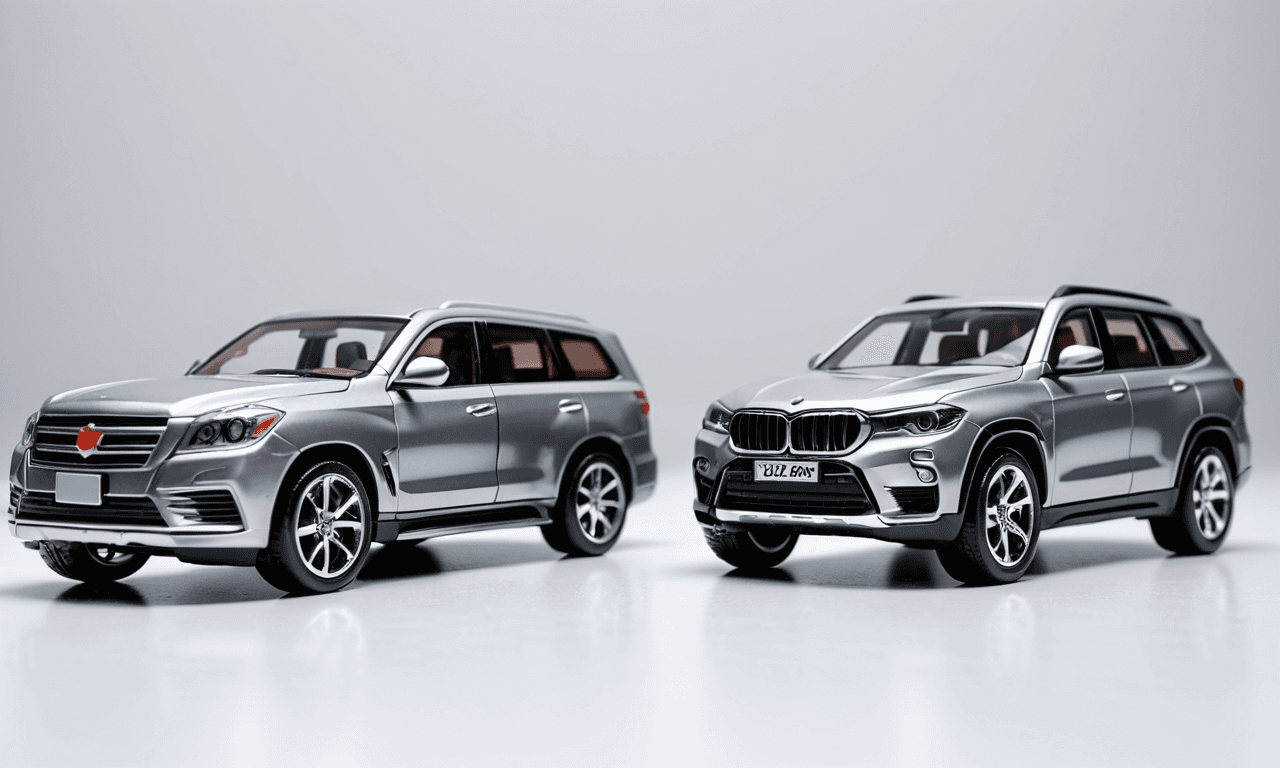
Every few years a casting lands that makes you stop flipping the bin and actually look. Not because it is rare. Not because it is a chase. Because the tooling tells you something about where Mattel is headed. For me, 2 castings did that in a big way: the Hot Wheels FJ Cruiser and the Hirohata Merc. One is a boxy modern SUV that had no business being this good in 1/64. The other is a chopped 1950s custom Merc with a story as deep as the car is low. Put them side by side and you see how Hot Wheels started treating off-road trucks and custom heritage cars as serious collector product, not filler.
I have been hunting pegs for over 20 years, and I have watched plenty of castings come and go. These 2 stuck. Here is my honest breakdown of why they matter, what to look for, and how to spot the good ones before someone else beats you to the bin.
Why These 2 Castings Matter to Mattel Design
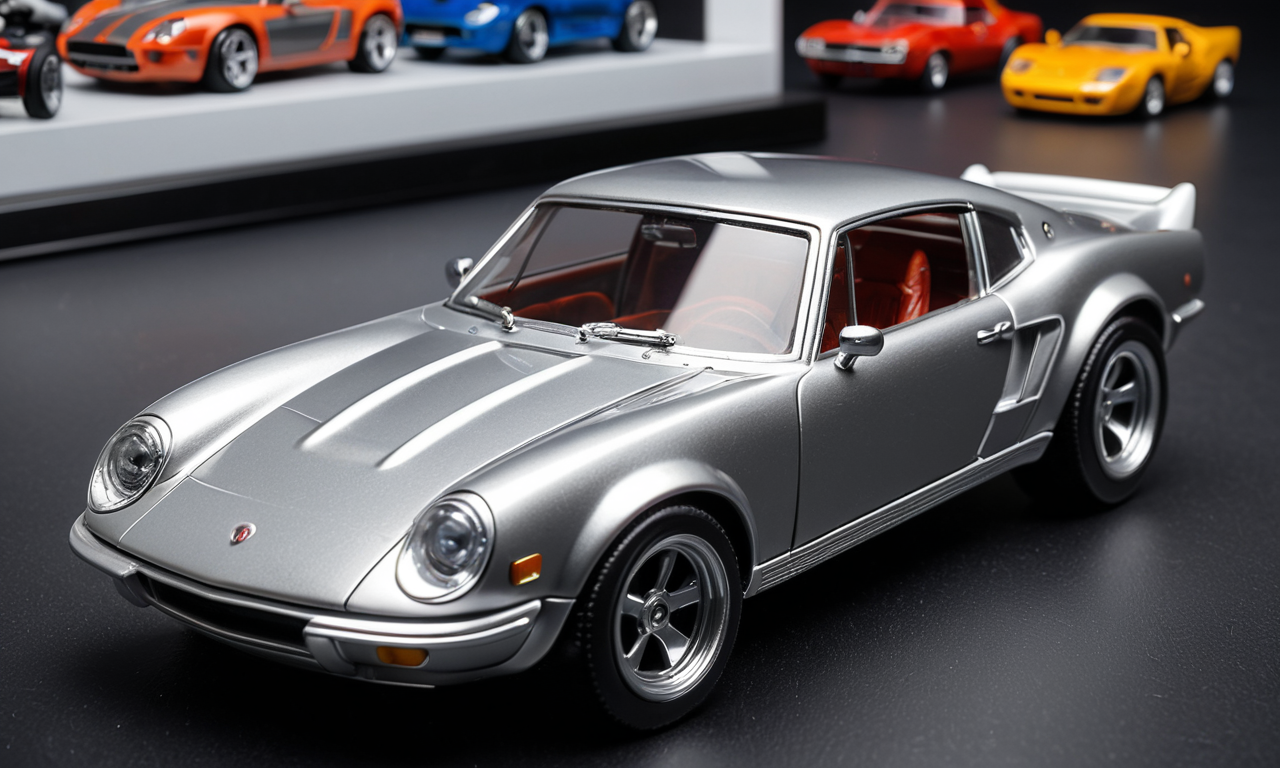
The short version: the FJ Cruiser proved Mattel could do a modern off-roader with real proportions, and the Hirohata Merc proved the design team could honor a genuine custom-car legend without turning it into a caricature. Both were risky in their own way. Trucks and SUVs have always been a tough sell in a mainline assortment dominated by supercars and fantasy castings. And a period-correct custom Merc is a niche reference most kids will not recognize. The fact that both worked tells you a lot about how the brand reads its audience now.
Before these, off-road castings often had exaggerated proportions and chunky, toy-like details. The FJ Cruiser arrived with a squarer stance and cleaner surfacing that felt closer to the real vehicle. On the custom side, heritage cars had been done before, but the Hirohata Merc was handled with an unusual amount of restraint. The chop, the grille, the stance, all of it reads like a real custom build rather than a Hot Wheels fantasy spin on one.
Collector tip: when a casting gets this much fidelity in the mainline, the premium and special releases almost always follow. If you like a base casting, buy the first nice premium version you see. The tooling tends to get better, not worse.
The FJ Cruiser: Off-Road Done Right in 1/64
What Makes the Tooling Work
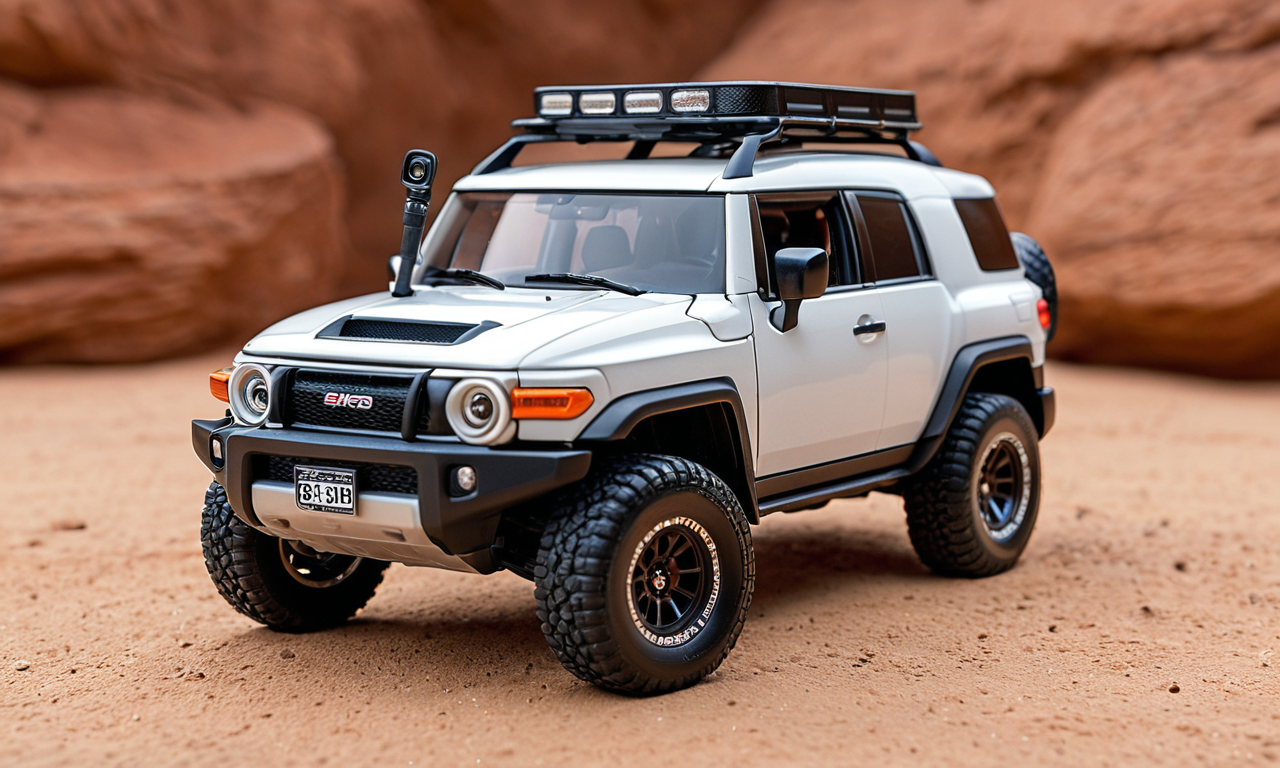
The FJ Cruiser is one of those castings where the proportions just click. The upright windshield, the wide fender flares, the near-vertical rear. It all translates well to 1/64 scale. Mattel did not over-stylize it. The wheels sit right, the wheel arches are cut to match the tires, and the body has enough surface detail to reward a close look without turning into a mess of tiny lines that get lost in the paint.
What I appreciate most is how it handles the front end. The round headlights and the grille treatment are simplified, but they read correctly. You know exactly what car you are looking at from across the room. That is the real test of a good licensed casting.
Off-Road Cred and Real Riders
An off-road casting lives or dies by its wheels and stance. The FJ Cruiser looks genuinely capable rather than slammed and silly. When Mattel puts it on Real Riders in a premium release, the rubber tires and the slightly taller ride height make it look like it could roll off a trail. That is a big part of why it became a favorite for people who build dioramas and desert scenes.
It also takes paint well. Flat and satin finishes look great on that boxy body, and the casting has enough flat panels that a clean graphic or a simple two-tone really pops. That is not true of every tooling. Some castings fight their own graphics. This one cooperates.
Variants and What to Watch
Over the years the FJ Cruiser has shown up in mainline, premium, and various special assortments, and the details shift between them. Wheel type, paint finish, and whether you get a plastic or metal base can vary by release, so treat any single release as its own thing rather than assuming. Check the base and the wheels before you assume a particular version.
For me, the premium releases are the ones worth locking down. The metal-on-metal feel and the Real Riders change the whole presence of the car. If you are chasing carded examples, look hard at the card corners and the blister seal. A lot of these got shoved into bins and the cards took a beating. A crisp card on a desirable FJ release is worth grabbing when you see it, because they do not get easier to find loose and mint.
The Hirohata Merc: Custom Heritage Without the Caricature
The Real Car Behind the Casting
The Hirohata Merc is based on a real 1951 Mercury that became one of the most famous custom cars in American hot rod culture, built by the Barris shop for Bob Hirohata. Chopped top, sectioned body, extended rear quarters, a distinctive grille, and a stance that sits about as low as a car can sit and still roll. It is a landmark build, and it influenced custom car design for decades after.
That is a lot of history to compress into 1/64. The temptation would be to exaggerate everything and turn it into a cartoon. Mattel did not do that. The casting keeps the chopped roofline, the long rear deck, and the low stance, and it reads as the actual car. That restraint is the whole reason it works.
Where the Casting Shines
The roofline is the tell. A chop done badly in small scale looks squashed and awkward. On the Hirohata Merc casting the proportions hold together, and the greenhouse sits correctly relative to the body. The grille and the front end carry the character without needing a ton of separate parts, which matters for durability and for cost.
Color choices on this casting tend to be period-appropriate. Deep metallics, two-tones, and clean solid colors all suit it. When Mattel puts it on Real Riders with a proper set of wheels, it looks like a show car sitting on the lawn at a custom show. That is exactly what you want from a heritage casting.
The Collector Angle
Here is where I get honest. The Hirohata Merc is not going to be a pegwarmer forever, and it is not a casting that every kid is going to grab first. That is fine. It is aimed at the collector who knows what it is. Premium releases of it hold attention, and carded examples in good shape are worth watching. Our catalog tracks the variants as they show up, and it is worth a look if you are building a custom-heritage shelf.
Collector tip: heritage castings like this often get their best paint in premium lines. The mainline version is great for opening and displaying, but the premium release is the one to keep carded.
What These 2 Castings Changed
-
Off-road castings got real. The FJ Cruiser showed that a modern SUV could hold its own in an assortment full of supercars and fantasy cars, and that collectors wanted accurate off-roaders, not just chunky toys.
-
Heritage became a design pillar. The Hirohata Merc showed that honoring a real custom car could work as a Hot Wheels product, which opened the door for more period-correct custom and classic castings.
-
Premium tooling got more ambitious. Both castings look their best on Real Riders with metal bases, and that pushed the design team to treat premium releases as the showcase rather than an afterthought.
-
Licensed realism won. Neither casting needed fantasy proportions to sell. That is a lesson that carried into a lot of the tooling that followed.
The bigger shift is philosophical. Mattel started treating these as collector product first and toy second, and the design choices followed. You see it in the stance, the wheel choices, the paint. It is not just about the car on the card. It is about respecting the reference.
How to Hunt Them Without Wasting Time
Peg hunting for these is mostly about knowing what you are looking for and not getting distracted by the loud stuff. A few things I have learned the hard way:
-
Check the card corners first. Both castings get handled a lot, and a clean card on a desirable release is worth more than a beat-up one. If the corners are soft or the blister is lifting, factor that in.
-
Look at the blister seal. A weak seal means the car may have been resealed or the card may have been stored badly. On premium releases this matters more because the packaging is part of the appeal.
-
Know your case codes. If you are hunting a specific release, knowing which case code it shipped in saves you hours of digging. The community here trades that info constantly, and it is worth using.
-
Do not sleep on the loose bins. Plenty of good FJ Cruisers and Hirohata Mercs get opened and played with. A loose example in good shape is a fine way to get the casting without paying carded prices.
-
Buy the premium version if you only buy one. The metal base and Real Riders make both castings look like the cars they are supposed to be.
One more thing. Do not chase every variant. Pick the 1 or 2 releases you actually love and go deep on those. A focused collection of FJ Cruisers or Hirohata Mercs looks better on a shelf than a scattered pile of every colorway.
FAQ
Is the Hot Wheels FJ Cruiser a good casting to collect? Yes, especially if you like off-road and truck castings. The proportions are accurate, it takes paint well, and the premium releases on Real Riders look genuinely capable. It is a solid, affordable casting that displays well.
Why is the Hirohata Merc important to Hot Wheels collectors? It represents a shift toward honoring real custom-car heritage with restraint instead of exaggeration. The casting keeps the chopped roofline, low stance, and front-end character of the real car, which makes it a favorite for anyone building a custom-heritage shelf.
Should I buy carded or loose versions of these castings? It depends on what you want. Carded examples in good shape hold more appeal for display and resale, so check the card corners and blister seal carefully. Loose examples are a great, cheaper way to enjoy the casting, especially if you plan to open it anyway.