The Hirohata Merc HRY69: Inside One of Hot Wheels' Most Underrated Castings
Some castings get all the attention. The JDM stuff, the movie cars, anything with a chase sticker. Then there are the ones that just sit on the pegs, release after release, while collectors walk right past. The Hirohata Merc is one of those. If you've been collecting for a while, you've probably seen it, maybe even flipped it over to check the base, then hung it back up without a second thought. I want to make the case that you should have taken it home.
The Hirohata Merc, catalogued under the HRY69 tooling, is a 1/64 tribute to one of the most important custom cars ever built in America. It's not a fantasy design. It's not a licensed movie tie-in. It's a real, historically significant custom Merc, and Hot Wheels reproduced it with a level of restraint most modern castings don't get. That restraint is exactly why it gets overlooked, and exactly why it's worth your time.
The Real Car Behind the Casting
Before you can appreciate the casting, you need to know what it's modeling. The Hirohata Merc is a 1951 Mercury Eight coupe that Sam and George Barris customized for a customer named Bob Hirohata. The work was done in the early 1950s in California, and the result became one of the defining cars of the custom car movement. Chopped roofline, sectioned body, extended rear quarters, those iconic side trim lines, and a two-tone paint scheme that builders have copied for decades.
The car was famous enough to appear in film and influence a whole generation of customizers. It was later restored and has been shown at major events. That history matters when you're looking at a 1/64 diecast, because it tells you the designers were working from a real reference, not inventing proportions. When Hot Wheels gets a real car right at this scale, it shows in the stance and the trim.
The Hirohata Merc is widely regarded as one of the most influential custom cars of the postwar era. It's not a household name outside car culture, which is part of why the Hot Wheels version doesn't fly off the pegs. But among people who know customs, the name carries weight. That gap between historical importance and peg-shelf obscurity is the sweet spot for a collector.
What Makes the HRY69 Casting Work
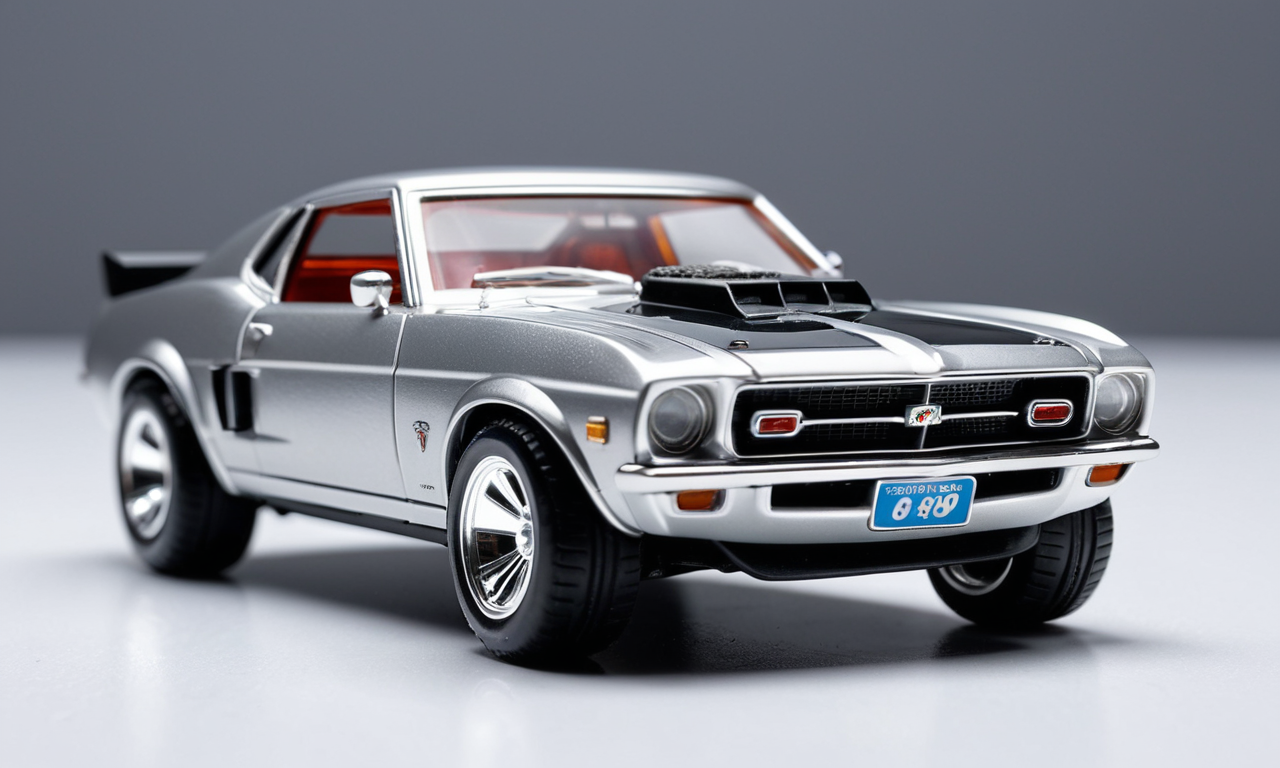
The first thing you notice holding one is the proportions. The roofline sits low and long, the rear quarters sweep back, and the front end has that smooth, rounded look the real Merc has. Hot Wheels could have gone cartoonish here, exaggerated the chop, stretched the body, but they didn't. The silhouette reads as a period custom, and that's a compliment.
The Details That Reward a Closer Look
-
The side trim is molded into the body, which gives the casting a clean look without relying on tampos for the main character lines.
-
The roof profile is chopped in a way that matches the real car's proportions rather than a generic lowrider look.
-
Wheel choices on various releases matter a lot. Some look period correct, others push it toward a more modern custom vibe. If you care about accuracy, not every release is equal.
-
The grille and front fascia are simple but readable at 1/64. It doesn't look like a blob, which is more than you can say for some custom castings.
The casting lives or dies on its paint. On releases where the body color is a deep, single tone, the trim and roofline pop and the car looks like a miniature of the real thing. On busier deco releases, the shape gets lost. That's not a flaw in the tooling, it's a flaw in how the tooling gets used. Keep that in mind when you're choosing which version to hunt.
Collector tip: when a casting is underrated, the best versions are often the plainest ones. A single color with clean trim will almost always age better in your display than a busy tampo job.
Why It Gets Overlooked
Let's be honest about the reasons. It's not a supercar. It's not a JDM legend. It doesn't have a movie logo on the card. The card art is understated, and the car itself is a 1950s custom, which is a niche within a niche for a lot of younger collectors. When you're standing in a store and the pegs are picked over, the Hirohata Merc is often one of the last things left hanging.
There's also a perception issue. Some collectors see a custom Merc and assume it's a generic lowrider casting, which it's not. It's a specific, historically documented car. The name on the card isn't decoration, it's a reference. Once you know what you're looking at, the casting stops being background noise.
The flip side of being overlooked is availability. You can still find these on the pegs in some stores and in dollar bins. That won't last forever. Castings that stay in rotation for years eventually get retired, and when they do, the collectors who ignored them suddenly want them. We've seen this cycle play out dozens of times. The smart move is to pick them up while nobody else cares.
How to Hunt and What to Check
Hunting for the Hirohata Merc isn't like hunting for a super treasure hunt. There's no frantic rush, no store employee pulling cases before you get there. It's a slow burn. You check the pegs when you're already in the store, and you grab the clean ones when you see them.
Card and Blister Condition
-
Card corners are the first thing to check. Bent corners drop a carded car a grade fast, and there's no reason to accept them on a casting that's easy to find.
-
Look at the blister seal all the way around. Lifting or yellowing on the glue line is a red flag, especially on older releases that have been sitting in a bin or a hot garage.
-
Check the paint through the blister. Look for rub marks on the roof and hood, which happen when cars shift in the blister during shipping.
-
If you plan to open one, buy 2. One to keep carded, one to display loose. The loose one is where you'll really appreciate the casting.
Release Variation Notes
The HRY69 tooling has been used across multiple releases and lines over the years, and the specifics vary by release. Wheel type, paint finish, and deco all change depending on which line the car came from. I'm not going to hand you a fake spec sheet, because the details genuinely differ release to release and depend on which market and which case code you're looking at. What I will tell you is to check the base and the card back for the release identifier, and to compare wheel types when you have more than one in hand. That's how you build a real reference.
If you're chasing a specific version, our catalog is the place to start, and the community here is good about flagging release differences when they come up. But don't rely on any single source for specs. Verify against the car in your hand.
Value and Collecting Strategy
This isn't a casting you buy as an investment. It's a casting you buy because it's a good diecast of a great car, and because the price is right. Most mainline releases of the Hirohata Merc trade at or near retail, and even the harder-to-find versions won't break the bank. That's a feature, not a bug. It means you can build a small run of them without stressing your budget.
The strategy I recommend is simple. Buy every clean mainline you find. Keep one carded, one loose. If a premium or special release shows up, grab it, because those are the versions that will hold interest long term. Over time you'll have a focused sub-collection of one car, which is a much more satisfying way to collect than chasing whatever's trending that month.
Collector tip: a focused run of one underrated casting is one of the cheapest, most enjoyable ways to build a real collection. You learn the tooling, you learn the releases, and you end up with something nobody else has put together.
If you want to track what you have and what you paid, our price history is a useful reference, but treat it as a guide, not gospel. Condition, card quality, and release all move the number. A carded car with a soft corner isn't the same as a mint one, and you should price accordingly.
Final Thoughts
The Hirohata Merc HRY69 isn't going to win a popularity contest. It's not the casting you show off to friends who don't collect. But it's a well-executed, historically grounded piece of diecast that rewards the collector who pays attention. The proportions are right, the subject matter is important, and the price of admission is low. That combination doesn't come around often.
Next time you're at the pegs and the good stuff is gone, look for the Merc. Pick it up. Turn it over. Look at the roofline and the trim. You might find that the underrated casting in your hand is better than the one everybody else was fighting over.
FAQ
Is the Hirohata Merc HRY69 a mainline or premium casting? Both exist depending on the release. The tooling has been used in mainline and other lines over the years, so wheel type, paint, and deco vary by release. Always check the card and base for the specific version you're holding.
Is the Hirohata Merc worth collecting if I mostly collect JDM and supercars? Yes, if you care about custom car history. It's a specific, documented car, not a generic design. It also makes a strong display piece next to other period customs, and the low cost means there's little risk in trying one.
Should I open mine or keep it carded? If you can, buy 2. Keep one carded for the shelf and open one to display loose. The casting looks better in hand than in the blister, and loose cars let you appreciate the proportions and trim that make it worth owning in the first place.