Why the Hot Wheels Bi-Sector Crashers Is One of the Strangest Castings Ever Made
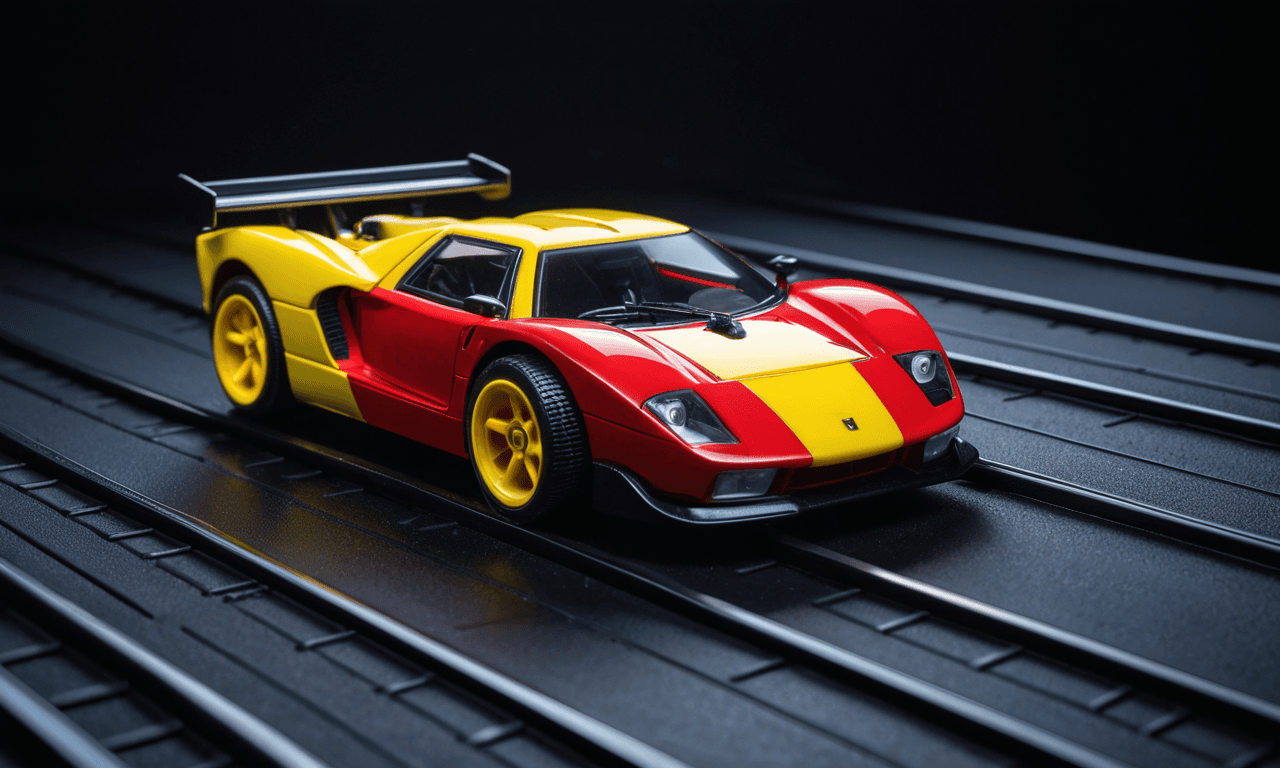
We've all flipped through thousands of castings on the pegs. Some are classics. Some you forget the second you walk away. And a few are just plain weird. The Hot Wheels Bi-Sector Crashers sits right in that last pile. It splits into two separate vehicles. Mattel has tried this gimmick more than once, but rarely with results this bizarre. Here's what makes the Bi-Sector Crashers so strange, from its design to its variations, and why collectors still can't quite figure it out.
What Exactly Is the Bi-Sector Crashers?
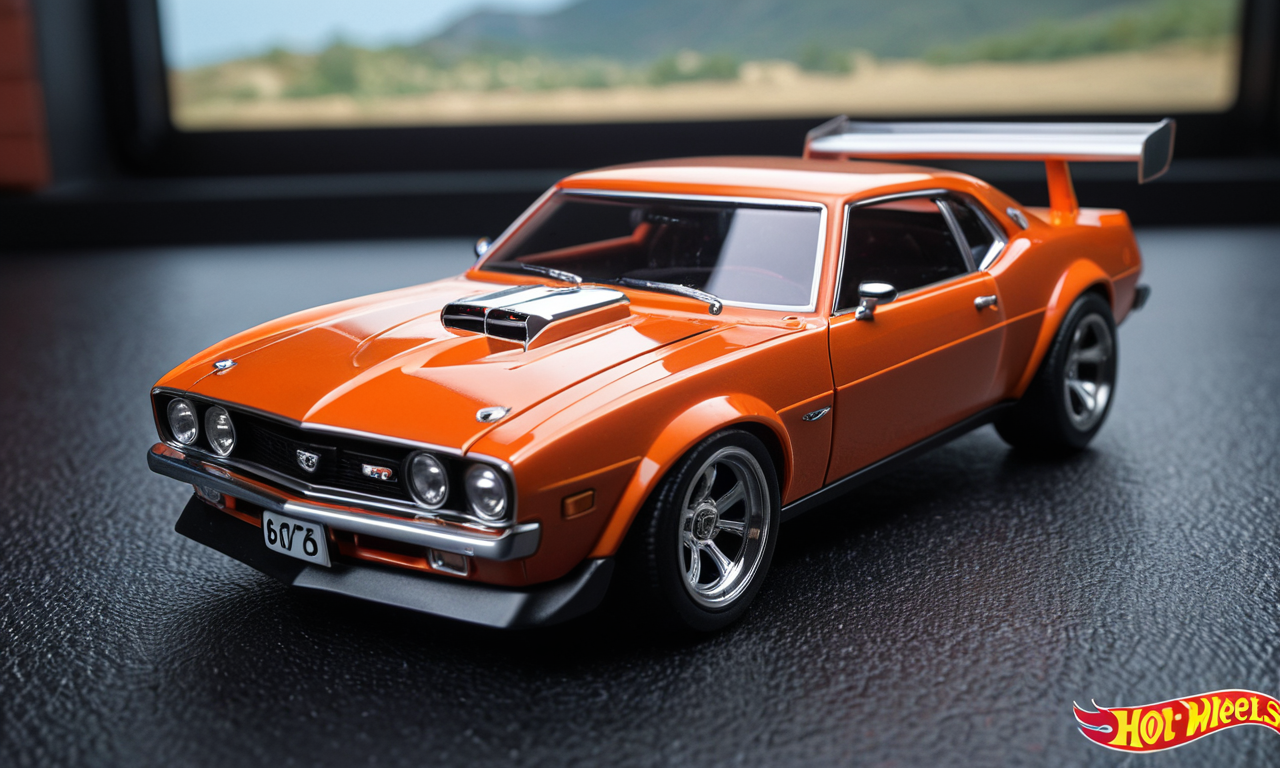
The Bi-Sector Crashers is two vehicles that click together into one car. Joined up, it looks like a futuristic sports car with a seam down the middle. Pulled apart, you get a front half and a rear half. Each one is a complete car with its own wheels and chassis. You can crash them together or split them for different kinds of play.
Hot Wheels has done 2-in-1 cars before. The Splittin' Image from the Redline era is the famous one, but that car splits lengthwise into two halves that can't drive on their own. The Bi-Sector Crashers goes further. Each half actually works as a vehicle. That's a big part of the strangeness. It isn't just a visual trick. It's a working transformation.
The Design: A Head-Scratching Exercise in Engineering
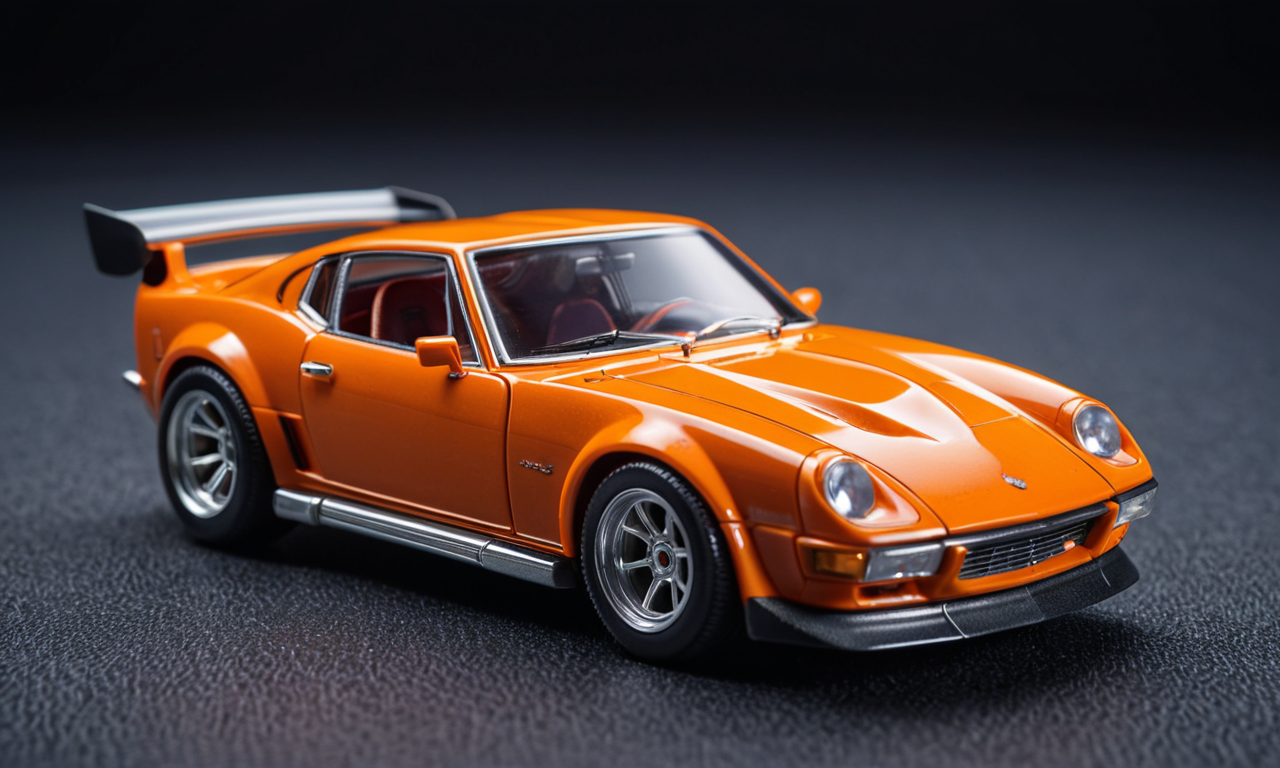
Design-wise, the Bi-Sector Crashers is a pile of compromises. For each half to work alone, the proportions had to suffer. The front half has a long nose and a tiny cabin. The rear half has a stubby front and a wide back. Connected, it looks like a proper futuristic machine. But the seams are obvious. You can see exactly where the halves meet, and the connection point is a chunky mechanism that cuts right through the bodylines.
The Connection Mechanism
The halves connect with a tab-and-slot system. A tab on the front half slides into a slot on the rear. It's a friction fit, so over time it wears out and the car gets loose when connected. Collectors who actually played with theirs complain about this a lot. The mechanism is simple, but it isn't refined. It works. It just doesn't feel built to last.
Wheels and Stance
Each half has its own wheels, so the combined car has 8 wheels total. Yes, 8. When connected, it sits on all of them, which gives it a wide, low stance. But since the halves are independent, the wheels don't always line up. The front might sit at a slightly different height than the rear, so the whole thing looks lopsided. Small detail. Adds to the oddness.
The wheels are standard Hot Wheels fare, usually plastic except on premium versions. The Bi-Sector Crashers has shown up in both mainline and premium lines, so wheel types vary. Early releases used basic plastic wheels. Later premium versions might have Real Riders. Don't expect consistent specs across every release, though. Mattel isn't always clear about wheel types.
The History and Variations
The Bi-Sector Crashers showed up in the 2010s, but pinning down the exact year is tricky. It has appeared in several series, including mainline and special editions. The casting has seen a handful of color and wheel variations, some rarer than others. Because it's a gimmick car, Mattel doesn't always prioritize it, so releases come and go.
Mainline Releases
Mainline versions are the most common. They usually have a plastic body and plastic wheels, in a range of colors. Some are solid colors. Others have graphics. Because the car is two pieces, the paint can mismatch if the halves come from different production runs. Collectors either love that quirk or hate it. It's not unusual to find one with slightly different shades on each half, especially if it was assembled from parts.
Premium and Special Editions
There have been premium releases with metal bases and Real Riders, but they're harder to find. Collectors who like extra detail go after these. Still, the casting is so niche that even premium versions don't fetch high prices. They're a curiosity, not a must-have.
One variation worth noting is the connector color. Some releases use a contrasting color for the tab and slot, which makes the split stand out. Others paint it to blend in. It's a small thing, but variation hunters care about it.
Why Collectors Find It So Strange
The Bi-Sector Crashers is strange for a few reasons. First, it's a car that isn't really a car. It's two cars pretending to be one. That alone is odd. Second, the execution is flawed. The seams, the mismatched paint, the loose connection, all of it makes the car feel like a compromise. Third, it doesn't fit neatly into any category. It's not a fantasy car in the usual sense, and it's not a licensed model. It's just weird.
Completists might pick it up, but it's rarely a centerpiece. It's the kind of car that ends up in a flea market bin or a trade pile. And for that same reason, it has a cult following. Some collectors like it precisely because it's odd. It starts conversations.
Tip: If you find a Bi-Sector Crashers at a show, check that both halves are there and the connector isn't broken. Plenty of loose examples are missing a half or have a cracked tab.
Is It Worth Collecting?
Whether it's worth collecting depends on what you're after. Completists might want it for the shelf. Value hunters can skip it. It's not a high-dollar piece. Most versions are affordable, and even carded examples won't break the bank. But if you like oddities and conversation pieces, it's a fun one to own.
On the preservation side, carded examples in perfect shape are getting harder to find. The card corners and blister seals often take damage because the car is bulky and doesn't fit standard protectors well. If you spot a mint carded one, grab it.
Our price history shows values holding steady, with no major spikes. That's normal for gimmick castings. They have niche appeal but don't pull big money.
FAQ
What year was the Bi-Sector Crashers first released?
The exact first release year is murky. It showed up in the early 2010s, but Mattel doesn't always document these things clearly. The casting has been released several times since.
Are both halves of the Bi-Sector Crashers always the same color?
Not always. The halves are produced separately, so slight color variations happen. Some releases intentionally use contrasting colors. Others are meant to match but can differ because of production differences.
How many wheels does the combined car have?
The combined car has 8 wheels, 4 on each half. That gives it a unique stance and is part of why it's so strange.