The All Hot Wheels Car Search Guide: How to Identify Any Hot Wheels Casting From a Single Photo
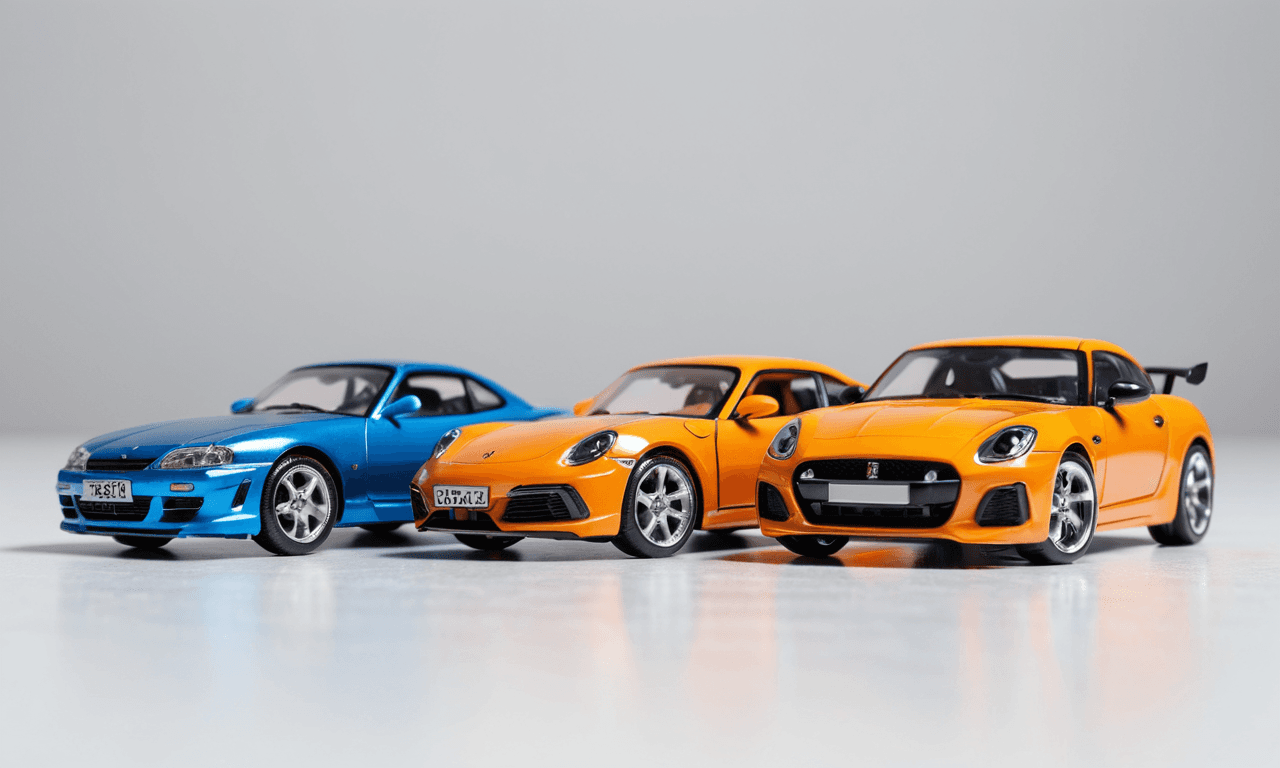
Every collector has that photo. A blurry phone shot from a flea market table. One car sitting alone on a kitchen counter. Or a screenshot from a friend who dug something weird out of a bin. No card, no base shot, just one angle and one question: what am I looking at? I have spent 20 plus years hunting pegs and sorting trade boxes, and most castings can be narrowed down fast if you read the photo in the right order. This guide walks through that order, from the first 3 seconds of looking to the small details that separate a common release from a hard to find variation.
Start With the Silhouette, Not the Details
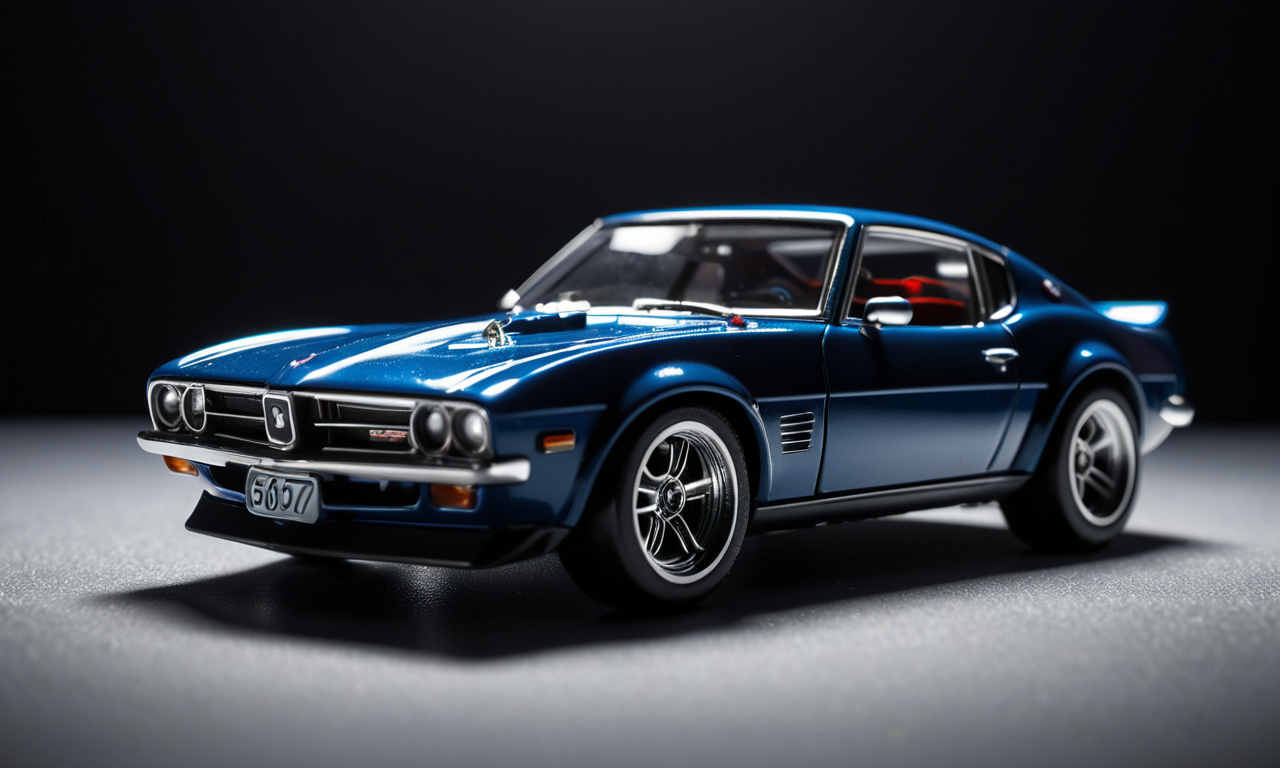
New collectors zoom straight into the paint and the graphics. That is backwards. Hot Wheels has made thousands of castings since 1968, and body shape is the fastest filter you have. Before you worry about color or decals, figure out what the car actually is: a muscle car, a European sports car, a truck, a fantasy design, a licensed movie car, or a track set staple.
Look at 4 things in the silhouette. The roofline, the hood length, the rear deck, and the stance. A long hood with a short rear deck points toward classic American muscle. A cab forward wedge shape usually means a modern supercar or a fantasy casting built for speed. Open bed or flat rear? You are in truck territory, and that alone knocks out a huge chunk of the catalog.
Proportions matter more than you think. Hot Wheels castings are 1/64 scale, but they are not always faithful. Plenty of fantasy designs are stretched or squashed on purpose to fit the track and the blister. If the photo shows a car that looks almost right but slightly off, that is a strong signal it is an unlicensed Hot Wheels original design and not a real world model.
Tip: cover the paint with your thumb, literally or in your head. If you cannot name the car shape in 5 seconds, the paint is distracting you. Back up.
Read the Wheels, They Date the Car
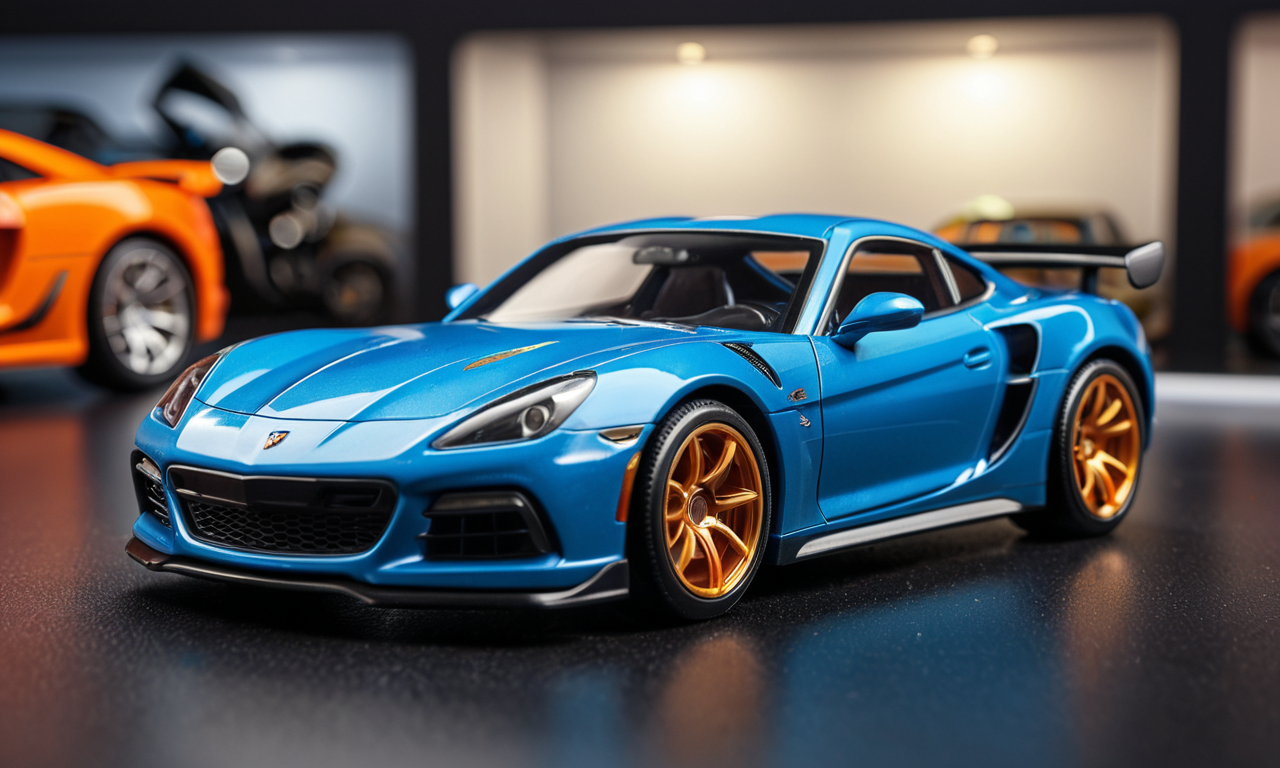
Wheel style is one of the most reliable clues in a single photo, because Hot Wheels wheel types changed in eras you can recognize. You do not need a perfect close up. Just enough detail to see the shape and the finish.
- Basic 5 spoke plastic wheels: extremely common on mainline releases, seen on countless castings from the 1990s forward.
Real Riders: rubber tires on a separate wheel, usually with a detailed hub. These show up on premium lines, so they are a quick way to know you are looking at a higher tier release and not a basic mainline.
Chrome or metal looking hubs: often a sign of a premium or special release. Some mainlines use chrome style plastic too, so treat it as a hint, not proof.
Large rear wheels with small fronts: classic Hot Wheels hot rod and dragster styling, common on fantasy and muscle castings built for the orange track.
One honest warning. Wheel swaps are common in the collector world. A car with Real Riders in a photo may have started life as a basic mainline. If the wheels look too clean for the paint, or the stance looks slightly wrong, suspect a swap before you assume it is a rare premium release.
Use Tampos and Graphics as a Fingerprint
Tampos are the printed graphics on the body. For a specific release, they are about as close as Hot Wheels gets to a fingerprint, because the same casting gets different tampo designs across the years. In a photo, look at logo placement, stripe direction, and whether the graphics wrap over the fender or stop short of it.
Sponsor logos, racing numbers, and flames all help. A number on the door can point to a specific themed series. Flames that start at the front wheel and run to the rear are a pattern you will see on a lot of releases. A plain body with no tampos at all is information too. Plain releases exist in some lines and some multipacks, and that narrows your search instead of widening it.
Check the windows as well. Tinted glass, blacked out windows, or a visible interior color can separate releases of the same casting. A casting that shows up in red with clear windows one year may come back in blue with smoked windows a few years later. That difference is often the whole reason 2 cars look identical at a glance but sell for very different prices.
Color Is a Clue, Not a Verdict
Paint color helps, but it lies more than any other feature. Lighting shifts color in photos, and Hot Wheels has reused near identical shades for years. Use color to sort your candidates, then confirm with something harder. If the car is metalflake or has a deep metallic finish, note that. Spectraflame on original Redline era cars is a completely different animal from modern metalflake, and the two should never be confused. Spectraflame is that translucent, polished look from the late 1960s and early 1970s, and it photographs with a glow modern paint does not have.
The Base Is the Answer, When You Can See It
If the photo shows the underside, you have won. The base of a Hot Wheels car carries the casting name, the copyright year, the country of manufacture, and often a code. That code is the most useful piece of text on the whole car.
Base codes usually show up as a letter and digits, and they tell you roughly when the car was produced, which helps you match it to a release year and series. Collectors generally agree these codes track production batches, not exact release dates, so treat them as a range and not a calendar. Read the copyright year carefully too. That year is when the casting was designed or trademarked, not when your specific car was built. A casting from 1998 can still be produced in 2026.
Country of manufacture matters as well. Malaysia and Thailand are the common modern origins, and older cars can show other countries. That stamp, plus the base code, can eliminate most wrong guesses in seconds.
No base shot? Ask the person for one. It is the most valuable extra photo you can get, more useful than 5 more angles of the roof.
Packaging Clues in the Background
Sometimes the photo is really a photo of a car in a blister, and the packaging does half the work for you. Look at the card art, the series name printed near the bottom, the collector number, and the color of the card. Card corners and blister seals matter too. A sharp corner and an intact seal tell you the car is probably unopened, which means the card text is trustworthy. A lifting seal or a taped blister means the car may have been swapped, so identify the casting from the car itself, not the card.
Case codes on the box or card back can help too if they are visible, since they tie a car to a specific assortment. That is a deeper level of identification, but it is worth knowing the info exists when a photo happens to catch it.
Build a Repeatable Search Workflow
Here is the order I actually use, and it works on almost any single photo.
- Step 1: name the body type and era from the silhouette. Muscle, sports, truck, fantasy, or movie car.
Step 2: note the wheel type and finish to place the car in a product tier.
Step 3: describe the tampos in plain words. Colors, placement, logos, numbers.
Step 4: check paint finish, glass tint, and interior color.
Step 5: if a base is visible, read the casting name, copyright year, country, and code.
Step 6: compare candidates in our catalog and use our checklist to confirm the exact release.
The trick is to write the description down before you search. Collectors who search from memory end up with 40 tabs and no answer. One written line does the job: blue metalflake, black windows, white stripe over the roof, 5 spoke wheels, Malaysia base. That gets you to the right casting fast.
Tip: stuck between 2 releases of the same casting? Look for the smallest difference. Wheel color, window tint, or a tampo that stops 2 millimeters short usually settles it.
Common Traps That Fool Even Experienced Collectors
Variations are real, and they are why identification is not always a clean yes or no. Paint shade differences, wheel variations, and base variations all exist within the same release. If your photo does not match a known release exactly, do not assume the photo is wrong. It may be a documented variation, or it may be a repaint or a custom.
Customs are the other trap. A repainted car with fresh detail work can look like a release that never existed. Look for brush marks, uneven panel lines, or paint in places the factory would never spray. If the finish is nicer than the casting deserves, be suspicious.
Last thing: do not trust a single photo for value. Identification and valuation are different jobs. Identify the casting first, then check our price history and ask the community here whether that release is one of the harder ones to find. A common casting in an unusual color can be worth more than a rare casting in a common color, and only a release level match tells you which one you have.
FAQ
Can I identify a Hot Wheels car from just the top of the roof? Sometimes. Silhouette and tampos can get you to a short list of castings, but confirming the exact release usually needs the wheels, the glass, or the base. Treat a roof only photo as a starting point.
Does the copyright year on the base tell me what year my car was made? No. It marks when the casting was designed or trademarked. The same casting can be produced for many years, so use the base code and the release details to estimate production timing instead.
What is the fastest way to confirm a casting I think I have found? Get a base photo if you can. Read the name, country, and code, then match the wheel type and tampos against our catalog. That combination resolves almost every mystery car, and it keeps you from buying the wrong release twice.