Hot Wheels Cars Pictures and Models: How to Identify Every Casting in Your Collection

If you have been collecting Hot Wheels for a while, you know the feeling. You are staring at a bin of loose cars or a stack of carded pieces, and you need to figure out exactly what you have. Maybe it is a mystery casting from a flea market. Maybe it is a variation you think might be rare. Or maybe you just want to catalog your collection the right way. Whatever the reason, identifying Hot Wheels castings is a skill every collector picks up over time. And like any skill, it starts with knowing where to look.
This guide walks through how to identify Hot Wheels cars using pictures and models. We will cover the tools you need, the details to check, and the mistakes to avoid. By the end, you will have a solid framework for figuring out any casting in your collection.
Why Identifying Castings Matters
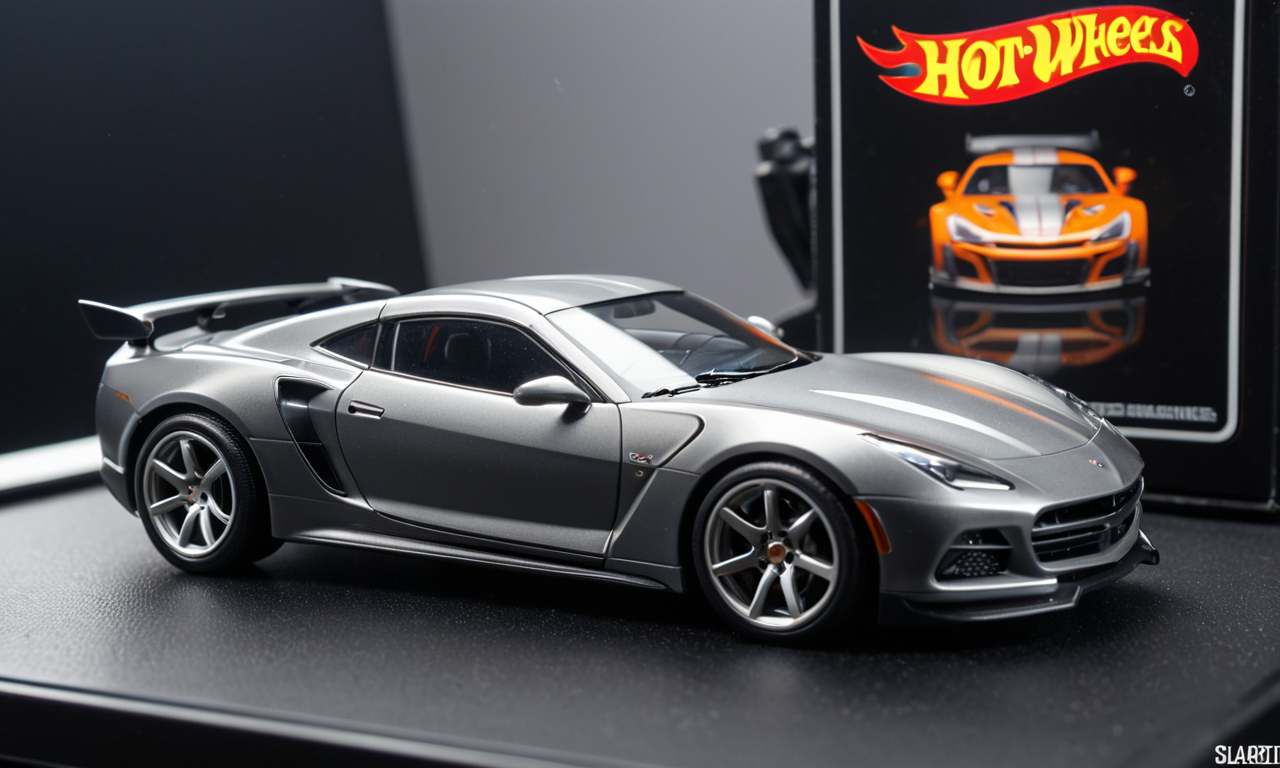
Hot Wheels has made thousands of different castings since 1968. Some are iconic, like the Twin Mill or the Bone Shaker. Others are obscure, released in a single color and never seen again. Knowing which casting you have affects value, trade potential, and how you organize your display. It also helps you spot variations, which can be worth a lot more than the standard release.
Take a mainline release. It might be common. But the same casting in a different color or with a different wheel type could be a Treasure Hunt or even a Super Treasure Hunt. Without proper identification, you might overlook a valuable piece. Or overpay for a common one.
Tools of the Trade
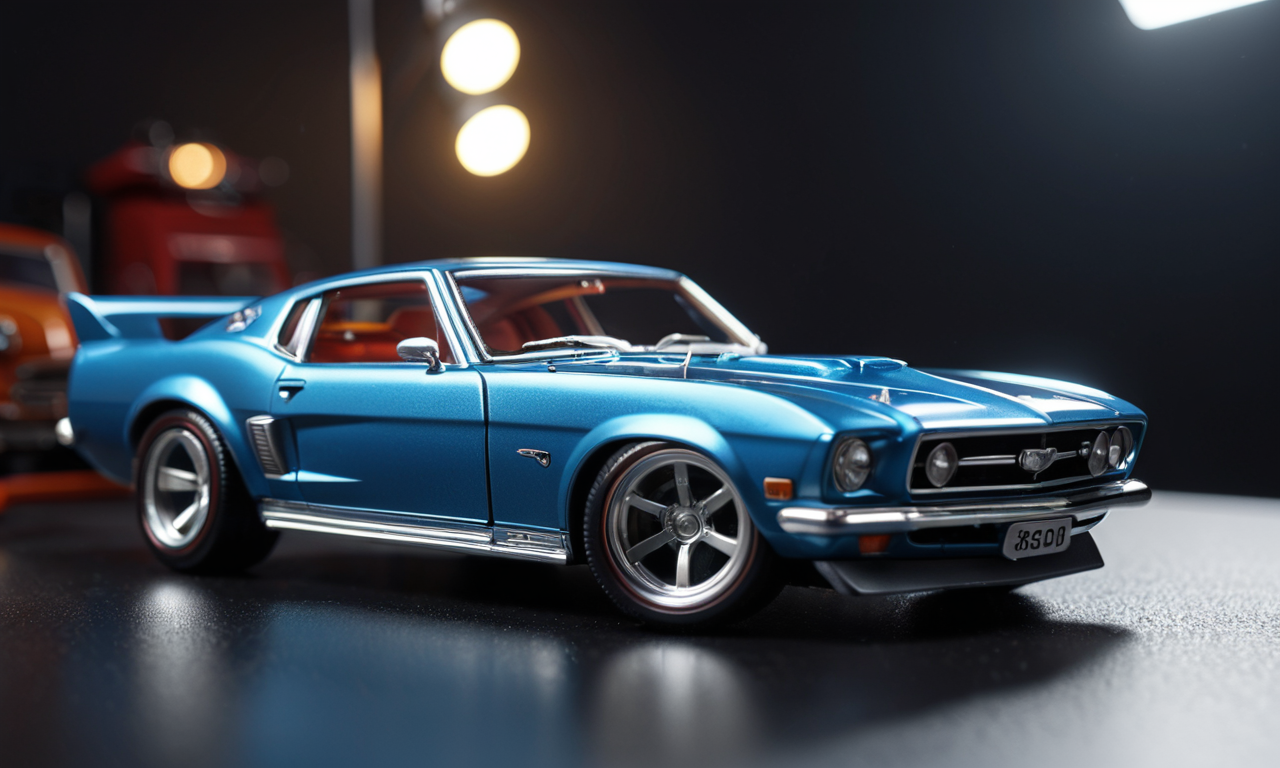
Before we get into the identification process, let us talk tools. You do not need much. But the right resources make the job easier.
-
A magnifying glass or jeweler's loupe: Essential for reading tiny base codes and inspecting details.
-
Good lighting: A bright desk lamp or natural light helps you see colors and textures accurately.
-
A camera or smartphone: For taking pictures of your cars to compare with reference images.
-
Our catalog: The All Hot Wheels catalog is a great starting point for matching pictures and model details.
-
Notebook or spreadsheet: To record your findings and keep track of your collection.
With those on hand, you are ready to start.
Step-by-Step Casting Identification
Identifying a Hot Wheels casting is a process of elimination and comparison. Follow these steps to narrow down what you have.
1. Examine the Base
The base of the car is your best friend. Flip the car over and look for markings. Most Hot Wheels have the model name, copyright year, and country of manufacture stamped or raised on the base. You will also find a base code, a series of letters and numbers that helps date the car. For example, a base code like 'G28' means the car was produced in 2018 (the letter is the year, the number is the week). One catch: base codes can be tricky. They show when the base was made, not necessarily when the car was assembled or released.
Also look for the Hot Wheels logo and any other text, such as 'Mattel' or 'Made in'. The font and placement change by era, which helps narrow down the production period.
2. Study the Body and Details
The shape of the car, the casting details, and the paint job are key identifiers. Take note of these:
-
Body style: Is it a muscle car, a truck, a fantasy design? The overall silhouette can quickly narrow down the options.
-
Paint color and finish: Is it metallic, matte, or Spectraflame? Spectraflame is the translucent metallic paint used on Redline era cars (1968-1977) and later on some special editions. It has a distinctive shine.
-
Wheels: Wheel type is a major identifier. Real Riders have rubber tires, while basic wheels are plastic. The wheel design (e.g., 5-spoke, lace, steelie) can also indicate the era and series.
-
Decals and tampos: The graphics on the car can help identify the specific release. For example, a racing stripe or sponsor logo might be unique to a certain series.
3. Check the Packaging (If Carded)
If your car is still in the blister pack, the packaging tells you a lot. The card art, the series name, and the collector number (if present) are all clues. Look at the back of the card for a checklist or a diagram of the other cars in the series. Then examine the blister seal. Original seals are smooth and even. Resealed packages often show glue marks or wrinkles. Card corners affect value too, so handle with care.
4. Use Reference Pictures
Once you have the basic details, compare them with reference pictures. Our catalog has a large database of Hot Wheels models with images from multiple angles. Search by model name, year, or series. Pay attention to the small stuff. A slight difference in the shape of a hood scoop or the placement of a tampo can separate one release from another.
When comparing, try to find pictures of the car both loose and carded. Sometimes the packaging includes exclusive details, like a special sticker or a different wheel type.
5. Consult Collector Resources
Still stuck? Turn to the collector community. Forums and social media groups are full of knowledgeable collectors who can help. But always verify information from multiple sources. Our community here at All Hot Wheels is a good place to start, and our price history can give you an idea of value once you have identified the casting.
Pro tip: When posting pictures for identification, include clear shots of the base, the front, the back, and any unique details. Natural light works best.
Common Pitfalls and How to Avoid Them
Even experienced collectors make mistakes. Here are a few common pitfalls to watch out for.
Assuming All Variations Are Documented
Hot Wheels produces cars in large batches, and small variations happen. A different shade of paint or a slightly different wheel can be a legitimate variation that is not widely known. Do not dismiss a car just because it does not match the pictures exactly. Research it thoroughly.
Overlooking Base Code Details
Base codes can be confusing. A car with a base code from 2019 might be released in 2020. Some bases are also reused across multiple castings. Always cross-reference with other features.
Ignoring Condition
Condition matters for identification and value. A car with a bent axle or chipped paint is harder to identify, and it is worth less. Always note condition when cataloging.
Building Your Identification Skills
Like any collector skill, identifying castings takes practice. Start with cars you know and work up to more obscure pieces. Handle your cars regularly, study the details, and compare them with pictures. Over time, you will develop an eye for the subtle differences that set one release apart from another.
And remember, the hunt is part of the fun. Whether you are digging through a bin at a toy show or scrolling through online listings, spotting a rare casting never gets old.
Frequently Asked Questions
How can I tell if a Hot Wheels car is a Treasure Hunt?
Treasure Hunts are identified by a special logo, usually a flame, on the car and often on the packaging. They also have a green stripe on the card. Super Treasure Hunts have Real Riders wheels and Spectraflame paint. Check our catalog for specific images.
What does the base code tell me?
The base code indicates the production week and year of the base. The first letter corresponds to the year (e.g., G for 2018), and the number is the week. It helps date the car but does not guarantee the release year.
Are there fake Hot Wheels cars?
Yes, counterfeit Hot Wheels exist, especially for rare castings. Look for poor paint quality, incorrect logos, and flimsy packaging. Buy from reputable sources and verify details with our catalog.