The Real Story Behind the Hot Wheels Deora 2 and Why It Still Matters
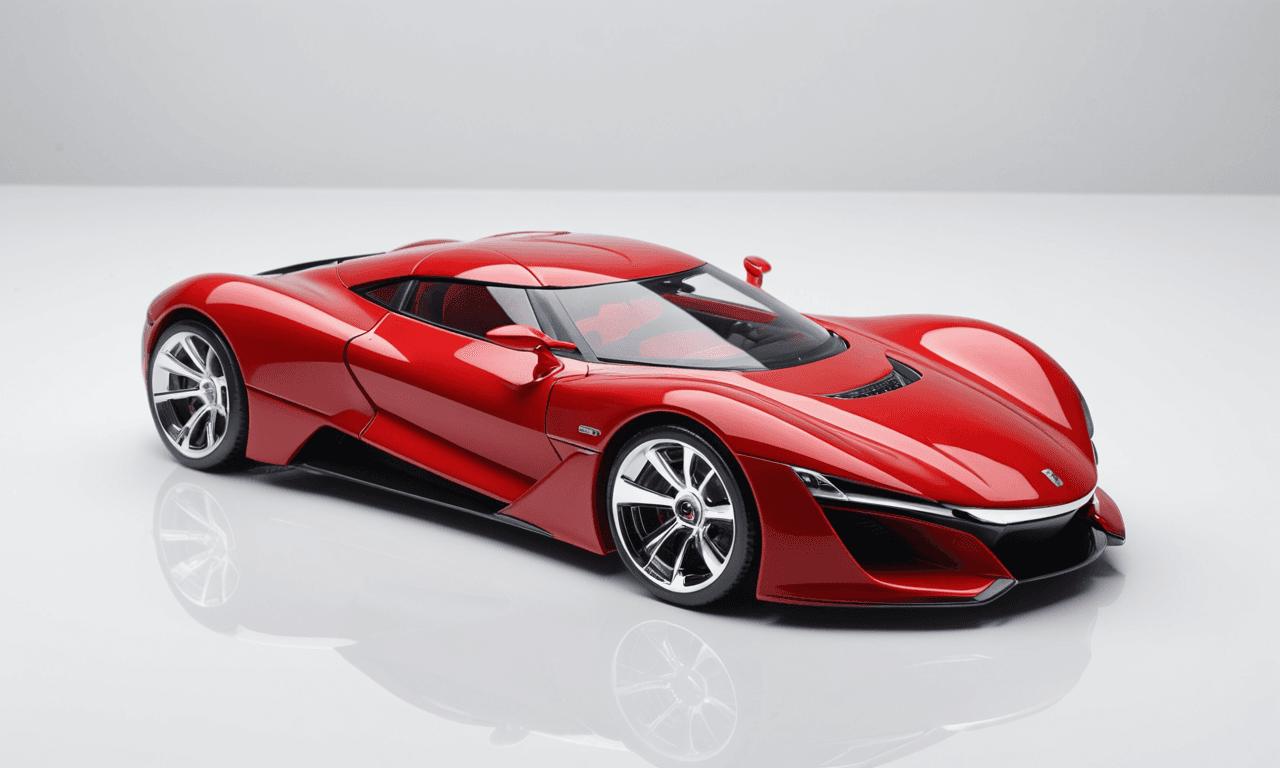
Spend any time hunting Hot Wheels and you will run into the Deora 2. It shows up everywhere, from mainline pegs to premium sets, and somehow it sticks with you. But this is not just another fantasy car. It has a real story, one that ties the early days of Hot Wheels to today's collector scene. After 20 plus years of collecting, I can tell you that knowing that story makes the Deora 2 far more interesting than its low price tag suggests.
So let us dig into where the Deora 2 came from, what makes it tick, and why it still matters to collectors in 2026.
From Deora to Deora 2: A Legacy Reimagined
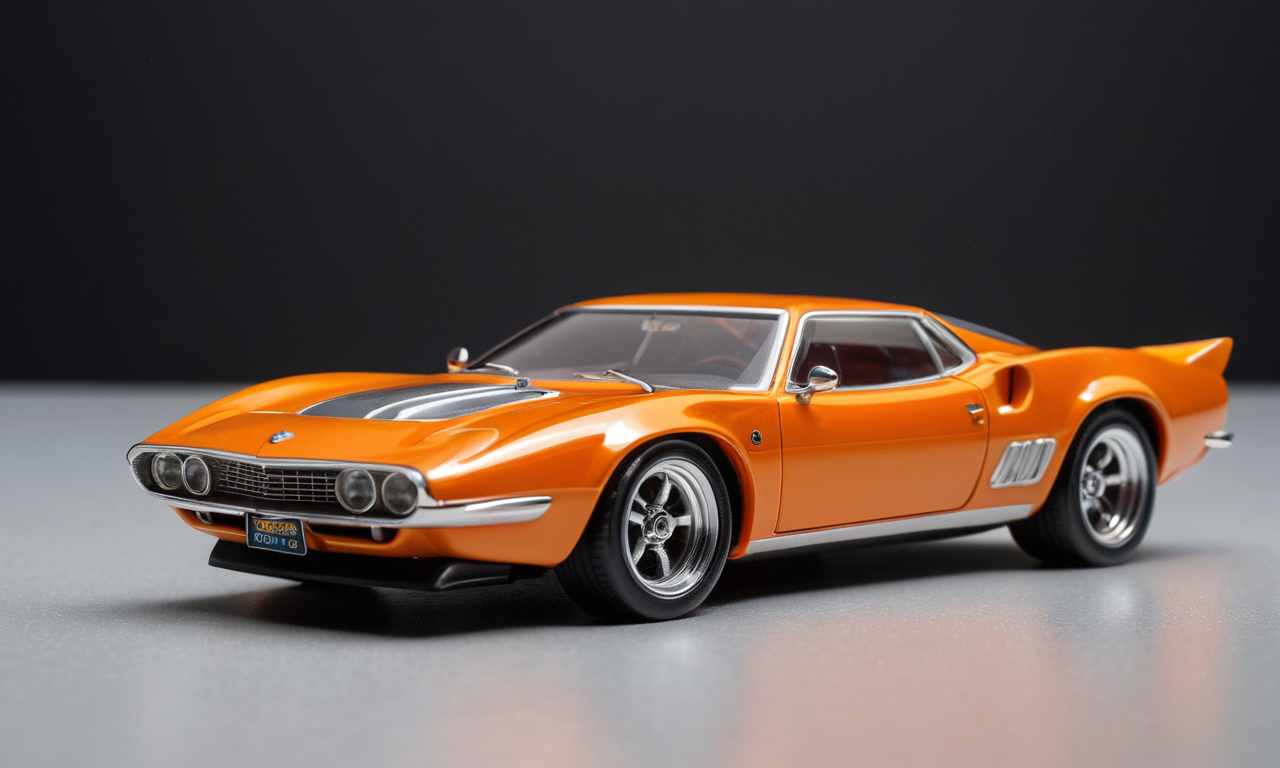
The original Deora is a legend. Harry Bentley Bradley designed it, and it was based on a custom Dodge A100 pickup built by the Alexander brothers. It was one of the original 16 Hot Wheels released in 1968. The wedge-shaped body and exposed engine made it an instant favorite. The Deora came to stand for the brand's early days, and original examples in Spectraflame colors are among the most sought-after Redlines.
Now jump to the mid-1990s. Hot Wheels wanted to honor its history and win over a new generation at the same time. The Deora 2 came out of that push. Nathan Proch designed it as a modern take on the classic Deora. It kept the mid-engine layout and the front storage compartment, but added a contemporary hot rod feel. It first appeared in 1998 in the basic line, and it quickly became a staple.
The Deora 2 is not a straight copy of the original. It has its own personality. The proportions are different, the details are updated, and it was built to work with modern manufacturing. But the DNA is clearly there. That link to the past is a big part of why people love it.
Design Details That Make the Deora 2 Stand Out
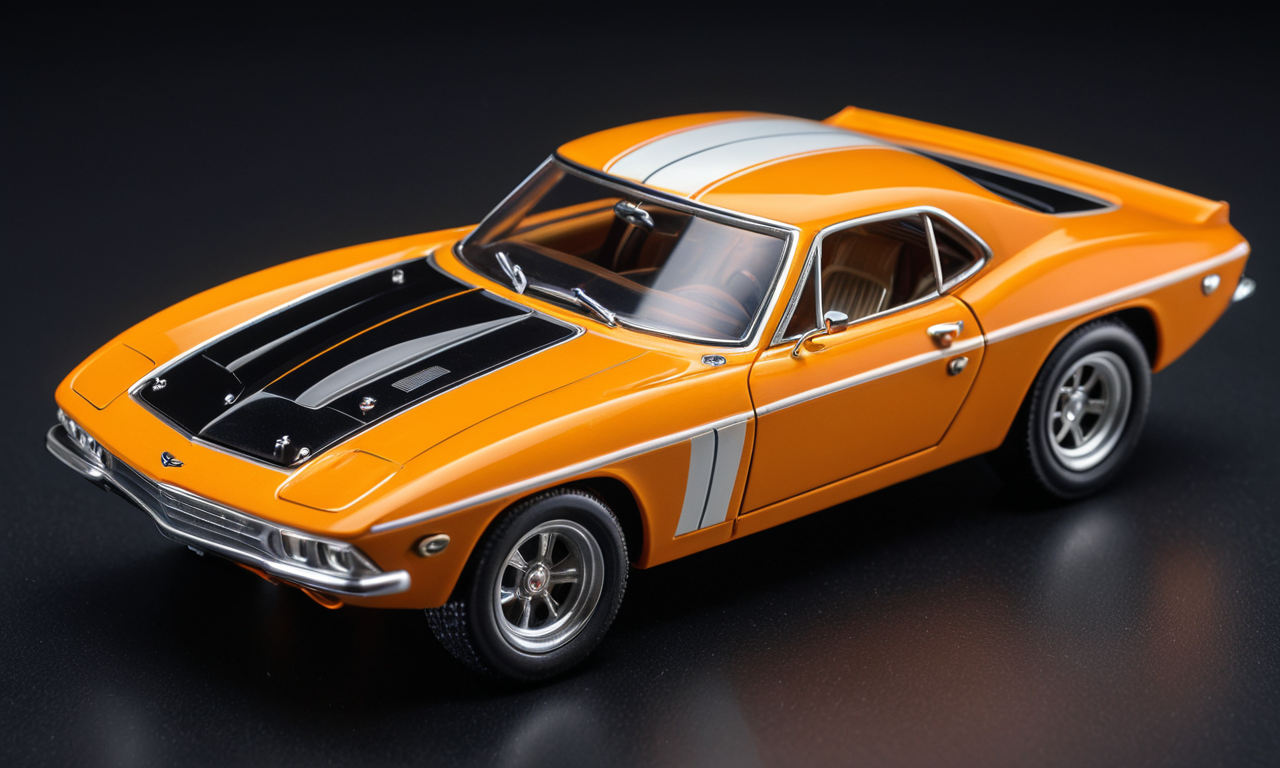
The Deora 2 is low, wide, and aggressive. It has a wedge front, a raked windshield, and a rear end that houses a detailed engine. The front trunk area is a signature feature, just like on the original. For a mainline car, it has a lot of character.
Collectors notice how the Deora 2 sits. It rides low, with the wheels tucked under the body. That stance gives it a purposeful look. The body also carries plenty of surface detail, with panel lines and vents molded in. It is not a simple design, and you can see that in the way it takes paint.
Over the years, the Deora 2 has come out in many different versions. Some have metal bases, some have plastic. Some have Real Riders, some have basic wheels. The casting has shown up in mainline, premium, and collector series. That variety is part of the fun.
Wheels and Bases
The wheel type can vary a lot. Early mainline versions often had basic plastic wheels, while later premium releases got Real Riders. The base material changed too. Some versions have a plastic base, others have metal. These details matter if you are chasing specific variations.
Paint and Graphics
The Deora 2 has worn a lot of paint schemes. From simple solid colors to wild graphics, there is a version for almost every taste. Some of the most popular ones mimic the original Spectraflame look in modern paints. The casting takes metallics and pearls well, and those versions tend to stand out on the shelf.
Collecting the Deora 2: What to Look For
If you want to start collecting Deora 2s, you have plenty of options. Mainline versions are easy to find and cheap, which makes them great for casual collectors. But there are also rarer versions that take some work to track down. Here are a few things to keep in mind.
-
Card condition: As with any carded Hot Wheels, the condition of the card and blister matters. A mint card with a clear, dent-free blister will always beat a beat-up one. Look for sharp corners and no creases. Buying online? Ask for detailed photos.
-
Variations: The Deora 2 has several known variations. Wheel types, base materials, and even small changes to the casting can make a difference. Some collectors focus on these, and our catalog is a good place to start if you want to keep track.
-
Exclusives: The Deora 2 has been used for many store exclusives and special promotions. These can be harder to find, especially in good condition. Keep an eye out for a special sticker or a unique card design.
-
Premium releases: The Deora 2 has appeared in premium lines like Hot Wheels Classics and Car Culture. These versions often feature Real Riders and metal bases, and collectors who want a more detailed model snap them up.
Tip: When hunting Deora 2 variations, pay attention to the base. A metal base versus a plastic base is a quick way to spot a rarer version. Check the wheels too. Real Riders on a mainline card are a red flag, but on a premium card they are expected.
Value and Rarity
The Deora 2 is generally not an expensive casting. Most mainline versions are worth a few dollars at most. There are exceptions, though. Some early releases, especially in good condition, can fetch higher prices. Store exclusives and premium versions also tend to hold more value. But do not expect to retire on Deora 2 sales. This casting is about the fun of collecting, not investment.
That said, certain color variations and international releases can be surprisingly hard to find. If you hunt variations, you might end up paying a premium for a particular wheel type or base material. Our price history can give you a sense of what others have paid, but remember that condition and timing play a big role.
Why the Deora 2 Still Matters
So why does the Deora 2 deserve a place in your collection? There are a few reasons.
First, it is a link to Hot Wheels history. The original Deora is one of the most important castings the brand ever made. The Deora 2 carries that forward into the modern era. It reminds you where Hot Wheels came from and how it has evolved.
Second, it is a great casting for customization. The Deora 2 has a lot of potential for repaints and wheel swaps. Many collectors have used it as a base for custom projects. Its smooth surfaces and classic lines make it easy to work with.
Third, it is accessible. You do not need to spend much to add a Deora 2 to your collection. That makes it a great choice for new collectors or anyone collecting on a budget. It is also a common peg warmer, which means you can often find them in stores years after release. That is not a bad thing. It means the Deora 2 is always there, waiting to be discovered by a new generation.
Finally, the Deora 2 is just plain cool. It has a futuristic hot rod vibe that appeals to kids and adults alike. It looks fast even when it is sitting still. And that is what Hot Wheels is all about.
The Deora 2 in the Collector Community
In the collector community, the Deora 2 has a solid following. It does not get the hype of some JDM castings, but it has a dedicated group of fans. You will often see Deora 2 collections at toy shows and swap meets. And because it has been around for over 25 years, there is a lot of history to explore. Collectors here have shared plenty of finds and variations, and it is always fun to see what people turn up.
Frequently Asked Questions
Is the Deora 2 rare? Most Deora 2 releases are common and easy to find. Some early versions, store exclusives, and premium releases can be rarer, though. It depends on the specific version.
What is the most valuable Deora 2? Value varies, but early releases in mint condition and certain premium versions tend to be worth more. Check our price history for current trends.
Should I open my Deora 2? That is a personal choice. Many collectors keep them carded for display and value, but opening them lets you appreciate the details and customize them. If you have a rare version, you might want to keep it carded.