Hot Wheels Katalog and Model List: How to Decode Any Casting's Real History
You've stood in the toy aisle, holding a Hot Wheels car, wondering: is this a first release, a rare variant, or just another mainline? Every collector has been there. The good news is the Hot Wheels Katalog and model list are your secret weapons. They turn guessing into a precise science. In this guide, we'll walk you through how to decode any casting's real history using the tools and knowledge that veteran collectors rely on.
I've been collecting for over 20 years, and I still get a thrill when I find a car I can trace back to its very first release. The key is understanding how Mattel documents its own products. Once you grasp that, you can unlock the story behind every piece of diecast in your collection.
What Is the Hot Wheels Katalog and Why It Matters
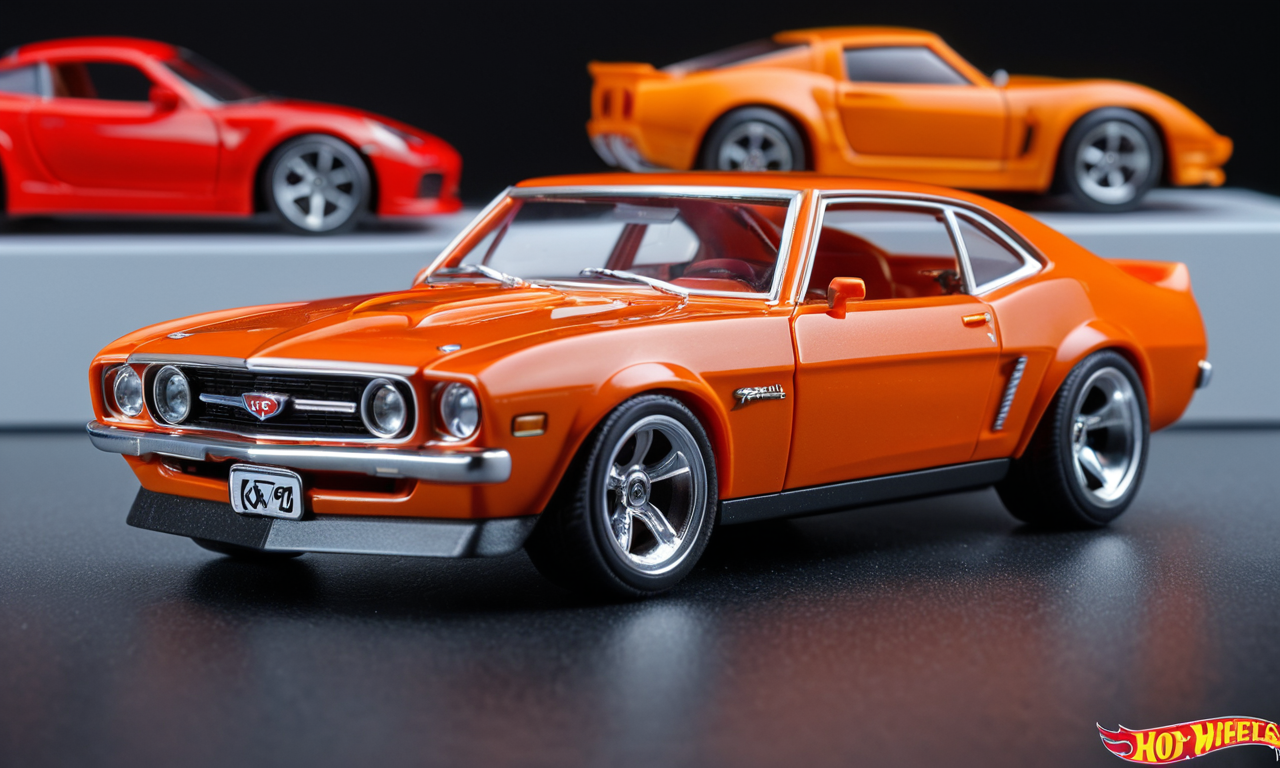
The Hot Wheels Katalog is basically the master list of every casting Mattel has ever produced. It includes the casting name, the year it debuted, the designer, and all the variations released over the years. Think of it as the encyclopedia of Hot Wheels. The model list is a more focused version, often organized by year or series, that helps you track what was available in a given period.
For collectors, the Katalog is invaluable because it gives you a baseline. Without it, you might mistake a common mainline for a rare treasure, or worse, overlook a significant variation. Our catalog here at All Hot Wheels is built on the same principles, giving you a reliable reference for your collection.
But the Katalog isn't just a list of names. It's a roadmap to each casting's history. Cross-reference the casting name with its release years and variations, and you can piece together a complete timeline. That timeline tells you when a car was introduced, how it evolved, and which versions are considered rare.
How to Read a Hot Wheels Model List Like a Pro
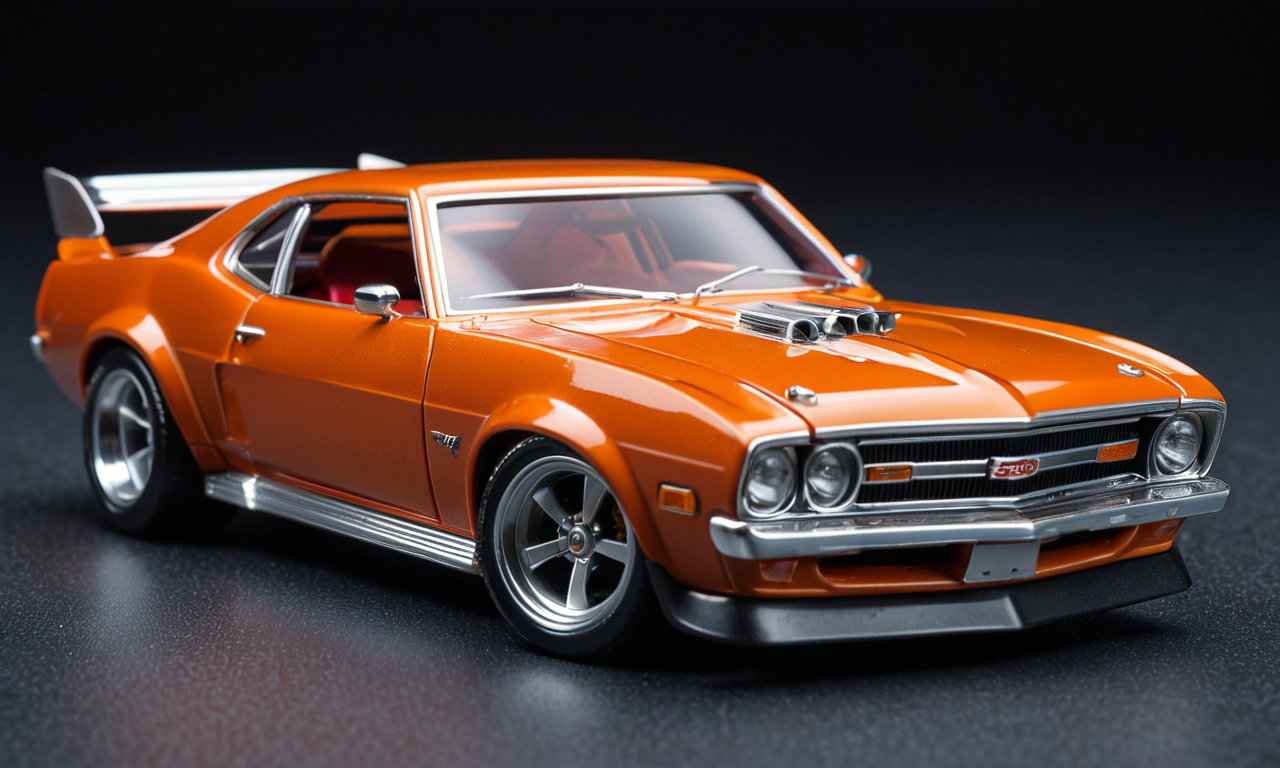
A model list is more than a checklist. It's a treasure map. But you need to know how to read it. Here are the key elements to look for:
- Casting name: The official name Mattel uses. Sometimes it changes over the years, so pay attention to aliases. Year of first release: This is your anchor. It tells you when the casting debuted. Series: Mainline, Premium, Collector Edition, etc. This affects rarity and value. Color and deco: Variations in paint and graphics can create instant collectibles. Wheel type: Real Riders, basic wheels, and other types can indicate a premium release. Base code: The code on the base that reveals production date and factory.
When you look at a model list, start with the casting name. Then find the year of first release. That gives you a starting point. From there, you can trace all subsequent releases. If a casting has been around for decades, you'll see a progression of colors, wheel types, and packaging. Each change is a clue.
Pro tip: Always check the base code. It's the fingerprint of your car. A base code can tell you the exact week and year of production, which is crucial for identifying variations and errors.
Decoding the Casting's History: From Debut to Variations
Every casting has a story. Let's break down how to read that story using the Katalog and model list.
Step 1: Identify the Casting and Its Debut Year
The first step is to identify the casting name. Sounds simple, but some castings have been renamed or updated. For example, the 'Custom Camaro' from 1968 is not the same as later releases with similar names. Once you have the name, find the debut year in the Katalog. That year is your starting point.
The debut year also tells you what era the casting comes from. Early Redline era cars (1968-1977) have different characteristics than later mainlines. Knowing the era helps you understand the technology and design trends of the time.
Step 2: Track the Variations
Variations are the lifeblood of collecting. They can be as obvious as a color change or as subtle as a different wheel type or base material. The model list will often note major variations, but the Katalog goes deeper. It might list production codes or specific packaging changes.
For example, a casting might have been released with two different wheel types in the same year. That's a variation. Or the base might be plastic in one release and metal in another. These details matter. They can mean the difference between a $2 car and a $200 car.
To track variations, examine the car closely. Look at the wheels, the base, the paint, and the tampos. Compare them to the Katalog entries. If something doesn't match, you might have found an error or a rare variant.
Step 3: Use Base Codes to Pinpoint Production
Base codes are the most precise tool in your arsenal. They're stamped or printed on the base of the car and include a letter and a number. The letter indicates the factory, and the number indicates the week of production. For example, a base code of 'A15' would mean the car was produced in the first factory in the 15th week of the year.
Base codes help you date a car precisely. They also help you identify variations that occurred during production. If a casting was produced over several months, early and late production runs might have slight differences. Collectors often seek out these transitional variations.
Keep in mind that base codes aren't always present on older cars. Redline era cars often have patent numbers or other markings instead. The Katalog will tell you what to look for in each era.
Common Pitfalls and How to Avoid Them
Even experienced collectors can stumble. Here are some common mistakes to watch out for:
- Assuming all variations are rare. Some are common and just part of normal production. Rely on the Katalog to know which ones are significant. Ignoring packaging. Card condition, blister seals, and even the type of card can affect value. A mint-in-blister car is often worth more than a loose one. Overlooking international releases. Some castings were produced in different factories for different markets, leading to unique variations. Forgetting to check for errors. Missing tampos, wrong wheels, or other factory mistakes can be valuable, but only if documented.
The best way to avoid these pitfalls is to educate yourself. Use our checklist and price history to see what others are finding and what they're paying. The community here is a great resource for sharing knowledge.
Remember: A car is only rare if the market says so. Always verify with multiple sources, including the Katalog and recent sales data.
Putting It All Together: A Real-World Example
Let's walk through an example to see how this works in practice. Suppose you find a Hot Wheels 'Twin Mill' at a flea market. It looks old, but you're not sure. First, you check the base. The base code reads 'C08'. That tells you it was produced in the third factory in the 8th week of the year. But which year? The copyright date on the base might say 2000, but that's just the copyright, not the production year.
Next, you consult the Katalog. The Twin Mill was first released in 1969, but it's been re-released many times. You look at the design. This one has a plastic base and basic wheels. The Katalog tells you that in 2000, Twin Mill was part of the Mainline series with a plastic base. So your car is likely a 2000 mainline. But wait, the base code 'C08' suggests it was produced in 2000, which matches. However, if the base code was 'C08' and the copyright was 1999, it might be an early production for the 2000 model year.
Now, you check for variations. The Katalog lists that some 2000 Twin Mills had a metal base and others had plastic. Yours has a plastic base. Is that rare? The Katalog indicates that the plastic base was the standard release, while the metal base was a variation found in certain multi-packs. So your car is common. But if it had the metal base, it would be worth more.
This example shows how the Katalog and model list work together. The model list gives you the basic info, and the Katalog provides the details to spot variations.
FAQ
Q: What is the difference between the Hot Wheels Katalog and a model list? A: The Katalog is a comprehensive database of all castings and their variations, while a model list is typically a yearly checklist of releases. The Katalog is more detailed and useful for in-depth research.
Q: How can I tell if my Hot Wheels car is a rare variation? A: Check the base code, wheel type, color, and packaging against the Katalog. Look for documented variations and compare with recent sales data. Our price history can help you gauge rarity.
Q: Are base codes always reliable for dating a car? A: Base codes are generally reliable for modern cars (post-2000), but older cars may not have them. Always cross-reference with the copyright date and casting design.