Hot Wheels Premium Series Explained: What Most Collectors Get Wrong About Every Release
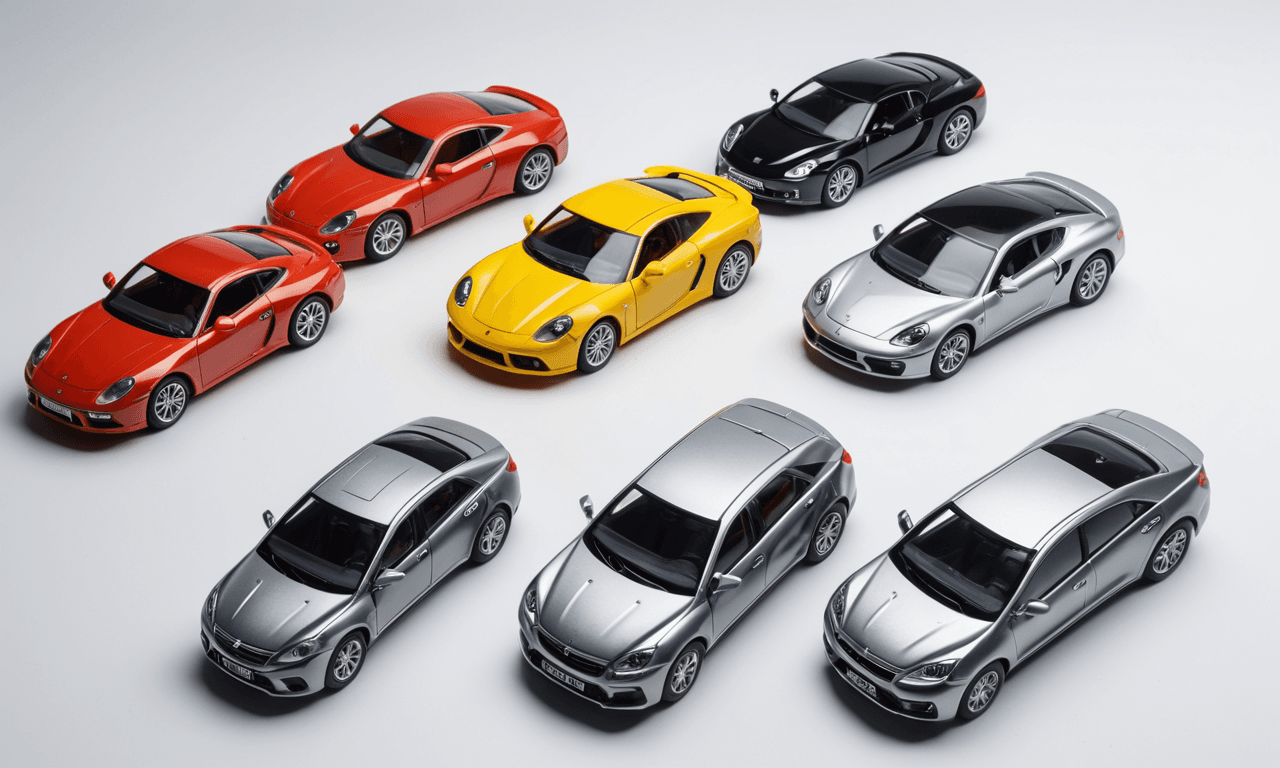
If you have been chasing Hot Wheels for any length of time, you have probably noticed that Premium releases get a lot of attention. And for good reason: they look better, they feel heavier, and they often feature details that mainline cars just cannot match. But after 20 plus years of hunting pegs, digging through cases, and talking with collectors at every level, I can tell you that most people still get Premium wrong. Not in a catastrophic way, but in the small, persistent ways that cost money, cost trades, and cost the respect of fellow collectors. So let us set the record straight.
Premium Is Not a Single Thing
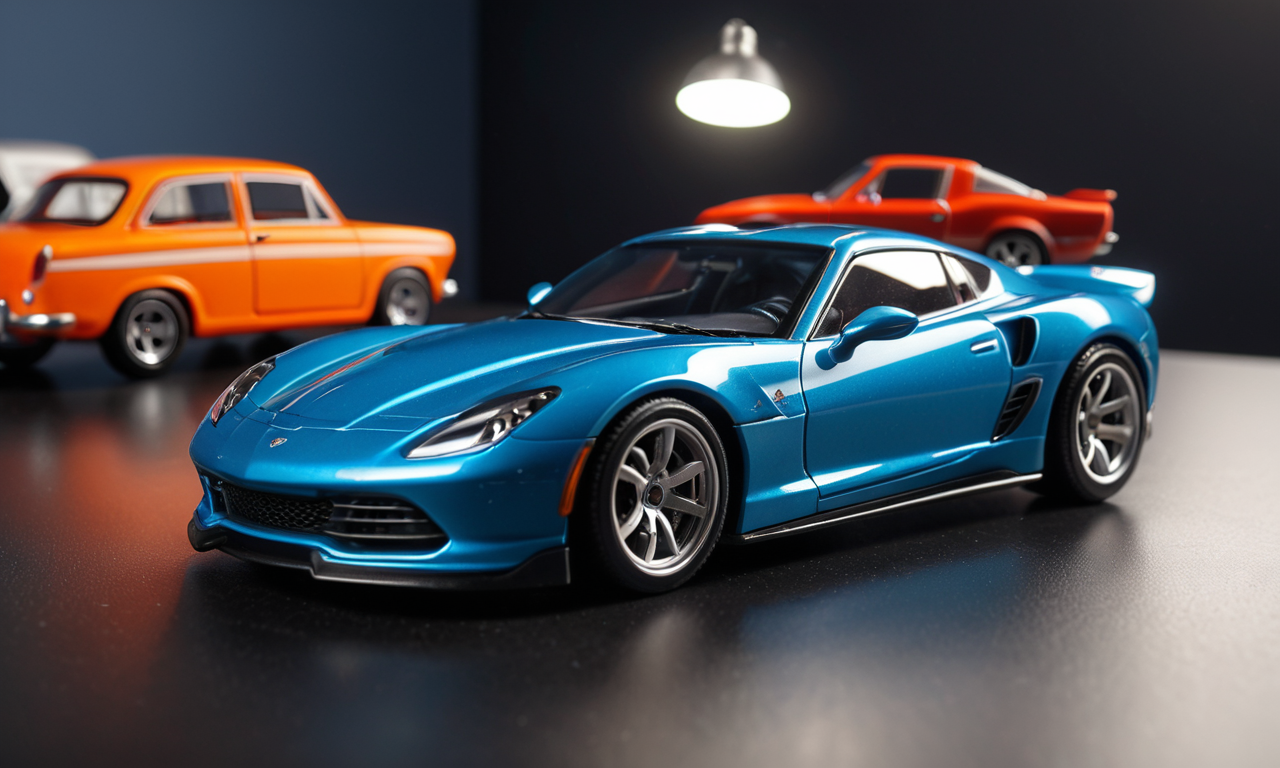
The first and biggest mistake is treating Premium as one uniform series. It is not. Premium is an umbrella term that covers several different lines: Car Culture, Pop Culture, Fast & Furious, Boulevard, and various theme sets. Each line has its own release cadence, its own mix of castings, and its own quirks. Car Culture tends to focus on realistic, often European or Japanese classics, while Pop Culture leans into entertainment licenses. Fast & Furious is self explanatory. Boulevard is a more recent addition that mixes castings from different themes.
Why does this matter? Because collectors often assume that a Premium car from one line will have the same production numbers, the same distribution, and the same aftermarket behavior as another. That is simply not true. A Car Culture release might be plentiful, while a Pop Culture release of the same casting could be much harder to find. If you are not paying attention to the specific line, you are going to misjudge supply and demand every time.
Know Your Lines
-
Car Culture: realistic themes, often with Real Riders and metal/metal construction. Released in sets of 5.
-
Pop Culture: entertainment tie ins, often with unique deco and packaging. Sets vary in size.
-
Fast & Furious: movie inspired castings, usually in sets of 5. Some releases are exclusive to certain retailers.
-
Boulevard: a mix of castings, often with premium details. Distribution can be spotty.
The takeaway: before you assume a Premium car is rare or common, check which line it belongs to. Our catalog breaks down each release by line, which makes it easier to see the bigger picture.
The Case Code Confusion
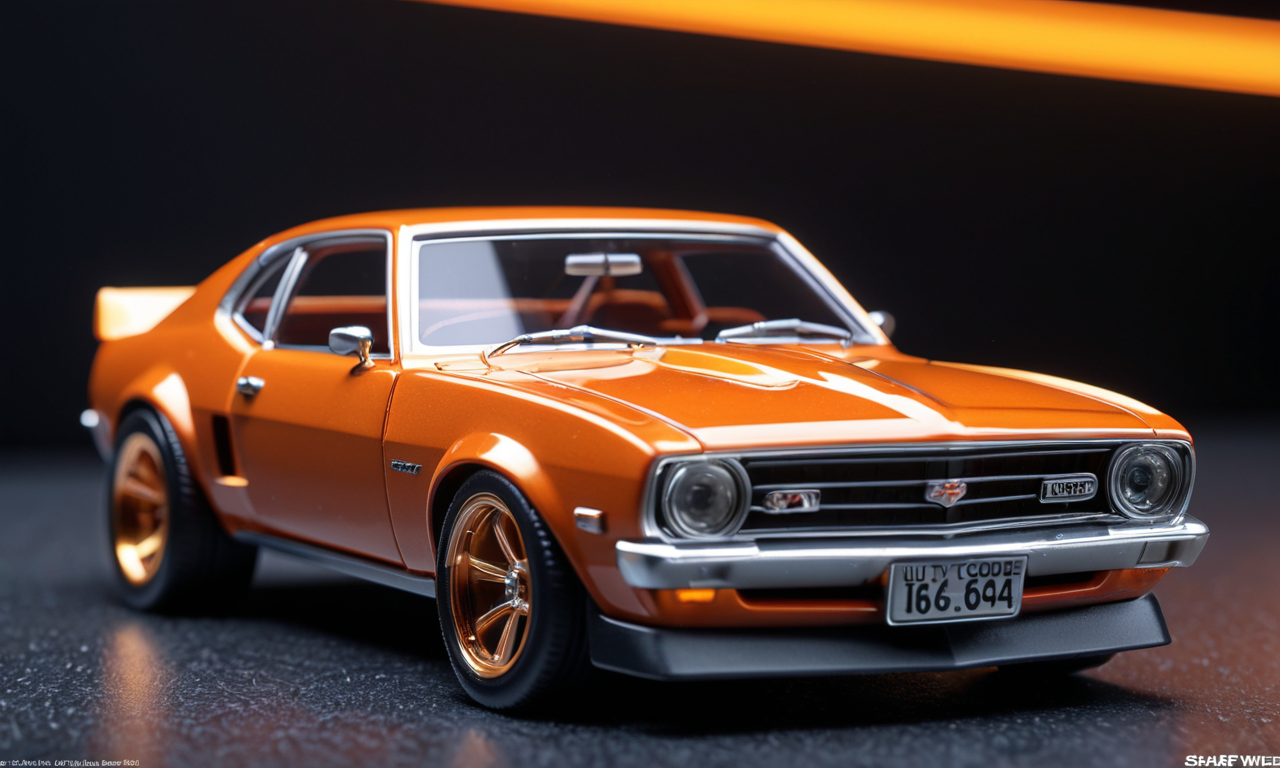
If you have ever seen a collector furiously inspecting the bottom of a case, they are probably looking for the case code. Case codes are letters that indicate the production run and the assortment. They are a useful tool, but they are also widely misunderstood. Many collectors assume that a certain case code guarantees a chase car or a specific casting. That is not how it works. Case codes tell you what assortment is in the case, but they do not guarantee that a particular car is inside. The only way to know is to open the case or to know the exact mix for that code.
Another common mistake is thinking that a higher letter case code means a later production run and therefore a rarer car. In reality, case codes are used to manage inventory and distribution. A later case code might actually be more common because more of that assortment was produced. It is not a reliable indicator of rarity on its own.
Tip: Instead of fixating on case codes, learn the actual mix for the release you are hunting. Our checklist often includes the case breakdown, which is far more useful than guessing.
Card Condition: The Silent Value Killer
Premium cars come on nice, thick cards with a blister. The packaging is part of the appeal. But too many collectors overlook card condition when buying or trading. They focus on the car and ignore the card, then wonder why their trade value is lower than expected. In the Premium world, a mint card can be just as important as a mint car. Corner dings, creases, and scuffed blisters all detract from value. And if you are buying online, always ask for photos of the card corners and the blister seal. A car that looks perfect in a small photo can arrive with a bent corner that you will never unsee.
Also, be careful with how you store your Premium cars. Stacking them in a box without protection can lead to warped cards and dented blisters. Use protectors or cases designed for the thicker Premium cards. It is a small investment that pays off when you decide to sell or trade.
What to Check on the Card
-
Corners: look for fuzz or bends. Even a small bend can reduce value.
-
Blister: check for dents, scuffs, or lifting at the seal.
-
Surface: scratches or scuffs on the card art are common but avoidable.
-
Print quality: misprints or off center printing can be a niche collectible, but generally lower value.
Real Riders and Spectraflame: Not Always What They Seem
Premium cars often feature Real Riders, which are rubber tires with realistic tread. They are a big part of the appeal. But not all Premium cars have them. Some releases have plastic wheels, even within the same line. Always check the packaging or the car itself. And do not assume that Real Riders automatically mean higher value. It depends on the casting and the release.
Spectraflame paint is another point of confusion. Spectraflame is a metallic, translucent finish that was originally used on Redlines. In modern Premium lines, Spectraflame is sometimes used, but not always. It can be hard to tell from a photo, so if you are buying online, ask for confirmation. And remember that Spectraflame can vary in shade from car to car, which some collectors chase but others see as inconsistent.
Tip: If you are unsure about wheels or paint, check our price history to see what similar releases have sold for. It can give you a sense of what the market expects.
Chase Cars and Store Exclusives
Chase cars are a big draw in Premium lines. They are typically produced in smaller numbers and feature unique deco or details. But here is what many collectors get wrong: not every Premium line has a chase car, and chase cars are not always evenly distributed. Some store exclusives are also mistaken for chases. For example, a car that is exclusive to a particular retailer might be hard to find, but it is not a chase. The distinction matters for value and for trade etiquette.
Another mistake is assuming that a chase car is automatically worth a fortune. Some chases are more popular than others. It depends on the casting, the color, and the overall demand. Do your homework before you pay a premium for a chase.
Peg Hunting Reality Check
Peg hunting for Premium is different from mainline hunting. Premium cases are often smaller, and stores may only get a few cases at a time. That means you need to be persistent and know when to check. Early mornings and weekdays are often better than weekends. And do not ignore the bottom shelf or the endcaps. Premium cars are sometimes displayed in odd places.
Also, be respectful. Do not leave a mess, and do not hide cars for later. The community here values fair play, and your reputation is worth more than any single car.
Quick Peg Hunting Tips
-
Check the aisle for cases that have not been put out yet. Ask politely if you can look.
-
Look behind other cars. Sometimes a Premium is hidden behind mainlines.
-
Know the release schedule. Premium sets often drop in waves, so timing is key.
Frequently Asked Questions
Are all Hot Wheels Premium cars metal/metal? No. Most are metal body with a metal base, but some releases have plastic bases. Always check the packaging or the car itself.
How can I tell if a Premium car is a chase? Chase cars are usually marked with a special sticker or have a distinct deco. They are also produced in smaller numbers. Check the packaging for any chase indicators.
Is it worth buying Premium cars as an investment? That depends on the car. Some Premium releases appreciate, but many do not. Collect what you love first, and treat investment as a bonus.