Hot Wheels Redlines: A Beginner's Guide to Telling Real Redlines From Repaints
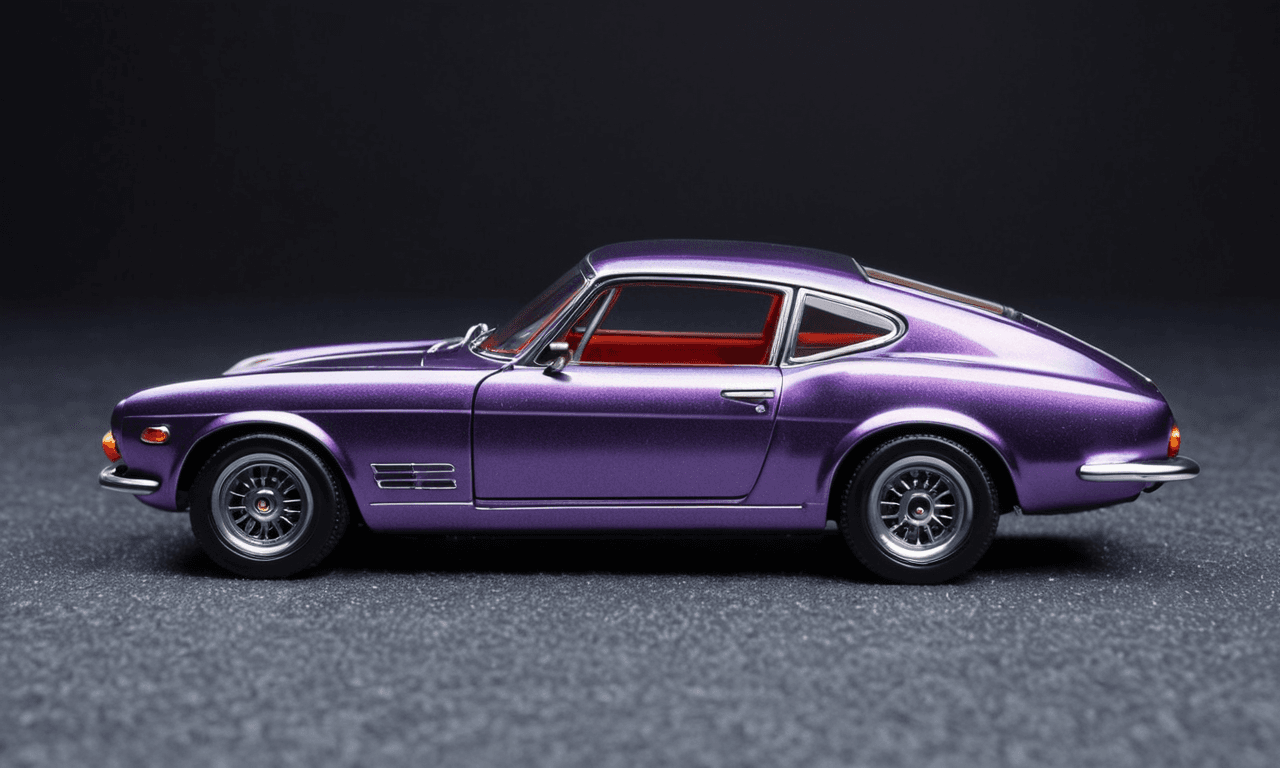
Redline Hot Wheels are the holy grail for a lot of collectors. Mattel made them from 1968 to 1977, and those early castings with the red-striped wheels and Spectraflame paint are iconic. But as values went up, so did the number of fakes and repaints. If you are new to Redlines, telling a real one from a repaint can feel overwhelming. This guide walks you through the details to check, based on 20+ years of collecting and plenty of mistakes along the way.
Why Redlines Are Faked and What You Need to Know
The short answer is money. A mint Redline can sell for hundreds or even thousands of dollars. So some sellers repaint common castings or touch up worn originals to pass them off as high-grade examples. Your best defense is knowledge. Know what an original Redline should look like, and you will catch most fakes fast.
One quick note before we start: Redlines were made in the USA and later in Hong Kong. There are variations, so always cross-reference with reliable sources. Our catalog and community here can help with specific castings.
1. The Paint: Spectraflame and Beyond
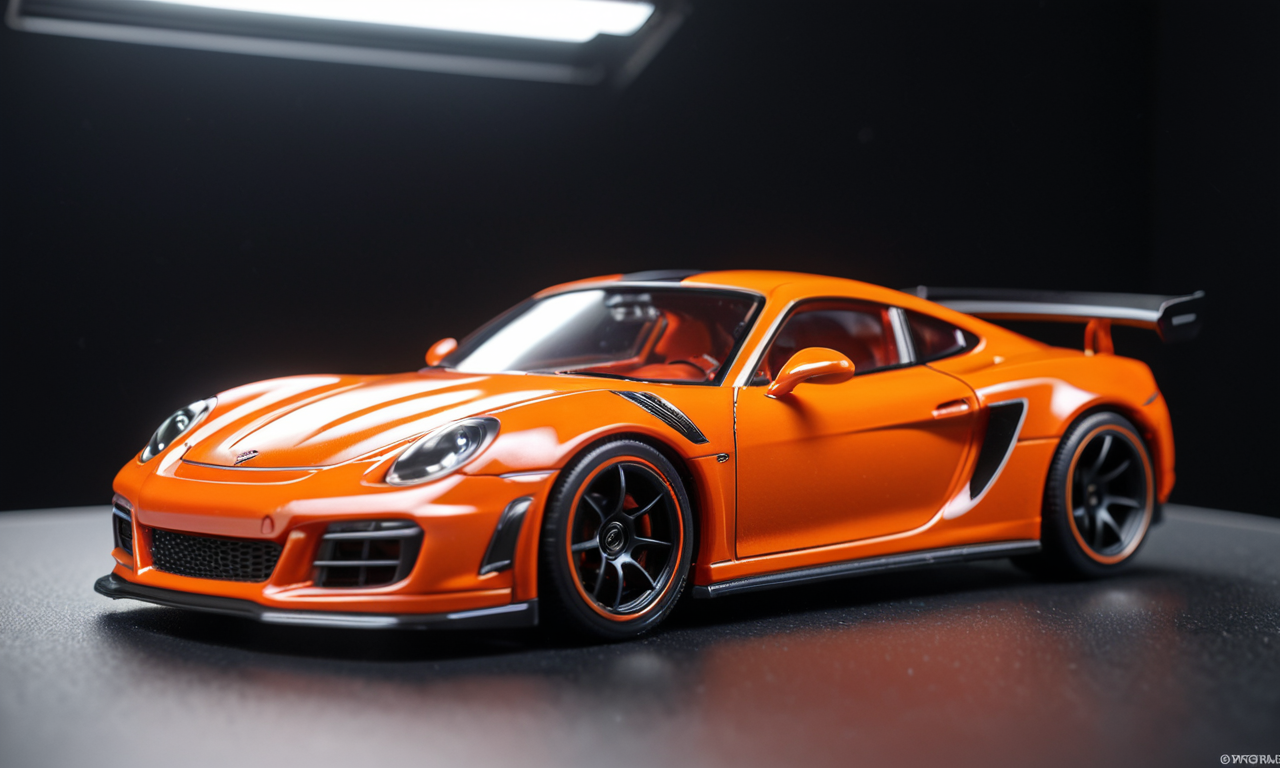
The first thing to check is the paint. Original Redlines used Spectraflame, a translucent metallic paint over a polished Zamac body. It gives a deep, candy-like shine that is hard to copy. Repaints often use modern metallic paints that look flatter or too sparkly.
Spectraflame Characteristics
-
Translucent: you can often see the metal underneath, especially on edges and worn spots.
-
Metallic flake: the flake is fine and even, not chunky.
-
Color shifts: Spectraflame can look lighter or darker depending on the light, but it always has depth.
-
Thin application: original paint is often thin, and you will commonly see Zamac peeking through on high points.
Repaints often have a thicker, more opaque coat. They might lack the metallic flake, or the flake might be too large. Also check for paint where it should not be, like the wheel wells or the base. Original Redlines were painted before assembly, so the base and wheels should be free of body paint.
Tip: use a bright light and a magnifying glass to inspect the paint. Look for overspray on the base or wheels. A quick sniff can help too: original paint has a distinct, slightly sweet smell, while modern paints often smell like chemicals.
Enamel and Other Finishes
Not every Redline is Spectraflame. Some were painted with enamel, which is opaque and glossy. Those are less common but they exist. Enamel Redlines should have a smooth, even finish with no metallic flake. Repaints of enamel cars are easier to spot if the color is off or the finish looks too perfect.
2. The Wheels: Redlines and Beyond
The wheels are another critical area. Original Redline wheels have a red stripe on the tire and come in several variations:
-
Small or large bearing: early wheels had a small bearing, later ones had a large bearing. This changes the size of the axle hole.
-
Wheel material: some wheels are plastic, others are rubber. Rubber tires are more common on later Redlines and are often called "Redline Real Riders," but that term is technically wrong. Real Riders came later with grey wheels.
-
Wheel color: the wheels themselves can be black, grey, or even white, but the tire always has a red stripe.
Repaints often use reproduction wheels. They can be very convincing, but they usually lack the correct markings. Original wheels have "Hot Wheels" and "Mattel" molded into the side, plus patent numbers. Repros might have the markings, but they are often softer or use the wrong font. Check the axle ends too: original axles are crimped or have a rounded end, while repros might be glued or finished differently.
Tip: look at the red stripe. Original stripes are painted on, so they can fade or chip. Repros often use a sticker or a painted stripe that looks too perfect. Spin the wheel as well: original wheels often wobble a little from age, while repros might spin too smoothly.
3. The Casting: Details and Flaws
The casting itself can tell you a lot. Original Redlines were made from Zamac, a zinc alloy. Over time, Zamac can develop a white, powdery corrosion, often called "Zamac rot." That is a sign of age and hard to fake. Repaints might have a smooth, pit-free surface, while originals often have minor pits or imperfections.
Base and Markings
Flip the car over. The base should have "Hot Wheels" and "Mattel" with the copyright year. Early Redlines say "U.S.A." and later ones say "Hong Kong." The base should also have the model name and a patent number. Repaints might have a base that is too clean, or one swapped from a common car. Make sure the base matches the body: a '68 Mustang, for example, should have a base with the correct patent number and casting details.
Look at the rivets too. Original Redlines have rivets that are either painted over or bare metal. If they are painted, the paint should match the body color. Repaints often have paint in the rivets, or they have been drilled and tapped, leaving tool marks.
Casting Flaws
Original Redlines often have minor casting flaws like flash (excess metal) or misaligned parts. That is not necessarily bad. It can be a sign of authenticity. Reproductions are often cleaner. But some high-end fakes are cast from original molds, so flaws can be copied. That is why you check multiple areas.
4. The Packaging: Card and Blister
If the Redline is still packaged, the card and blister matter a lot. Original Redline packaging from 1968 to 1977 has specific characteristics. The card should have the correct logo, colors, and text. The blister should be clear and firmly attached. Reproductions often have a card that is too glossy or colors that are off. The blister might be glued on instead of heat-sealed, and the glue can yellow over time.
-
Card corners: original cards often have soft corners from handling. Repros might have sharp corners.
-
Blister seal: the seal should be even and match the card. Repros might have a messy seal or use a different adhesive.
-
Print quality: original printing is often slightly off-register or has a certain texture. Repros are usually too crisp.
Check the case code as well. Original Redline cases have codes stamped on the bottom, like "A" or "B" followed by a number. These can help date the car. Reproductions often lack these codes or have the wrong ones.
Tip: if you are buying a packaged Redline, ask for clear photos of the card corners, blister seal, and any stamps. A seller who will not provide them might have something to hide.
5. Provenance and Price
Finally, consider the source. If a deal seems too good to be true, it probably is. A rare Redline in mint condition for a fraction of its value is a red flag. Ask about provenance: where did the seller get it? Do they have receipts or original packaging? A trustworthy seller will be happy to share details.
Check our price history too, to see what similar Redlines have sold for. That gives you a baseline. But remember, condition is everything. A repaint might sell for less than an original, but some fakes are priced as originals. Do your homework.
Frequently Asked Questions
Q: How can I tell if a Redline has been repainted? A: Look for overspray on the base or wheels, check the paint thickness and metallic flake, and compare it to known originals. A blacklight can sometimes reveal repaints, since modern paints may fluoresce differently.
Q: Are reproduction Redline wheels easy to spot? A: They can be convincing, but check the markings and axle ends. Repros often have softer details and might not have the correct patent numbers. The red stripe might also be a sticker instead of paint.
Q: What is the most common Redline to find? A: The Custom Camaro and Custom Mustang are among the most common, but all Redlines are desirable. Common castings are often used for repaints, so be extra careful with those.
Remember, the best tool is experience. Handle as many original Redlines as you can, and build relationships with trusted collectors. Our community here is a great place to share knowledge and ask questions. Happy hunting!