Hot Wheels vs Matchbox: The Full History Behind Mattel's Two Rival Die-Cast Legacies
The Origins: Two Very Different Visions
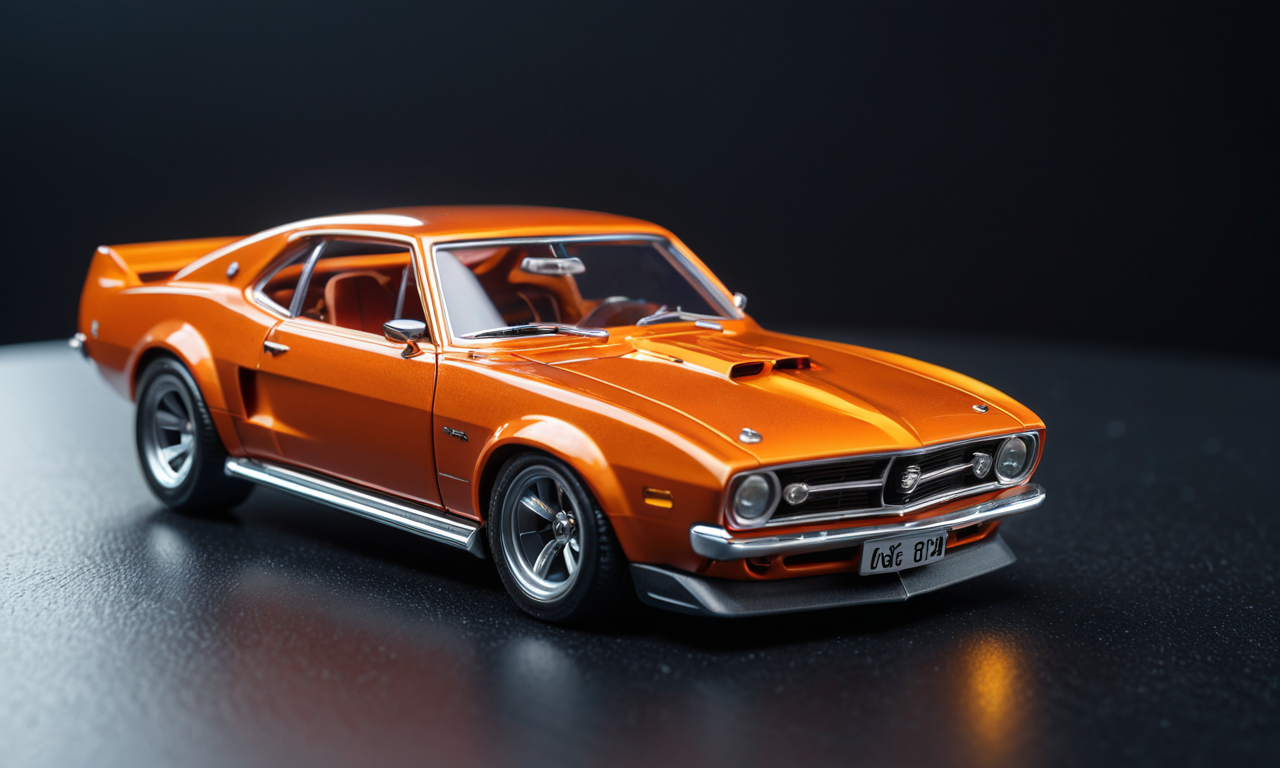
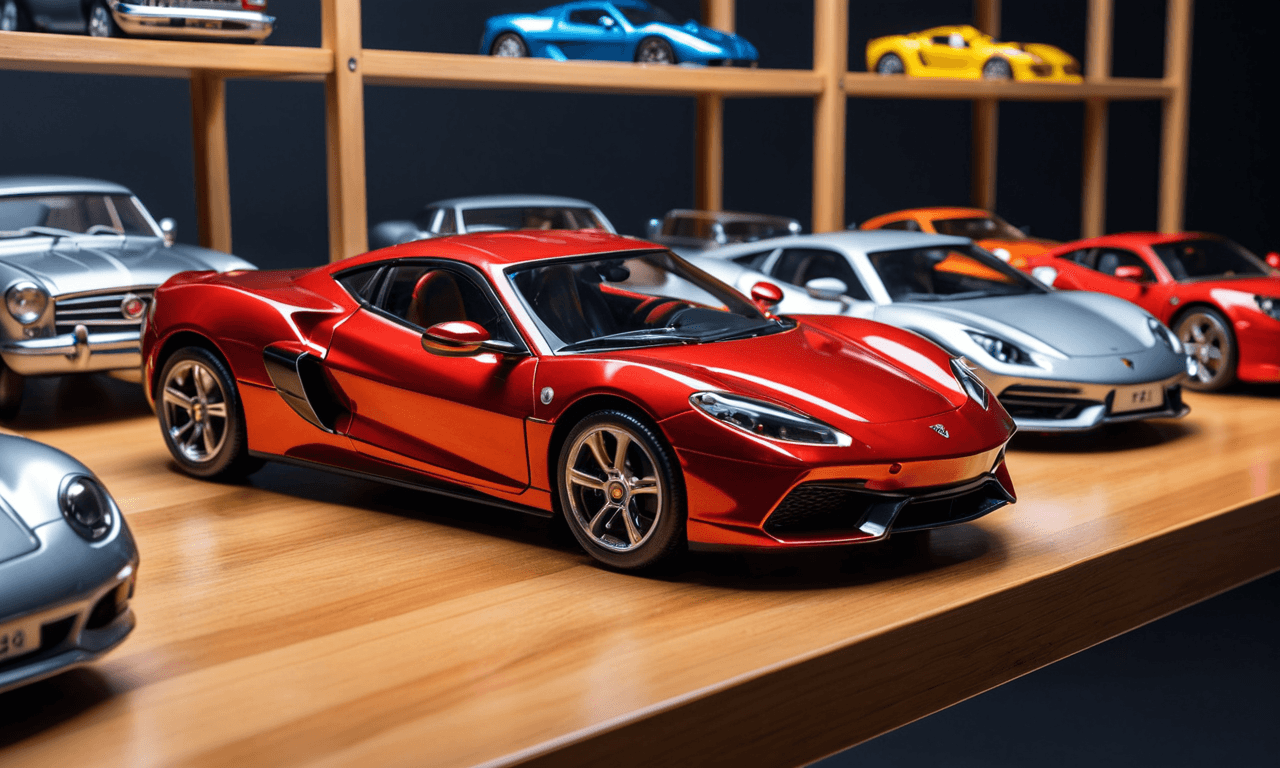
If you have spent any time hunting pegs, you know the feeling. A bin full of castings, and your eyes just sort them into Hot Wheels and Matchbox. The two brands have shared shelf space for decades, but their roots could not be more different. Hot Wheels showed up in 1968 as Mattel's answer to a British upstart. Matchbox had been putting die-cast cars in kids' pockets since the 1950s. Knowing that history explains a lot. A Hot Wheels custom looks sleek and fast. A Matchbox model often feels like a tiny version of a real workhorse.
Matchbox started in 1953. Jack Odell made a tiny brass road roller for his daughter to take to school. The school had a rule: toys had to fit in a matchbox. The name stuck. Those early models were realistic, tough, and cheap, often based on British vehicles and construction equipment. Hot Wheels was different from day one. Fast, flashy, American. Mattel wanted to beat Matchbox at its own game by giving kids something new: cars that could race on orange track.
The Redline Revolution
Hot Wheels launched with 16 castings. All of them had red-striped wheels, which is where the nickname Redlines comes from. Those first cars wore Spectraflame paint, a metallic finish that looked like candy. Next to it, Matchbox's flat enamels seemed dull. The wheels spun freely on plastic axles, and the cars were built to run on Mattel's new orange track. Matchbox cars were heavier and more static. Models first, toys second. Hot Wheels flipped that: toys first, models second. That thinking still drives the brand today.
Tip: When hunting early Redlines, check the wheels for the red stripe and the base for 'Hong Kong' or 'USA' markings. Those details affect value and authenticity.
The 1970s: Matchbox Fights Back with Superfast
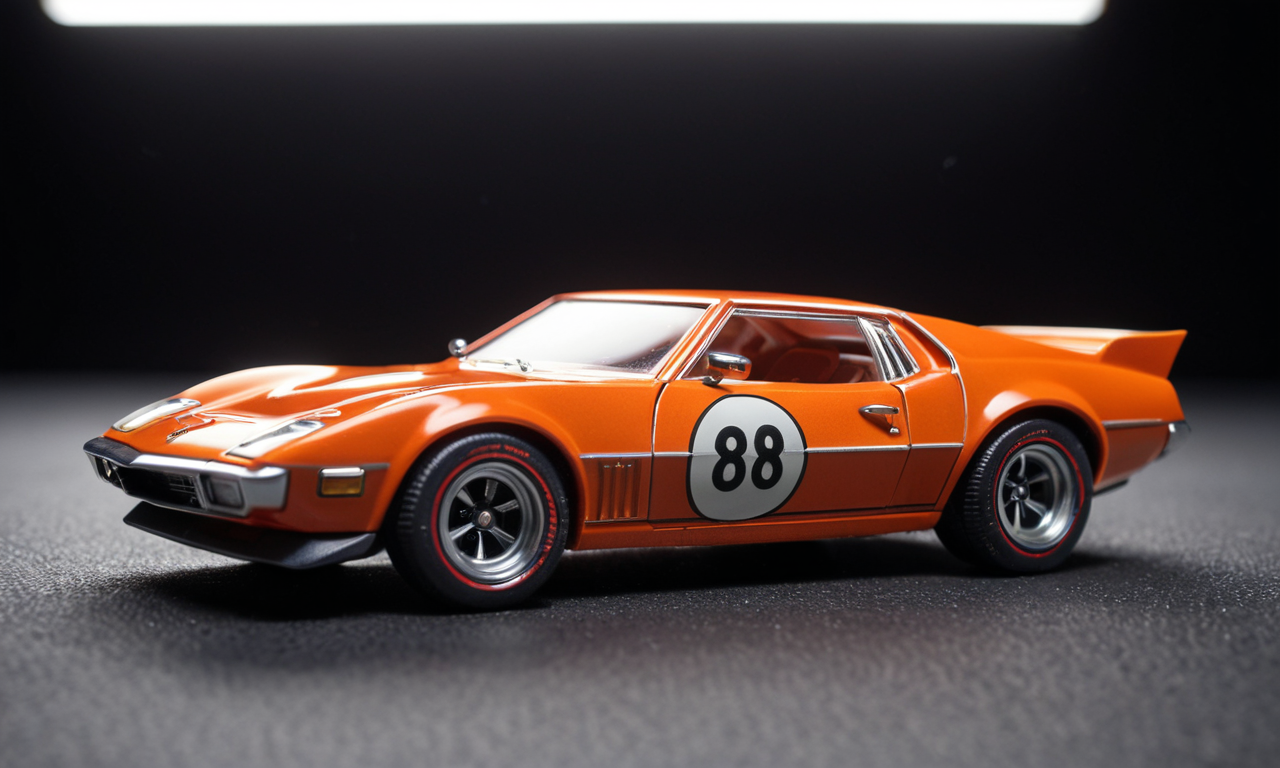
Hot Wheels caught on fast, and Matchbox had to respond. In 1969, Matchbox rolled out the Superfast line, adding low-friction wheels to its existing castings. The goal was to compete on speed. But Matchbox kept its realistic proportions, and often the same bodies. Collectors today can spot a Superfast by the wheels, usually thinner and less stylized than Hot Wheels' wheels. The Superfast era gave us some memorable models. It also marked a shift. Matchbox was now chasing Hot Wheels instead of setting the pace.
Hot Wheels kept innovating. Castings like the Twin Mill and the Splittin' Image existed only in the minds of Mattel designers. Those fantasy models became a signature of the brand. Matchbox rarely went full fantasy, sticking mostly to real vehicles. That is still a quick way to tell them apart. If it looks like it belongs in a cartoon or a custom shop, it is probably a Hot Wheels. If it looks like something you would see on a construction site or a city street, it is likely a Matchbox.
The 1980s and 1990s: Ownership Changes and Brand Identity
The 1980s brought turmoil. Matchbox changed hands several times, and quality and distribution took a hit. Hot Wheels, under Mattel, kept rolling with lines like Real Riders, which had rubber tires and premium detailing. Collectors loved Real Riders for the realism and play value. Matchbox was bought by Universal Toys, then Tyco, before finally landing with Mattel in 1997. That put both brands under one roof. They still ran as separate labels, with their own design teams and audiences.
For collectors, the 1990s were a golden age for Hot Wheels. The Treasure Hunt series arrived in 1995 and gave peg hunters a whole new chase. Matchbox was less flashy but kept a loyal following for its realistic castings and emergency vehicles. The two brands were siblings now, but they still fought for shelf space. Mattel positioned Hot Wheels as the action-oriented, fantasy-friendly brand and Matchbox as the realistic, everyday-vehicle brand. That split mostly holds today.
Design Cues That Separate the Two
- Hot Wheels often features exaggerated proportions, large rear wheels, and fantasy castings. Matchbox tends to stick to 1/64 scale realism with stock wheels and accurate liveries. Hot Wheels uses Spectraflame and other metallic paints on premium lines; Matchbox favors flat enamels and detailed tampos. Hot Wheels packaging often includes the flame logo and bold graphics; Matchbox cards are usually more subdued with the classic logo.
Tip: When sorting a mixed lot, flip the car over. Hot Wheels bases often say 'Hot Wheels' and 'Mattel' with a date. Matchbox bases typically say 'Matchbox' and may include 'Mattel' since 1997.
Collecting Today: What to Look For
In 2026, both brands are alive and well. The collector market just treats them differently. Hot Wheels has a huge secondary market driven by Treasure Hunts, Super Treasure Hunts, and premium lines like Car Culture. Matchbox has a smaller but dedicated following. Collectors focus on themes like fire trucks, military vehicles, and early Superfast models. Our catalog and checklist can help you track both. Our price history is a handy way to gauge what a casting might be worth.
Condition matters for both brands, but the details differ. For Hot Wheels, card condition is critical. Corners, blister seals, no creases. All of it affects value. For Matchbox, the box or blister matters too, but many collectors focus on the model itself, especially older pieces where packaging is often long gone. Case codes are a big deal for Hot Wheels hunters. They can tell you which assortments contain which castings. Matchbox case codes exist, but the average collector rarely tracks them.
Where to Hunt
Big-box stores, dollar stores, and grocery chains are the usual spots. Hot Wheels tends to get more peg space, but Matchbox shows up in the same aisles. Flea markets and toy shows are great for older Matchbox, especially beaters you can restore or use for customs. Online, the community here often shares finds and tips, so check in regularly.
Tip: If you are new to Matchbox, start with the Superfast era or the modern 'Moving Parts' line. They offer realistic details at a reasonable price.
The Legacy: Rivals on the Peg, Siblings in the Box
Mattel owning both brands has not erased their identities. Hot Wheels is still the bold innovator, pushing fantasy and performance. Matchbox stays true to its roots: realistic, sturdy, often overlooked by the casual buyer but cherished by people who care about accuracy. For collectors, the two brands offer different but complementary experiences. One day you might chase a Super Treasure Hunt with Spectraflame paint and Real Riders. The next, you might be hunting a Matchbox tow truck to finish a diorama. That variety is what keeps the hobby going.
So next time you are at the pegs, take a moment to appreciate the history behind each card. The redline wheels, the Superfast logo, the small differences in proportion and paint. All of it tells a story of two companies that shaped the die-cast world. And as always, happy hunting.
Frequently Asked Questions
Are Hot Wheels and Matchbox the same scale? Both are nominally 1/64, but Hot Wheels often exaggerates proportions for style, while Matchbox tends to be more true to scale. So a Hot Wheels car may not fit perfectly in a Matchbox diorama.
Which brand is older? Matchbox predates Hot Wheels by about 15 years. Matchbox started in 1953, while Hot Wheels launched in 1968.
Do Matchbox cars hold their value? It varies widely. Rare Matchbox models, especially early regular wheels and certain Superfast variants, can be valuable. However, the market is generally smaller than Hot Wheels, so liquidity is lower. Always check recent sales data before buying or selling.