How to Grade Hot Wheels Condition: The Ranking System Collectors Argue About
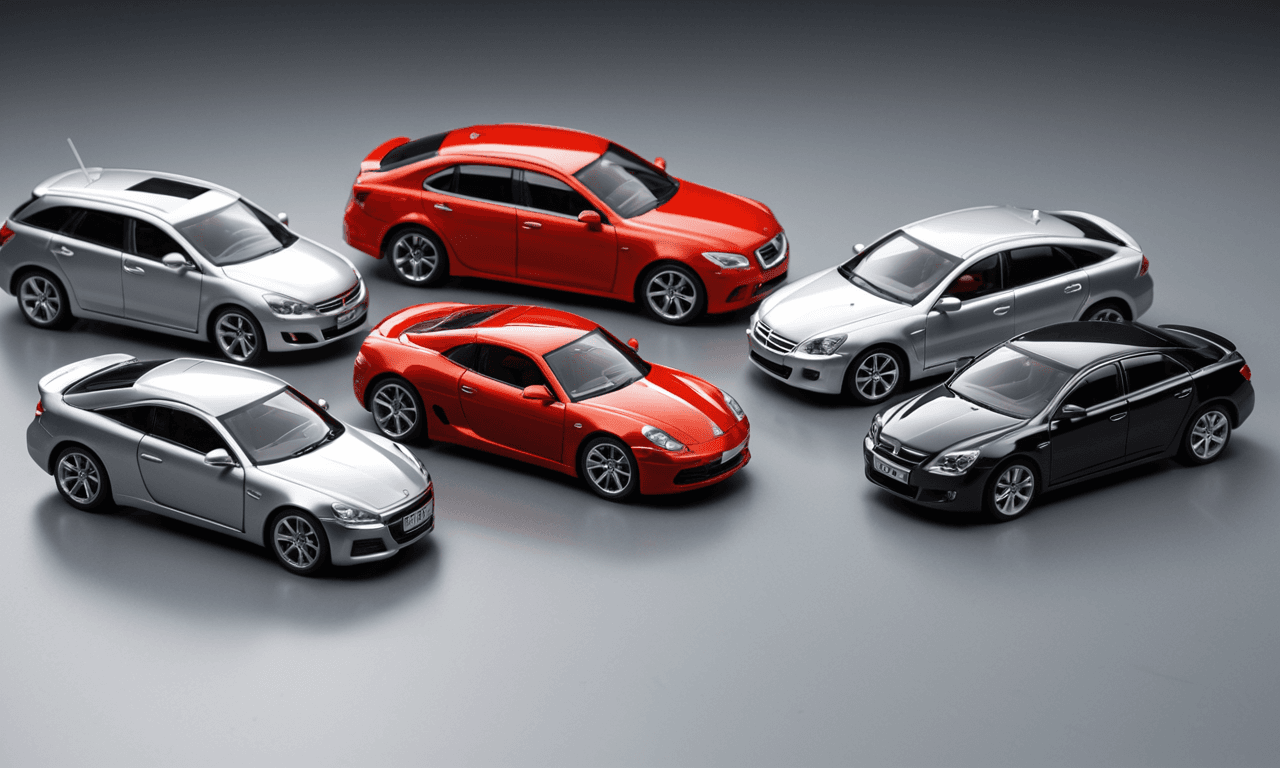
Spend any time in the Hot Wheels aisles or at a trade meet and you will see it. Two collectors, same casting, arguing over whether it is mint or near mint. One points to a soft corner. The other says that is just a factory flaw. The debate never really ends. That is because grading Hot Wheels condition is part art, part science, and part personal opinion. No single official scale exists. Mattel does not grade condition for collectors. We do it ourselves, and we argue about it constantly.
After 20 plus years of collecting, buying, selling, and yes, arguing, I have picked up a few things about how grading works in the real world. This guide breaks down the ranking system most collectors use, what to check on both the car and the card, and why some grades cause more fights than others. New to the hobby or been at it since the Spectraflame days? There is something here for you.
The Basic Grading Scale Collectors Use
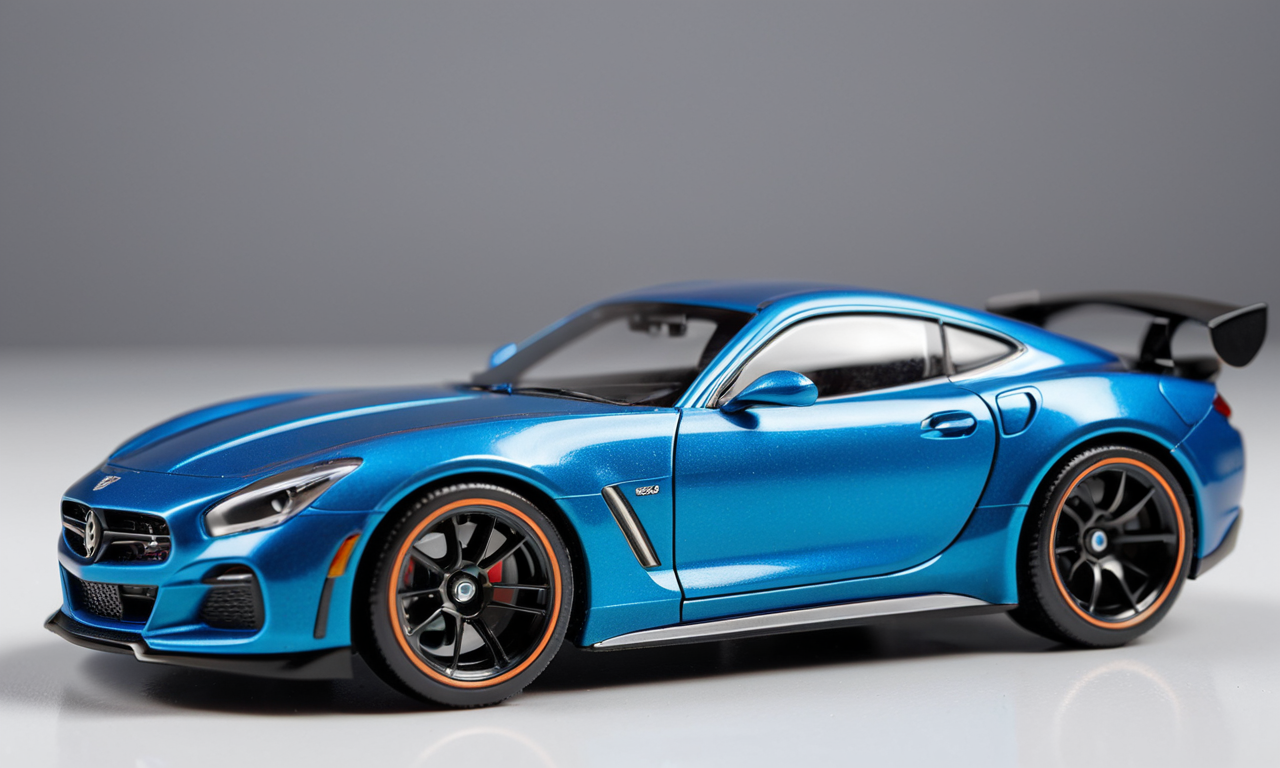
Most collectors use a scale that runs from Mint to Poor, with a few stops in between. It is not standardized, but everyone generally agrees on what the terms mean. Here is how the ranking system usually looks:
-
Mint: Perfect. The car looks like it just left the assembly line, and the card and blister are flawless. No dings, no scratches, no bends.
-
Near Mint: Very close to perfect. Maybe a tiny soft corner on the card, or a slight scuff on the blister. The car itself is clean. Many collectors think near mint is the best grade you can realistically hope for on older pieces.
-
Excellent: Minor wear you can see. The card might have a small crease or a slightly bent corner. The blister could have light scratches. The car may have a tiny paint chip or a slight wheel rub.
-
Good: Noticeable wear. The card may have multiple creases, a bent corner, or a small tear. The blister might be dented or partly separated. The car could have several paint chips or scratches.
-
Fair: Significant wear. The card is heavily creased or torn. The blister may be crushed or missing pieces. The car has obvious paint loss, scratches, or play wear.
-
Poor: Heavy damage. The card is torn, stained, or missing. The blister is crushed or gone. The car is heavily worn, possibly broken or missing parts.
That is the skeleton. But the devil is in the details, and that is where the arguments start.
What to Inspect on the Car
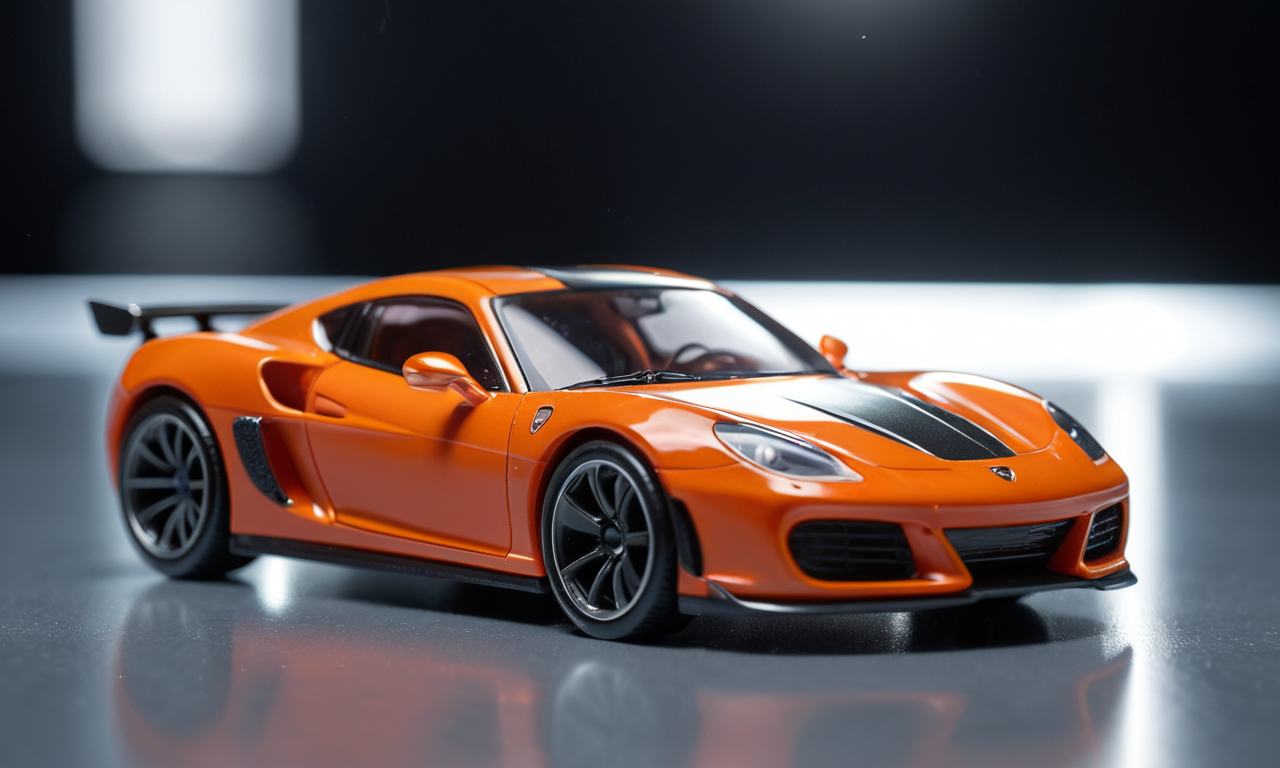
When grading the car itself, collectors look at a few key areas. Paint is the big one. Chips, scratches, and rub marks are the usual suspects. But not all paint flaws are equal. A tiny chip on the roof might be less noticeable than a scuff on the hood. And some castings are more prone to paint issues than others. Spectraflame finishes from the Redline era, for example, are famous for flaking and chipping. So a Redline with minor paint wear might still grade higher than a modern mainline with the same wear.
Wheels matter too. Real Riders have rubber tires, and those can dry out or crack over time. Plastic wheels can have scuffs or flat spots. Wheel condition also affects how the car rolls, which some collectors care about more than others.
Then there is the base. Metal bases can corrode or show scratches. Plastic bases can crack. And the tampos, the printed graphics, can wear off or come misaligned from the factory. A misaligned tampo is a factory flaw, not wear, but some collectors still downgrade for it.
Tip: Always inspect the car under good lighting, and look at it from multiple angles. A flaw that is invisible in dim light might be obvious under a bright lamp.
What to Inspect on the Card and Blister
For carded collectors, the packaging matters as much as the car. The card, or blister card, has its own grading criteria. Corners are a big deal. A sharp corner is mint. A soft corner is near mint. A bent corner is excellent or good, depending on how bad it is. Creases are another factor. A small crease might be acceptable, but a heavy crease that breaks the ink is a major downgrade.
The blister itself, the clear plastic bubble, gets graded too. Scratches, dents, and yellowing are common issues. Yellowing comes with age, especially on older cards, and some collectors accept it more than others. A crushed blister is serious, especially if it has damaged the car inside.
And then there is the seal. The blister is glued to the card, and that glue can fail over time. A loose blister is a major downgrade because it means the car could have been removed or swapped. Collectors check the seal carefully, looking for any sign of tampering. A clean, intact seal is a must for high grades.
Case codes and other printed info on the card can affect value too, but that is more about rarity than condition. Still, a card with a clean, unobstructed case code is more desirable than one where the code is smudged or torn.
Why Collectors Argue About Grades
The arguments usually come down to three things: subjectivity, factory flaws, and the car versus the card.
Subjectivity
One collector's near mint is another's excellent. With no universal standard, grades are always going to be a bit subjective. Some collectors are stricter than others. Some are more forgiving. And some just want to sell a car, so they might grade it a little higher than they should. That is why buying from a trusted source matters so much. Our catalog and price history can show you what others have paid for similar condition, but in the end you have to judge for yourself.
Factory Flaws
Hot Wheels are mass produced, and flaws happen. Paint runs, misaligned tampos, bent axles, and even damaged cards can come straight from the factory. Some collectors consider these flaws part of the charm and do not downgrade for them. Others treat them as defects and grade accordingly. This is a big source of disagreement. A car with a factory paint run might be mint in one collector's eyes and excellent in another's.
Car Versus Card
Some collectors only care about the car. They open their cars, or buy loose ones, and could not care less about the card. Others are carded collectors who will not touch a car with a bent corner. So their grading priorities differ. A loose car might grade mint even with a tiny paint chip, because the card is not part of the equation. A carded car with the same chip might grade excellent because the card is perfect but the car is not. Neither is wrong. They are just different.
Tip: When buying online, ask for close up photos of the corners, the blister, and the car. If the seller cannot provide them, proceed with caution.
How to Grade Your Own Collection
Grading your own collection is a good exercise, even if you never plan to sell. It helps you understand what you have and how to store it properly. Start by separating your cars into groups: carded and loose. For carded cars, inspect the card, blister, and car separately. For loose cars, focus on the car itself.
Use a simple checklist. For the card, check corners, edges, surface, and the blister seal. For the car, check paint, wheels, base, and tampos. Assign a grade to each category, then combine them into an overall grade. Be honest with yourself. It is easy to overlook flaws in your own collection, but a critical eye will help you in the long run.
And remember, grading is not just about value. It is about preservation. A car that is stored properly will stay in better condition, which means it will be more enjoyable for years to come. Use protectors for your carded cars, and keep them out of direct sunlight and extreme temperatures.
Frequently Asked Questions
Is there an official Hot Wheels grading scale?
No, Mattel does not provide an official grading scale for collectors. The scale described here is one that has evolved within the collector community over time. It is widely used but not universal, so always clarify with the buyer or seller if you are unsure.
Should I grade my Hot Wheels professionally?
Professional grading services exist for diecast, but they are not as common as in other hobbies. For most Hot Wheels, self grading is sufficient. Professional grading can be expensive and is usually reserved for high value pieces. If you have a rare or valuable car, it might be worth considering, but do your research first.
How much does condition affect value?
Condition can have a huge impact on value, especially for older or rare pieces. A mint condition Redline can be worth many times more than the same car in played with condition. For modern mainlines, the difference is smaller but still significant. Always factor condition into the price you are willing to pay or accept.