Most Valuable Hot Wheels of All Time: What the Wildest Prices Reveal About Collecting
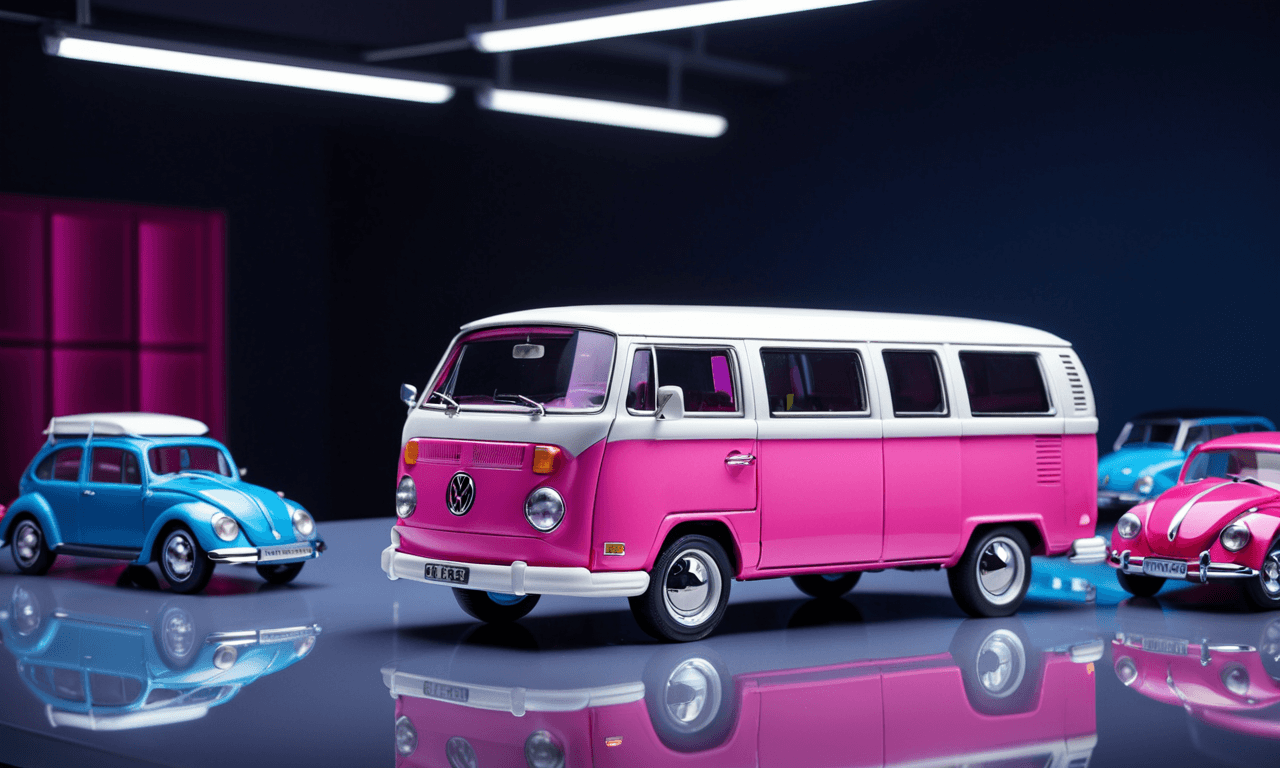
We have all seen the headlines. A tiny diecast car sells for more than a new sedan, and suddenly every collector at the flea market thinks their beat-up Redline is a retirement fund. We get it. After 20 plus years of digging through bins, flipping cards, and watching auctions close at absurd numbers, we have learned one thing: the wild prices are real, but they are not the whole story. They are a window into what makes this hobby tick.
In this guide, we walk through the most valuable Hot Wheels of all time, why they command those numbers, and what those sales actually reveal about collecting in 2026. Spoiler: it is rarely about the car alone. Condition, provenance, and timing do most of the heavy lifting.
The Titans: The Most Valuable Hot Wheels Ever Sold
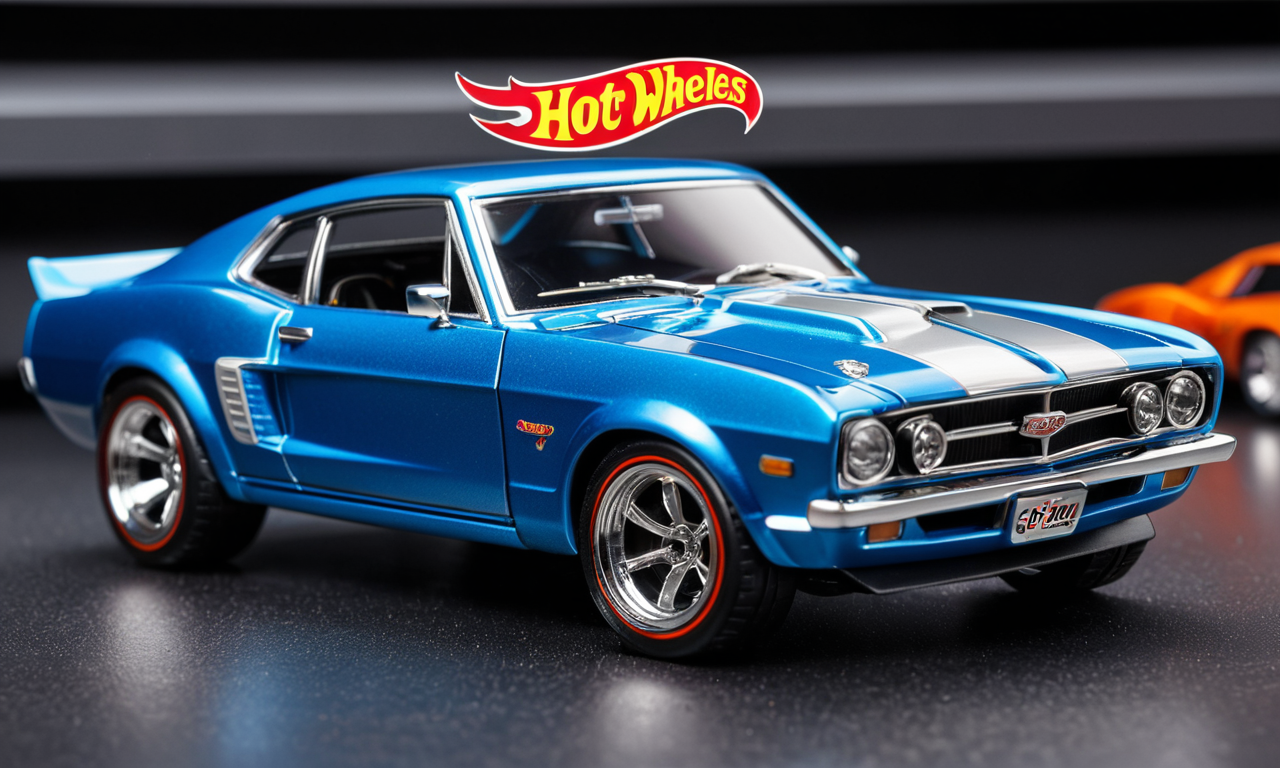
These are the cars that make the news. We are talking six-figure sales, private deals, and auction records that get broken every few years. Here are the heavy hitters, with the context you need to understand why they matter.
1969 Rear-Loading Beach Bomb (Pink)
This is the holy grail. The rear-loading Beach Bomb was a prototype design that failed because the surfboards stuck out the back and would not fit in the standard track sets. Mattel switched to a side-loading design for production. Only a handful of rear-loading versions exist, and the pink one is the most famous. Sales have reportedly reached well into six figures, with some private deals rumored to be even higher. The exact number varies by source and condition, but it is universally considered the most valuable Hot Wheels car in the world.
Why it matters: this car represents the purest form of rarity. It is not just rare because few were made. It is rare because it was a mistake, a design that never should have left the factory. That story is what collectors pay for.
Pink Volkswagen Beach Bomb (Rear-Loading)
Wait, another Beach Bomb? Yes, but this one is the Volkswagen version, also rear-loading, also pink, and also insanely rare. We have seen reports of sales in the 100,000 to 150,000 dollar range. The pink color is significant because it was a prototype color that never made it to full production for this casting. Combine that with the rear-loading body and you have a perfect storm of rarity.
1968 Chevy Camaro (Redline, Spectraflame Pink)
The first year of Hot Wheels, 1968, produced some legendary cars. The custom Camaro in Spectraflame pink is one of the most sought-after. Spectraflame is that metallic, candy-like finish that made Hot Wheels stand out from the competition. Pink is one of the rarest colors in the Spectraflame palette. A mint example in a sealed blister can fetch 50,000 to 100,000 dollars or more, depending on condition and provenance.
Why it matters: this is a production car, not a prototype. It shows that even regular production models can reach astronomical values if they are rare enough in a specific color and condition.
1969 Pink Rear-Loading Beach Bomb (Again)
We know, we know. But it bears repeating because the Beach Bomb is the benchmark. Any time a rear-loading Beach Bomb comes up, it resets the market. The last public sale we are aware of was in the 70,000 to 100,000 dollar range, but private sales have reportedly gone higher. The lesson here is that the top of the market is often set behind closed doors.
Other Notable Sales
- 1968 Custom Corvette in Spectraflame pink: often in the 20,000 to 40,000 dollar range for mint in blister. 1969 Twin Mill prototype: rare color tests and pre-production pieces can hit five figures. 1970 Red Baron (Redline): the original release with the redline wheels and specific packaging can command thousands in top condition. 1995 Treasure Hunt set: the first year of Treasure Hunts, especially the pink versions, can sell for hundreds to low thousands per car.
Tip: Do not chase the headlines. Chase the condition. A mint common car is always easier to sell than a beat-up rare one.
What the Wild Prices Actually Reveal
Those eye-popping numbers are not random. They follow patterns. Once you see the patterns, you can apply them to your own collecting, even if you are never going to spend six figures on a single car.
Rarity Is Not Just About Production Numbers
The Beach Bomb is rare because it was a prototype. But other cars are rare because of color variations, packaging errors, or regional releases. A car that was only sold in one market or only produced for a few weeks can be just as hard to find as a prototype. The key is to understand why a car is rare, not just how many were made.
Condition Is the Great Multiplier
A mint-in-blister Redline can be worth 10 times or more than the same car loose. Card corners, blister seals, and even the color of the cardboard matter. We have seen collectors pay a premium for a car with a perfect blister and a crisp card, even if the car itself is not the rarest. The packaging is part of the artifact.
For modern cars, the same rule applies. A 1995 Treasure Hunt with a perfect card and unbent blister is a different animal than a loose one. If you are hunting at retail, treat the card like part of the car. Do not bend it, do not crease it, and do not stack heavy things on it.
Provenance and Story Add Value
A car with a documented history, like a known prototype or a piece from a famous collection, will always command more. That is why auction houses emphasize provenance. If you ever get a chance to buy a car with a story, and the story is verifiable, it is worth considering. But be careful: stories are easy to fake. Documentation is everything.
The Market Is Cyclical
Hot Wheels values go up and down. The top of the market is less volatile because those cars are so rare that they rarely trade. But the middle market, the 100 to 1000 dollar cars, can swing based on trends, movies, and nostalgia. We have seen certain castings spike after a movie release and then settle back down. If you are buying for investment, be aware that you are buying into a market that has moods.
Tip: Use our price history to see trends over time, not just the latest sale. One sale does not make a market.
How to Spot Value in the Wild
You are not going to find a rear-loading Beach Bomb at a garage sale. But you can find valuable cars if you know what to look for. Here is what we look for when we are out hunting.
Redlines and Spectraflame
Any Redline car is worth a second look. The red stripe on the tire is the giveaway. Spectraflame paint is the other. If you see a metallic, candy-colored finish on an older car, pay attention. Even play-worn Redlines have value, especially if the paint is still intact.
Real Riders and Rubber Tires
Real Riders are the rubber-tired wheels that first appeared in the early 1980s. They are a sign of a premium release. Some Real Riders cars are quite valuable, especially if they are from limited runs or special series. Check the wheels. If they are rubber, do a quick search in our catalog to see what you have.
Treasure Hunts and Super Treasure Hunts
Treasure Hunts have been around since 1995. The early ones are valuable, especially in mint condition. Super Treasure Hunts, which started in 2007, are harder to find and often have Spectraflame paint and Real Riders. The key is to know the year and the casting. A complete set of Treasure Hunts from any given year can be worth more than the sum of its parts.
Case Codes and Short Cards
Case codes can tell you what is inside a sealed case. If you are at a store and see a fresh case, the code on the box can sometimes indicate whether it contains a Treasure Hunt or a Super. Short cards, which are international packaging, are also collectible in some markets. We have seen short card versions of common cars sell for more than long card versions simply because they are harder to find in the US.
Tip: Always check the bottom of the card for the case code. It is a small letter or number that can help you date the car and sometimes identify the assortment.
The Real Lessons for Collectors
After years of watching the market, here is what we have learned from the wild prices. These lessons apply whether you are collecting 1 dollar mainlines or 10,000 dollar Redlines.
- Buy what you love first. The money is a bonus. If you are only in it for the money, you will burn out or get burned. Condition is king. A rare car in bad condition is still a bad car. Learn to grade. Learn about production numbers, but do not obsess. Some of the most valuable cars are valuable because of a story, not a number. Keep your receipts and documentation. Provenance matters when you sell. The market is not rational. Prices are driven by emotion, nostalgia, and competition. Do not try to time the market. Collect steadily and enjoy the hunt.
One more thing: the community matters. The collectors you meet at shows, online, and at the pegs are your best resource. They will tell you what is hot, what is not, and what to avoid. We have made lifelong friends through this hobby, and those relationships are worth more than any single car.
FAQ
What is the single most valuable Hot Wheels car? The 1969 Rear-Loading Beach Bomb in pink is widely considered the most valuable, with reported sales well into six figures. However, exact values vary by condition, provenance, and whether the sale is public or private.
Can I still find valuable Hot Wheels at retail? Yes, but it is rare. Super Treasure Hunts and certain mainline variations can still be found at retail, but you have to hunt hard and know what you are looking for. The odds are low, but they are not zero. That is what makes peg hunting fun.
How do I know if a Hot Wheels car is valuable? Start with the basics: Redline wheels, Spectraflame paint, Real Riders, and Treasure Hunt logos. Then check the condition of the car and the card. Use our catalog and price history to compare recent sales. And when in doubt, ask the community. Someone has seen it before.