Starting a Hot Wheels Collection on a Budget: The Smart Way to Build a Serious Shelf
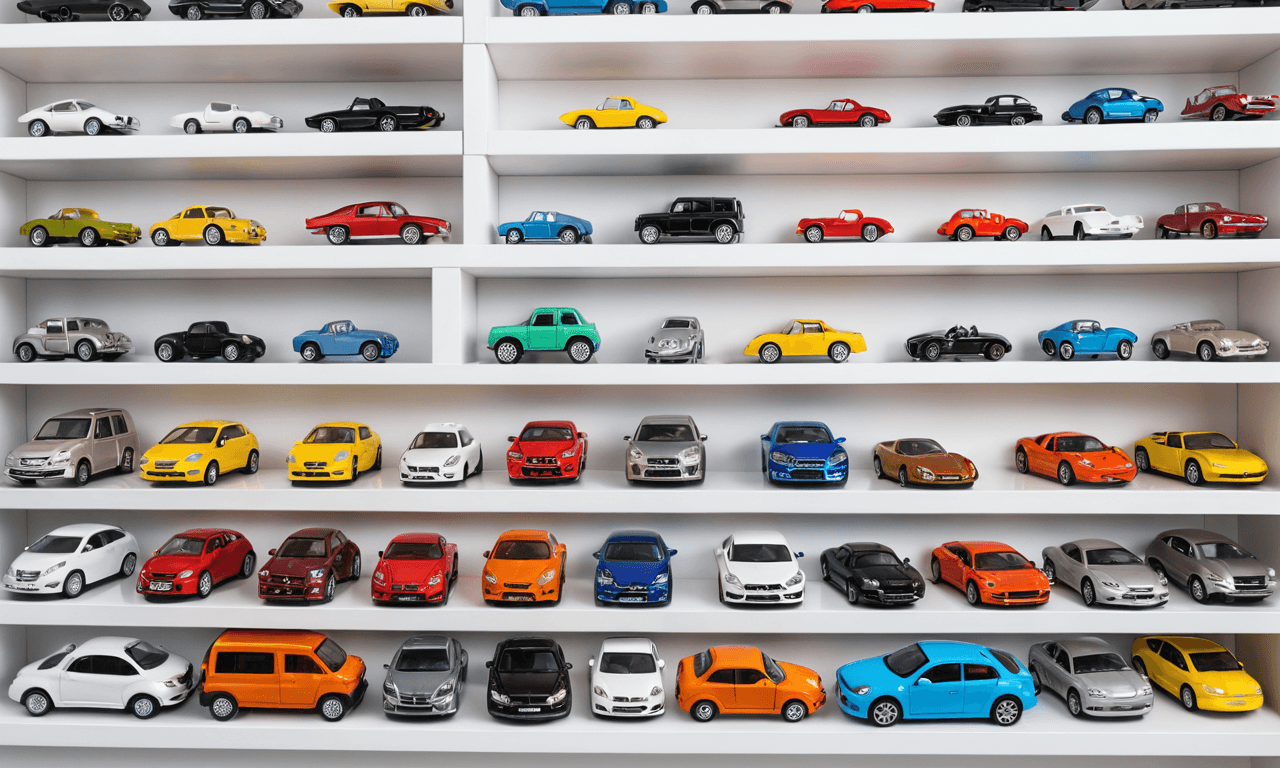
Let me guess. You have been bitten by the bug. Maybe you found a shiny mainline at the grocery store, or a friend showed you their wall of carded cars. Now you want in. But you have seen the prices on some of those Instagram posts and thought, nope, not for me. Good news. You do not need a trust fund to build a shelf that makes people stop and look. You need a plan, a little patience, and the willingness to learn the difference between hype and value.
I have been collecting for over 20 years. I have bought $1 mainlines, $20 premiums, and a few pieces that cost more than my first car. The lessons I learned the hard way are exactly what I am going to share here. This is the smart way to start a Hot Wheels collection on a budget.
Set a Realistic Budget and Stick to It
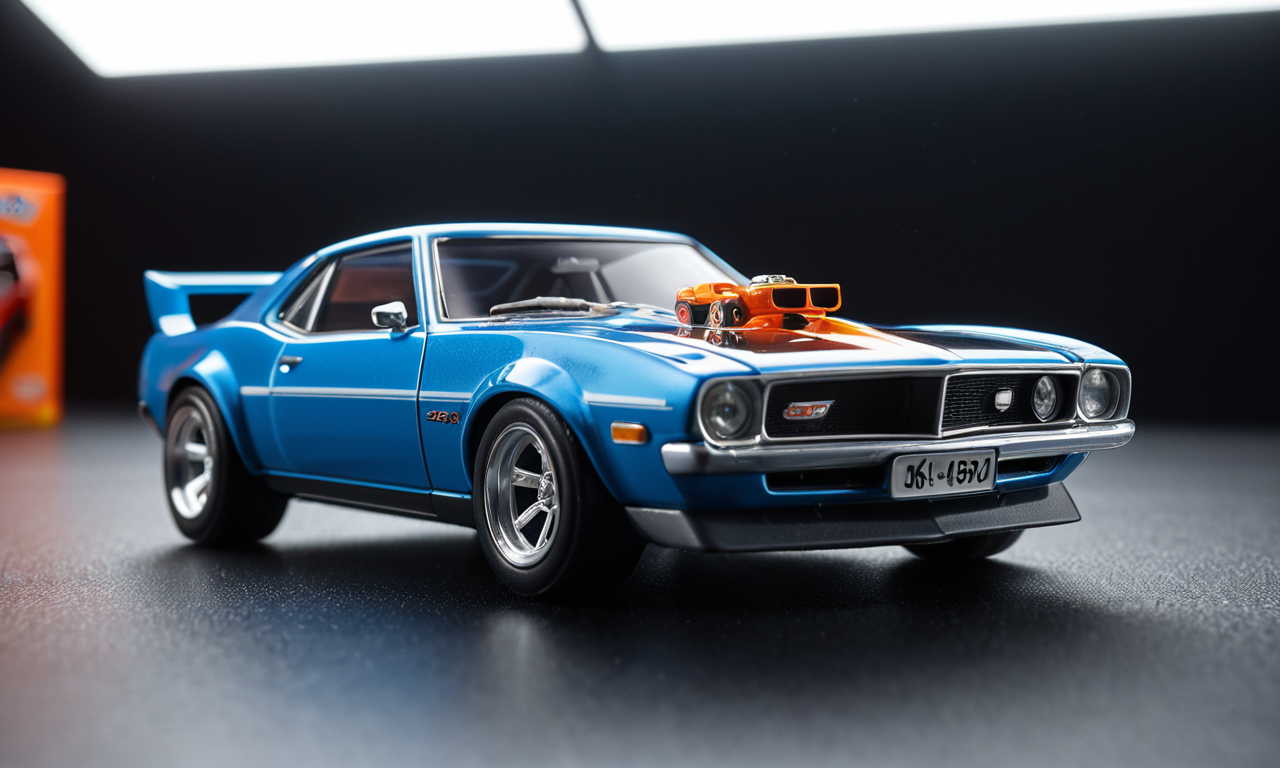
The first rule of budget collecting is simple: decide what you can spend each month and do not cross that line. I do not care if it is $20 or $200. The number matters less than the discipline. When you are new, it is easy to get swept up in the thrill of the hunt and buy everything you see. That is how you end up with 300 cars you do not really want and no money for the ones you do.
I recommend a two part budget. One part for mainlines, the $1 to $2 cars you find on the pegs. Another part for the occasional premium or special piece. Keep them separate. That way you never feel guilty about spending $5 on a premium because you know it came out of the premium fund, not the grocery money.
Tip: Use cash for your Hot Wheels budget. It hurts more to hand over a $20 bill than to swipe a card, and that little bit of pain keeps you honest.
Focus Your Collection: Pick a Lane
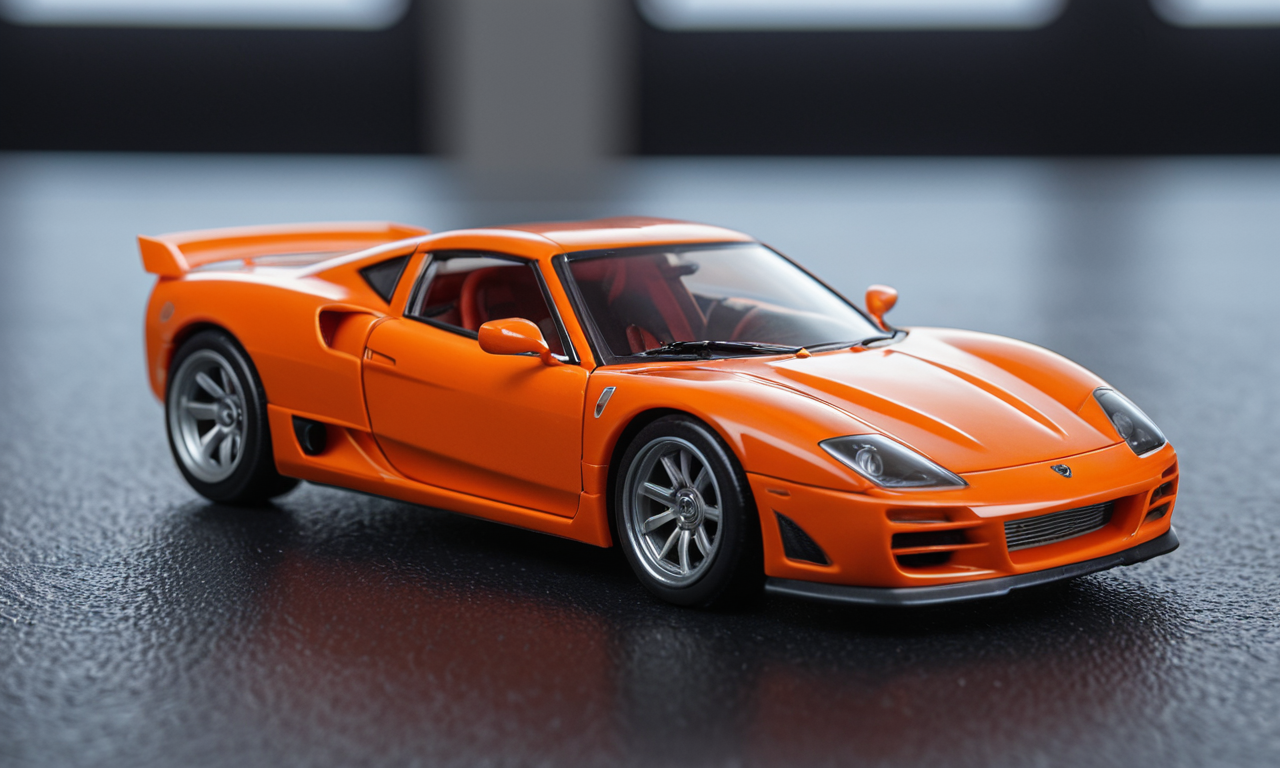
One of the biggest mistakes new collectors make is trying to collect everything. Hot Wheels releases hundreds of new cars every year. If you try to keep up with all of them, you will burn out and go broke. Instead, pick a focus. It can be a casting you love, a theme, a era, or a specific series. When you have a focus, you can walk past 90 percent of the pegs without a second thought, and that saves you money and space.
Here are some budget friendly focus ideas:
-
JDM cars: Honda, Nissan, Toyota. Mainlines of these are plentiful and cheap, and the premiums hold value well.
-
Muscle cars: Mustangs, Camaros, Chargers. Lots of mainline releases, easy to find.
-
Trucks and off road: Thematically fun and often overlooked by other collectors, so easier to find.
-
Real Riders only: If you love the rubber tires, focus on premium and special releases that come with them.
-
Spectraflame finishes: These are the shiny, metallic looking cars. They are mostly in premium lines but can be found on a budget if you hunt.
Your focus will also help you decide what to buy when you are standing in the aisle with 10 cars in your hand. If it does not fit the focus, put it back. Your shelf will look more intentional and your wallet will thank you.
Hunt Smart: Where to Find Cheap Hot Wheels
The best way to build a collection on a budget is to hunt where the prices are low. That means big box stores, dollar stores, grocery stores, and discount chains. You will not find rare treasure every time, but you will find plenty of mainlines at retail price. And sometimes, you get lucky.
Here is my peg hunting routine. I hit the same stores on a schedule. I know when the trucks arrive. I check the pegs, then I check the bins. I look for case codes on the boxes. Case codes tell you what is inside, so you can avoid opening a case that has nothing you need. That is a huge time and money saver.
I also talk to the employees. Be friendly. Ask when they restock. Sometimes they will even let you know if a case is in the back. I have gotten first pick of many cases just by being a decent human being.
Do not ignore the secondary market, but be careful. You can find good deals on used lots, but you need to know what you are looking at. Check the card corners and the blister seals. A car with a crushed blister is worth less. If you are buying online, ask for clear photos. Our price history can give you a ballpark of what a car is actually selling for, so you do not overpay.
Tip: Never pay more than retail for a current mainline. They are still being made. Wait for the restock.
Know What You Are Buying: Quality Over Quantity
A serious shelf is not about having the most cars. It is about having the right cars. When you are on a budget, every purchase counts. So learn to spot quality. Check the paint for chips. Look at the card for creases. Make sure the blister is sealed tight. A carded car in perfect condition is always worth more than a loose one, even if it is the same casting.
Also, learn the difference between mainlines and premium. Mainlines are the basic $1 to $2 cars. They have plastic wheels and a standard finish. Premiums are $5 to $7, have Real Riders (rubber tires), and often feature Spectraflame paint. They are more detailed and hold value better. If you are on a tight budget, focus on mainlines, but save up for the occasional premium that fits your focus.
Do not fall for hype. Just because a car is popular on social media does not mean it is rare. Many mainlines are produced in huge numbers. If you see a car selling for $20 online, check the completed sales first. Often you will find it sells for $3. Do not be the person who overpays.
Storage and Display on a Budget
You do not need a fancy display case to keep your cars safe. In fact, some of the best storage solutions are cheap and simple. For carded cars, use plastic storage bins or shoeboxes. Keep them in a cool, dry place, away from sunlight. Sunlight fades the cards and can warp the blisters.
For loose cars, you can use cheap tackle boxes or craft storage boxes with dividers. I use a few of those for my loose collection. They keep the cars from scratching each other and make it easy to find what I want.
If you want to display your cars, you can build simple shelves from cheap wood or use pegboard. There are lots of DIY plans online, but you can also just use a bookshelf. The key is to keep them out of direct sunlight and away from dust. A can of compressed air is your friend.
Tip: Save the plastic protectors that some premiums come in. They are great for protecting your best carded cars.
The Smart Way to Build a Serious Shelf
Building a collection on a budget is not about deprivation. It is about being intentional. When you focus your collection, hunt smart, and buy quality over quantity, you end up with a shelf that tells a story. It reflects your taste, not just your spending.
Remember, every collector starts somewhere. Some of the most respected collections I have seen were built $5 at a time. The key is to enjoy the process. The hunt is half the fun. And when you finally find that one car you have been chasing for months, it feels a lot better when you know you did not go into debt for it.
Check our catalog regularly to see what is coming out. Know what you are looking for before you hit the pegs. And use our checklist to keep track of what you have. It is a simple tool, but it keeps you from buying duplicates and helps you stay on budget.
Happy hunting. May your pegs be full and your wallet stay happy.
Frequently Asked Questions
What is the best budget Hot Wheels to start with?
Start with mainlines that fit your focus. They are cheap and easy to find. Pick a casting or theme you love, and build from there. You can always add premiums later.
How do I avoid overspending on Hot Wheels?
Set a monthly budget and stick to it. Use cash. Focus your collection so you are not tempted to buy everything. And always check completed sales before paying more than retail for a current car.
Are premium Hot Wheels worth it for budget collectors?
Yes, if you save up and choose carefully. Premiums have Real Riders and better paint, and they tend to hold value. But you do not need many to have a great collection. One or two special pieces can really elevate a shelf.