The Ultimate Guide to All Hot Wheels Models: From Redlines to 2027
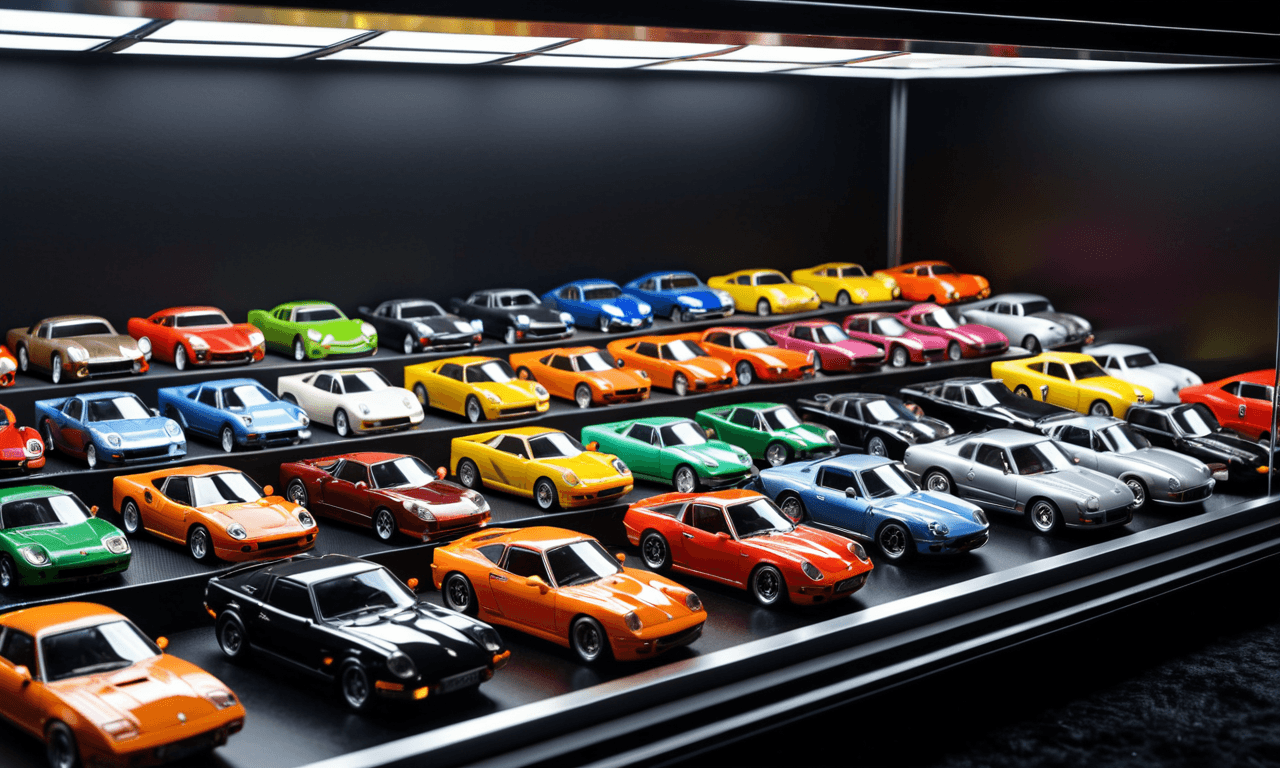
If you've ever stood in a store aisle, flipping through pegs with your heart racing because you spotted a familiar card, you know Hot Wheels collecting is more than a hobby. It's a pursuit. I've been at it for over 20 years, and I still get a thrill when I find a model I've been chasing. This guide is for every collector, whether you're just starting or you have bins of cars under your bed. We'll walk through the major eras of Hot Wheels models, from the legendary Redlines to what's coming in 2027. Along the way, I'll share tips on what to look for, how to spot variations, and how to build a collection you'll love.
The Birth of a Legend: Redlines and the Original 16
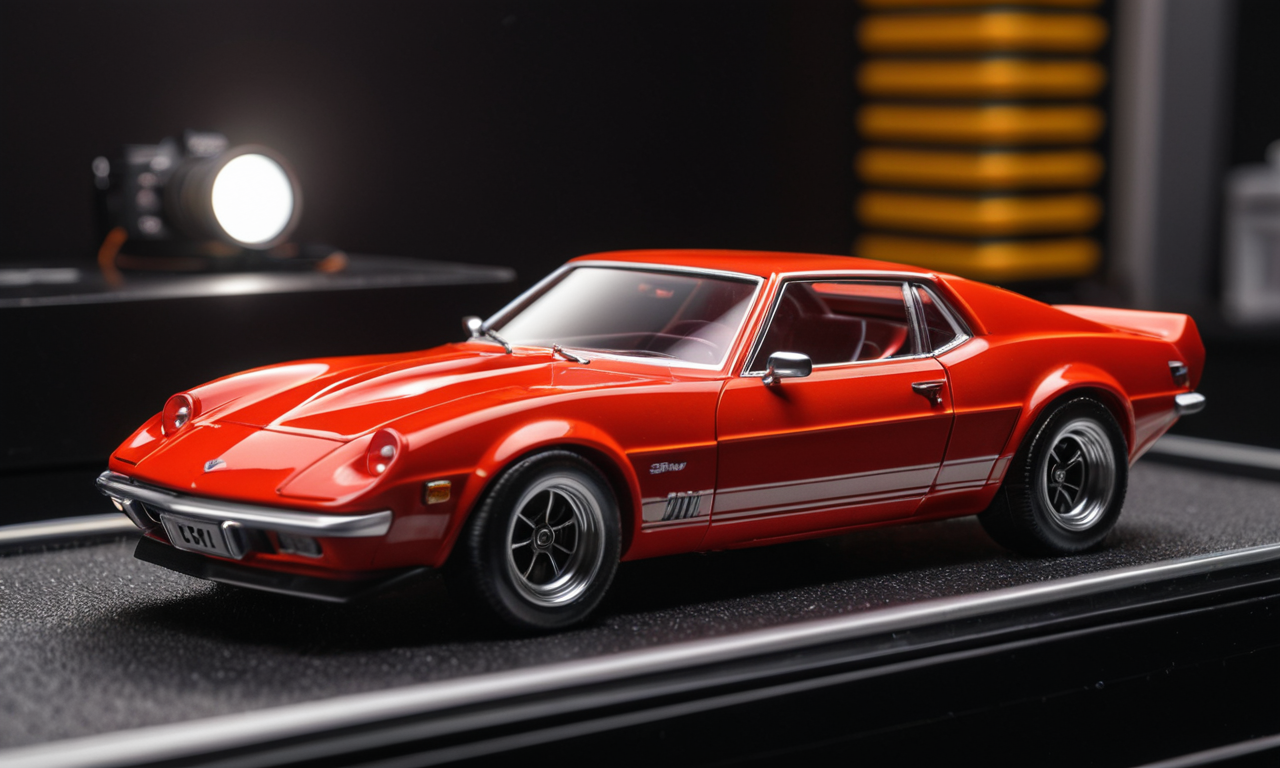
In 1968, Mattel introduced Hot Wheels with 16 models, now known as the Original 16. These cars were revolutionary because of their red-striped wheels, which gave them the name Redlines. The first releases featured Spectraflame paint, a metallic finish that made them look like custom show cars. Collectors quickly fell in love with the sleek designs and the innovative wheel technology that let them roll faster than anything else on the market.
Today, original Redlines are highly sought after. The key to identifying them is the wheels: they have a red stripe on the tire and come in various hub styles. The most valuable are the early releases with the 'toe-in' front wheels and rare colors like pink and purple. But be careful: many Redlines have been restored or have reproduction parts. Always check the rivets and the paint for signs of tampering.
Tip: When buying Redlines, look for the 'Made in USA' stamp on the base. Early models also have a 'Redline' logo on the bottom. If the price seems too good, it's probably a reproduction.
The Flying Colors and Super Chromes Era
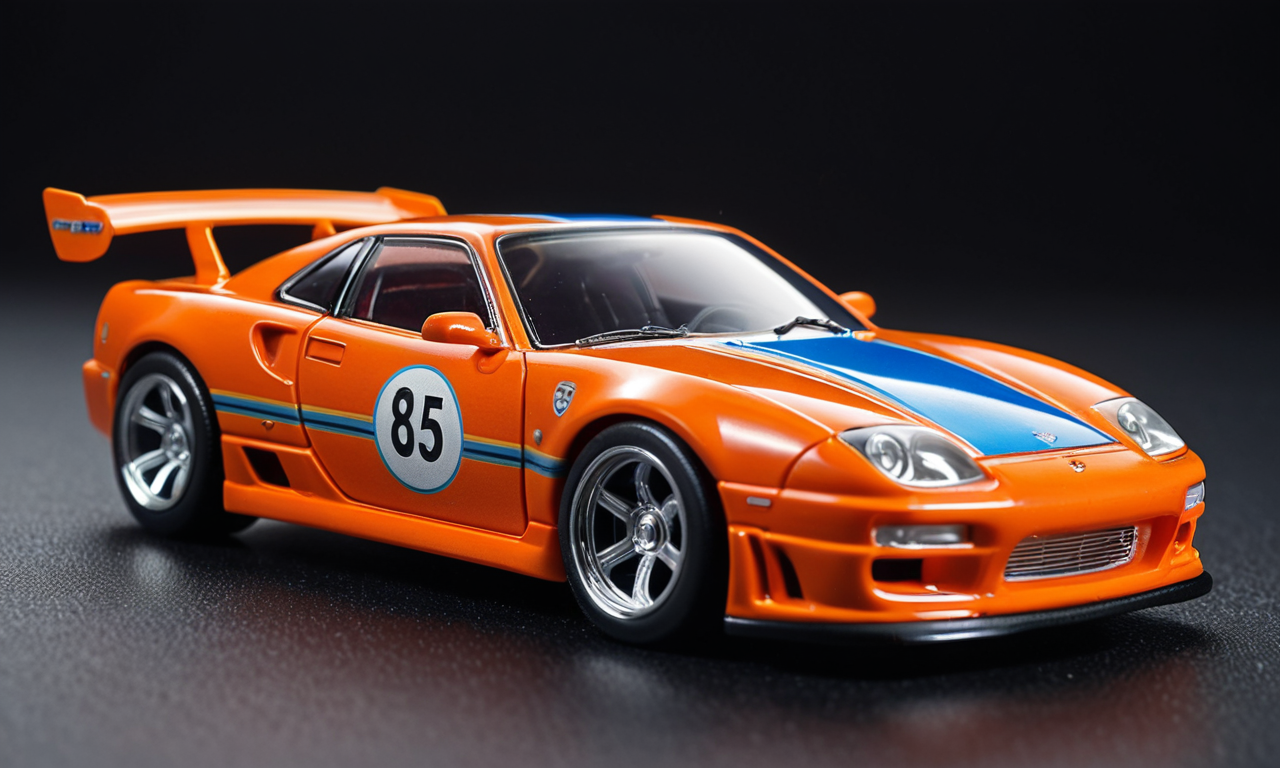
As the 1970s rolled on, Hot Wheels evolved. The Redline wheels were replaced by the Flying Colors era, which introduced the familiar 'flame' logo and a wider variety of castings. The cars now came in bright enamels and new wheel designs like the 'BW' (blackwall) and 'WW' (whitewall). This period also saw the introduction of the Super Chromes, a series of chrome-plated cars that were shiny and eye-catching.
Collectors often overlook the Flying Colors cars, but they're a great entry point. They're more affordable than Redlines but still have that vintage charm. Look for variations in wheel types and colors. Some castings, like the 'Twin Mill' and 'Beach Bomb', have become iconic and have many variations to chase.
What to Look For in Flying Colors Models
- Wheel variations: blackwalls, whitewalls, and later the 'Gear' wheels. Base variations: metal or plastic bases. Color variations: some colors are much rarer than others. Card variations: early cards had the 'flying colors' logo and are collectible on their own.
The Real Riders and the Collector Era
In the 1980s, Hot Wheels introduced Real Riders, which featured rubber tires and authentic-looking wheels. These were a hit with collectors because they added a new level of realism. The 1980s also saw the rise of collector-focused series like the 'Hot Ones' and the 'California Customs'. These series were produced in smaller numbers and often came with special packaging.
The 1990s brought the 'Treasure Hunt' phenomenon. These were limited-production cars with special paint and a green stripe on the card. They were designed to be rare and collectible, and they sparked a frenzy among collectors. Today, early Treasure Hunts are some of the most sought-after models. But beware: many later Treasure Hunts were produced in large numbers, so not all are valuable.
Tip: When hunting for Treasure Hunts, check the card for the green stripe and the 'Treasure Hunt' logo. Also, look for the 'TH' logo on the car itself. Some early Treasure Hunts had a special 'rubber' tire variation that is highly prized.
The Modern Era: 2000s to 2027
The 2000s saw Hot Wheels explode in popularity. The 'Mainline' series became the backbone of the hobby, with new castings released every year. The 'Car Culture' and 'Boulevard' series catered to adult collectors with premium details like metal bases and Real Riders. The 'Red Line Club' offered limited editions and exclusive access to new releases.
Looking ahead to 2027, we can expect more of the same, but with some exciting twists. Mattel has been experimenting with new materials and collaborations. We might see more environmentally friendly packaging and perhaps even electric vehicle castings. The 2027 lineup will likely include a mix of classic reproductions and new designs. Keep an eye on the case codes; they can help you predict which models will be in which cases and when they'll hit the pegs.
How to Identify Modern Variations
Modern Hot Wheels are all about variations. Here are some common ones to watch for:
- Wheel variations: different wheel types (e.g., 5-spoke, PR5, Steelie) on the same model. Base variations: metal vs. plastic bases. Color variations: shades and tints. Card variations: different card art or logos. Error variations: missing paint, misaligned tampos, or wrong parts.
Our catalog is a great resource for checking variations. We keep track of the latest releases and their known variants, so you can compare your finds.
Building Your Collection: Tips from a Veteran
After 20 years, I've learned a few things. First, collect what you love. Don't chase value; chase the cars that make you smile. Second, condition matters. A mint car in a mint card is always more desirable. When buying, inspect the card corners and the blister seal. A loose car is fine for display, but if you plan to resell, keep it carded.
Third, storage is key. Keep your cars out of direct sunlight and in a dry place. I use trading card sleeves for loose cars and plastic bins for carded ones. Finally, be part of the community. The friendships I've made through collecting are invaluable. Whether you're at a local meet or browsing our community forum, share your finds and learn from others.
Tip: Always carry a small flashlight and a magnifying glass when hunting. You never know when you'll need to inspect a card for creases or a car for paint flaws.
Frequently Asked Questions
What are Redlines and why are they so valuable? Redlines are the first Hot Wheels produced from 1968 to 1977, named for the red stripe on their wheels. They're valuable due to their age, historical significance, and the fact that many were played with and damaged. Mint examples are rare.
How can I tell if a Hot Wheels model is a variation? Look for differences in wheels, base material, color, and card art. Compare your model to known examples in our catalog or ask other collectors. Error models, like missing paint or wrong parts, are also considered variations.
What should I look for in the 2027 Hot Wheels lineup? Keep an eye on case codes and new casting announcements. Mattel often releases previews at conventions. Focus on premium lines like Car Culture and Boulevard, as they tend to hold value. Also, watch for any anniversary or special edition models.