The Ultra Turbofire Deep Dive: Why This Hot Wheels Casting Deserves Way More Attention
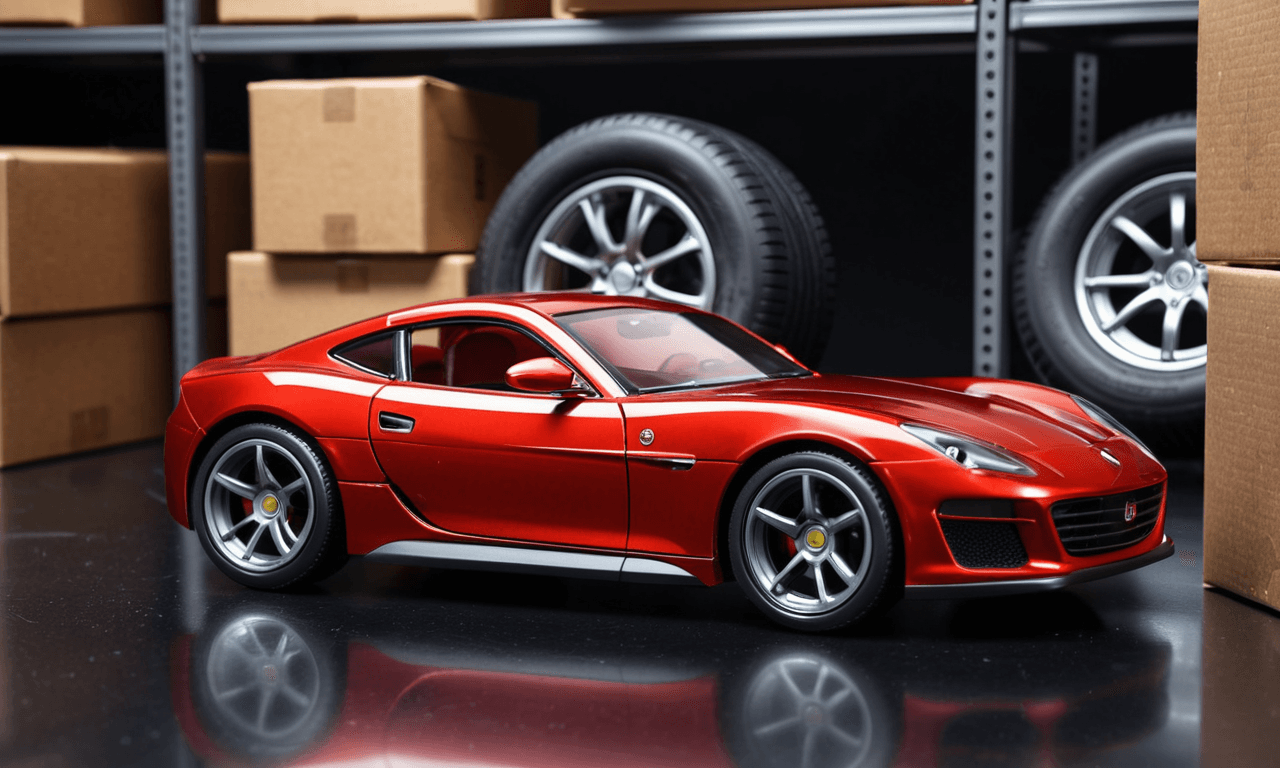
Every collector has that one casting. The one nobody fights over at the pegs, the one that sits in the bin for months while the JDM stuff vanishes in minutes. For me, the Ultra Turbofire is that casting. It has been kicking around the mainline for years, showing up in generics, multipacks, and the occasional themed series, and most collectors walk right past it. That is a mistake. After 20 plus years of digging through cases and bins, I have learned that the quiet castings are often where the fun hides, and the Ultra Turbofire is a perfect example of a design that rewards a closer look.
This is not a hype piece. The Ultra Turbofire is not going to fund your retirement, and I am not going to pretend otherwise. What it is, though, is a genuinely interesting little fantasy racer with real variation potential, a distinctive silhouette, and enough packaging quirks to keep a dedicated hunter busy. Let me walk you through what makes it tick and why it deserves a spot in your collection.
What the Ultra Turbofire Actually Is
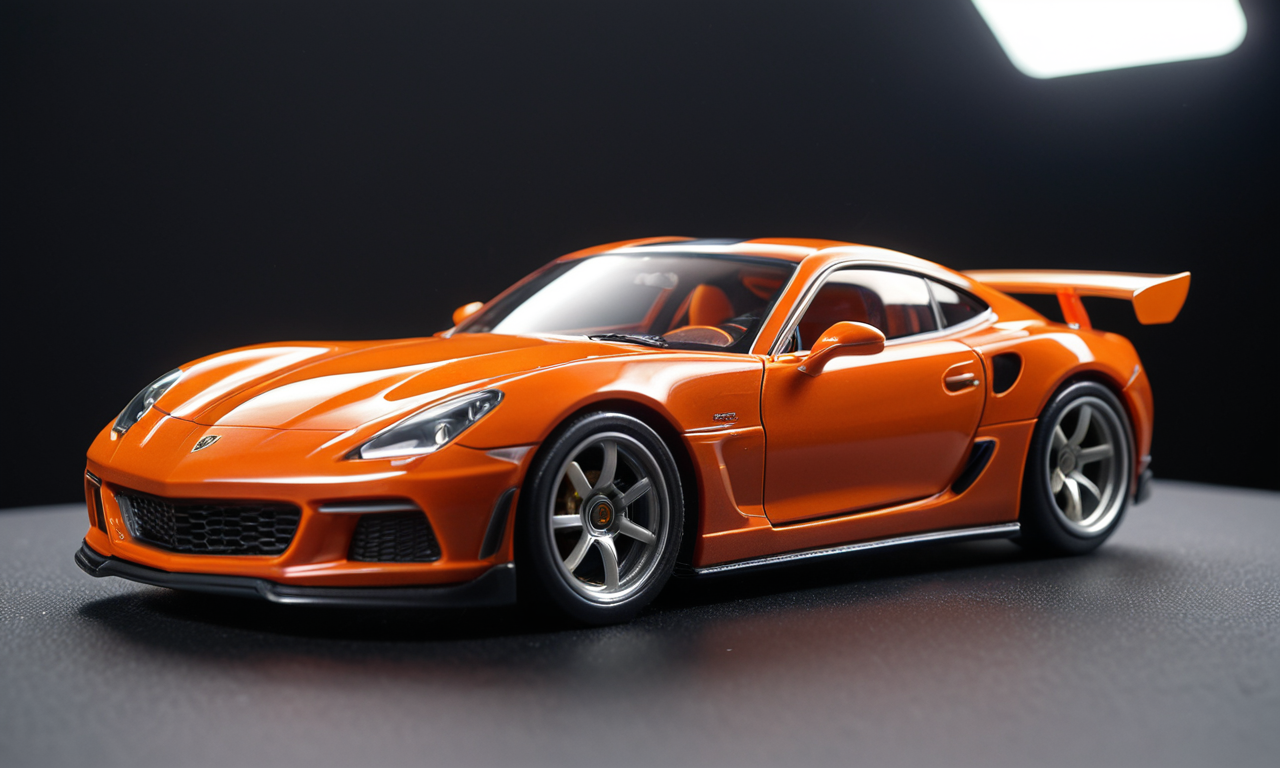
The Ultra Turbofire is a Hot Wheels original fantasy casting, not a licensed model. That matters for a couple of reasons. First, fantasy castings give Mattel's designers room to play, and you can see that playfulness in the proportions here. It leans into a futuristic, jet inspired look with a pointed nose, a low canopy style cockpit area, and a rear section that reads like it is built around a turbine or thruster. The stance is wide and planted, and the overall shape photographs well from the front three quarter angle, which is the money shot for any fantasy car.
Because it is a fantasy design, there is no real world car to compare it against, so the appeal comes down to execution. And the execution is solid. The casting has enough surface detail, hood lines, side sculpting, and rear venting, to take deco well. When Mattel throws a good graphic package at it, the Ultra Turbofire looks like a premium car. When they phone it in with a plain color and a simple stripe, it looks like what it is, a mainline filler. That swing between great and forgettable is actually one of the reasons I enjoy hunting it. You can tell a lot about a release by how much effort went into the tampos.
Scale and Proportions
Like all standard Hot Wheels, the Ultra Turbofire is a 1/64 scale model, though fantasy castings play fast and loose with real proportions. The car sits low, the wheels fill the arches nicely, and it has that chunky, toyetic presence that makes a good peg car. It is not a delicate casting. It is meant to be played with, raced on orange track, and tossed in a backpack. That durability is part of the charm, and it is also why finding a truly mint example years later is harder than you might think.
Why It Gets Overlooked
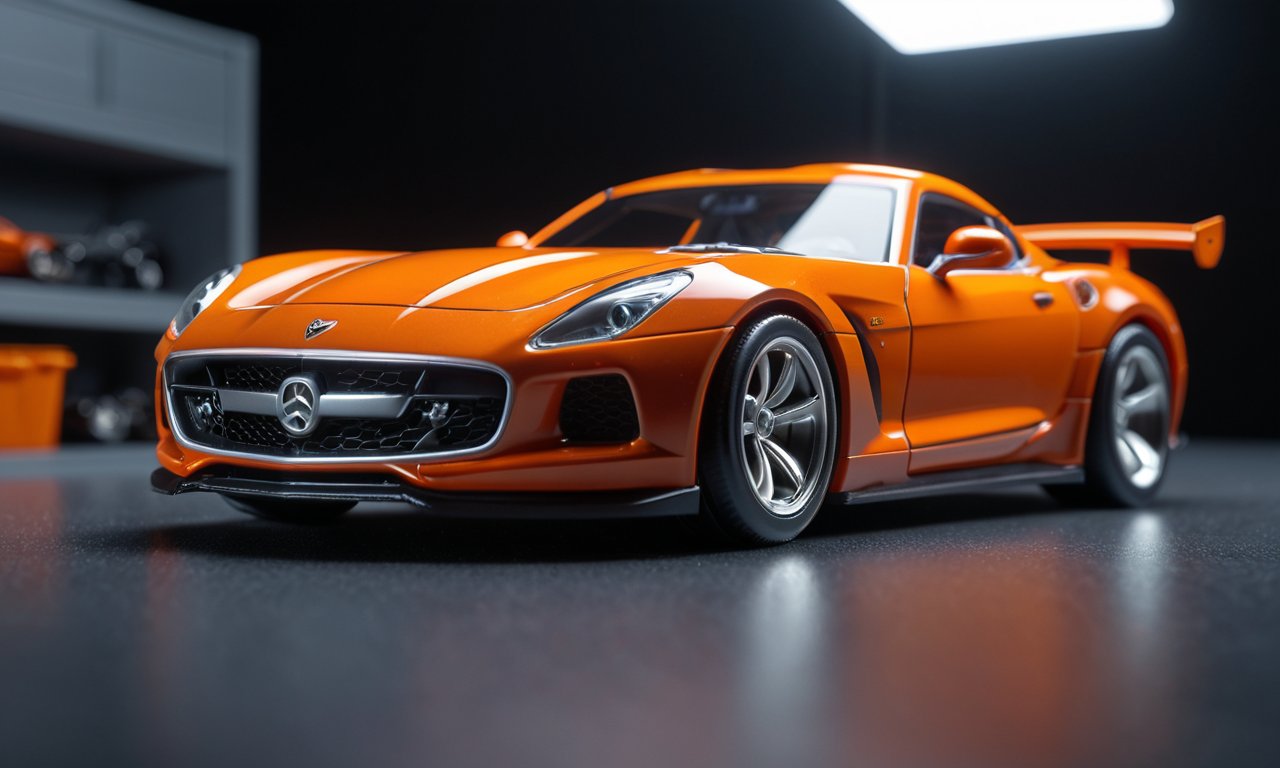
Let me be honest about the knock against it. Fantasy castings in general get less love than licensed models. Collectors chase what they know. A Skyline, a Mustang, a Porsche, those are easy sells because there is an emotional connection to the real car. A made up jet car does not have that built in nostalgia, so it has to earn its place on the shelf. The Ultra Turbofire has spent most of its life as a supporting player, showing up in multi packs and store exclusive assortments rather than headlining a premium set.
There is also the color story. Some releases have been genuinely sharp, while others landed in that mushy middle ground of metallic blues and reds that blend into a bin full of similar looking cars. If your first encounter with the Ultra Turbofire was a bland mainline hanging on a bent card, I get why you kept walking. But that is exactly the kind of casting that rewards patience. The good releases are out there, and when you find one with a strong deco package and clean wheels, it changes your whole impression of the model.
Collector tip: before you dismiss any fantasy casting, flip it over and check the base. Casting name, country of manufacture, and copyright dates tell you more about a release than the card art ever will. I have found date code differences on cars that looked identical on the peg.
Variations Worth Hunting
Here is where the Ultra Turbofire gets interesting for variation hunters. Because it has been in production across multiple years and multiple segments of the lineup, there are real differences to chase. I want to be careful here and not invent specifics, because exact color and wheel combinations shift by release and I do not want to send you chasing a car that does not exist. What I can tell you is the categories worth watching.
Color and Deco
The most obvious variation axis is paint. Metallic finishes, solid enamels, and the occasional special finish show up across the casting's life, and the tampo graphics vary wildly from release to release. Some versions carry full side graphics and hood details, while others are nearly bare. Watch for cars where the deco lines up cleanly with the body sculpting. Misregistered tampos are common on fantasy castings, and a perfectly aligned graphic package is genuinely harder to find than people assume.
Wheels
Wheel type is the other big one. Basic releases typically run standard plastic wheels, and the exact style has changed over the years. If you spot an Ultra Turbofire with a wheel type that does not match the majority of examples you have seen, that is worth a second look. Real Riders rubber tires are the dream scenario, and while I would not promise you a specific Real Riders release, any premium or special edition with rubber tires instantly elevates the casting. Check the wheel style against the card and against other examples in the same assortment.
Base and Country of Origin
Base variations are the quiet collectors' game. Country of manufacture markings, base material, and copyright stamp details can differ between production runs, and these details are often the only way to tell two otherwise identical cars apart. Get in the habit of flipping every Ultra Turbofire you pick up. It takes 2 seconds and it is how you catch the oddities.
- Compare tampo alignment across multiple examples before buying a duplicate. Clean graphics command a premium in trade.
- Check wheel style against the assortment, not just the card photo, since card art and actual product can differ.
- Flip the car and read the base for country and copyright details, which help date a release.
- Look for color shifts within the same release, especially on metallic finishes where batch variation happens.
- Note card and blister condition, since a clean card is often worth more than the car itself to carded collectors.
Packaging and Condition Notes
If you collect carded, the Ultra Turbofire is a casting where packaging condition really separates examples. Standard mainline cards are thin and prone to soft corners, and fantasy castings tend to get handled more roughly on the peg because nobody is guarding them. A crisp card with sharp corners, no creasing, and a clean, fully sealed blister is a much better find than the same car on a beat up card. The blister seal matters too. Look for lifting or yellowing along the edge where the plastic meets the card, since that is the first sign of a compromised seal.
For loose collectors, the checklist is different. Wheel chrome wear, paint chips on the nose and rear edges, and tampos rubbed off from play are the usual suspects. The pointed nose on the Ultra Turbofire is a chip magnet, so inspect the front tip closely. A loose example with intact nose paint and clean tampos is a keeper. If you are building a loose set, our catalog is a good place to start mapping out which releases you still need, and our checklist keeps the hunt organized when you are staring down a wall of bins.
Storage That Actually Protects
Carded cars belong in protectors, full stop. A cheap plastic case protects corners and keeps the card flat. Loose cars should live somewhere dust free, ideally in a case with individual compartments so they do not rub against each other. The Ultra Turbofire's wide stance means it takes up a little more room than a slim casting, so plan your storage accordingly. And keep them out of direct sunlight. Paint fade on metallic finishes is real and it is permanent.
How to Hunt It Without Wasting Time
Peg hunting for an underrated casting is a different game than hunting a hyped one. You are not racing anyone. That is the good news. The bad news is that because nobody is watching for it, the good examples can sit for a long time and get picked over by kids and casual shoppers. So you need a system.
Start with case codes. When a fresh case hits the shelf, check the code on the box if you can, because it tells you what assortment you are looking at. Then work the peg methodically, front to back, and pull every Ultra Turbofire you see. Compare them side by side. Two cars that look identical at arm's length often differ in tampo alignment or wheel style when you hold them together. If you find a clean one, buy it. Do not assume you will see another, because restocks are unpredictable and fantasy castings do not always get reordered.
Peg tip: keep a short want list on your phone with casting name and the specific variation you are missing. Vague goals lead to vague hunting. Specific goals get cars on the shelf.
Also check multi packs and store exclusive assortments. The Ultra Turbofire has a habit of hiding in those, and multi packs are where you can sometimes find a colorway that never showed up as a single. The trade off is that multi pack cars are sometimes handled more, so inspect carefully. Our price history is useful here for spotting which releases actually trade at a premium versus which ones are just uncommon on a given shelf.
Should You Collect It?
Here is my honest take. If you only collect licensed cars, the Ultra Turbofire probably will not convert you. But if you enjoy fantasy castings, if you like hunting variations, or if you just want a casting you can actually find and complete without fighting a mob, this one is worth your attention. It is cheap to collect, it looks great when Mattel nails the deco, and the variation potential keeps it from getting boring. That is a better value proposition than a lot of the hyped castings that cost 10 times as much and sit in a display case untouched.
The Ultra Turbofire is not a trophy. It is a working collector's car, the kind you can actually build a run of, compare, and enjoy. Give it a second look next time you are at the pegs. You might be surprised how good it looks once you stop comparing it to something it was never trying to be.
FAQ
Is the Ultra Turbofire a licensed car? No. It is a Hot Wheels original fantasy casting, which means it is a Mattel design rather than a replica of a real production vehicle. That is part of why its deco and proportions vary so much across releases.
Are Ultra Turbofire variations actually valuable? Most are not. The casting is generally affordable, and the majority of releases trade at or near mainline prices. The exceptions are clean carded examples, unusual colorways, and any special edition with premium wheels, so condition and packaging matter more than the casting name alone.
What should I check first on a carded Ultra Turbofire? Card corners and the blister seal. Sharp corners and a fully sealed, non yellowing blister matter more than the car for carded value. For loose cars, check the pointed nose for paint chips and inspect the tampos for rubbing.