What Precio Really Tells You About Hot Wheels Value, and What Most Collectors Get Wrong
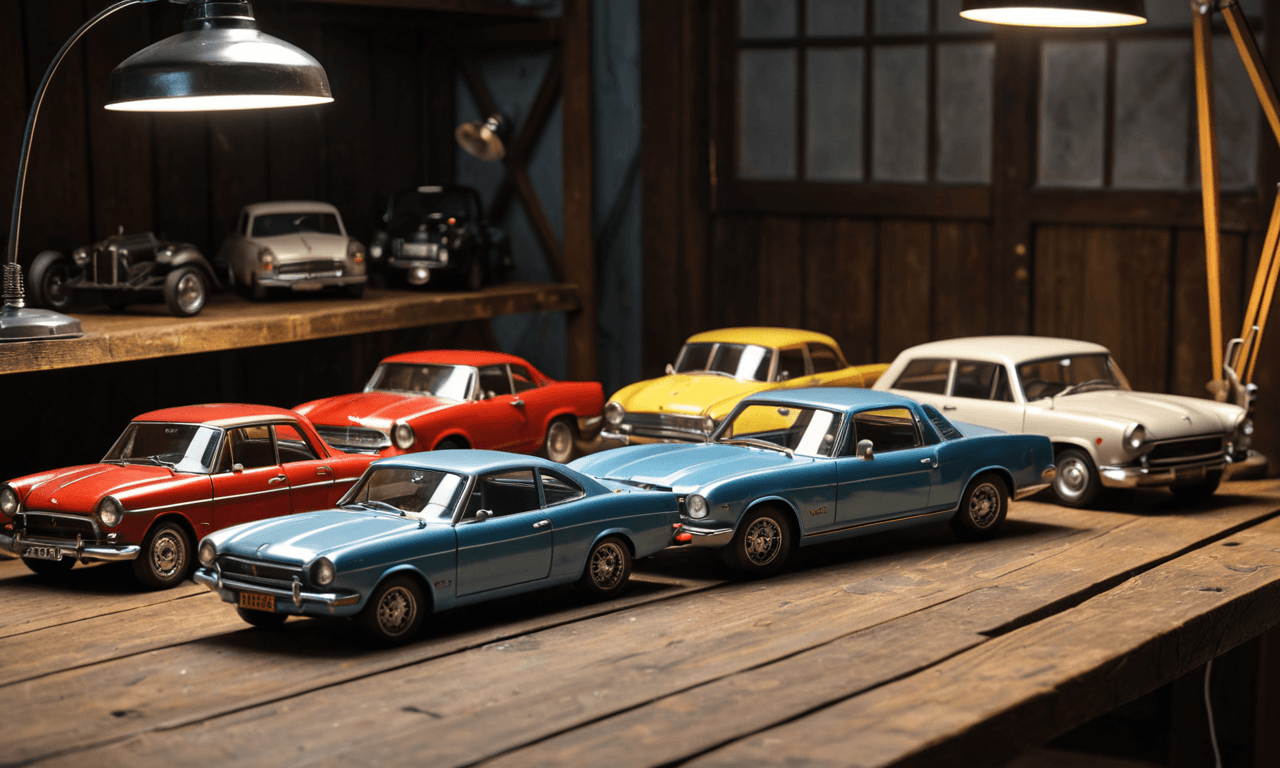
Walk into any flea market in 2026 and you will hear the same word floating over the tables. Precio. Price. Sellers say it like it settles the argument. Buyers hear it like it is gospel. And somewhere in the middle, a collector pays 40 dollars for a mainline that is worth 3. After 20 plus years of digging through bins, sorting cases at midnight and watching grown adults argue over cardboard, I can tell you the number on the tag is the least reliable thing in this hobby. Precio is not value. Precio is a claim. Value is what the market actually does when nobody is watching the negotiation.
That is the part most collectors get wrong, and it costs them real money every single week. Let us break down what that price tag is really telling you, and what you should be reading instead.
Precio Is an Asking Price, Not a Sold Price

The first and biggest mistake is treating an asking price as a fact. Anybody can write 75 dollars on a sticky note. Anybody can list a car for 200 dollars and leave it up for 8 months. That number does not mean the car is worth 200 dollars. It means the seller wants 200 dollars, and so far nobody has agreed.
Real value lives in completed sales, and even those need reading with a skeptical eye. A single sold listing is an anecdote. Three sales in the same week, in the same condition, from different sellers, starts to look like a trend. When our price history shows a car selling consistently in a narrow band, that band is the value. When it shows wild swings from 15 to 90 dollars, that is not a market. That is a few emotional buyers and a lot of noise.
Collector tip: before you believe any price, ask one question. Did it sell, or is it still sitting there? Unsold listings are advertising, not evidence.
I have watched the same mainline sit on a table at 20 dollars for 3 straight months at a local swap. The seller pointed at that tag every time someone picked it up. It never sold. The precio was loud. The value was zero at that number. Eventually it went home in the same shoebox it arrived in.
Condition Does More to Value Than Any Hype Cycle
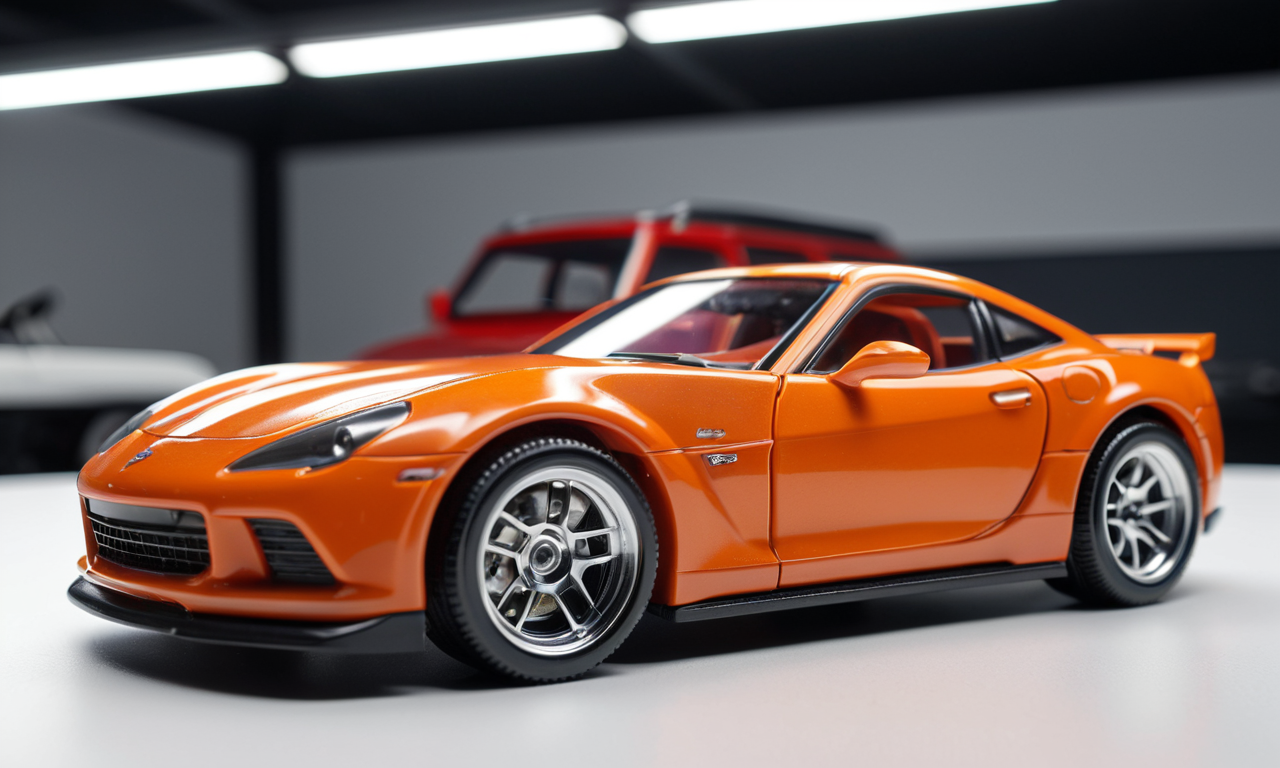
Here is where new collectors lose the most money. They chase a hyped casting, pay a premium, and ignore the fact that the card looks like it survived a car wash. In this hobby, the car and the card are two separate assets. And the card often decides the real number.
The Card Corners and Blister Seal Problem
A mint card with sharp corners, no creases, no price sticker residue and a clean, intact blister seal can double or triple the value of the same car on a beat card. A cracked blister, a lifted seal, a bent corner, a softened edge from humidity. All of that pulls the number down hard. Serious buyers zoom in on corners and the seal before they even look at the car. If you are paying a premium, you are paying for the cardboard too. So do not pretend it does not matter.
Loose cars are a different game entirely. A loose mainline with paint chips, bent axles or wheel rub is worth a fraction of its carded twin. But a loose premium with Real Riders, clean paint and original wheels can hold real value to the right buyer. The lesson is consistent. Condition is not a detail. It is half the price.
Why Hype Prices Collapse
Every few years a casting gets hot, the precio spikes, and everyone with a case of them starts dreaming. Then the next wave hits, supply catches up, and the same car that sold for 60 dollars is now a 12 dollar shelf warmer. Hype is a wave, not a foundation. If you buy at the top of a wave because a tag told you to, you are not collecting. You are speculating. And speculators get hurt.
The collectors who do well buy what they actually like, buy it at a fair number, and let time do the work. They are not refreshing sold listings at 2 in the morning hoping a spike confirms their purchase.
The Details That Actually Move the Number
If precio is unreliable, what should you read instead? These are the factors that genuinely separate a 5 dollar car from a 50 dollar car. Learn them and the price tags stop scaring you.
-
Casting and release year: first releases, short runs and discontinued castings carry weight. A common casting in a common color is common, no matter what the tag says.
-
Card condition: corners, edges, surface, blister seal, sticker residue. Mint in a top loader beats near mint in a shoebox every time.
Run our checklist against a car before you accept a number. Nine times out of 10 the price tag and the checklist disagree. And the checklist is the one telling the truth.
- Wheels and finish: Real Riders, Spectraflame paint and premium finishes are real value drivers. Basic plastic wheels on a basic mainline are not.
Why Peg Hunters Read Precio Differently
- Treasure Hunt and Super Treasure Hunt status: these matter, but only when the card and car are clean. A beat Super is still a Super, but the premium shrinks fast.
If you have spent time hunting pegs, you already know the retail price on a mainline is almost meaningless to a collector. Two dollars and change buys you a car that might be worth 2 dollars forever, or might be a Super that a dealer will happily flip for 10 times that. The shelf price tells you what Mattel charges. It tells you nothing about collector value.
- Case codes and assortment: knowing which case a car shipped in helps you judge scarcity honestly instead of guessing from a seller story.
That gap is where the real skill lives. A peg hunter learns to spot the short card, the odd wheel variation, the casting that quietly stopped shipping, the case code that signals a fresh assortment. None of that shows up on a price sticker. All of it shows up in what the car is actually worth to the right buyer on the right day.
- Region and demand: a car that is everywhere in one country can be genuinely hard to find in another. Local scarcity is real, but it is not the same as global value.
Collector tip: treat every price tag as a question, not an answer. Your job is to figure out whether the number matches the car, the card and the demand. That is a 30 second skill you can build.
The flip side is also true. Plenty of genuinely valuable cars sit on tables with modest prices because the seller does not know what they have. Those are the finds that keep us in the hobby. Precio misleads in both directions, which is exactly why you cannot outsource your judgment to a sticker.
A Simple Way to Read Value Without Getting Burned
Here is the process I use, refined over too many bad buys to count. It is not glamorous, but it works.
That last one matters more than people admit. The best collectors I know are not the ones with the deepest pockets. They are the ones who can walk away from a hyped tag without flinching.
Frequently Asked Questions
Does a high asking price mean a Hot Wheels car is valuable? No. An asking price is a hope, not a fact. Value comes from completed sales in comparable condition. If a car keeps sitting at a high price and never sells, that number is fiction.
How much does card condition affect value? It varies by car, but on desirable castings a mint card with sharp corners and an intact blister seal can be worth significantly more than the same car on a damaged card. On common mainlines the difference is small, so do not overpay for cardboard on a car nobody is chasing.
Should I buy loose cars or only carded ones? It depends on your goal. Carded cars protect value better and are easier to resell. Loose cars are cheaper, easier to display, and often the smarter buy if you just love the casting. Be honest about which collector you are before you spend.
- Check recent sold prices, not asking prices. Look for a cluster of sales, not a single outlier.
Precio is information, but it is not the whole story. Read the sold data, inspect the card, know the casting, and set your own number before you reach for your wallet. Do that and the tags stop controlling you. Do it consistently and you will quietly out collect half the room.
-
Grade the card and the car separately. Be brutally honest about corners, seals and paint.
-
Compare like to like. A loose car is not the same asset as a carded one, and a premium is not the same as a mainline.
-
Check the casting against our catalog so you know the release year, the assortment and whether it is actually scarce.
-
Decide your number before you talk to the seller. If the price is above your number, walk. There is always another car.