Why Hot Wheels First Editions Matter More Than You Think
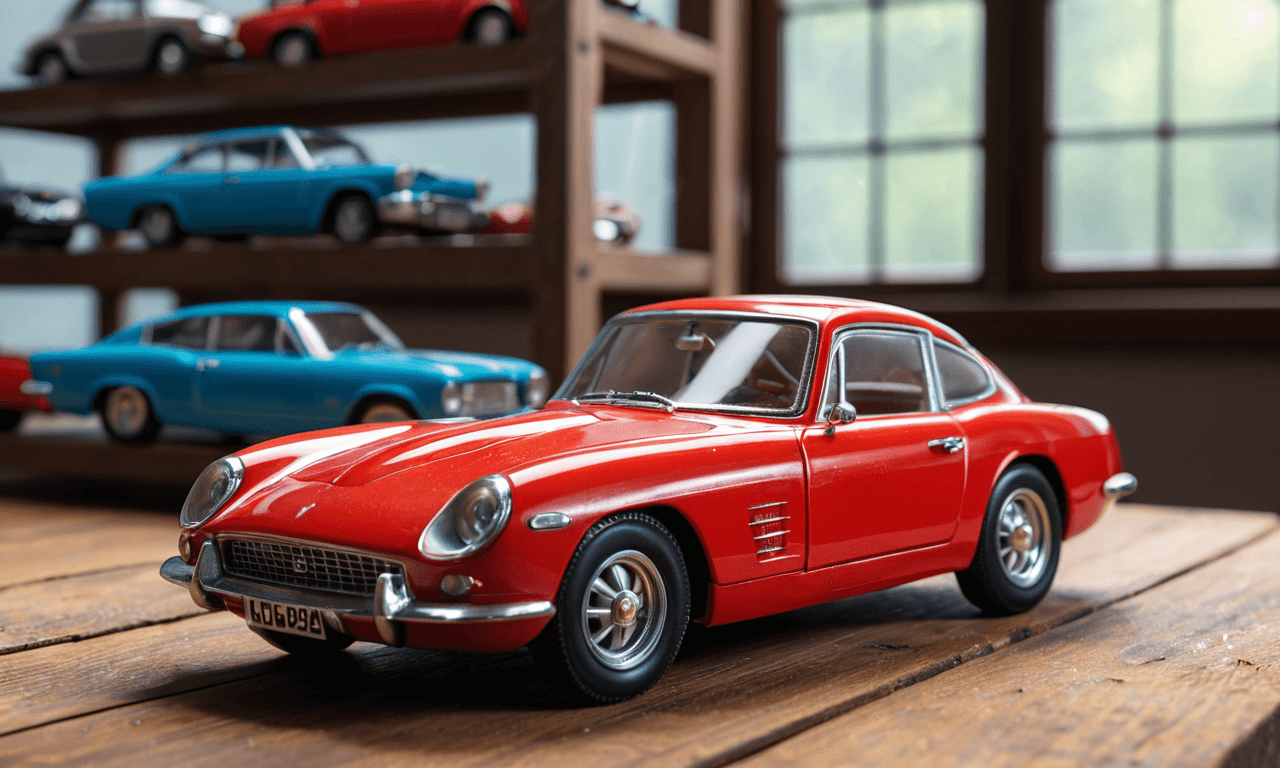
Walk into any collector meet and you'll hear the same thing. First Editions are cheap. First Editions are everywhere. First Editions are what people buy before they know better. I've been pulling cars off pegs for over 20 years, and I want to push back on all of that. Because the way most people talk about First Editions misses what they actually are: the debut release of a casting, the first card the tooling ever saw, and in many cases the only affordable way to own a specific design in its original form.
This isn't a hype piece. Plenty of First Editions are worth exactly what you paid at the register, and that's fine. But treating the whole category as filler is a mistake. It costs collectors money and, more importantly, it costs them the history of the hobby. Let's get into it.
First Editions Are the Debut Card of a Casting
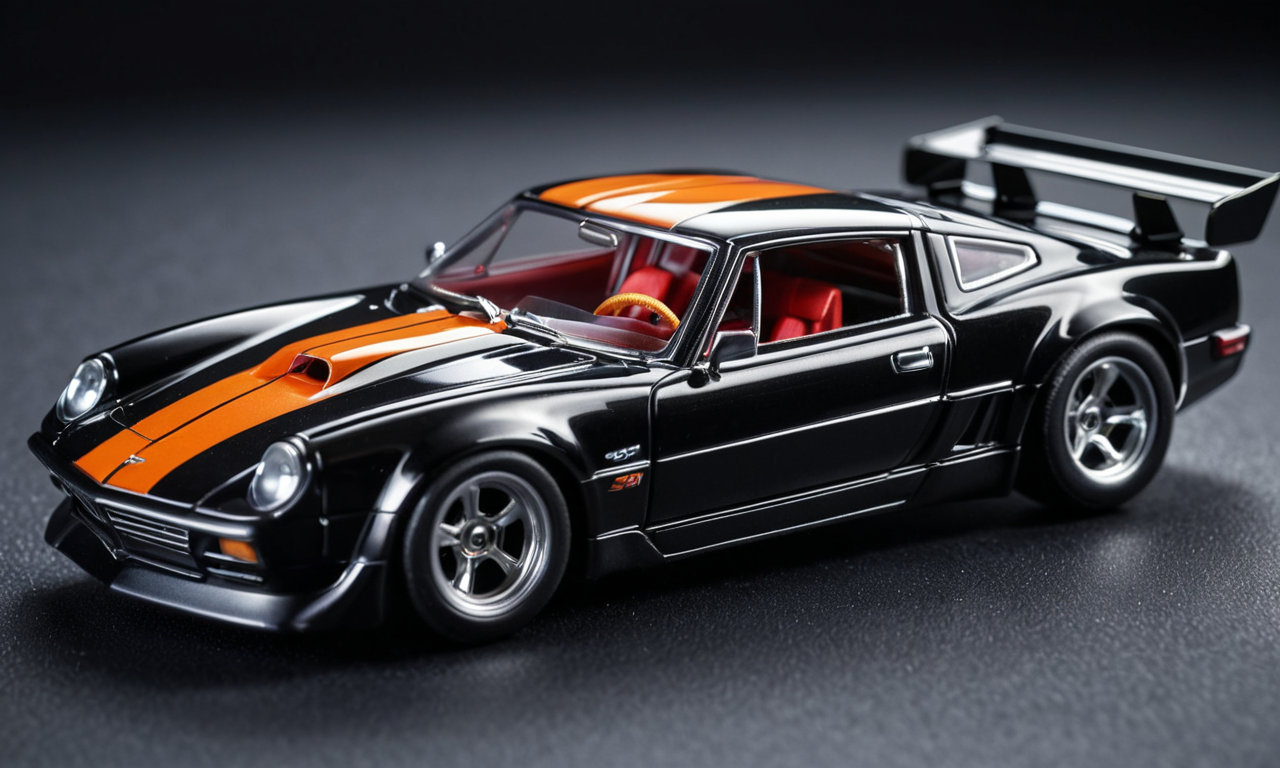
A First Edition is the first mainline release of a brand new Hot Wheels casting. When Mattel tools up a new car, that debut release carries a specific spot in the lineup. After that, the casting gets recolored, retooled, or quietly retired. The debut card is the only one that captures the car exactly as it was designed to be seen the first time.
That distinction matters more than it sounds. Collectors talk endlessly about first appearances in comics and rookie cards in sports. Hot Wheels works the same way, except the entry price is usually a few dollars instead of a few thousand. You're buying the same concept, the first appearance of a design, at a fraction of the cost of almost any other collecting category.
Here's the part that trips people up. A casting can appear in multiple years, multiple colors, and multiple series. None of those later releases are First Editions. They're just later releases. The debut card is a fixed point in time, and it doesn't move.
The 1999 Relaunch Changed Everything
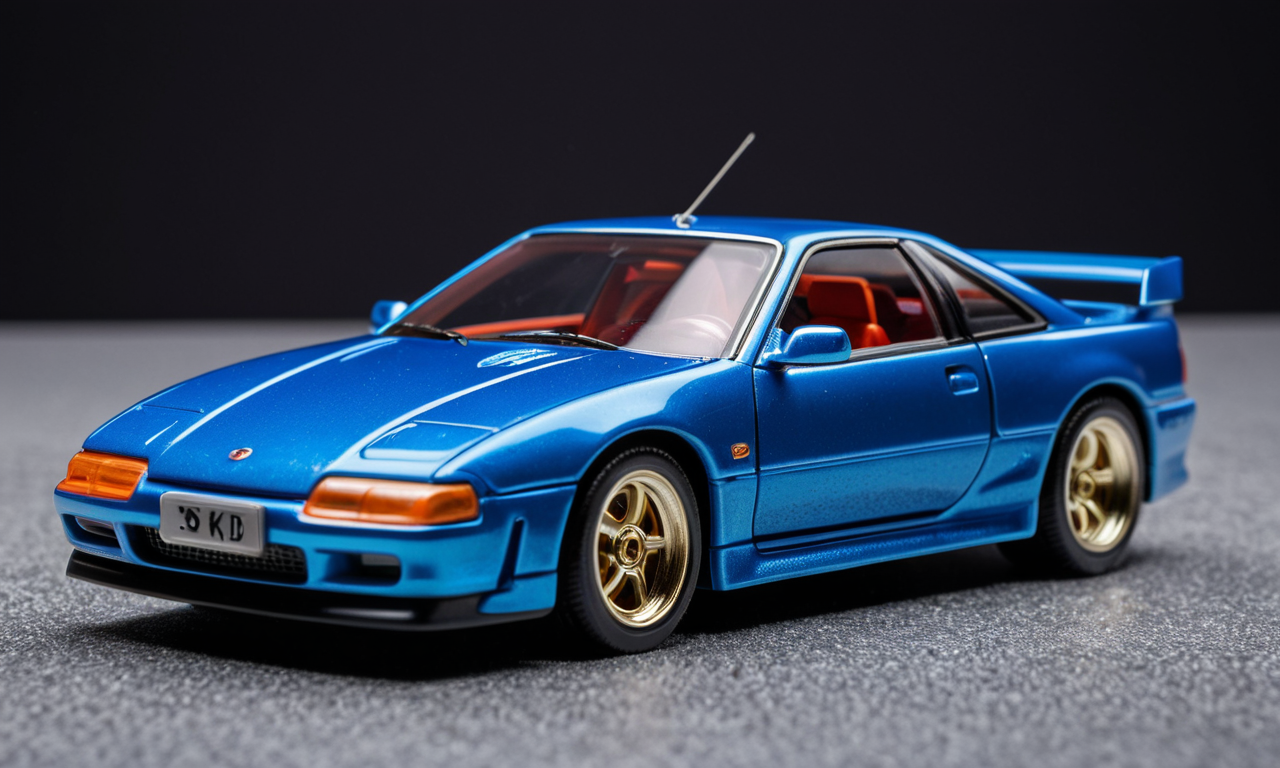
You can't talk about First Editions without talking about 1999. That's the year Mattel relaunched the First Editions branding as a numbered series, and it's the year most modern collectors point to when they describe where the hobby restarted. The 1999 First Editions run is the anchor of the entire modern era.
Those cars were produced in enormous numbers, so don't let anyone tell you a loose 1999 First Edition is a rare gem. It's not. But sealed examples in genuinely clean condition are a different conversation. Complete runs are harder to assemble than people assume, because the cards were handled by kids, stuffed in bins, and bent on pegs for years. Survival rates on clean cards are lower than the production numbers suggest.
Why the 1999 Run Still Matters
- It established the numbered First Editions format collectors still recognize today. It introduced a wave of castings that became long running staples of the mainline. It's the most common starting point for collectors building a First Editions run. It sits at a price point where new collectors can actually participate.
That last point is underrated. A hobby where the entry level is inaccessible dies. First Editions keep the door open, and that's a feature, not a flaw.
Condition Is Where the Real Value Lives
Ask a veteran what they look at first on a First Edition and they won't say the casting. They'll say the card. Corners, edges, the hang tab, the blister seal, the paint under the plastic. A clean card can double or triple what a beat card brings for the same car, and that gap is only going to widen as clean examples get absorbed into collections and stop circulating.
The Card Checklist I Actually Use
- Corners: sharp and square, no fuzzing or soft bends. Edges: no white stress lines along the top or bottom. Hang tab: intact, not punched through or torn. Blister: fully sealed, no lifting at the edges, no yellowing or cracking. Paint: check for rubs and chips visible through the blister before you buy. Card face: no creases, no sticker residue, no sun fade.
The blister seal is the one people skip. Run a fingernail gently along the edge of the bubble. If it lifts, walk away. A lifted seal is the first step toward a loose car, and a loose car is a different, cheaper item.
Collector tip: buy the cleanest card you can afford, not the cheapest example of the car you want. Ten years from now you'll remember the 5 dollars you saved for about a week, and you'll look at that bent corner forever.
Variations, Errors, and Case Codes
First Editions are a hot spot for variations because new tooling means early production runs, and early production runs mean small differences before the process settles. Wheel variations, base variations, and packaging differences all show up here more than in later releases of the same casting. That's a real reason to pay attention.
Case codes matter too. If you're hunting a specific First Edition on the pegs, knowing which case code it shipped in saves you hours of digging through the same 3 cases at every store in your area. Our catalog lists case codes alongside casting details, and it's the single fastest way to stop wasting gas.
Be honest with yourself about errors, though. Not every factory slip is valuable. Some are common, some are noise, and some are genuinely sought after. Value depends on demand, and demand on errors is uneven. Don't pay a premium for an error just because someone called it rare.
The Affordability Argument Is the Strongest One
Here's the practical case. Redline era cars with Spectraflame paint and Real Riders are priced out of reach for most people. That's just reality. First Editions give you the same collector experience, the debut release of a casting, in a package you can actually find and afford. You get the hunt, the condition chase, the variation search, and the completionist satisfaction without a second mortgage.
That's why First Editions matter more than people think. They're not the consolation prize. They're the accessible tier of the same hobby logic that drives the six figure auctions, and they're where most collectors learn how to evaluate condition, spot variations, and build a focused run. The skills transfer directly upward.
There's also a completion angle. Building a full First Editions run for a given year is a real project. It takes time, it takes a checklist, and it takes patience with peg hunting. If you want a collecting goal that will keep you busy for years without bankrupting you, this is it.
How to Hunt Them Without Wasting Money
- Pick a year or a casting family and commit to it instead of buying randomly. Carry a checklist so you don't double buy. Inspect the blister seal every single time. Store them upright in a case, not stacked in a shoebox. Keep the cards dry, out of direct sun, and away from heat. Track what you paid so you know your real cost basis.
That last one is boring and it's also the difference between a collector and an accumulator. Our price history is there when you want a sanity check before dropping money on a sealed example at a meet.
Collector tip: don't chase every First Edition you see. Chase the ones that fit your run. A focused collection of 40 clean cards beats a bin of 400 bent ones every time, both in enjoyment and in resale.
Frequently Asked Questions
Are all Hot Wheels First Editions valuable? No. Most are common and inexpensive, especially loose. Value comes from clean card condition, sealed blisters, sought after castings, and specific variations. Treat the category as a collecting discipline, not a get rich scheme.
What is the difference between a First Edition and a regular mainline release? A First Edition is the debut release of a new casting. Later releases of the same casting in different colors or series are mainline cars, not First Editions, even if the casting is identical underneath.
Should I open my First Editions? That's your call, but know the tradeoff. Loose cars are easier to display and enjoy, and sealed cars hold more value and keep the debut card intact. If you want both, buy 2. One to open, one to keep sealed. That habit has served me well for 20 years.