Aristo Rat DTX10: The Forgotten Casting With a Cult Following
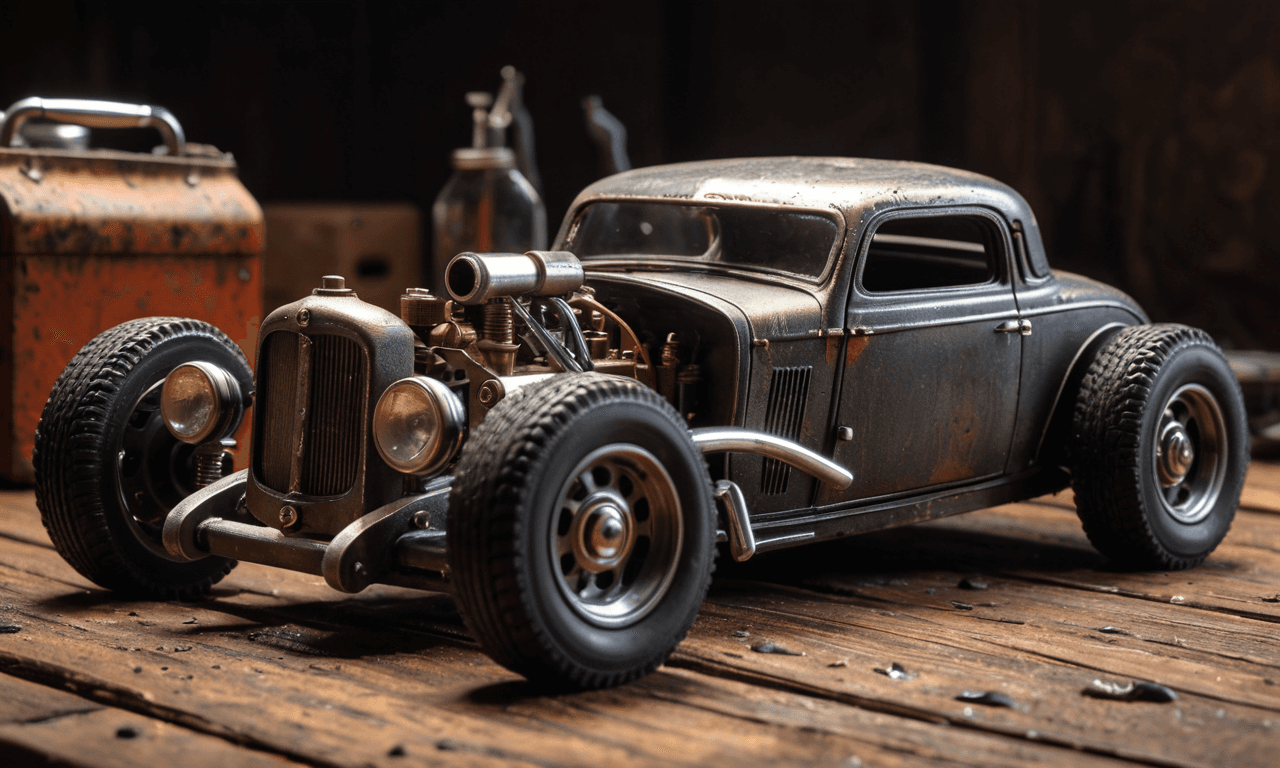
Every collector has that one casting they champion. The one that never gets the spotlight at conventions, never tops the want lists, but somehow keeps finding its way into your hands at the bottom of a bin. For me, that casting is the Aristo Rat DTX10. It's a rat rod Hot Wheels design that flew under the radar for years, and yet it has quietly built a cult following among collectors who appreciate its weird proportions and the stories behind its releases.
I've been hunting pegs for over 20 years, and I've seen plenty of castings come and go. The Aristo Rat DTX10 is different. It's not a hype machine. It's not a $500 piece. But it's the kind of casting that rewards patience and a good eye. Let's break down why this forgotten rat rod matters and how you can add one to your collection without overpaying.
What Exactly Is the Aristo Rat DTX10?
The Aristo Rat DTX10 is a Hot Wheels casting that debuted in the early 2010s. It's a stylized rat rod, the kind of car you'd see at a backyard car show with exposed engine parts and a rusty patina. The DTX10 suffix refers to the design series or tooling variation, and it's a detail that collectors often overlook. In fact, many people don't even realize there are different versions of the Aristo Rat out there.
The casting features a long, low profile with a prominent front grille and an exposed engine. It's not a licensed model, so Mattel designers had freedom to get weird with it. And weird it is. The proportions are exaggerated, the stance is aggressive, and it looks like it's ready to tear up a dirt track. That's part of the charm. It doesn't look like anything else in the basic car lineup.
One thing to note: the Aristo Rat has been released in multiple colors and with different wheel types over the years. The DTX10 designation is sometimes used interchangeably with the base Aristo Rat, but there are subtle differences in the tooling. I've seen enough of them to know that not all Aristo Rats are created equal. If you're a variation hunter, you'll want to pay attention to the base and the window piece.
Tip: Always flip the car over. The base material (plastic vs metal) and the country of manufacture can tell you a lot about which release you're holding. The Aristo Rat DTX10 has at least one variation with a plastic base that's tougher to find than the metal base version.
Why Collectors Love It (And Why Others Ignore It)
The Aristo Rat DTX10 doesn't get the respect it deserves. It's not a JDM icon, it's not a Ferrari, and it's not a Treasure Hunt. So why do some collectors go crazy for it? For starters, it's a rat rod. Rat rods are inherently cool because they're built from scraps and attitude. The Hot Wheels version captures that spirit without being too serious.
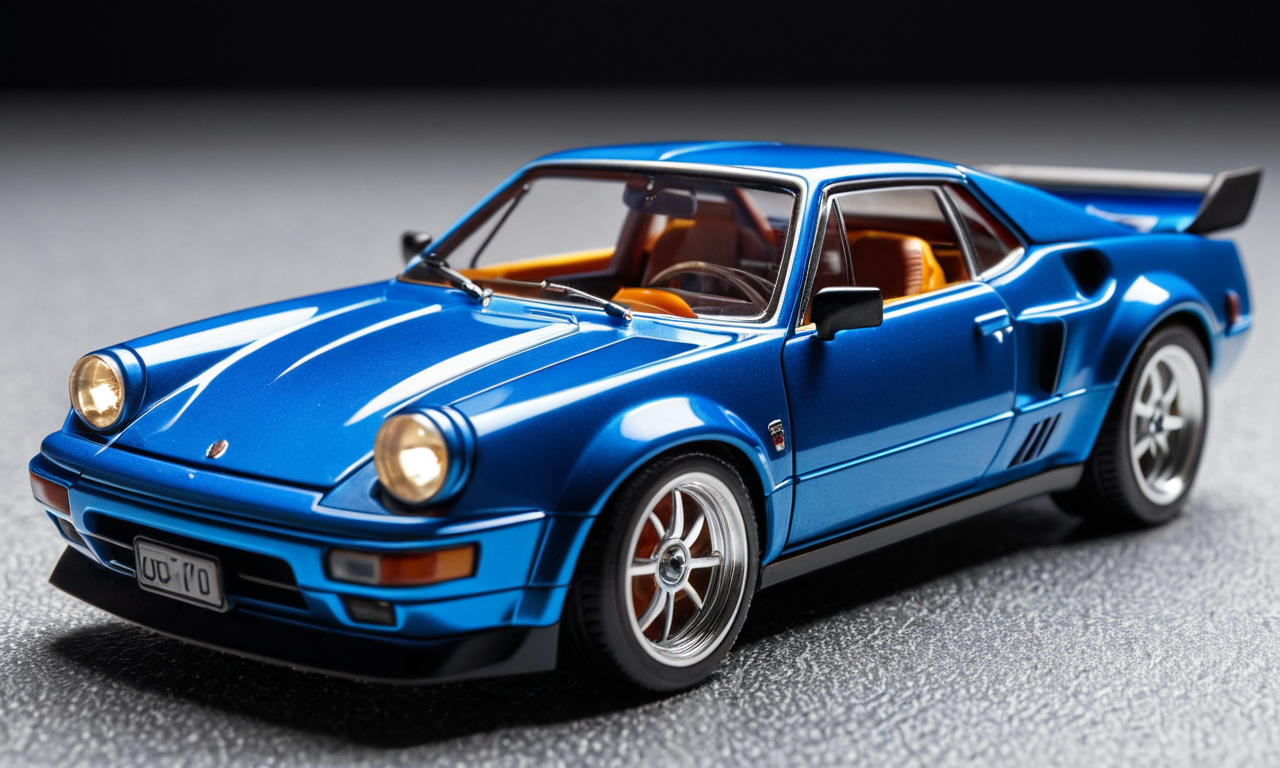
Second, the casting has a few hard-to-find variations. The most coveted is the 2012 New Models release in metallic blue with a white stripe. It's not rare by any stretch, but it's become a favorite among completists. Then there's the 2014 multipack exclusive in flat black. That one seems to pop up less often, and when it does, it gets snapped up quickly.
On the flip side, many collectors pass it by because it's not a real car. It's a fantasy casting, and fantasy castings have a stigma in some circles. But that's exactly why the cult following exists. The people who love it appreciate it for what it is: a fun, offbeat design that stands out in a sea of licensed models.
- Key releases to look for:
- 2012 New Models in metallic blue with white stripes
- 2014 multipack exclusive in flat black
- 2016 Walmart exclusive in green
- 2018 Mystery Models release in purple
- Various 5-pack and multipack versions in unique colors
It's worth noting that the Aristo Rat DTX10 has also been released in some international markets with different card art. Those can be a headache to track down, but they're out there. Our catalog has a checklist of known releases, and it's a good starting point if you're trying to be a completionist.
How to Hunt for the Aristo Rat DTX10
Finding an Aristo Rat DTX10 in the wild is a test of patience. It's not a peg warmer, but it's not a scalper magnet either. Your best bet is to hit older stores, dollar stores, and grocery chains that don't get picked over by the hardcore crowd. I've found more Aristo Rats at grocery stores than at big box retailers.
When you do find one, check the card condition. The Aristo Rat is often found with bent corners because it's been hanging around for a while. If you're a carded collector, look for a clean card with sharp corners and an intact blister. The blister seal can be tricky on older releases, so run your finger along the edge to make sure it's still sealed.
If you're an opener, you have more flexibility. Loose Aristo Rats are plentiful and cheap. You can often find them in lots on the secondary market for a few bucks. Just watch out for paint chips and bent axles. The exposed engine piece is a common spot for damage, so inspect it closely.
Tip: Don't ignore the bottom of the bin. The Aristo Rat DTX10 is small and often gets buried under bigger castings. I've found some of my best ones by digging to the very bottom.
Variations and Values: What to Expect
The Aristo Rat DTX10 isn't going to fund your retirement. Most releases are worth between $2 and $10 loose, and carded versions might fetch $15 to $25 on a good day. The metallic blue New Models release is the most popular, but even that one is affordable. The flat black multipack exclusive can go for a bit more, maybe $20 to $30 carded, because it's harder to find.
There are also some international variations that can command higher prices. For example, the version released in Europe with a different card design has sold for $40 or more in the past. But these are outliers. The Aristo Rat DTX10 is a budget-friendly casting, which is part of its appeal.
If you're looking for a challenge, try to find the pre-production or test shots. They exist, but they're rare and usually only show up at conventions or through private sales. Expect to pay a premium for those, if you can find them at all.
Our price history pages can give you a sense of what recent sales look like, but remember that the Aristo Rat is a niche casting. Prices can fluctuate based on who's looking at the time. Don't overpay just because you see a high asking price. Be patient and you'll find a deal.
Customizing and Displaying the Aristo Rat
One of the best things about the Aristo Rat DTX10 is that it's a blank canvas for customizers. The rat rod style lends itself to weathering, rust effects, and wild paint jobs. I've seen customizers turn it into everything from a Mad Max-style war rig to a shiny show car. The exposed engine and simple lines make it easy to work with.
If you're new to customizing, the Aristo Rat is a great place to start. It's cheap, so you won't feel bad if you mess up. And there are plenty of them out there, so you can practice without worrying about ruining a rare piece. Start with a simple wheel swap and work your way up to full repaints.
For display, the Aristo Rat looks great in a diorama. Its rough-and-tumble vibe fits perfectly in a garage scene or a junkyard setting. I've seen some amazing displays that use the Aristo Rat as the centerpiece. Get creative and have fun with it.
FAQ
What is the most valuable Aristo Rat DTX10 variation?
The most valuable variation is typically the 2014 multipack exclusive in flat black, especially if it's still carded. International card variations can also command higher prices, but they are less common. Generally, values stay under $40.
Is the Aristo Rat DTX10 a good investment?
Probably not. It's a cult casting with a niche following, so demand is limited. If you're looking for an investment, there are better options. But if you love the design, it's a fun and affordable piece to collect.
How can I tell if my Aristo Rat DTX10 is a rare variation?
Check the base material, wheel type, and color. Some variations have a plastic base instead of metal, and those can be harder to find. Also, look for different wheel designs, like 5-spoke vs. 10-spoke. Our community here often shares photos and details to help identify variations.