Hot Wheels vs Matchbox: The Full History Behind the Rivalry That Shaped Diecast
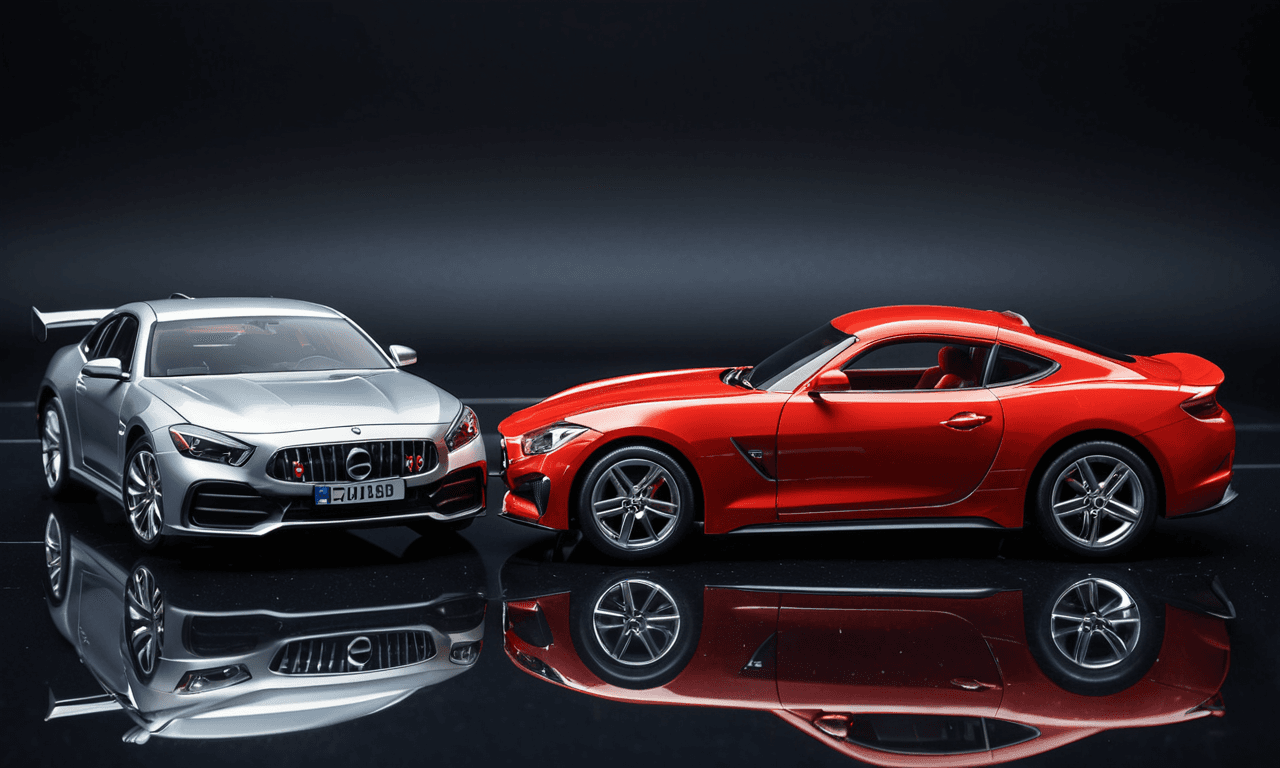
If you have been collecting diecast for any length of time, you know the names Hot Wheels and Matchbox. They are the two titans of the 1/64 world, and their rivalry goes back more than 50 years. But how much do you really know about the history? I have been collecting for over 20 years, and I still learn new details about how these two brands shaped each other. In this guide, we will take a full look at the Hot Wheels vs Matchbox story, from their origins to the present day.
The Origins: Matchbox Comes First
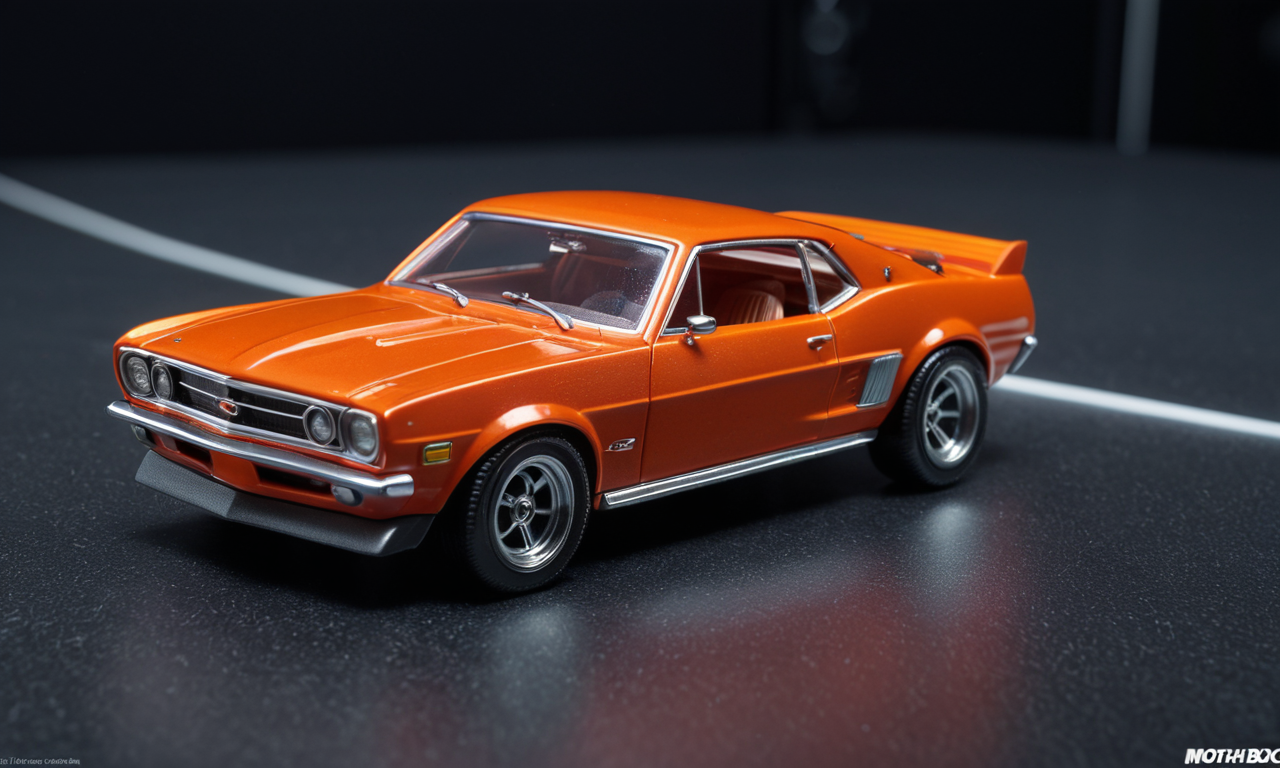
Matchbox was born in 1953 in London, England. Jack Odell, a co-founder of Lesney Products, created a small diecast model of a road roller for his daughter to take to school. The school had a rule that children could only bring toys that fit in a matchbox, and that is how the name stuck. Those early models were tiny, detailed, and built to last. By the 1960s, Matchbox was a global phenomenon, with millions of cars sold worldwide.
Matchbox focused on realism. Their models were based on real vehicles, often everyday cars and trucks, and they were painted in muted, accurate colors. They were built for play, but they also appealed to kids who wanted a miniature version of the family car or the delivery truck down the street.
The Matchbox Philosophy
- Realistic subjects: Matchbox aimed to replicate real vehicles, from sedans to construction equipment.
- Scale accuracy: Models were typically close to 1/64 scale, though it varied.
- Durability: Built tough for kids, with simple, sturdy construction.
- Understated styling: Colors and details mirrored real cars, not fantasy.
By the late 1960s, Matchbox was the dominant force in diecast. But change was coming from across the Atlantic.
Hot Wheels Arrives: 1968 and the Speed Revolution
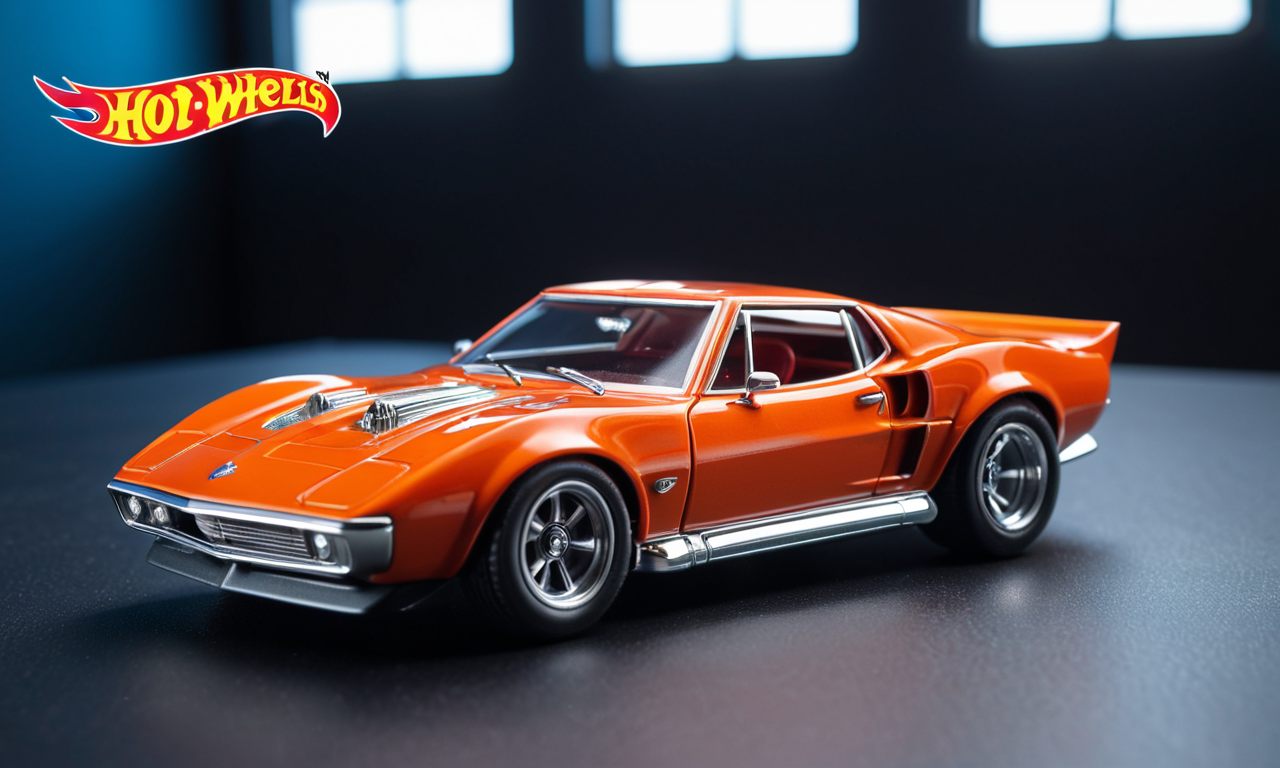
In 1968, Mattel launched Hot Wheels. The story goes that Elliot Handler, co-founder of Mattel, wanted to create a toy car that was faster and cooler than anything else on the market. He challenged his designers to build a car that could outperform Matchbox. The result was the Custom Camaro, one of the first Hot Wheels cars, and it came with a revolutionary feature: low-friction wheels and a special axle design that made it fly on orange track.
Hot Wheels was not just about speed. The cars were styled with custom touches, like exposed engines, wild paint colors, and mag wheels. They were fantasy versions of real cars, or sometimes completely made-up designs. The first wave included the Custom Camaro, Custom Corvette, Custom Mustang, and others, all in Spectraflame paint, a metallic finish that was unlike anything Matchbox offered.
What Made Hot Wheels Different?
- Speed: The wheels and axles were designed for racing on track.
- Styling: Custom and fantasy designs with flashy paint.
- Spectraflame: A metallic paint process that gave cars a deep, shiny finish.
- Real Riders: Later, in 1983, Hot Wheels introduced rubber tires for better grip and realism.
Hot Wheels was an instant hit. Kids loved the speed and the look. Matchbox suddenly had a serious competitor.
The Rivalry Heats Up: 1970s and 1980s
The 1970s were a tough time for Matchbox. The company struggled to keep up with Hot Wheels' popularity, and the oil crisis and changing toy market hurt sales. Matchbox tried to respond with their own racing sets and fantasy cars, but they never quite matched Hot Wheels' success. In 1982, Matchbox was sold to Universal Toys, and later to Tyco in 1992.
Meanwhile, Hot Wheels continued to innovate. They introduced the Super Chromes line in the late 1970s, and in the 1980s they brought out Real Riders, which gave cars a more realistic look and feel. The brand also started to license real car manufacturers, like Ferrari and Porsche, which blurred the line between fantasy and realism.
The Collector Market Emerges
By the 1980s, adults were starting to collect diecast seriously. The Hot Wheels Redline era (1968-1977) became highly sought after, especially cars with Spectraflame paint and Redline wheels. Matchbox also had its collectors, particularly those who focused on the regular wheels and the early Lesney models. The two brands had distinct collector bases, but there was overlap.
Tip: When hunting for vintage pieces, pay attention to card condition and blister seals. A mint-in-blister Redline can be worth many times more than a loose one, and repro cards are common. Always check the seal for original glue patterns.
Mattel Buys Matchbox: 1997 and Beyond
In 1997, Mattel acquired Matchbox. This was a seismic shift in the diecast world. Suddenly, the two biggest rivals were under one roof. Mattel kept both brands alive, but they positioned them differently. Hot Wheels became the flashy, fantasy-focused brand, while Matchbox was positioned as the realistic, everyday vehicle brand.
Under Mattel, Matchbox has seen its ups and downs. There have been periods where the brand seemed neglected, and others where it got renewed attention. In recent years, Matchbox has focused on realistic vehicles, including electric cars and working vehicles, and has introduced collectors' lines like the Matchbox Collectors series.
How the Brands Differ Today
- Hot Wheels: Still emphasizes fantasy and custom designs, with a huge range of themes, from muscle cars to sci-fi. The mainline is affordable and widely available, with premium lines like Car Culture and Boulevard for collectors.
- Matchbox: Focuses on real-world vehicles, often with more subtle colors and details. The brand has a dedicated collector base, especially in Europe and among those who prefer realism.
- Scale: Both are roughly 1/64, but actual size varies.
- Collector focus: Hot Wheels has a massive aftermarket, with rare cars like Treasure Hunts and Super Treasure Hunts. Matchbox has its own rare pieces, but the market is generally smaller.
For collectors, the choice between Hot Wheels and Matchbox often comes down to personal taste. Some love the excitement of the hunt for Hot Wheels exclusives, while others appreciate the realism and history of Matchbox.
Collecting Tips: Hot Wheels vs Matchbox
Over the years, I have collected both brands, and each has its own quirks. Here are some things to keep in mind.
Hot Wheels Collecting
- Check case codes: Hot Wheels cases are coded with letters and numbers. Knowing the codes can help you find new assortments and rare cars.
- Look for Treasure Hunts: These are limited-production cars with special paint or wheels. Super Treasure Hunts are even rarer, with Spectraflame paint and Real Riders.
- Card condition matters: A bent card can significantly reduce value. Store your cars in protectors.
- Join the community: Our catalog and checklist can help you track your collection and identify variations.
Matchbox Collecting
- Focus on realism: Matchbox models often have more accurate details, so inspect paint and tampos carefully.
- Older models: Vintage Matchbox from the 1950s and 1960s are highly collectible, especially in mint condition with original boxes.
- Variations: Matchbox has many wheel and color variations. A variation guide is essential.
- International market: Matchbox is particularly popular in Europe, so some models may be easier to find there.
Tip: When peg hunting, always check the back of the peg. Employees often stock new cases behind older cars. And don't forget to look at the bottom of the bin, where rare cars sometimes hide.
The Legacy: How the Rivalry Shaped Diecast
The Hot Wheels vs Matchbox rivalry pushed both brands to innovate. Hot Wheels introduced speed and fantasy, while Matchbox kept realism alive. Without the competition, we might not have seen the advancements in wheel design, paint technology, or the collector-focused lines we enjoy today.
Today, both brands are part of the Mattel family, but they still maintain their distinct identities. Collectors benefit from having two rich histories to explore. Whether you lean toward the flash of Hot Wheels or the authenticity of Matchbox, there is a place for both in a collection.
For me, the thrill is in the hunt. Whether I am digging through a bin for a Super Treasure Hunt or searching for a mint Matchbox from the 1960s, the history and the community make it all worthwhile. Our price history and community forums are great resources for both brands, so you can stay informed and connected.
FAQ
Which is better, Hot Wheels or Matchbox?
It depends on what you value. Hot Wheels offers more fantasy and custom designs, plus a huge collector market with rare chase cars. Matchbox focuses on realistic vehicles and has a strong following among those who prefer accuracy. Many collectors enjoy both.
Are Hot Wheels and Matchbox the same scale?
They are both approximately 1/64 scale, but the actual size varies. Hot Wheels are often a bit larger and more stylized, while Matchbox tends to be closer to true 1/64 scale for many models.
Which brand is more valuable for collectors?
Both have valuable models. Hot Wheels Redlines and Super Treasure Hunts can fetch high prices, while rare Matchbox models from the 1950s and 1960s are also highly sought after. Value depends on rarity, condition, and demand.