The Collectible Hot Wheels List: What Actually Belongs on It and What Doesn't
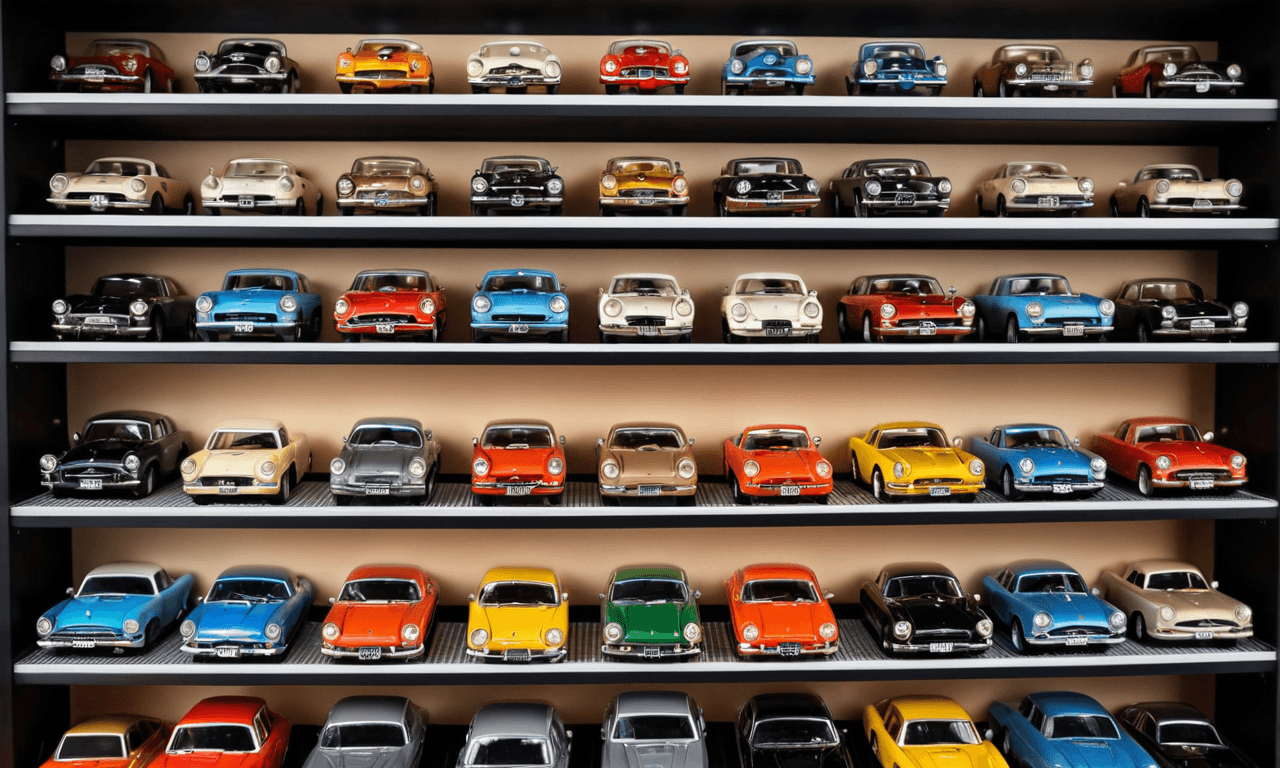
Every few weeks someone new walks into a collectibles show with a shoebox of mainlines and asks the same question: which of these belong on the collectible list? Twenty years of peg hunting has taught me that the answer is rarely the one people expect. The cars that get hyped on social media are often not the cars that hold value. And the cars that quietly climb in price are usually the ones nobody was fighting over at the pegs.
This is our attempt to draw a clean line. Not a list of every Hot Wheels ever made, because that list would be useless. A working framework for what genuinely belongs on a collectible Hot Wheels list, what only looks collectible, and how to tell the difference before you spend real money.
Start With the Casting, Not the Hype
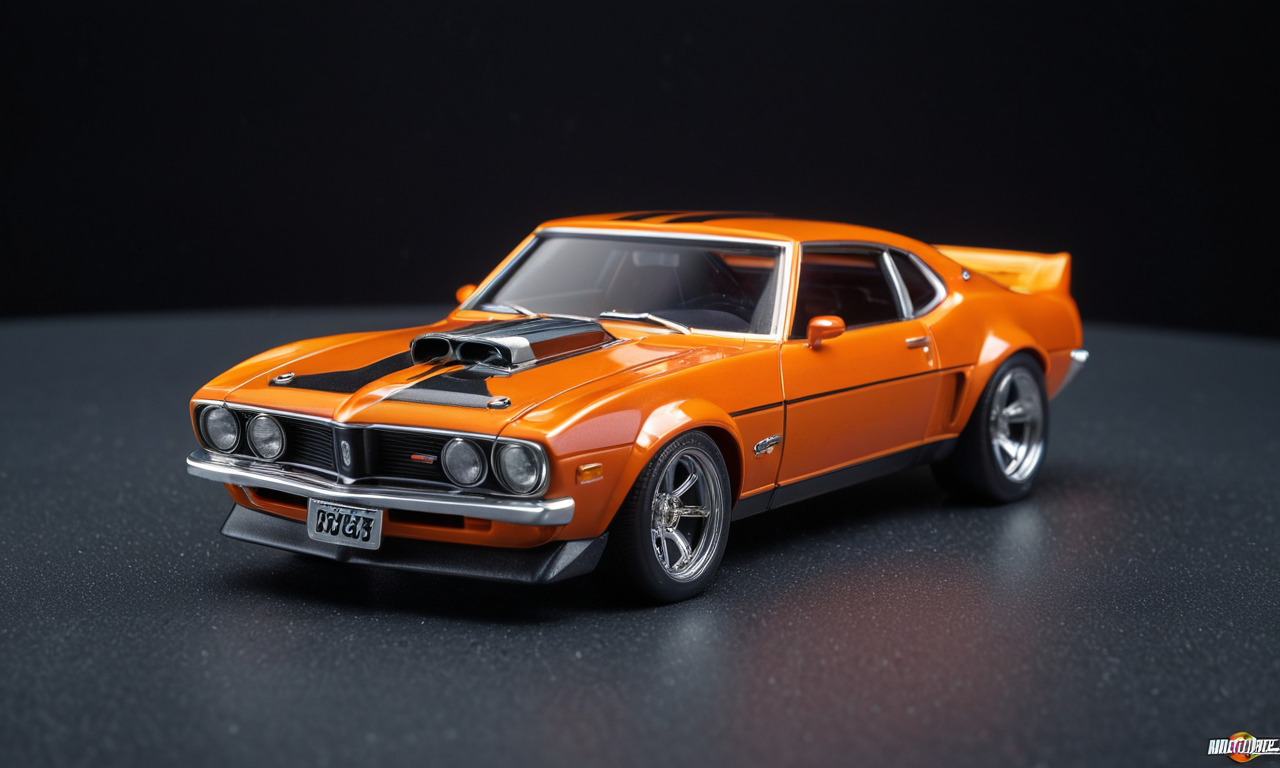
The single biggest mistake new collectors make is buying based on a photo someone posted with a dollar figure attached. A car is collectible because of what it is, not because a stranger said so. When I evaluate a car, I look at 4 things in this order: the casting, the release, the condition, and the demand. Demand comes last on purpose. If the first 3 are weak, demand is usually a fad.
Castings That Earn Their Spot
Some castings have earned permanent places on collector lists because they have a real following, a real history, or both. These are the ones I would put on any serious list without hesitation:
-
Original Redline castings from 1968 to 1972, especially Spectraflame finishes with the correct wheels and intact decals. These are the foundation of the entire hobby.
-
Real Riders releases. Rubber tires signal a premium line, and premium lines are produced in smaller numbers than mainlines by design.
-
Licensed castings of cars people actually love, like the '55 Chevy Bel Air Gasser, the Datsun 510, the Porsche 911 variants, and the Fox Body Mustang. Licensed, well-tooled, and repeatedly sought after.
-
Store-exclusive and convention castings. When a car is tied to a specific retailer or a specific event, the supply is capped by that channel.
-
Treasure Hunts and Super Treasure Hunts, but only when the card is clean and the car is uncirculated. A beat-up Super is still a Super, but the premium shrinks fast.
Notice what is not on that list: nothing about color, nothing about a random mainline that happened to sell out online for a week. Those are symptoms, not causes.
Castings That Get Overrated
A lot of cars get called collectible because they are hard to find at that exact moment. Hard to find and collectible are not the same thing. A mainline fantasy casting with a wild paint job might be scarce in your region for a month, then show up by the case load in another. That is distribution, not scarcity.
Same goes for movie tie-in castings and generic fantasy designs. There are exceptions, and some of them have loyal followings, but most do not belong on a list you would hand to a new collector as a buying guide.
Tip: before you add any car to your list, ask whether it would still be desirable if 10,000 more of them existed tomorrow. If the answer is no, you are collecting hype, not Hot Wheels.
The Condition Rules That Decide Everything
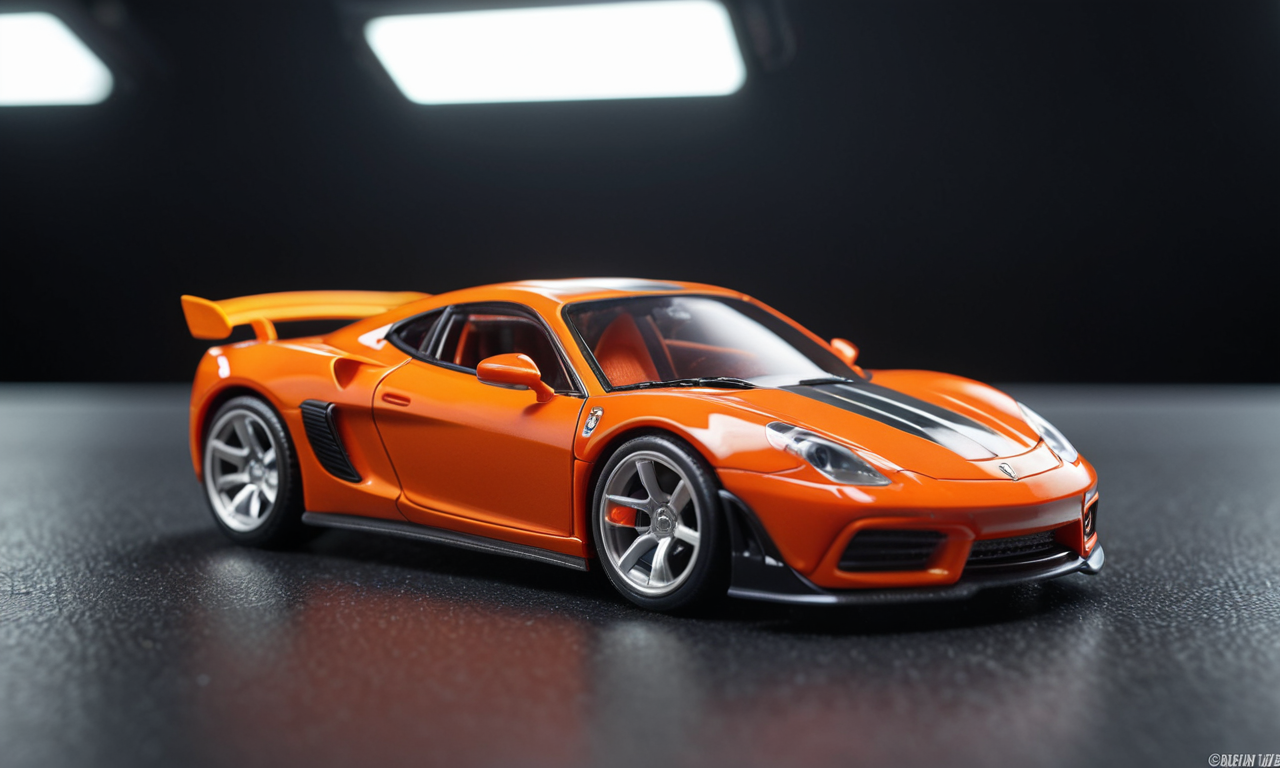
You can have the right casting and still have a car that does not belong on a collectible list. Condition is where most collections quietly lose value, and it is the part new collectors underestimate the most.
Card and Blister
For carded cars, the card matters as much as the car. Sharp corners, no creases, no sticker residue, no fading. A soft corner on a common mainline is nothing. A soft corner on a Super Treasure Hunt can knock a meaningful chunk off what a buyer will pay.
The blister seal is the other half of the equation. Look for lifting edges, cloudiness, or cracks. A blister that has started to separate is a red flag, and it is one of the most common things sellers gloss over. If you are buying online, ask for close-up photos of the seal before you commit.
Loose Cars
Loose cars absolutely belong on a collectible list, but the standard is different. Paint chips, bent axles, wheel swaps, and missing decals all count against it. Original Redlines are a special case: the wheels and the Spectraflame finish are the value, and reproductions are common enough that you need to know what you are looking at.
One honest caveat: loose values vary wildly by casting and by who is buying that week. Anyone who quotes you a single fixed number for a loose car is guessing. Our price history is a better starting point than a number someone throws out at a show.
What Does Not Belong on the List
This is the part nobody writes, so here it is plainly. These categories get added to collectible lists all the time and mostly should not be:
-
Common mainlines in common colors. Millions were made. Being a nice car is not the same as being collectible.
-
Cars bought purely because a case code rumor said something good was inside. Case codes help you hunt smarter, they do not create value in the cars themselves.
-
Damaged carded cars priced like mint ones. If the card is beat, the price should reflect it, and often it does not.
-
Repaints, customs, and wheel swaps presented as factory releases. These can be fun, but they are not collectible Hot Wheels in the investment sense.
-
Anything you cannot verify. If a seller cannot show you the card back, the seal, and the base, walk away. There is always another car.
None of this means you cannot love those cars. Collect what makes you happy. Just do not confuse personal affection with market value, because the two live in different rooms.
How to Build Your Own Working List
A collectible list is a tool, not a trophy. It should change as you learn. Here is the process I use and recommend:
-
Pick 2 or 3 focus areas. Castings, a specific era, a premium line, or a single theme. Spread too thin and you end up with a pile instead of a collection.
-
Write down why each car is on the list. If you cannot finish the sentence, it probably should not be there.
-
Track condition honestly. Mint, near mint, played with. Be tougher on yourself than a seller would be.
-
Check actual sold prices, not asking prices. Asking prices are wishes. Sold prices are facts.
-
Revisit the list every 6 months. Tastes change, markets change, and so should your list.
Our checklist feature is built for exactly this. Add cars, note condition, and keep the list somewhere you will actually look at it instead of a note buried on your phone.
A Quick Word on Peg Hunting
Half the fun of this hobby is the hunt. Get to stores early, learn your local restock rhythm, and be respectful of employees and other collectors. The person who elbows past a kid to grab a mainline is not a serious collector, they are just rude. And honestly, the best finds usually come from patience and repetition, not from one lucky morning.
FAQ
Are all Treasure Hunts worth collecting? No. Regular Treasure Hunts are produced in large numbers and many hold modest value. Super Treasure Hunts, with Real Riders and Spectraflame-style paint, are the ones that consistently earn a spot on a serious list, and even those depend heavily on card condition.
Should I collect carded or loose? Both are legitimate, but carded cars protect value better and are easier to verify. Loose cars are more fun and take up less space. Many collectors do both, keeping the high-value pieces carded and opening the rest.
How do I know if a car is actually rare? Check how many were produced, whether it was a store exclusive or event release, and what it actually sells for over time rather than what one listing asks. Distribution quirks make cars feel rare in one region while they sit on pegs in another. Verify before you pay a premium.