Hot Wheels Chase Cars Explained: What Actually Makes a Chase a Chase
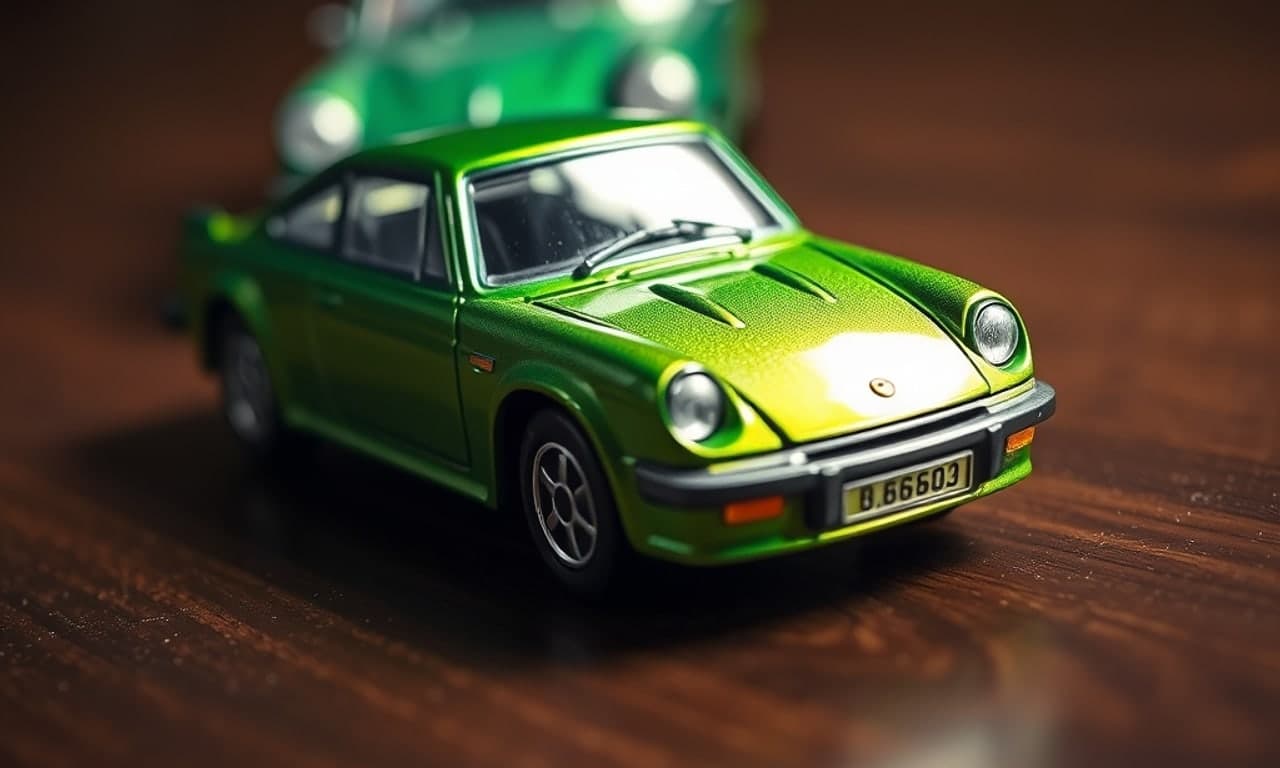
Every few months someone posts a blurry photo of a car they just pulled off a peg and asks the question that never goes away: is this a chase? Half the comments say yes. Half say it is just a regular Treasure Hunt. And somewhere in the middle, a guy insists it is a store exclusive. If you have collected for any length of time, you know the confusion is real. So let us settle it, the way we talk about it around here.
I have been hunting pegs for over 20 years, back when chase cars were a small corner of the hobby instead of a weekly argument. Here is how I separate a true chase from everything else that gets called one. No hype, no guesswork. Just what you can actually check in your hand.
The Short Version: What a Chase Actually Is
A Hot Wheels chase car is a deliberately rare variant of a mainline release. It is made in much smaller numbers than the standard car and marked so collectors can spot it. In practice, the modern chase is tied to the Treasure Hunt program. The regular Treasure Hunt is uncommon but findable. The Super Treasure Hunt, which most collectors now just call the chase, is the genuinely scarce one.
Mattel does not publish exact production numbers for either one. Anyone who quotes a hard figure is guessing, or repeating a guess. What we do know: Supers turn up far less often than regular Treasure Hunts, and both turn up far less often than a plain mainline. That relative scarcity, plus a clear visual marker, is the whole foundation of the chase idea.
Here is the part that trips people up. Not every rare Hot Wheels is a chase. Store exclusives, convention cars, mail-away promotions, and Red Line Club releases are all limited. But they are distributed through specific channels, and they are not chases in the Treasure Hunt sense. A chase is something that can theoretically show up in a random case at a random store. That is exactly why the hunt is so addictive.
The Markers That Make It Official
If you want to confirm a chase without relying on internet consensus, learn these markers. They are consistent enough that you can spot a Super from arm's length once you have handled a few.
The 0/5 Numbering
Flip the card over or look at the base. A Super Treasure Hunt is numbered as part of a 5 car subset, but the number reads 0/5 instead of 1/5 through 5/5. That zero is the most reliable tell. Regular Treasure Hunts use a different numbering convention, and mainlines follow the standard release numbering. See 0/5 and you are almost certainly holding a Super.
The Green Stripe and the TH Logo
Regular Treasure Hunts carry a circular flame logo somewhere on the car, often hidden in the graphics. They also get a small Treasure Hunt badge printed on the card behind the blister. Supers go further: Spectraflame paint, Real Riders wheels with rubber tires, and the TH logo worked into the deco. The green stripe on the card, when it is there, is a packaging cue and not a car feature. So do not rely on it alone. Card designs change, and store stickers sometimes cover the exact spot you need to see.
Spectraflame and Real Riders
Spectraflame is that metallic, almost candy-like finish you associate with the original Redline era. On a modern Super it shows up as a deeper, more reflective paint than the mainline version of the same casting. Real Riders means actual rubber tires on metal wheels instead of the usual plastic. Put a Super next to its mainline twin and the difference is obvious: paint depth, wheel material, and often a slightly different tampo layout. Side by side comparison is the fastest way to train your eye.
Tip: keep one known Super and one known mainline of the same casting in a small reference box. Nothing teaches the difference faster than holding both at once.
Chase, Treasure Hunt, and Everything Else
Collectors use loose language, and that causes most of the arguments. Here is how I draw the lines.
-
Regular Treasure Hunt: uncommon mainline variant with the flame logo and a card badge, numbered 1/5 through 5/5 within its subset, no Spectraflame or Real Riders as a rule.
-
Super Treasure Hunt (the chase): scarcer variant with Spectraflame paint, Real Riders, TH logo in the deco, and 0/5 numbering.
-
Store exclusive: a car sold only through one retailer, sometimes with unique color or card art. Limited by channel, not by chase rules.
-
Convention and club cars: made for events or membership programs. Rare, but never found on a random peg.
-
Error car: a factory mistake, like a missing tampo or mismatched wheels. Errors can be valuable, but they are not chases.
Notice that nothing on that list is about how much money a car is worth. Value follows scarcity and demand, but it is not the definition. A chase is a chase because of how it was made and marked. Not because of what someone paid for it last week.
How Chases Actually Reach the Pegs
This is where new collectors get frustrated. Understanding case codes and distribution helps you hunt smarter instead of just hunting harder.
Hot Wheels mainlines ship in cases marked with letter codes. Cases are packed in sequence through the year, and the mix inside a case follows a known pattern. Supers are not guaranteed in every case, and the ratio varies. That is the honest answer. Anyone claiming a fixed number per case is oversimplifying. What matters practically is that a fresh, unopened case gives you the best odds. A picked over dump bin gives you almost none.
Learn which castings in the current mix have a Super version. Our checklist tracks the active chase list so you know what to look for before you walk into a store. Then watch for restock days, talk to employees politely, and check the cases on the top shelf and behind the front row. Chases hide in plain sight more often than people think, usually because a casual shopper grabbed the first car that looked cool and moved on.
Do not ignore the small stuff either. A chase sitting behind a wall of fantasy castings is still a chase. The car in front of it does not matter. Slow down, flip every card, read the numbering. Rushing is how people miss Supers that were right there.
Condition, Packaging, and What Actually Holds Value
A loose chase is still a chase, but the packaging carries real weight in the collector market. Card corners, blister seals, and whether the card is creased all affect how a chase trades. A mint card with a clean, unyellowed blister is the standard most buyers want.
What to Check Before You Buy or Trade
-
Card corners: sharp and unbent. Corner wear is the most common defect and the easiest to spot.
-
Blister seal: fully attached with no lifting or holes. A loose blister means the car can rattle out and the card is compromised.
-
Paint: check for factory flaws and tampos that are misaligned. Minor flaws are normal, but heavy defects hurt value.
-
Wheels: confirm Real Riders on a Super and look for bent axles or damage.
-
Numbering: verify the 0/5 and the TH logo yourself. Do not take a seller's word for it.
If you are buying online, ask for photos of all four card corners and the back of the card. Our price history gives you a sense of what a given chase has actually been trading for, which is a useful sanity check before you commit. The market for these cars moves, and older Supers from a decade ago can sit in a very different range than this year's release.
One more thing: storage matters. Keep chases in a protector, out of direct sunlight, and away from humidity. Sun fade on Spectraflame is real and permanent. I have seen otherwise clean cards ruined by a windowsill.
Tip: buy card protectors in bulk and use them on every chase, not just the expensive ones. The cost is trivial next to the car.
The Honest Truth About Chase Hunting
Most trips you will come home empty handed. That is normal. It does not mean you are doing it wrong. The collectors who find the most chases are usually the ones who go often, go early, and stay patient. Luck is a factor, but consistent effort beats luck over a season.
The other truth is that the hobby is better when you know what you are looking at. Learn the markers, verify the numbering, check the packaging, and do not let a loud comment section tell you what you have. The car in your hand will tell you everything if you know where to look.
Frequently Asked Questions
Is a Treasure Hunt the same as a chase?
Not quite. The regular Treasure Hunt is uncommon, but the Super Treasure Hunt is the true chase. Supers have Spectraflame paint, Real Riders, the TH logo in the deco, and 0/5 numbering. Regular Treasure Hunts use the flame logo and a card badge but do not share those features.
How many chase cars are in a case?
Mattel does not publish a fixed ratio, and it varies by release and case code. Some cases contain a Super, many do not. Anyone quoting an exact number per case is guessing. A fresh, unopened case simply gives you better odds than a picked over bin.
Does a chase lose value if it is loose?
It can. Loose chases still trade, but packaged examples with sharp card corners and an intact blister generally command more. If you plan to keep a chase long term, leave it carded and store it in a protector away from sunlight and humidity.