How to Store and Display Hot Wheels: The Mistakes That Ruin Your Collection
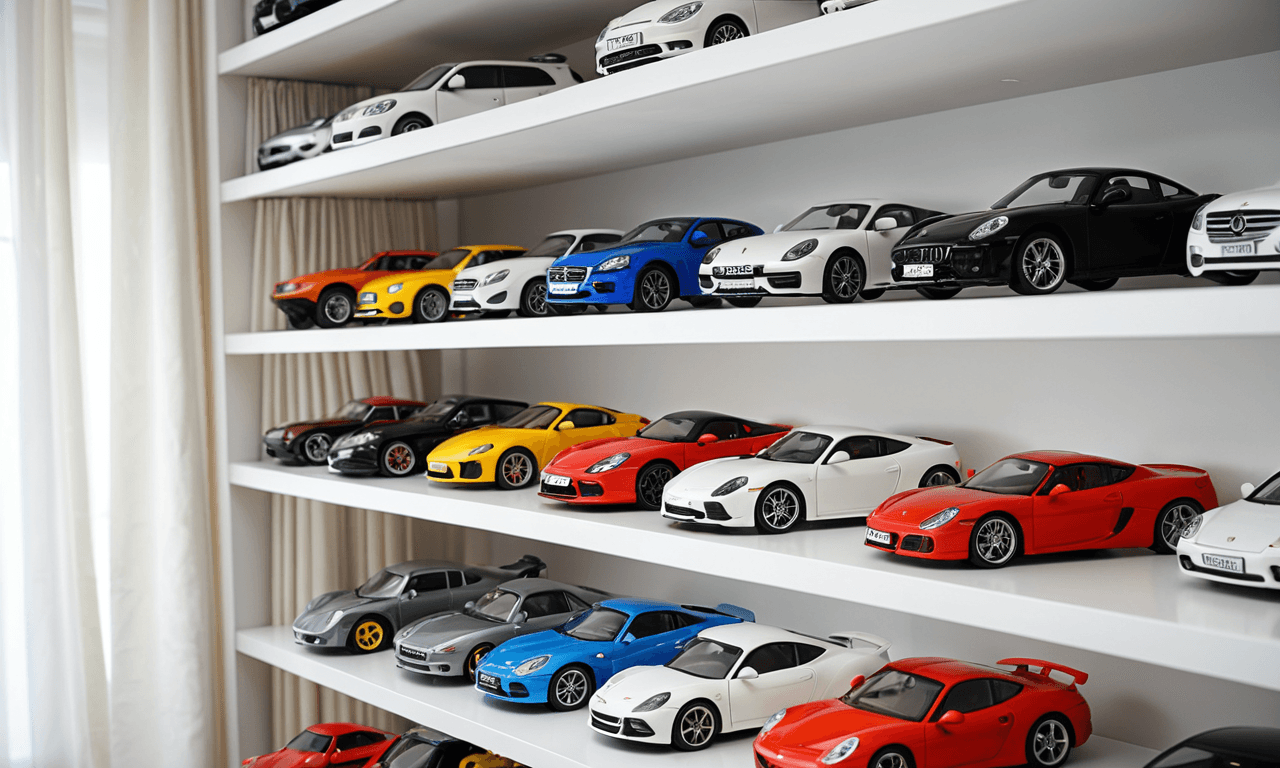
After 20 plus years of collecting, I have seen and made my share of mistakes. You spend hours hunting pegs, finally score that Super Treasure Hunt, and then ruin it by storing it wrong. It stings. The good news is that most storage and display mistakes are easy to avoid once you know what to look for. In this guide, I will walk you through the most common errors that damage Hot Wheels collections and show you how to fix them.
Mistake 1: Exposing Your Collection to Direct Sunlight
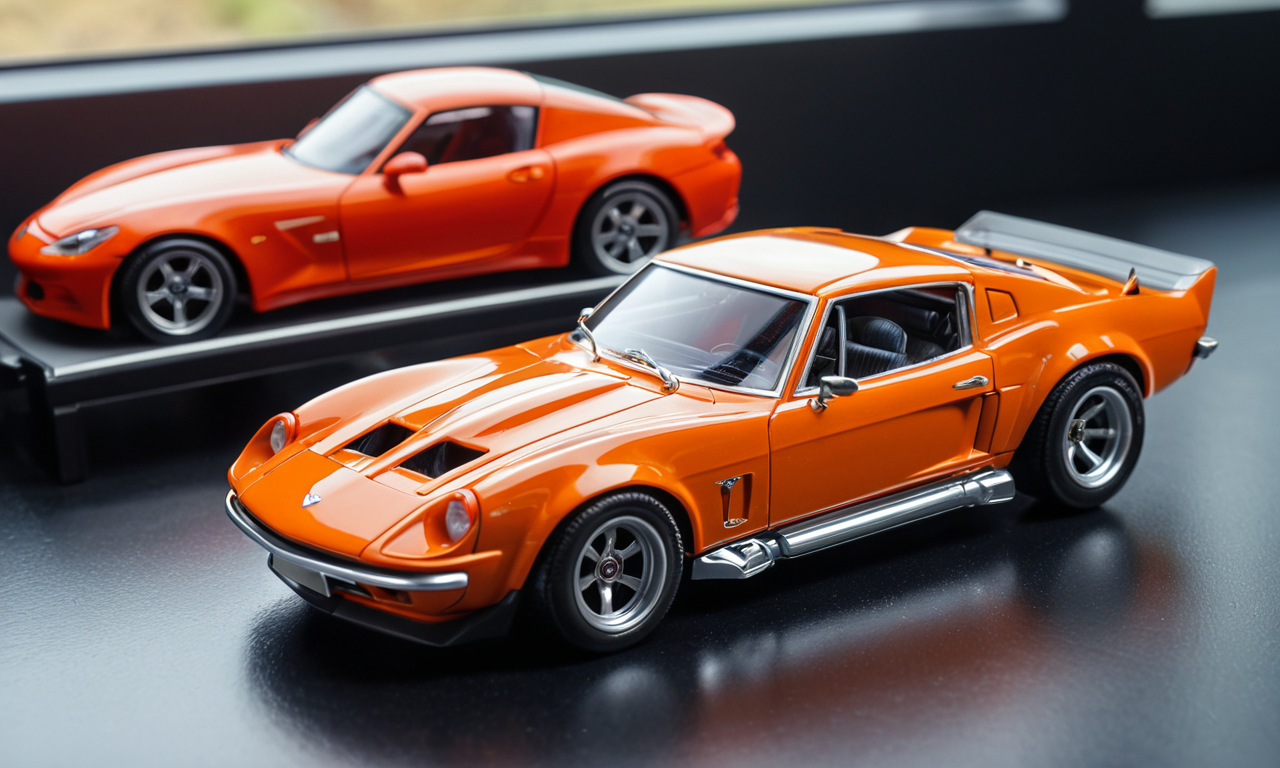
Sunlight is the silent killer of diecast collections. Ultraviolet rays fade paint, yellow blister cards, and even warp plastic. I once left a loose Ferrari 250 GTO on a windowsill for a month, and the red paint turned pink. That was a hard lesson.
The fix is simple: keep your collection out of direct sun. Display cases with UV filtering glass or acrylic are worth the investment. If you use open shelving, place it away from windows or use curtains. For carded cars, even indirect sunlight can cause fading over years, so rotate your display or use opaque storage.
Tip: Test your display area with a UV meter or simply place a cheap toy there for a few weeks. If it fades, your collection will too.
Mistake 2: Improper Stacking and Storage of Carded Cars

Stacking carded Hot Wheels in shoeboxes or bins seems harmless, but it crushes card corners and can bend blisters. I have seen collectors pull out a mint card only to find a crease that kills its value. The weight of 50 cars on top of each other is no joke.
How to stack safely
- Use dedicated Hot Wheels storage cases with individual slots or dividers.
- Store cards vertically, like books on a shelf, rather than horizontally.
- If you must stack, limit to 5 or 6 cards and place a rigid board between layers.
- Avoid plastic bins that can off-gas and damage cards over time; look for archival-safe materials.
For loose cars, the same principle applies. Do not dump them in a jar where they bang against each other. Paint chips and wheel damage are common. Use compartment boxes or cases with soft lining.
Mistake 3: Ignoring Humidity and Temperature Extremes
Humidity is the enemy of carded collections. It warps cardboard, causes blisters to lift, and can lead to mold. I learned this the hard way when I stored some cars in a basement and came back to wavy cards and cloudy blisters. Temperature swings are just as bad; they make plastic brittle and can cause paint to flake.
Keep your collection in a climate-controlled room. Avoid attics, basements, and garages. If you live in a humid climate, use a dehumidifier or silica gel packs in storage bins. For high-value pieces, consider a display case with a sealed environment.
Tip: Monitor humidity with a cheap hygrometer. Aim for 40 to 50 percent relative humidity.
Mistake 4: Using the Wrong Display Methods
Displaying your collection is half the fun, but the wrong method can cause damage. I have seen everything from thumbtacks through blisters to tape on cards. Each one is a collector's nightmare.
Common display mistakes
- Pinning cards with thumbtacks: this punctures the card and leaves holes.
- Using tape or adhesive putty: residue can stain and tear cardboard.
- Stacking loose cars on bare shelves: they slide and scratch.
- Exposing to dust: dust can scratch paint and dull finishes.
Instead, use proper display cases. For carded cars, consider wall-mounted racks that hold cards by the edges or use protective sleeves. For loose cars, display stands with soft foam or acrylic cases keep them secure and dust-free. I personally use a combination of wall racks for my carded collection and a rotating carousel for my loose cars.
The Spectraflame and Real Riders factor
Special finishes like Spectraflame and Real Riders wheels are particularly vulnerable. Spectraflame paint can fade quickly in sunlight, and Real Riders rubber tires can dry out and crack if exposed to heat or UV. Keep these pieces in UV-protected cases and avoid touching them with bare hands to prevent oils from damaging the finish.
Mistake 5: Neglecting Case Codes and Inventory
Case codes are the secret language of Hot Wheels collectors. They tell you which assortment a car came from and can help you identify variations and rarities. But if you do not record them, you lose that information forever. I used to toss my cases without noting the codes, and later regretted it when I could not confirm the origin of a variation.
The fix: keep a log. Whether it is a notebook or a spreadsheet, record the case code, date of purchase, and any notable details. This is where our catalog can help; you can cross-reference case codes and variations. Also, take photos of your cars before storing them; it helps with insurance and inventory.
Tip: Use our checklist to track your collection and note case codes for each car. It takes minutes but saves hours of guesswork later.
Mistake 6: Forgetting About Pest Control
Insects and rodents love cardboard and plastic. Silverfish can eat through cardbacks, and mice will chew anything. I have seen collections ruined by pests because they were stored in a garage or shed. Keep your collection in sealed containers or display cases. Avoid using cardboard boxes for long-term storage; plastic bins with tight lids are better. Also, avoid storing near food or pet areas.
FAQ
What is the best way to store carded Hot Wheels? Use archival-safe cases or bins, store cards vertically, and keep them in a climate-controlled area away from sunlight. Avoid stacking more than a few cards high.
How do I protect loose Hot Wheels from dust and damage? Display them in enclosed cases or on stands with covers. Handle them with care, and consider using soft-lined compartments for storage.
Can I display Hot Wheels in a garage? It is not recommended due to temperature and humidity fluctuations, as well as pests. If you must, use sealed, UV-protected cases and monitor conditions.