Hot Wheels Deora 2 Value: The Real Story Behind Mattel's Most Misunderstood Casting
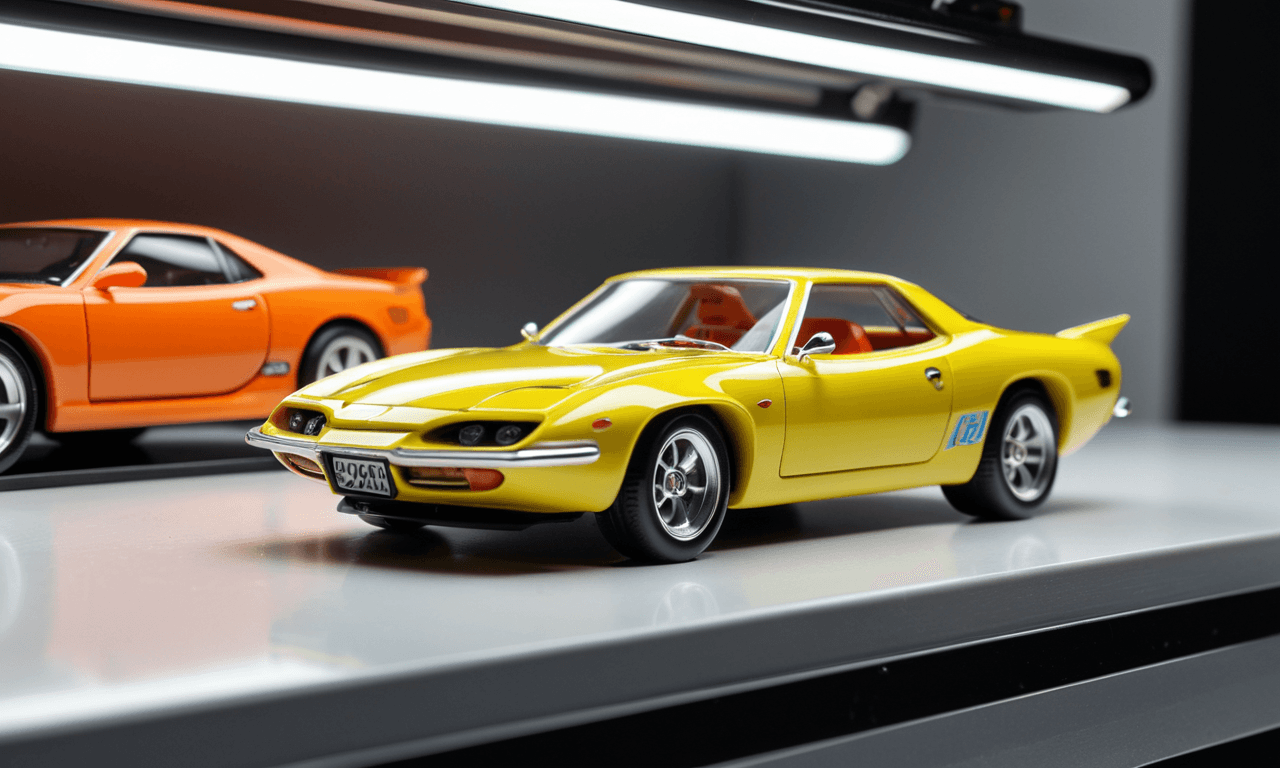
Why the Deora 2 Gets No Respect
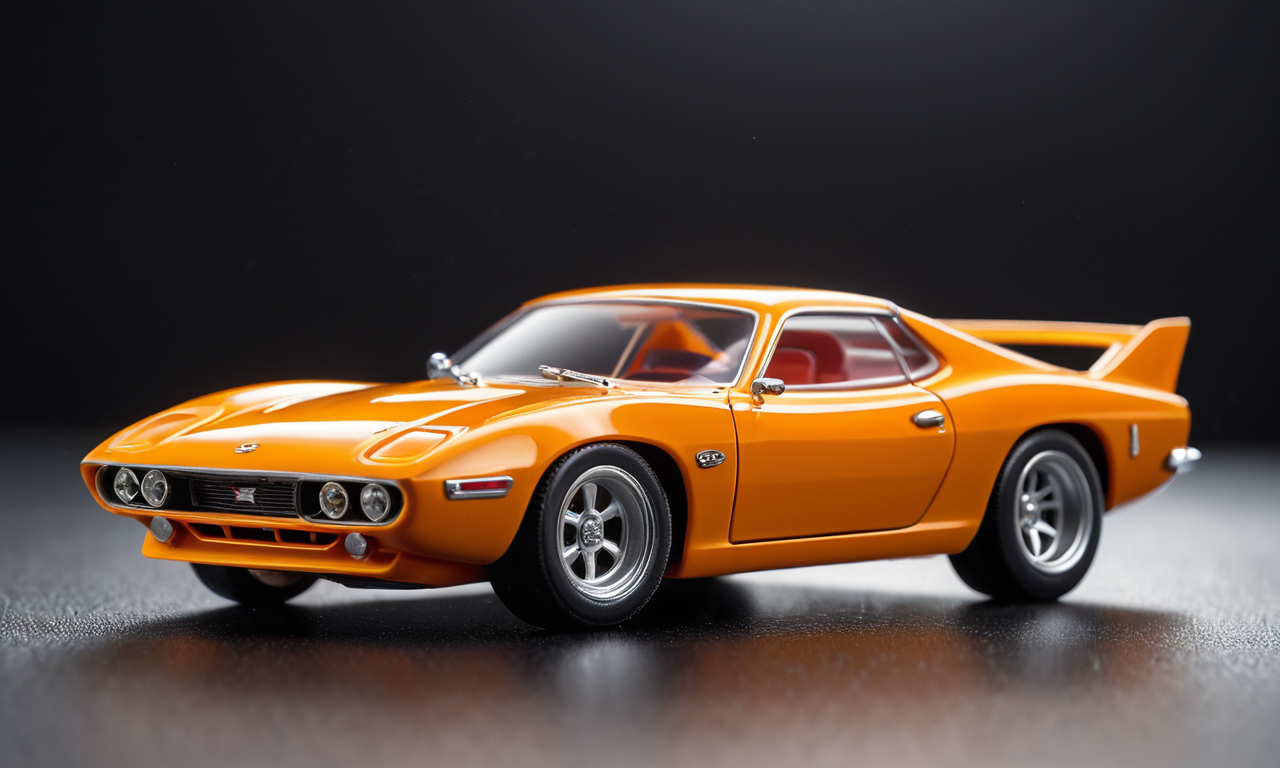
If you have been collecting Hot Wheels for any length of time, you have seen it. The Deora 2. It is everywhere. Mainline bins, flea market boxes, even dollar store pegs. And because it is so common, most collectors walk right past it. But here is the thing: the Deora 2 is not just another fantasy casting. It has a history, it has variations, and it has a small but dedicated following that knows something the average peg hunter does not.
I have been collecting for over 20 years, and I have seen the Deora 2 go from a new release to a peg warmer to a cult favorite. In this guide, I will break down what the Deora 2 actually is, which versions matter, and how to spot the ones that are worth more than the 99 cents you paid for them. No hype, no guesswork. Just the facts, based on years of hunting and trading.
The Origins of the Deora 2
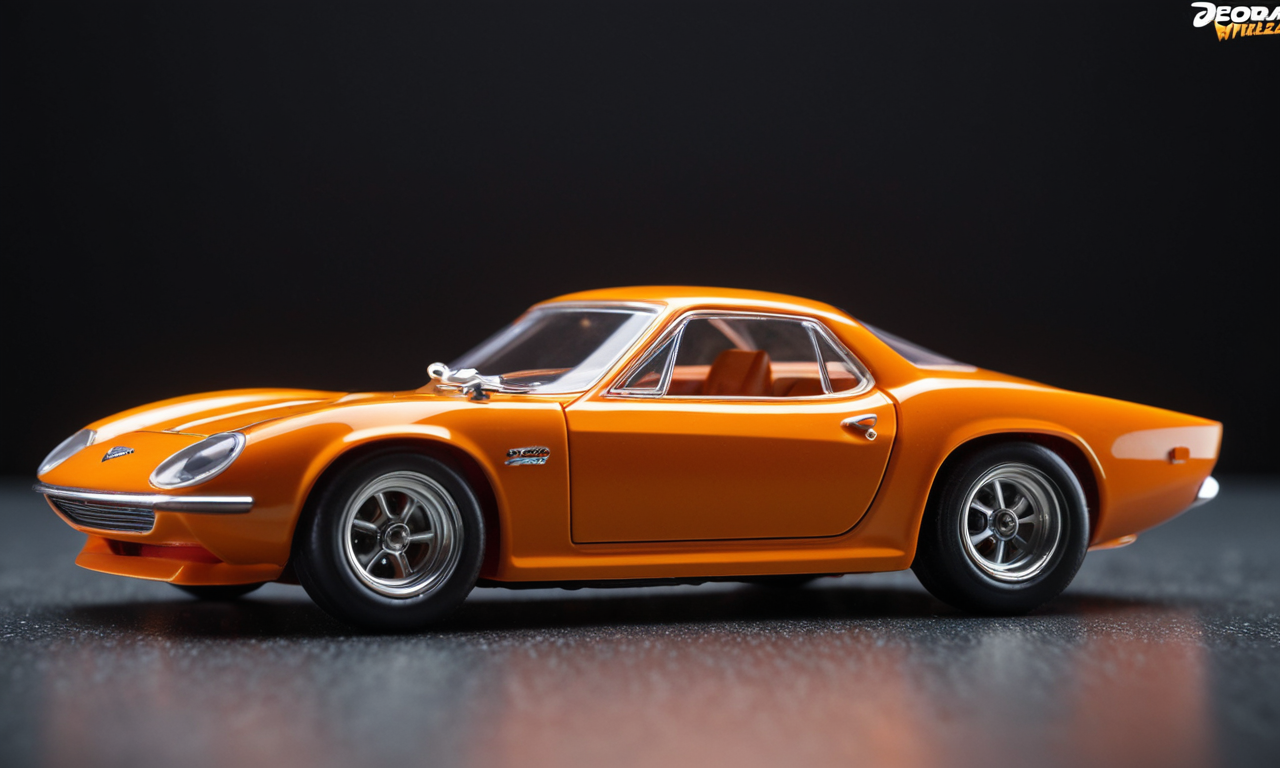
The Deora 2 was introduced in 1999 as part of the Hot Wheels mainline. It was designed by Nathan Proch, who also penned the original Deora. The Deora 2 is a modern take on the classic Dodge Deora concept truck, but with a radical, futuristic look. It has a low, wide stance, a bubble canopy, and a rear-mounted engine. It was an instant hit with kids and a bit of a head-scratcher for serious collectors.
The first release was in the 1999 First Editions series, painted in a bright metallic orange. It featured a chrome engine and a black interior. That first edition is the one to look for, but it is not the only one that matters. Over the years, the Deora 2 has been released in dozens of colors and configurations, from basic mainlines to premium sets and even a Treasure Hunt.
The Design That Divided Collectors
The Deora 2 is not a muscle car, not a race car, and not a truck. It is a fantasy casting, which means it does not exist in the real world. That is a turn-off for some collectors who only chase licensed models. But for others, the Deora 2 represents the wild creativity that Hot Wheels is known for. It is a design that looks fast even when it is sitting still.
The casting itself is fairly simple. It has a plastic body and a metal base in most mainline releases, though some versions have a metal body. The windows are part of the plastic body, and the engine is usually a separate chrome piece. The wheels vary from basic plastic to Real Riders on premium releases. That simplicity is part of its charm, but it also means there are fewer details to distinguish one version from another.
What Determines Deora 2 Value?
Value in the Hot Wheels world is never straightforward, and the Deora 2 is a perfect example. Many factors come into play, and what matters most is not always what you would expect. Here is a breakdown of the key factors that affect the value of a Deora 2.
Rarity and Release Type
The most valuable Deora 2s are the ones that were produced in limited quantities or were part of special series. The 1999 First Editions release is common, but still desirable in mint condition. The Treasure Hunt version from 2000 is much rarer and commands a premium. There are also store exclusives, convention cars, and mail-in offers that are highly sought after.
One of the rarest is the 2000 Treasure Hunt Deora 2, which came with Real Riders and a special paint job. It was limited to 10,000 pieces, and finding one in good condition is a challenge. Another rare version is the 2002 Treasure Hunt, which featured a metalflake green paint and white stripes. These are the ones that collectors actively hunt for.
Condition and Packaging
Condition is everything. A mint-in-blister Deora 2 is worth significantly more than a loose one. Card corners matter. A slight bend or crease can knock 20 to 30 percent off the value. The blister seal should be intact and clear, with no yellowing or cracks. For loose cars, paint chips, scratches, and worn wheels are value killers.
Tip: Always inspect the card for soft corners and the blister for lifting. A clean, sealed blister with sharp corners is the difference between a $5 car and a $50 car.
Variations and Errors
Variations are a big deal in Hot Wheels collecting, and the Deora 2 has its share. Wheel variations, base variations, and paint variations can all affect value. For example, some early releases have a black base while later ones have a silver base. There are also variations in the window color, from clear to tinted. Error cars, such as missing paint or misaligned tampos, can also be valuable to collectors who specialize in them.
One notable variation is the 2003 First Editions Deora 2, which was released with two different wheel types: the standard 5-spoke and the rare 10-spoke. The 10-spoke version is harder to find and can fetch a higher price. Another variation is the 2005 Treasure Hunt, which has a metalflake orange paint and a chrome engine. Some versions have a black engine instead, and those are more common.
The Most Valuable Deora 2 Releases
Not all Deora 2s are created equal. Some are worth a few dollars, others can go for hundreds. Here is a list of the releases that collectors should keep an eye out for.
-
2000 Treasure Hunt Deora 2: Real Riders, metalflake green, limited to 10,000. Value: $50 to $100 mint in blister.
-
2002 Treasure Hunt Deora 2: Metalflake green with white stripes, Real Riders. Value: $40 to $80.
-
2003 First Editions Deora 2 with 10-spoke wheels: Rare wheel variation. Value: $20 to $40 loose, more carded.
-
2007 Convention Deora 2: Limited to 500 pieces, comes in a special box. Value: $150 to $250.
-
2018 Retro Entertainment Deora 2: Metal body, Real Riders, premium finish. Value: $15 to $30.
These values are based on recent sales and can fluctuate. Our price history shows that Treasure Hunt versions have been steadily climbing, while mainline releases have stayed flat. Always check recent sold listings before buying or selling.
How to Spot a Valuable Deora 2 in the Wild
Peg hunting for Deora 2s is not as crazy as chasing a Super Treasure Hunt, but it can be rewarding if you know what to look for. Here are some practical tips from years of digging through bins.
Check the Base and Wheels
The base of a Deora 2 can tell you a lot. Early releases have a black plastic base, while later ones have a silver or chrome base. The wheels are also a giveaway. Real Riders are a sign of a premium release, while basic plastic wheels mean it is a mainline. Look for the Hot Wheels logo on the base and the date code to determine the release year.
Look for Treasure Hunt Logos
Treasure Hunt Deora 2s have a distinctive flame logo on the card and a green stripe on the blister. The car itself will have a special paint job and Real Riders. The logo is usually on the hood or roof. If you see a Deora 2 with a flame logo, grab it. Even if it is not a Treasure Hunt, it could be a special edition.
Watch for Store Exclusives
Some of the most valuable Deora 2s were store exclusives. For example, the 2004 Kmart exclusive Deora 2 was released in a special color and is hard to find. Target and Walmart also had exclusive versions. These are often overlooked because they look like regular mainlines, but they can be worth more to the right collector.
Tip: Always flip the car over and check the base. A store exclusive will often have a different base color or a special code. Our checklist can help you identify them.
Is the Deora 2 Worth Collecting?
The short answer is yes, but with caveats. The Deora 2 is not going to make you rich. Most versions are common and inexpensive. But if you are a completist, or if you appreciate the design, it is a fun casting to collect. The variations and special editions add a layer of challenge that keeps it interesting.
From a value perspective, the Treasure Hunt and convention cars are the ones to focus on. They have shown steady appreciation and are relatively easy to sell. Mainline versions are best kept for nostalgia or traded with other collectors. The Deora 2 is a piece of Hot Wheels history, and it deserves a spot in any serious collection, even if it is not the crown jewel.
One thing to keep in mind: the Deora 2 has been rereleased many times, and some of the newer versions are not as well made as the originals. The 2018 Retro Entertainment release, for example, has a metal body and Real Riders, but the paint quality is not as good as the early 2000s releases. If you are buying for value, stick to the older releases.
Frequently Asked Questions
What is the most valuable Deora 2?
The 2000 Treasure Hunt Deora 2 is generally considered the most valuable, with mint-in-blister examples selling for $50 to $100. The 2007 Convention Deora 2 is also highly sought after and can fetch even more due to its limited production of 500 pieces.
How can I tell if my Deora 2 is a Treasure Hunt?
Treasure Hunt Deora 2s have a flame logo on the car, usually on the hood or roof. The packaging will also have a green stripe and a Treasure Hunt logo. Additionally, they feature Real Riders wheels and special paint jobs.
Are all Deora 2s worth money?
No. Most mainline Deora 2s are common and worth only a few dollars. The value comes from rare variations, Treasure Hunts, convention cars, and store exclusives. Condition and packaging also play a big role.