Hot Wheels Finder and the Ultimate Hot Wheel List: How to Build 100 Hot Wheels With Real Value
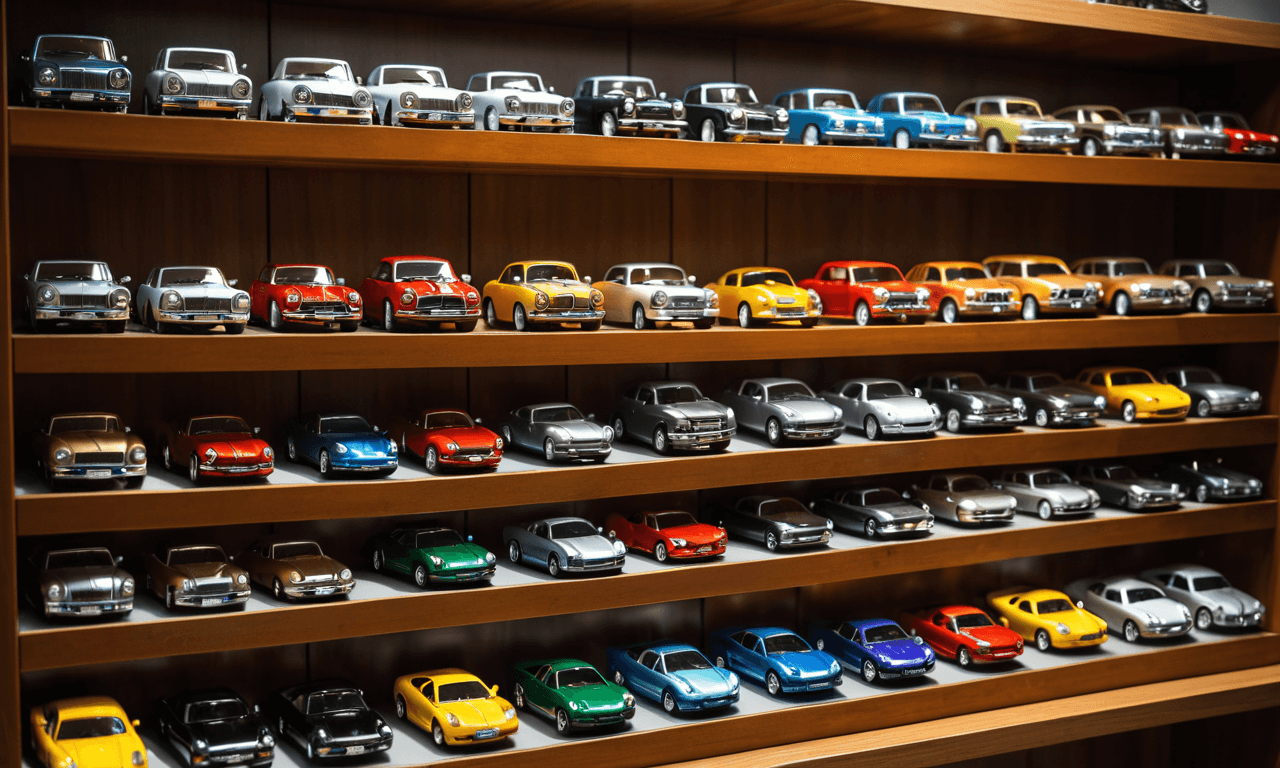
Building a 100-car Hot Wheels collection with real value is not about buying everything you see. It is about knowing what to look for, where to look, and how to tell a $2 mainline from a $200 hidden gem. I have been hunting pegs and digging bins for 20+ years. Here is what I know: the difference between a random pile of cars and a collection that holds value comes down to a system. That system starts with a Hot Wheels finder and a solid Hot Wheel list.
In this guide, I will show you how to use a finder tool, how to build your own ultimate Hot Wheel list, and how to curate 100 cars that actually mean something. No fluff. Just the stuff I wish someone had told me when I started.
Why a Hot Wheels Finder Beats Random Peg Hunting
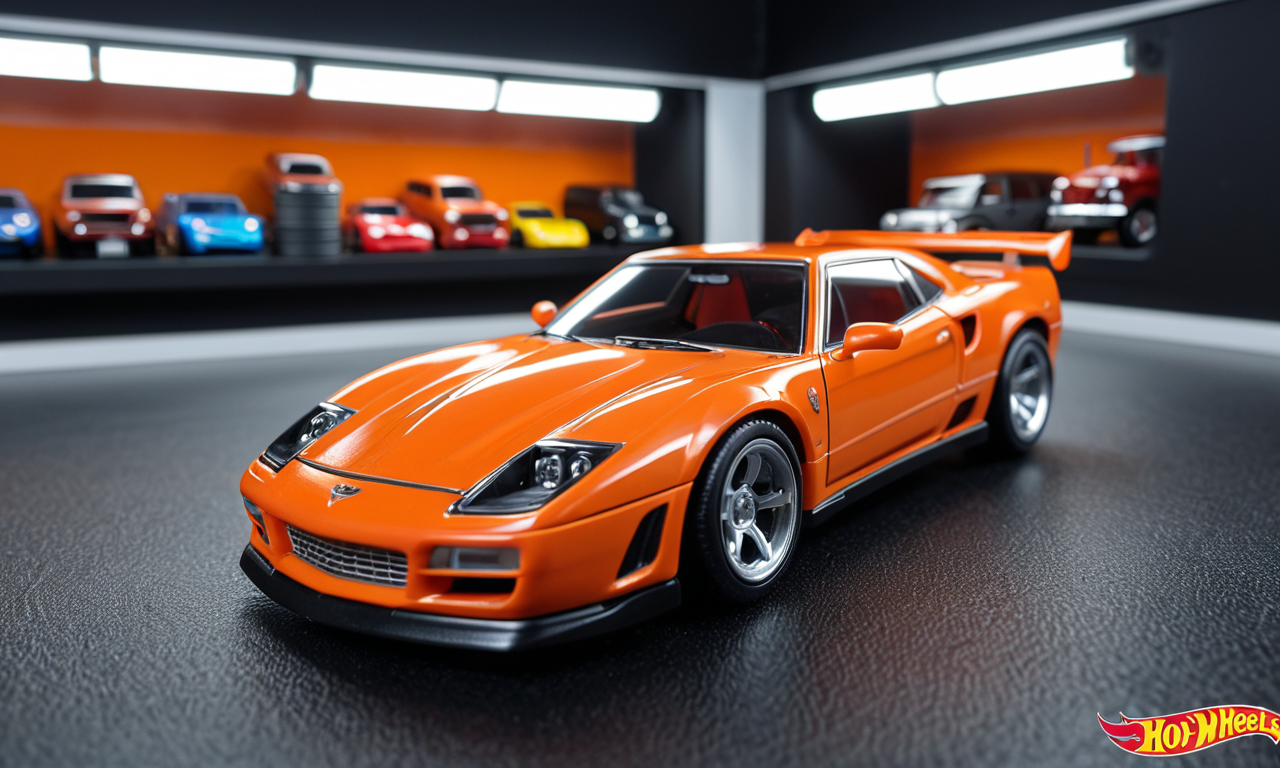
Peg hunting is fun. It is also chaos. You walk into a store, see a wall of cars, and grab whatever looks cool. That is how you end up with 300 cars and no idea what you have. A Hot Wheels finder fixes that because it gives you direction. It tells you what is worth looking for before you leave the house.
A good finder tool, like the one built into our catalog, lets you filter by model, year, series, and even color. You can search for specific castings, check recent finds, and see what other collectors are pulling. That intel is gold when you are standing in front of a freshly stocked bin at 7 a.m. on a Saturday.
But here is the catch. A finder is only as good as the list you feed it. If you do not know what you are hunting, the tool just gives you more noise. That is why you need the ultimate Hot Wheel list.
What Makes a Hot Wheels Car Valuable?
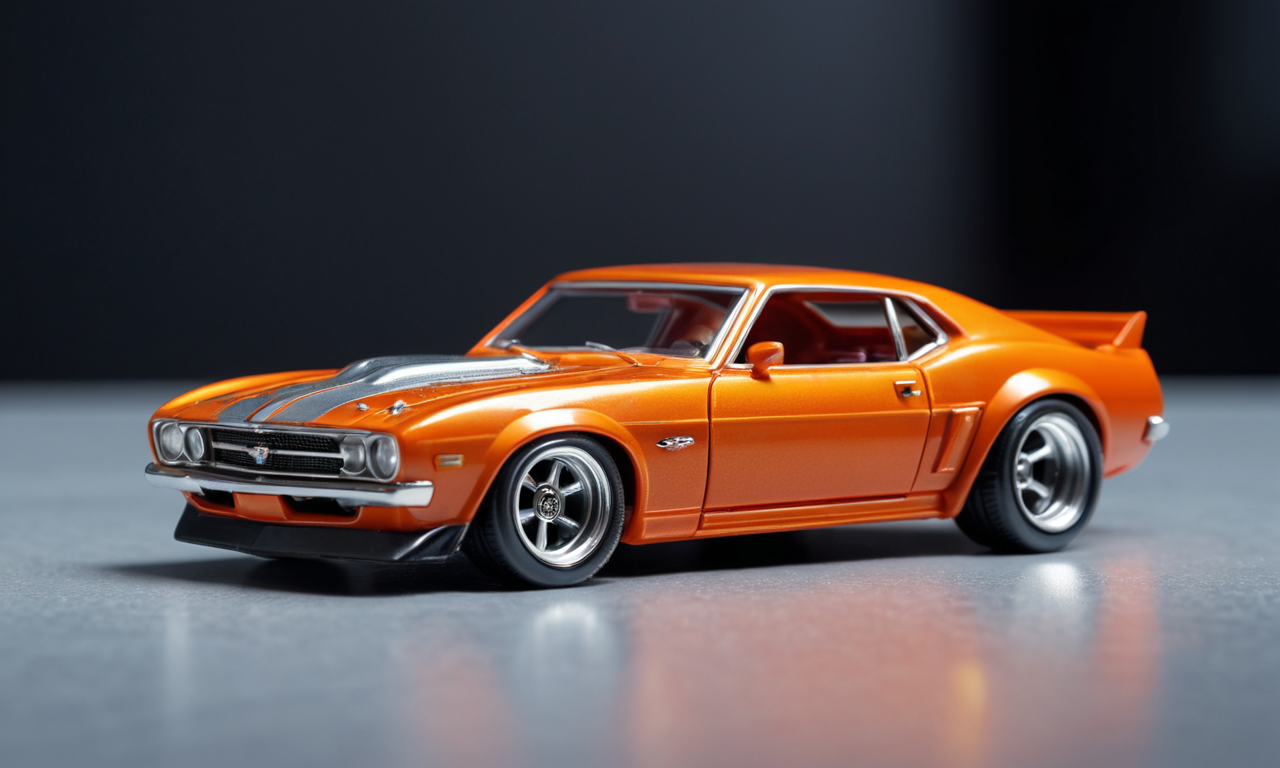
Value in Hot Wheels is not random. It comes down to a few key factors. Understand these, and you can spot a winner from across the aisle.
Rarity and Production Numbers
The fewer made, the more people want them. Treasure Hunts and Super Treasure Hunts are produced in limited numbers, which is why they sell for premiums. Redlines from the late 1960s and early 1970s are rare because kids played with them instead of keeping them boxed. Today, a clean Redline can fetch hundreds or even thousands.
Condition and Grading
A mint car in a mint card is worth far more than a loose one with paint chips. Collectors care about card corners, blister seals, and whether the car has been touched. A soft corner or a cracked blister can cut value by 50% or more. Learn to grade honestly. If you are buying to hold value, condition is everything.
Casting and Series Popularity
Some castings have cult followings. The Datsun 510, the '55 Chevy Bel Air Gasser, and the Honda Civic EF are just a few. When a casting is hot, every release gets attention. Series matter too. Real Riders, Car Culture, and Premium lines tend to hold value better than basic mainlines.
Exclusives and Store Exclusives
Store exclusives, convention cars, and mail-in offers are made in smaller batches. They are harder to find and often more desirable. If you see a store exclusive you like, grab it. You might not see it again.
Tip: Always check the bottom of the card for the case code. Case codes tell you what assortment the car came from. Some codes are known for containing Treasure Hunts. Learn a few and you will save hours of digging.
Building Your Ultimate Hot Wheel List
Your ultimate Hot Wheel list is your personal hit list. It is the 100 cars you want to own, ranked by priority. It should be a mix of grails, smart buys, and fun finds. Here is how to build it.
Start With a Theme
Random collections are hard to value. Themed collections are easier to curate and often worth more. Pick a lane: JDM, American muscle, European classics, movie cars, or racing liveries. A focused collection tells a story. Collectors pay for stories.
Include a Mix of Eras
Do not ignore the old stuff. Redlines, Blackwalls, and early Hot Ones are the foundation of the hobby. They are also where the real money is. A single clean Redline can be worth more than 50 mainlines. Balance your list with a few vintage pieces and plenty of modern finds.
Target Treasure Hunts and Supers
Treasure Hunts are regular mainlines with a special logo. Super Treasure Hunts have Spectraflame paint and Real Riders. Both are worth hunting. Supers can flip for $30 to $100 depending on the casting. Add a few to your list and keep an eye out.
Add Premium and Car Culture Releases
Premium lines like Car Culture, Boulevard, and Fast & Furious feature metal bases, Real Riders, and detailed decos. They cost more at retail but hold value better. A complete set of Car Culture cars can be a centerpiece.
Do Not Forget the Fun Stuff
Value is not just dollars. It is also joy. Include castings you love, even if they are not worth much. A collection that makes you smile beats a pile of investments.
Tip: Use our checklist feature to track your list. Mark cars as owned, wanted, or upgraded. It keeps you organized and stops you from buying duplicates by accident.
How to Find 100 Valuable Hot Wheels: A Step-by-Step Plan
Now that you have a list, here is how to actually find the cars. This is the peg hunter's playbook.
1. Know Your Stores and Their Schedules
Big box stores, dollar stores, grocery chains, and auto parts stores all carry Hot Wheels. Each has a different restock schedule. Talk to employees. Be polite. Learn when the trucks arrive. Early morning and late evening are often best.
2. Use the Finder to Plan Your Route
Before you head out, check our finder for recent finds in your area. If a store just got a fresh case, put it on your route. Do not waste time driving to places that have not restocked in weeks.
3. Dig, Do Not Just Scan
The good stuff is often at the bottom of the bin. Dig. Move cars aside. Check the cards for the Treasure Hunt flame logo. Look for Spectraflame paint. Real Riders have rubber tires, which feel different. You can often spot them by touch.
4. Check Condition Before You Buy
Inspect the card corners and blister seal. A crushed corner is a negotiating point if you are buying from a person, but a dealbreaker if you are buying for value. Do not buy damaged cards unless it is a grail.
5. Trade and Network
Not every car will come from a store. Trade with other collectors. Join local groups. Go to toy shows. The community here is a great place to swap doubles for wants. A good trade can fill gaps faster than months of hunting.
6. Buy Collections When You Can
Sometimes the fastest way to 100 valuable cars is to buy someone else's collection. Watch estate sales, garage sales, and local ads. Know your values so you do not overpay. A mixed lot can hide a few gems.
Tip: Keep a small notebook or use your phone to track finds and prices. Over time, you will build your own price history and know what is a good deal.
Condition Grading: The Difference Between $5 and $500
Condition is the great divider. Two identical cars can have wildly different values based on a few millimeters of card damage. Learn to grade.
-
Mint: Perfect card and blister. No flaws. This is what you want for value.
-
Near Mint: Minor edge wear or a slightly soft corner. Still displays well.
-
Excellent: Noticeable corner wear, light creases, or a small blister dent.
-
Good: Creases, bent corners, or a partially lifted blister. Value drops fast.
-
Loose: No card. Value depends entirely on the car's condition.
For high-value cars, always buy the best condition you can afford. A mint example will always be easier to sell than a flawed one.
The 100-Car Collection: What to Keep and What to Let Go
Once you hit 100 cars, it is time to curate. Not every car deserves a spot. Be ruthless. Keep the best examples, the grails, and the ones that make you happy. Sell or trade the rest to fund better buys.
A tight 100-car collection with a few high-value pieces will always beat a loose 500-car pile of commons. Quality over quantity. That is the collector's rule.
And remember, value is not just money. It is the story behind each car. The one you found on a road trip. The one a friend gave you. The one you hunted for months. Those are the cars that matter.
Frequently Asked Questions
How do I know if a Hot Wheels car is valuable? Check for rarity factors like Treasure Hunt logos, Spectraflame paint, Real Riders, and limited production. Condition is critical. Use our price history and catalog to compare recent sales.
What is the best way to store a collection? Keep cars in protectors, away from direct sunlight and heat. Avoid hanging them on nails. A climate-controlled room is ideal. For high-value cars, consider a display case with UV protection.
Should I collect loose or carded cars? Carded cars hold value better, but loose cars are easier to display and enjoy. Many collectors do both: carded for investment, loose for fun. Do what works for you.