Best Hot Wheels Cars of the 1990s: The Castings That Quietly Built the Collector Hobby

The 1990s were a turning point for Hot Wheels. The brand had been around since 1968, but by the late 80s, many people saw it as just another toy. Then something shifted. Mattel started listening to collectors, and the castings they released during that decade quietly laid the foundation for the modern collector hobby. These weren't just toys anymore. They were pieces of design, engineering, and pop culture that adults wanted to display, trade, and hunt for.
In this guide, we're looking back at the best Hot Wheels cars of the 1990s. Not just the flashy ones, but the castings that had staying power. The ones that made you stop and dig through a bin, that made your heart race when you spotted that familiar card corner. We'll cover the models that defined the era, the ones that still command respect in collections today, and the ones that taught us how to be collectors.
Why the 1990s Matter for Hot Wheels Collectors
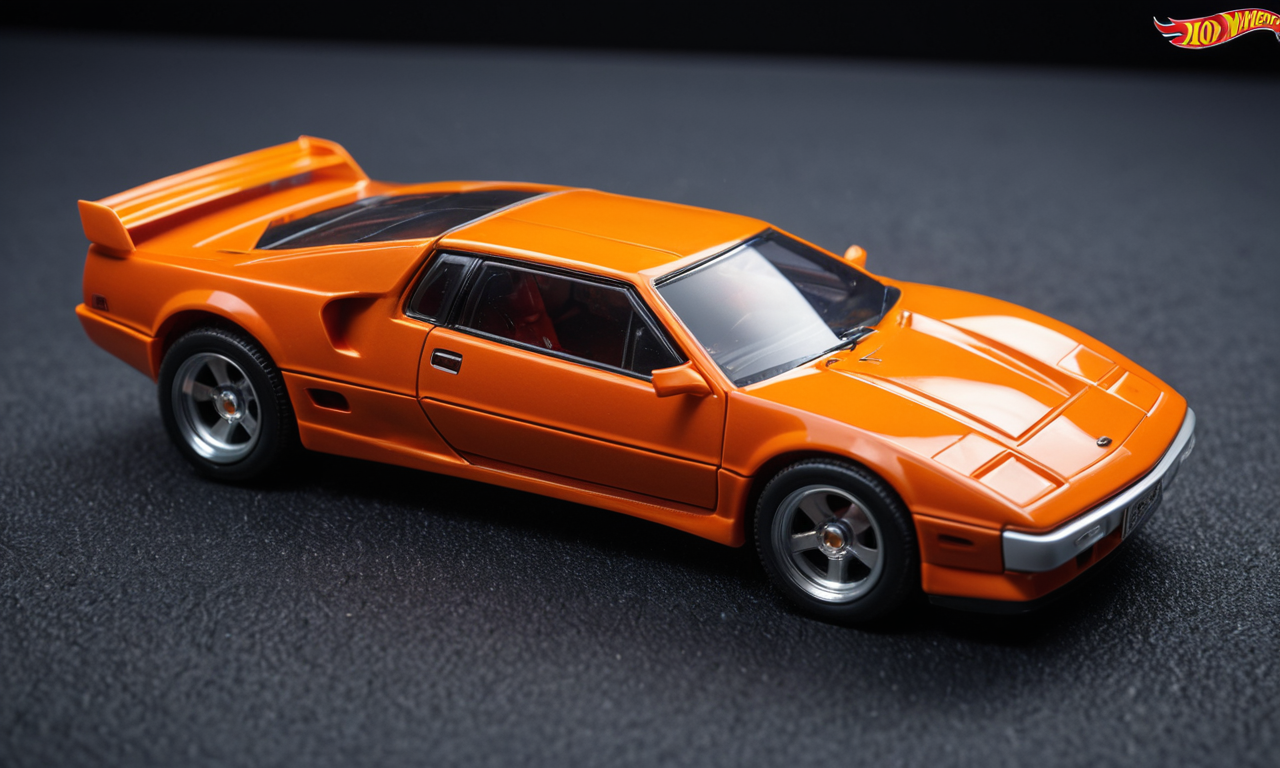
The 90s were a transition period. Hot Wheels moved from being primarily a kids' toy to a hobby for adults. Mattel introduced the Hot Wheels Collectors Club in 1992, giving collectors a direct line to the brand. They also started producing premium lines like the 25th Anniversary series in 1993, featuring Spectraflame paint and Real Riders wheels. These were aimed squarely at adults, and they sold out fast.
The castings themselves became more detailed and realistic. Designers like Larry Wood and Phil Riehlman were creating models that appealed to car enthusiasts. The 90s also saw the rise of the Treasure Hunt series in 1995, which added a new level of chase to the hobby. Suddenly, every peg hunt was a potential treasure hunt, and the thrill of finding a rare car became addictive.
But beyond the marketing, the 90s produced some genuinely great castings. Cars that were well proportioned, had accurate details, and looked good in any color. These are the cars that quietly built the collector hobby, one peg at a time.
The Standout Castings of the 1990s
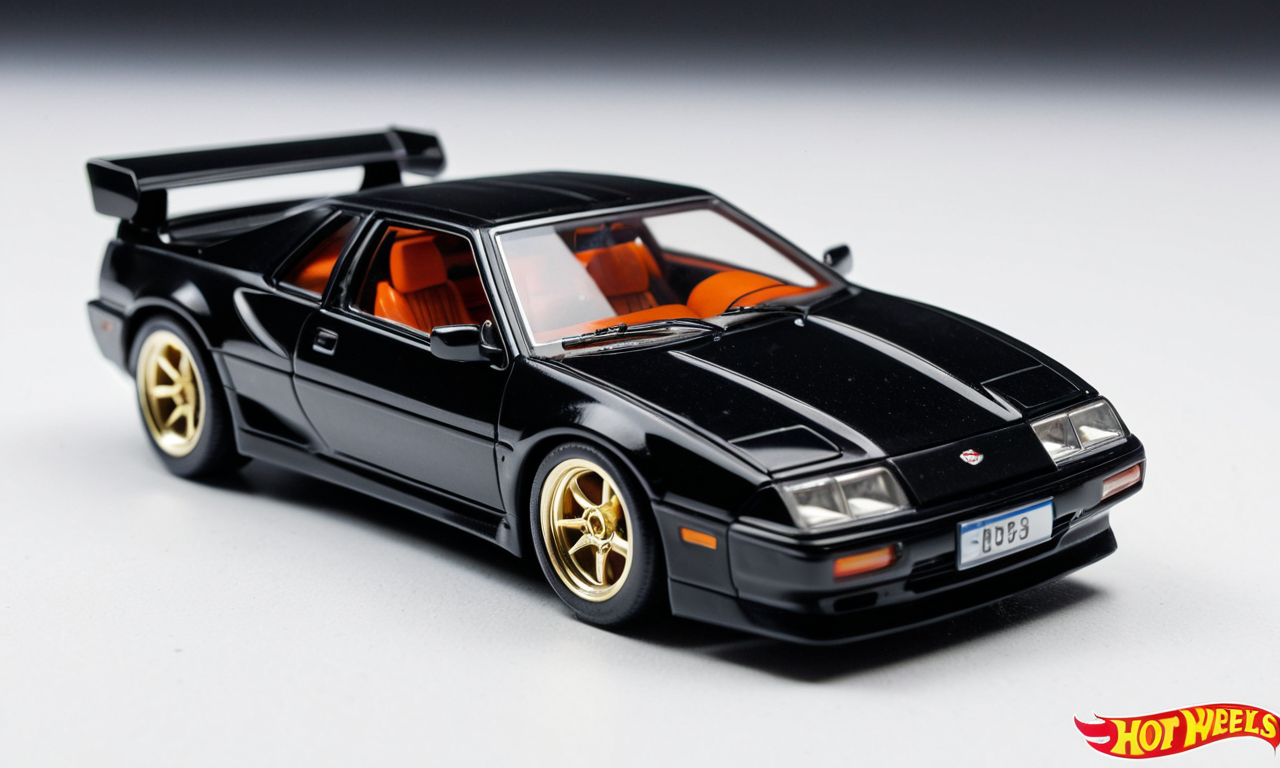
Let's dive into the castings that made the 1990s special. We've picked a mix of domestic and imported cars, each with its own story and collector appeal.
Ferrari F40 (1990)
The Ferrari F40 was one of the first Hot Wheels to capture the supercar craze of the late 80s and early 90s. Introduced in 1990, it was based on the legendary Ferrari F40, and the Hot Wheels version nailed the aggressive stance and rear wing. The casting was released in the mainline and later in premium lines, including a stunning Spectraflame red version in the 1993 25th Anniversary set. Collectors love it for its clean lines and the fact that it's a Ferrari, which always adds value.
The F40 remained in the mainline for years, with various wheel and color variations. The 1990 original release with the Ultra Hot wheels is particularly sought after. Card condition is crucial here, as the blister seals on early 90s cards are notorious for yellowing or cracking. A mint-on-card F40 from 1990 is a centerpiece for any Ferrari collection.
Dodge Viper RT/10 (1992)
The Dodge Viper RT/10 was a symbol of American excess in the early 90s, and Hot Wheels captured it perfectly in 1992. The casting featured the Viper's curvaceous body, side pipes, and that iconic crosshair grille. It was released in the mainline in a variety of colors, from bright red to neon green, and later in premium lines with Real Riders.
The Viper was also one of the first Hot Wheels to feature the new 'GT' wheels, which gave it a more realistic look. Collectors appreciate the Viper for its place in automotive history and its many variations. The 1992 release with the original card art is a favorite, especially in mint condition. Keep an eye out for the rare color variants, like the neon yellow version, which can fetch a premium.
Twin Mill III (1998)
The Twin Mill is a Hot Wheels original, first introduced in 1969. But the third iteration, Twin Mill III, released in 1998, took the concept to new heights. With its twin big-block engines, sleek aerodynamic body, and massive rear wheels, it was a fantasy car that looked like it could break land speed records. The casting was designed by Larry Wood, and it quickly became a favorite among collectors who appreciated original designs.
Twin Mill III was released in the mainline and also in the Treasure Hunt series in 1999, making it a must-have for chase collectors. The 1998 first edition is easy to find, but the Treasure Hunt version with Real Riders and special paint is a true gem. This casting represents the creativity that Hot Wheels is known for, and it's a reminder that not all great cars are based on real vehicles.
Porsche 911 GT1 (1998)
The Porsche 911 GT1 was a homologation special built for endurance racing, and Hot Wheels brought it to 1/64 scale in 1998. The casting was incredibly detailed for a mainline car, with a rear wing, side intakes, and accurate proportions. It was released in a few colors, including a striking blue with white stripes, and later in premium lines.
Collectors love the 911 GT1 for its racing pedigree and the fact that it's a Porsche. The 1998 release is not too hard to find, but carded examples in excellent condition are becoming scarcer. The casting was also used in the 1999 Treasure Hunt series, which adds to its desirability. If you're a Porsche fan, this one is a must-have.
Chevy Silverado (1990)
The Chevy Silverado was a staple of the Hot Wheels lineup in the early 90s. Introduced in 1990, it was based on the C/K series pickup and featured a lifted stance, big wheels, and a roll bar. It was a hit with kids and collectors alike, and it remained in production for years with numerous variations.
The Silverado is a great example of a casting that quietly built the hobby. It wasn't a supercar or a fantasy car, but it was a well-executed truck that appealed to a wide audience. Collectors now seek out the early releases, especially those with the 'BW' (black wall) wheels or the rare 'Gold Medal' edition from 1991. The Silverado also had a place in the 1993 25th Anniversary set, with a Spectraflame finish and Real Riders.
Jaguar XJ220 (1992)
The Jaguar XJ220 was the fastest production car in the world in the early 90s, and Hot Wheels released a 1/64 version in 1992. The casting captured the XJ220's long, low, and wide proportions, with its distinctive rear deck and taillights. It was released in a few colors, including a beautiful metallic green and a silver version.
The XJ220 is a favorite among collectors of 90s supercars. The casting is well detailed and looks great with the 'Ultra Hot' wheels that were common at the time. The 1992 release is not too hard to find, but the later premium versions with Real Riders are more desirable. This is another example of Hot Wheels tapping into the supercar zeitgeist and giving collectors something to chase.
Corvette Stingray (1997)
The 1997 Corvette Stingray was a modern take on the classic nameplate, and Hot Wheels released a casting that same year. It was based on the C5 Corvette, which had just been introduced, and it featured a sleek, aerodynamic body with pop-up headlights. The casting was released in the mainline and was an instant hit.
The C5 Corvette is a great casting for collectors because it represents the modern era of Hot Wheels. The 1997 first edition is easy to find, but there are also rare variations, such as the 'First Editions' series with special paint. The Corvette has always been a popular subject for Hot Wheels, and the C5 is one of the best executed.
The Rise of Treasure Hunts and Premium Lines
The 1990s weren't just about individual castings; they were about the way Hot Wheels started to cater to collectors. The introduction of the Treasure Hunt series in 1995 was a game-changer. Suddenly, there were rare cars to hunt for, with special paint, Real Riders, and a logo on the card. The first Treasure Hunts, like the '67 Camaro and the '57 Chevy Bel Air, are now highly collectible.
Premium lines like the 25th Anniversary series (1993) and the 30th Anniversary series (1998) gave collectors high-quality castings with Spectraflame paint and Real Riders. These were produced in limited numbers and came in special packaging, making them instant collectibles. The 25th Anniversary set, in particular, is considered a high point of 90s Hot Wheels design.
The 90s also saw the rise of the Hot Wheels Collectors Club, which gave members access to exclusive cars and newsletters. This was the beginning of the direct-to-collector model that continues today. Our catalog has a full checklist of these club cars if you're looking to complete your collection.
Pro tip: When hunting for 90s Treasure Hunts, pay attention to the card. The early ones have a green stripe and the Treasure Hunt logo. Also, check the blister seal. A loose car is fine, but a mint-on-card example with a clean seal can be worth significantly more.
Collecting Tips for 1990s Hot Wheels
If you're looking to add 90s Hot Wheels to your collection, here are a few things to keep in mind:
-
Condition is key. The 90s were a time when many cars were played with, so finding mint examples can be challenging. Always check for paint chips, worn wheels, and card condition. A mint-on-card car is always more desirable.
-
Focus on first editions. The first release of a casting is often the most sought after. Look for the 'First Editions' logo on the card or the specific year on the base.
-
Watch for variations. Hot Wheels produced many variations in the 90s, from wheel types to paint colors. Some variations are rare and can add value. Our price history can help you identify which ones are worth chasing.
-
Don't overlook international cards. Hot Wheels were sold worldwide, and international card variations can be highly collectible. The same car might have different packaging in Europe or Asia.
-
Store them properly. Keep your cars out of direct sunlight and in a cool, dry place. For carded cars, use protective cases to prevent corner dings and blister damage.
The 1990s were a time of innovation and growth for Hot Wheels. The castings from that era are not just toys; they are pieces of history that helped shape the collector hobby. Whether you're a longtime collector or just starting, these cars offer a glimpse into what makes Hot Wheels so special.
Frequently Asked Questions
What makes 1990s Hot Wheels so collectible? The 90s saw the introduction of collector-focused lines like Treasure Hunts and premium series, plus many iconic castings based on supercars and classics. These factors, combined with lower production numbers compared to today, make them highly sought after.
How can I tell if a 1990s Hot Wheels is rare? Rarity can come from several factors: limited production (like Treasure Hunts), special paint (Spectraflame), Real Riders wheels, or being a first edition. Checking the card for logos and the base for casting names and years is a good start. Our community here can also help authenticate rare finds.
Are loose 1990s Hot Wheels worth collecting? Absolutely. While carded examples often command higher prices, loose cars are still collectible, especially if they are in excellent condition. Many collectors focus on loose cars for display or to complete sets. Just be aware that condition is critical, and rare variations can still be valuable even without the packaging.