Most Valuable Hot Wheels of All Time: The Castings That Quietly Turned Into Grails
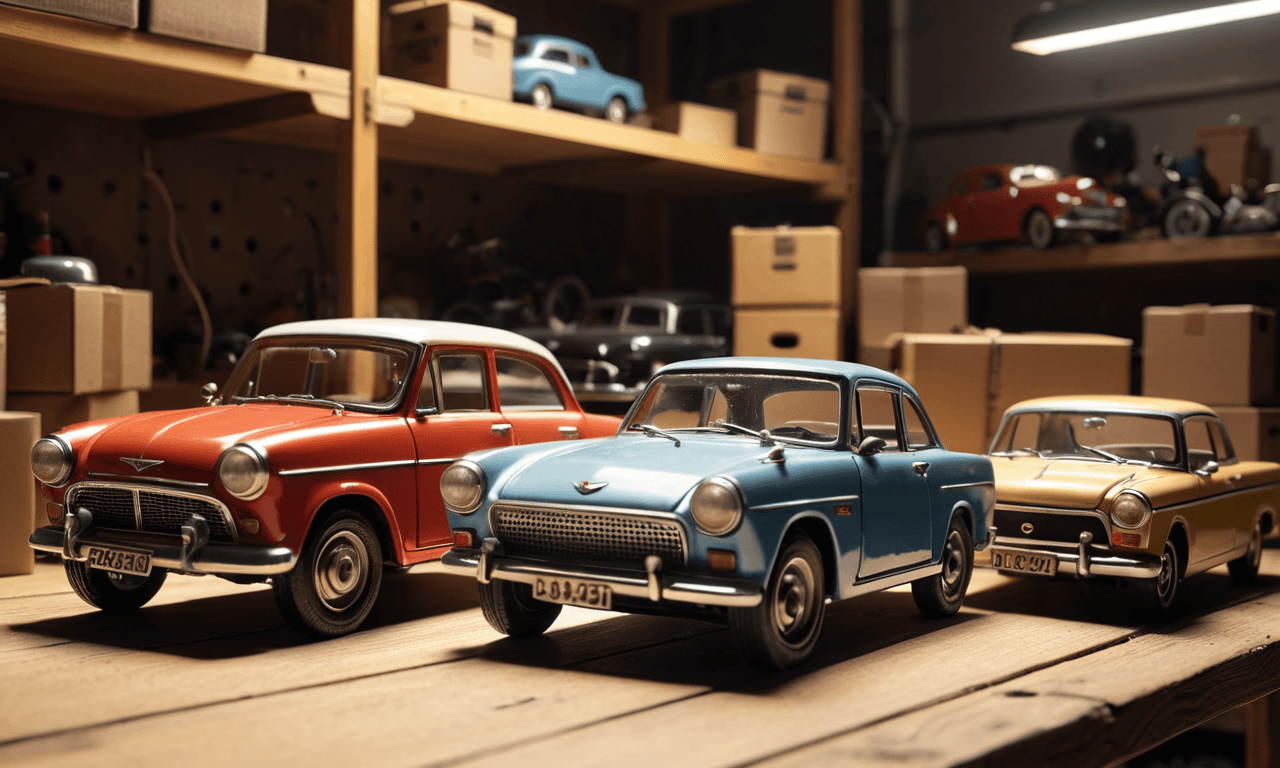
Every collector has that one story. The car you saw on the pegs and left behind. The one you traded away for something you thought was hotter. The grail almost nobody noticed at the time, sitting in a bin at a flea market with a cracked blister and a price tag that looked insane in 2004 and looks like a rounding error today. That is how grails work in this hobby. They rarely announce themselves. They hide in plain sight, get ignored for years, then one day a serious buyer shows up and the price never comes back down.
We have spent 20 plus years digging through cases, bins, and cardboard boxes, and the pattern never changes. Rarity plus condition plus a story equals value. Miss any one of those and you have a neat car, not a grail. Here is the honest breakdown of the castings that quietly crossed that line.
The Original Grails: 1968 to 1972 Redlines
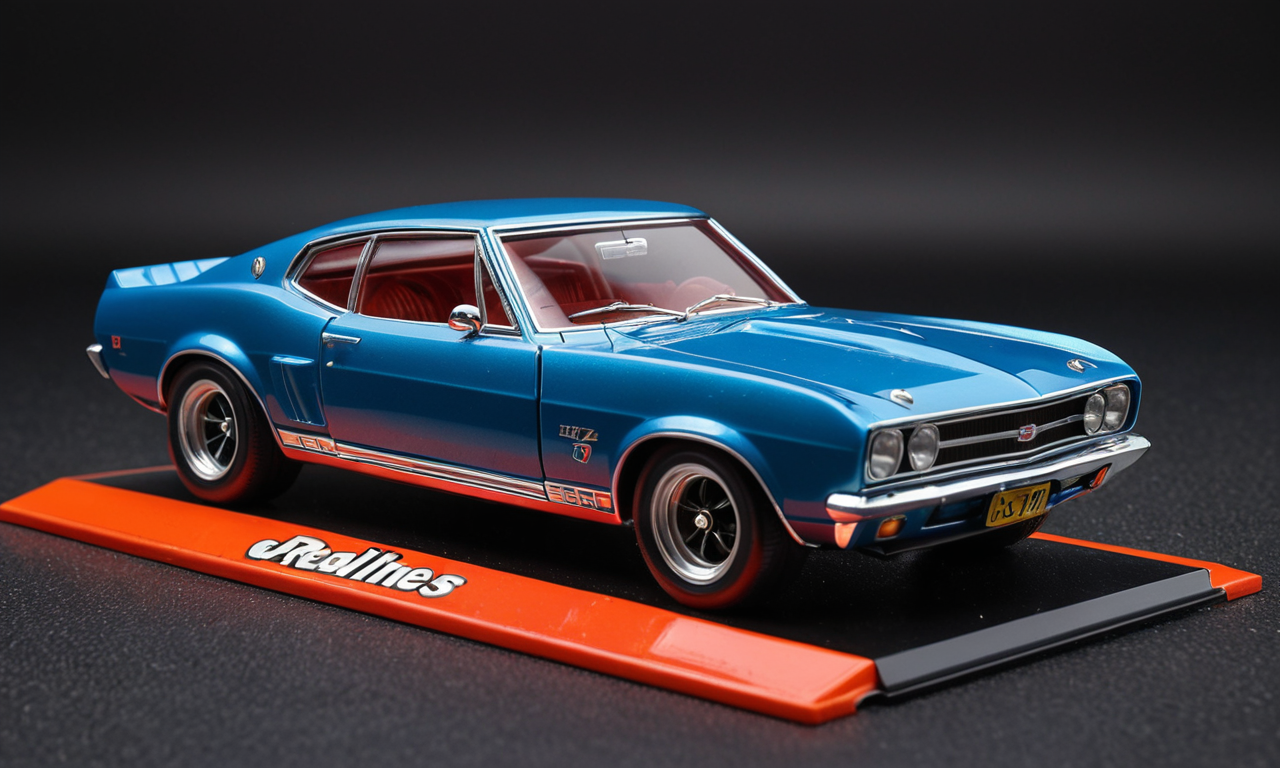
The first Hot Wheels cars rolled out in 1968 with Spectraflame paint, Redline wheels, and a level of detail that blew the doors off what kids were used to. Mattel made millions of them. That is exactly why the rare ones matter. Common Redlines are still affordable. The rare ones are not.
The Beach Bomb That Started It All
The pink rear loading Beach Bomb is the car everyone names when they talk about the most valuable Hot Wheels ever made. It is the classic grail story. The design was too narrow to fit the track, so Mattel changed it to a side loading version and the rear loaders barely made it out. Only a handful are known to exist, and the pink one is the famous survivor. You are not finding this at a garage sale. You are finding it at auction, with paperwork, and the price is the kind of number that ends conversations.
The Other Redline Sleepers
Not every valuable Redline is a household name. Castings like the Custom Camaro in certain Spectraflame colors, the Volkswagen Beach Bomb in less common shades, and early enamel painted variants can pull serious money. Color is the whole game here. A Spectraflame shade that was only run briefly can multiply the value of an otherwise ordinary casting several times over.
-
Spectraflame color rarity is the single biggest value driver on early Redlines. A common casting in a rare shade beats a rare casting in a common shade.
-
Original Redline wheels and unbroken tabs matter enormously. Swapped wheels kill value fast.
-
Card condition is brutal on 1968 to 1972 pieces. A clean, uncracked blister on a rare color is a completely different price tier than a loose car.
-
Watch for repaints. Spectraflame is hard to fake well, but people try. Look at the paint under strong light and check the casting seams.
Collector tip: on any early Redline, buy the color and the condition, not the casting name. The casting is the easy part to research. The shade is where the money hides.
The Modern Era Grails: Treasure Hunts and Store Exclusives
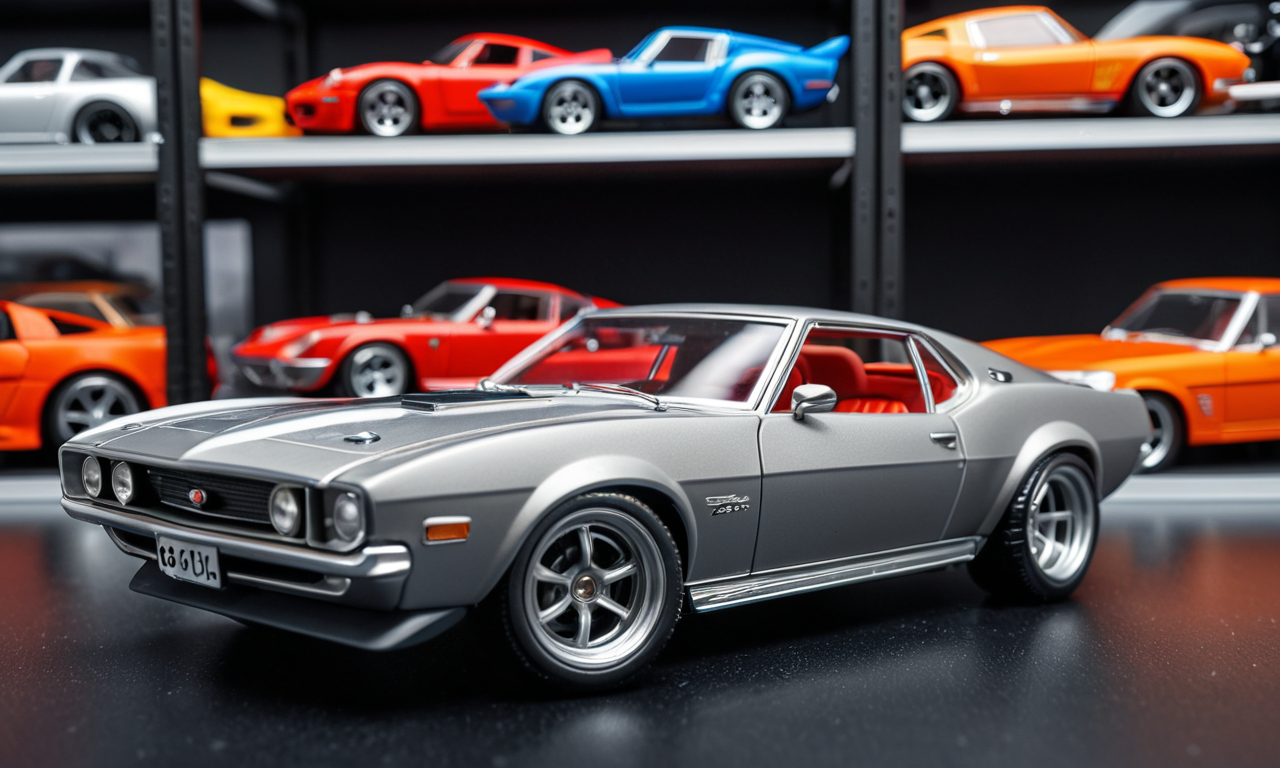
The 1990s and 2000s brought a new kind of grail. Mattel started building deliberate scarcity into the mainline through Treasure Hunts, then Super Treasure Hunts, then store exclusives and convention cars. Some of these were genuinely hard to find. Others were just hyped. Sorting one from the other is the whole skill.
Early Treasure Hunts Before the Flame Logo
The first Treasure Hunts from 1995 and 1996 did not have the flame logo collectors now hunt for. They used a green stripe on the card and a limited production run. Those early cars, especially the ones that sat on pegs because nobody understood what they were, are now genuinely hard to find in clean condition. This is the purest example of a grail that was hiding in plain sight. Kids opened them. Collectors ignored them. Now the survival rate is low and the demand is high.
Super Treasure Hunts and the Real Riders Effect
Super Treasure Hunts brought Spectraflame style paint and Real Riders wheels to the mainline, which made them instantly desirable. The earliest Supers from around 2007 onward are the ones to watch. Production numbers vary by casting and year, and Mattel does not publish exact counts, so treat any specific number you hear as an estimate. What is consistent is that clean carded examples with sharp corners and an intact blister hold value far better than loose ones.
-
Check the card for the flame logo and the green stripe. On early cars, the packaging is the only reliable identifier.
-
Real Riders wheels and Spectraflame style paint are the two features that separate a Super from a regular mainline.
-
Card corners and blister seals drive price on carded Supers. A soft corner can cut value noticeably.
-
Case codes matter for peg hunters. Knowing which code carries the Super helps, but it is never a guarantee.
Convention and Mail-In Cars
Convention cars, collector edition mail-ins, and store exclusives sit in a strange middle ground. They were made in limited numbers, often with premium details, and they were sold to people who mostly kept them. That means high survival rates but also high demand. The grails here are the ones tied to a specific event or a short window, especially when the packaging is unique to that release.
What Actually Drives Value on a Grail
New collectors tend to fixate on the casting name. Veterans look at 4 things, in this order.
1. Production Numbers
Lower production means higher value, but only if people want the car. A rare casting nobody cares about is just a rare casting. Mattel rarely publishes exact counts, so most of what we know comes from collector observation and release records over time.
2. Condition
On carded cars, condition is everything. Sharp corners, a clean blister, no yellowing on the plastic, no price sticker residue. On loose cars, paint chips and wheel swaps are the killers. A grail in rough condition is a shadow of the same car in clean condition.
3. Color and Variant
This is where the quiet money lives. A color run that lasted a few weeks, a wheel variation, a packaging error, a base variation. These are the details that turn a 20 dollar car into a 200 dollar car. Our catalog tracks variants by casting, and it is worth checking before you assume you have a common.
4. The Story
Some cars are valuable because of what they represent. A first release. A cancelled design. A car tied to a specific event. Collectors pay for narrative, and that is not going away.
Collector tip: before you sell anything, check the base, the wheels, and the card back. Variations hide in places most people never look. Our price history is a good starting point, but condition photos are what actually close a deal.
How to Hunt Grails Without Getting Burned
The hobby has a lot of noise. Hype threads, inflated asking prices, and resellers who list a car 3 times what it actually sells for. Here is how we approach it after 2 decades.
-
Buy the car, not the story. If the seller cannot explain why it is rare, walk away.
-
Learn case codes and store patterns. Peg hunting is still the cheapest way to find a grail before the market knows it exists.
-
Keep your finds carded and protected. A 50 cent protector saves a 500 dollar card.
-
Track what you own. The community here shares checklists and price history, and keeping your own records is the difference between a collection and a pile.
-
Be patient. The best grails turn up when you are not looking for them, usually in a bin you almost skipped.
FAQ
What is the single most valuable Hot Wheels car ever made? The pink rear loading Beach Bomb is the most widely cited answer. Only a handful are known, and it sells at auction for figures most collectors will never see in person.
Are Treasure Hunts always valuable? No. Many regular Treasure Hunts are common and stay affordable. The value comes from early releases, Super Treasure Hunts, and clean carded condition. Plenty of Treasure Hunts are worth only a few dollars over retail.
Should I open a valuable car to display it? Generally no. Carded condition carries a premium that loose cars lose. If you want to display a grail, buy a second loose example or use a protective case and keep the carded one intact.