HKS Hot Wheels Set: What Most Collectors Get Wrong About This Underrated Release
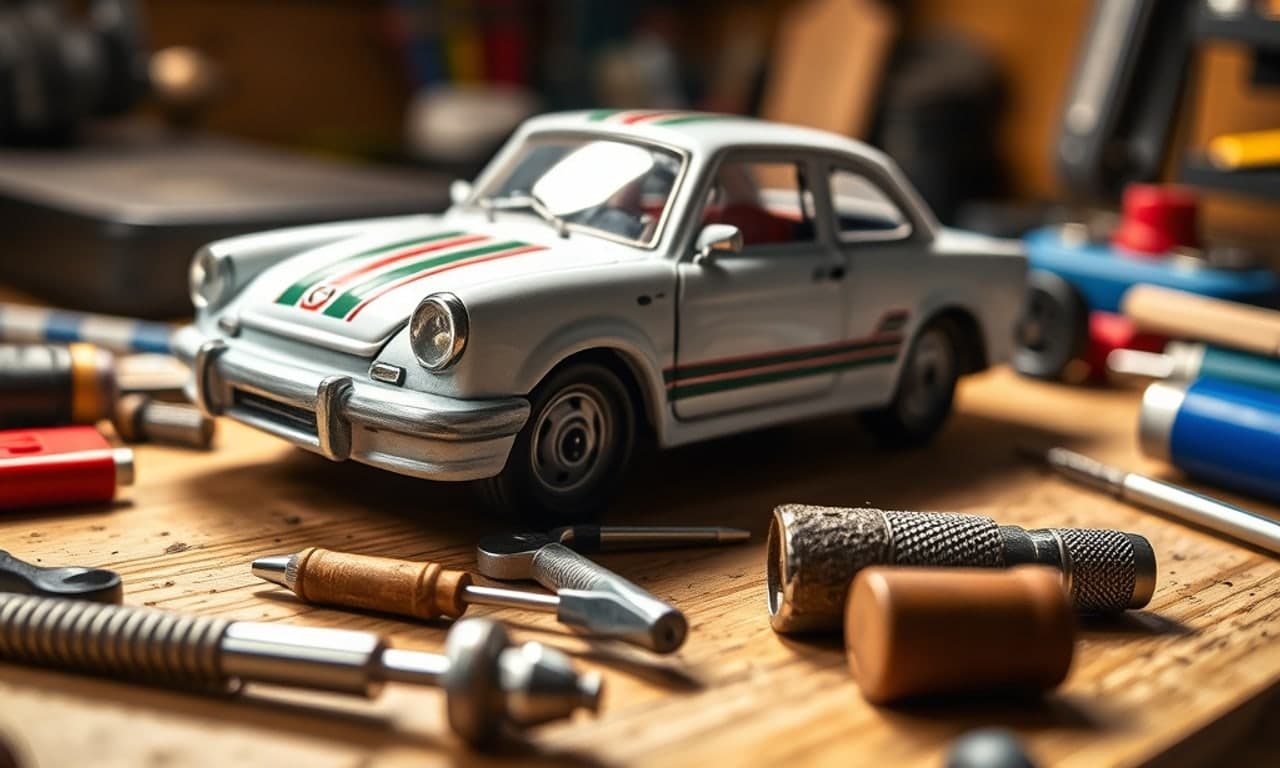
The HKS Set: A Quick Refresher
If you have been chasing Hot Wheels for more than a few years, you have probably seen the HKS set sitting on a peg or in a buddy's trade box and walked right past it. I know I did. Back in the mid-2000s, HKS was one of those partner sets that seemed to fly under the radar. HKS is a Japanese tuning company famous for their blow-off valves, turbo timers, and full-on engine builds. Hot Wheels did a collaboration with them, and the result was a small series of cars decked out in HKS livery. They were not mainline peg warmers, but they were not exactly Treasure Hunts either. They landed in that middle ground that a lot of collectors ignore.
The set included a handful of castings, most notably the Nissan Skyline GT-R (R34), the Mitsubishi Lancer Evolution, and a couple of others depending on the market and year. They came in special packaging with HKS branding, and the cars themselves wore the iconic HKS purple and green color scheme. But here is the thing: a lot of collectors lump them in with generic tuner cars and never dig deeper. That is a mistake.
What Most Collectors Get Wrong
Mistake #1: Assuming They Are Just Mainlines
The biggest misconception is that the HKS cars are just mainline releases with a sticker. They are not. These were produced in smaller numbers, and the packaging alone sets them apart. The cards often feature the HKS logo prominently, and some versions came in a special 5-pack or a themed assortment. The cars themselves sometimes used different wheels than the standard mainline, like Real Riders on certain releases, though that varies by specific car and year. If you are only looking at the car and not the card, you are missing half the story.
Mistake #2: Ignoring the Card and Blister
In the diecast world, condition is everything. A mint-on-card HKS car with sharp corners and an intact blister is worth significantly more than a loose one. But here is the kicker: many collectors do not realize that the HKS set had multiple card variations. There are international versions with different language text, and some have the HKS logo in different sizes. I have seen cards where the logo is subtle and others where it dominates the top corner. These variations matter to serious collectors. If you are buying, check the card corners for softness and the blister for cracks. A tiny crack can halve the value.
Tip: Always inspect the blister seal under good light. A hairline crack near the edge is easy to miss and can turn a $50 car into a $20 car.
Mistake #3: Overlooking the Loose Cars
Loose HKS cars are often dismissed as play-worn, but some collectors specifically seek them out for display or to complete a loose set. The problem is that loose cars lose their packaging context, so you need to know what you are looking at. Check for paint chips, wheel wear, and missing parts. The HKS livery is usually tampo-printed, so look for fading or scratches. A clean loose example can still fetch a decent price, especially if it is a castings that is hard to find carded.
Why the HKS Set Is Underrated
There are a few reasons this set flies under the radar. First, it is not a Treasure Hunt or a Convention car, so it does not get the hype. Second, the tuner scene in diecast has always been niche compared to American muscle or JDM legends like the Skyline. But that is changing. As JDM and tuner culture grows, these collaborative sets are gaining traction. The HKS name carries weight in the import scene, and that translates to collector interest.
Another factor is that the HKS set was not widely distributed in all markets. Some regions got limited quantities, making certain versions harder to find. I have talked to collectors in Europe who never saw them at retail, while folks in Asia and North America had better access. That scarcity is a slow burn, but it is real.
Key Cars and Variations to Watch
The HKS set includes a few standouts. The Nissan Skyline GT-R R34 is the star for many, painted in that unmistakable HKS purple and green. There is also a Mitsubishi Lancer Evolution, which appeals to the rally and tuner crowd. Depending on the year, you might find a Subaru Impreza or a Toyota Supra in the mix. Each has its own quirks.
When it comes to variations, look at the wheels. Some releases had standard 5-spoke wheels, while others had Real Riders. The Real Riders versions are generally more desirable. Also, check the base. Some early releases have a metal base, while later ones went to plastic. That can affect weight and value. The tampo work is another area: early runs might have sharper details, while later runs could be slightly off-register. These small differences add up.
The Skyline R34: A Closer Look
The R34 in HKS livery is probably the most sought-after car in the set. It features the iconic HKS purple with green accents, and the details like the headlights and grille are usually crisp. But not all R34s are created equal. There are reports of color variations, with some looking more blue than purple depending on the batch. That is a classic Hot Wheels quirk. If you find one with a deep, rich purple, snap it up. Also, check the card for the HKS logo placement. Some have it top center, others off to the side.
The Lancer Evolution: Underappreciated
The Evo often gets overshadowed by the Skyline, but it is a solid piece. The HKS livery suits the Evo's aggressive lines, and the car sits well on the display shelf. Look for the same things: wheel type, base material, and tampo quality. I have seen Evos with slightly misaligned side graphics, which can be a turn-off for some but a curiosity for others. It is all about what you value.
How to Value and Collect the HKS Set
Valuing the HKS set is not an exact science. Prices fluctuate based on condition, variation, and market demand. Carded examples in mint condition command the highest premiums, especially for the Skyline. Loose cars are more affordable but still have a following. If you are looking to buy, do your homework. Check our price history for recent sales data to get a sense of the market. And do not be afraid to ask questions in the community here; plenty of collectors have been down this road.
When collecting, focus on what you enjoy. If you are a carded collector, hunt for the cleanest cards you can find. If you are a loose collector, look for cars with minimal play wear. And if you are a variation hunter, keep an eye out for the wheel and base differences. The HKS set is small enough that you can complete it without breaking the bank, but rare enough that it feels like a chase.
Tip: Join collector groups and forums to trade intel on HKS variations. Sometimes the best finds come from a fellow collector's cast-off pile.
FAQ
What is the HKS Hot Wheels set?
It is a collaboration between Hot Wheels and HKS, a Japanese tuning company. The set features several JDM and tuner cars with HKS livery, typically in purple and green, and was released in the mid-2000s.
Are HKS Hot Wheels rare?
They are not ultra-rare, but they are less common than mainline releases. Certain versions, like those with Real Riders or specific card variations, are harder to find and more valuable.
What should I look for when buying an HKS Hot Wheels car?
Check the card condition, blister seal, wheel type, base material, and tampo quality. Carded examples in mint condition are the most desirable. Also, look for international card variations.