How Hot Wheels Cars Are Designed and Made at Mattel: From Sketch to Blister
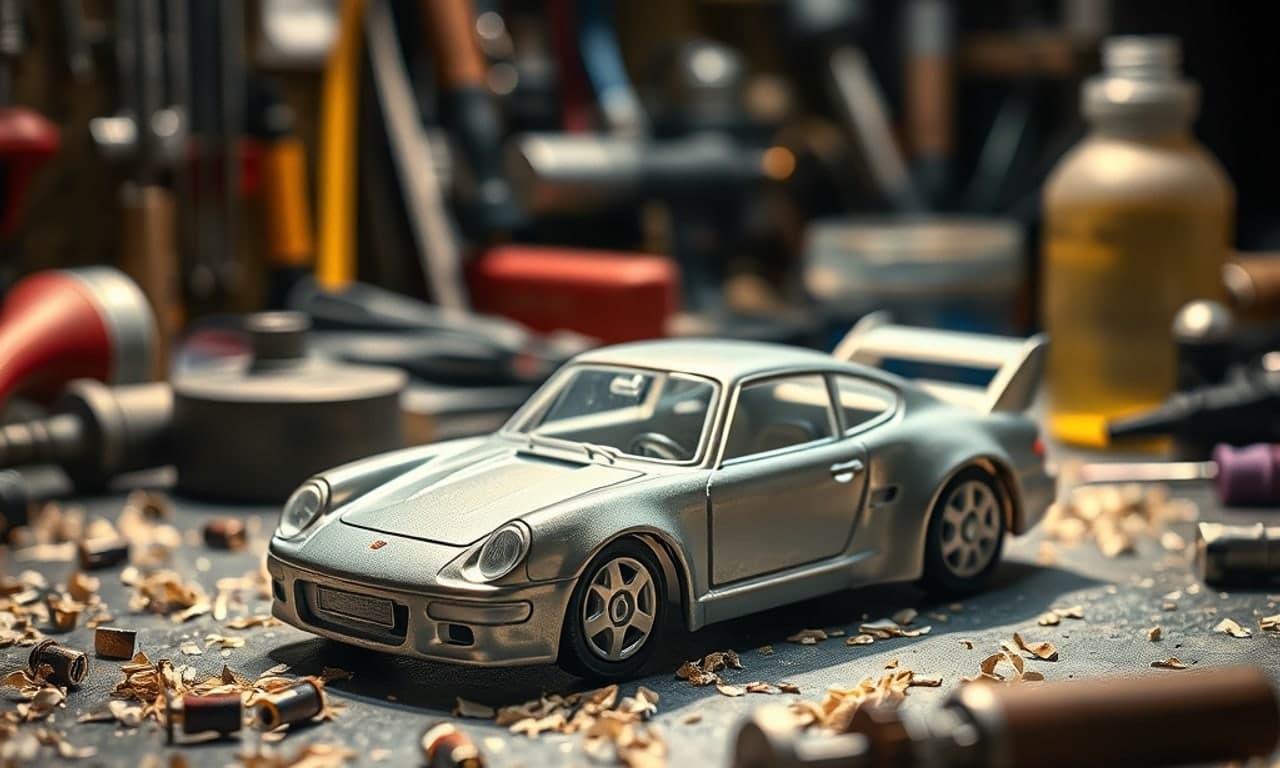
Most of us never think about it. We see a car on the peg, flip it over, check the card for a corner ding, and it goes in the basket or back on the hook. But there is a long, strange trip between a designer's sketchbook in El Segundo and the sealed blister in your hand. I have been collecting for over 20 years, and the production side still fascinates me. Once you understand how these cars get made, you look at them differently. You start noticing tooling marks, paint variants, and base changes that most people walk right past.
So here is the full pipeline, pieced together from Mattel's own public materials, designer interviews, and years of staring at the bottom of castings. Some steps are documented in detail. Others are guarded. I will flag where things get fuzzy. No invented specs, I promise.
Step 1: The Sketch and the Design Brief
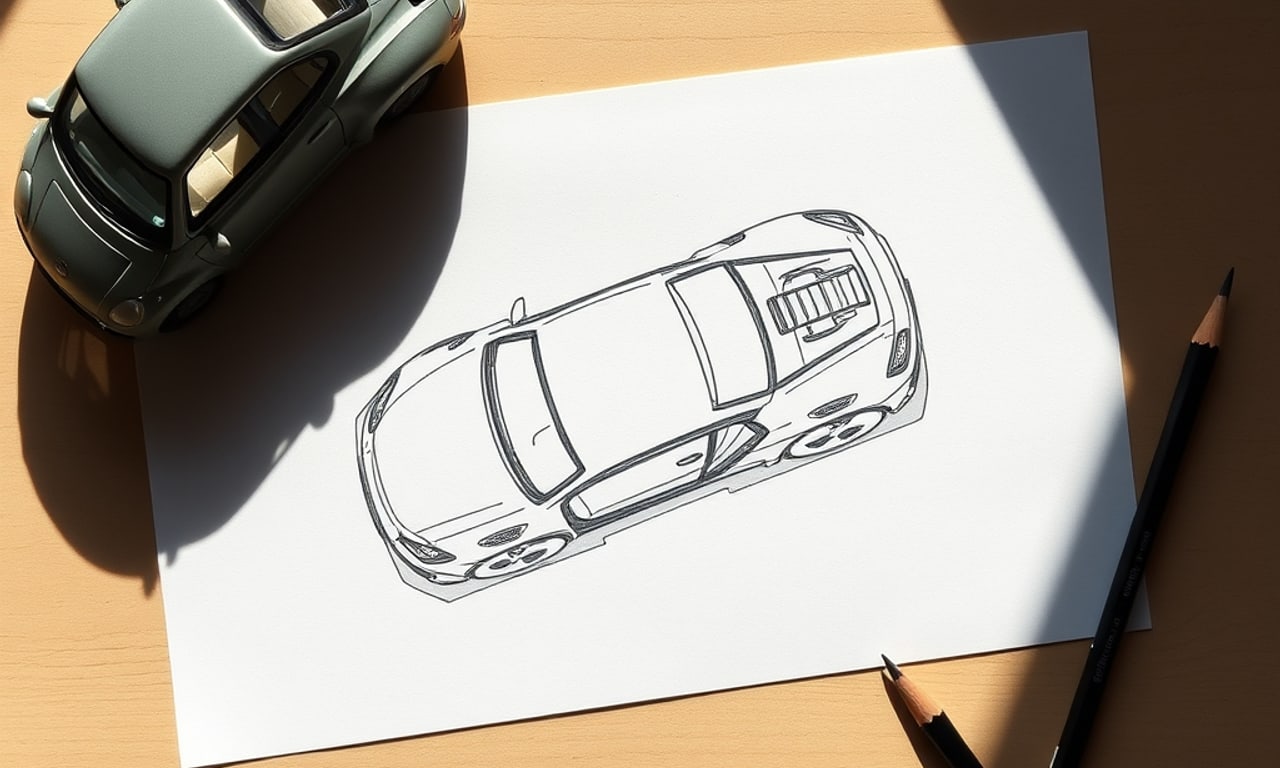
Every Hot Wheels casting starts as an idea. Sometimes it is a licensed car, a real model Mattel has secured the rights to reproduce. Sometimes it is an original design from the in-house team. Either way, a designer picks up a pencil or a tablet and starts sketching, usually at a much larger scale than 1/64 so the proportions can be worked out before anything gets shrunk down.
The sketch is not just about looking cool. The designer has to think about the mold from day one. Sharp undercuts, paper-thin spoilers, and spindly mirrors are all problems for a diecast tool. A wing that looks amazing on paper can turn into a fragile, expensive headache in production. Good designers know how to keep the silhouette aggressive while making the shape tool-friendly.
What Gets Decided Early
- The overall stance and wheelbase, since this affects which wheel types will fit. Whether the car will be a mainline, a premium, or a special series release. Which parts will be metal and which will be plastic. Roughly how many paint and deco passes the design needs.
This is also where the fantasy versus licensed split matters. Licensed cars have to satisfy the brand owner, which can mean multiple rounds of approvals. Original designs give the team more freedom. That is why some of the wildest castings in the line are fantasy cars.
Step 2: 3D Modeling and the Prototype
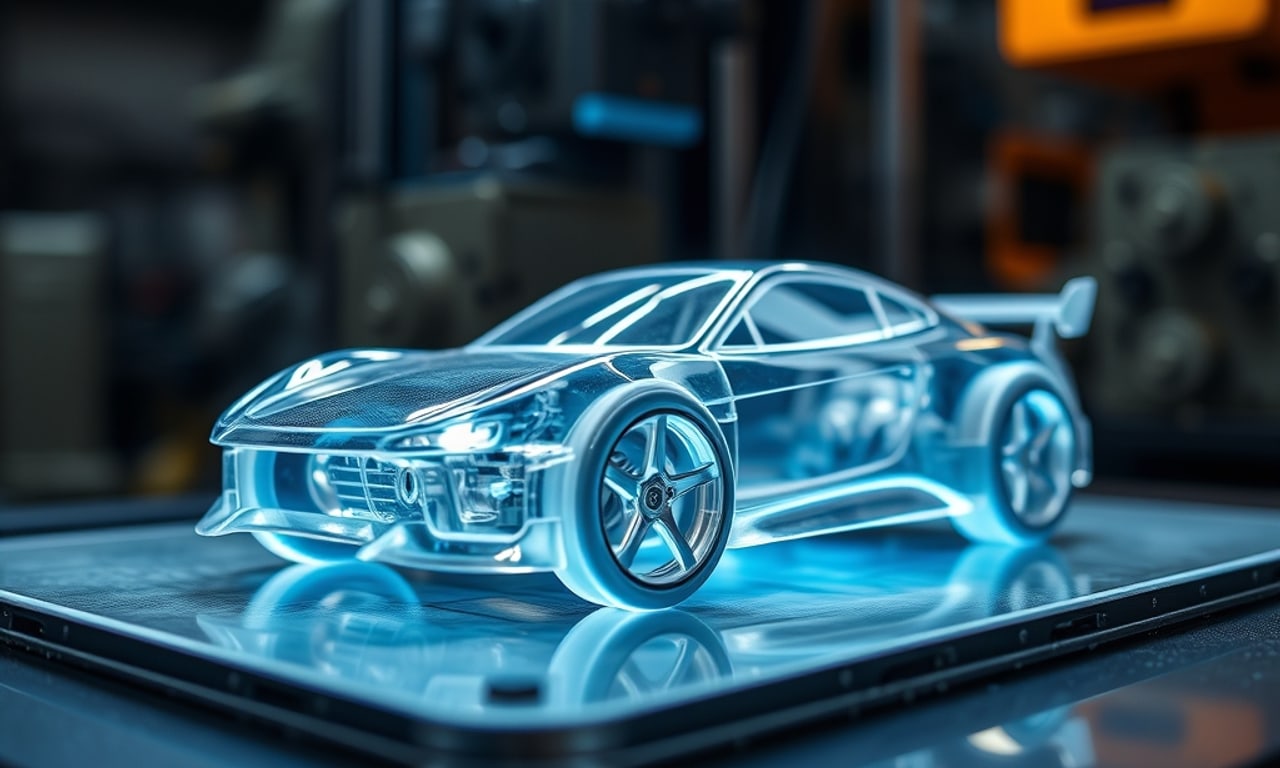
Once a sketch is approved, it goes to a digital sculptor who builds the car in 3D. This is where the design becomes a real object with real thickness, real panel gaps, and a real base. The modeler has to account for the thickness of the zinc alloy body, the plastic base or metal base, the interior piece, the window piece, and the axle posts.
Then prototypes get made. Early protos are often 3D printed or hand-finished resin pieces. These are the cars that occasionally leak out to collectors, and yes, they are the stuff of legend. A true pre-production prototype can look rough, with visible print lines or hand-painted details, and it is usually worth far more than the final retail car. If you ever see one at a show, look closely at the base. Proto bases often differ from production in small but telling ways.
Collector tip: when you are hunting variants, the base is your best friend. A base change, a different copyright year, or a shifted tooling mark can tell you a car came from a different production run. That is exactly the kind of detail our catalog tracks, and it is how you avoid getting burned on a so-called rare version that is really just a later run.
Fit and Function Checks
Before tooling, the team checks that the car actually works. Do the wheels roll freely? Does the body sit flat? Does the interior piece fit without rattling? Does the car clear the track loops and connectors? A diecast car that looks great but derails on a loop is a failure. Hot Wheels has always been a toy first, a collectible second. That dual identity shapes every decision.
Step 3: Tooling, the Expensive Part
Here is the step that separates a sketch from a shipping product: the tool. A steel mold has to be cut to produce the body, and this is genuinely the most expensive part of the whole process. Because of that cost, Mattel does not tool a new casting casually. A casting that gets tooled is expected to earn its keep across multiple releases, often for years.
This is why you see the same casting pop up again and again in different colors, different series, and different deco. It is also why retooling happens. Sometimes a casting gets a new base, a new interior, or a slight body tweak, and the result is a new variant that collectors chase. The tooling itself wears over time, so very long production runs can produce subtle differences in sharpness and detail.
Metal Versus Plastic
Mainline cars typically use a metal body with a plastic base, though not always, and premium lines often step up to a metal base with metal-on-metal construction. That metal base is one of the reasons premium cars feel heavier and more substantial in hand. It also affects how the car rolls, how it sounds on a track, and how it sits in the blister. If you have ever wondered why a premium release feels so different from a mainline of the same car, the base is a big part of the answer.
Step 4: Paint, Spectraflame, and Deco
Raw castings get prepped and painted. Mainline cars usually get a base coat and a color coat, and some receive a clear coat. Premium and special releases can get more elaborate finishes. The famous one is Spectraflame, the translucent, candy-like metallic finish that became the signature of the original Redline era. Modern Spectraflame-style finishes on premium releases try to capture that same depth. Collectors absolutely notice the difference between a flat color and a proper metallic finish.
Deco comes next. Tampo printing is how graphics get applied to the body, and it is done with pad printing that lays down each color in a separate pass. This is why misregistered or smeared tampo is a known quality issue. A graphic that is slightly off-center, doubled, or missing a color pass is a factory error, and some collectors deliberately hunt those. Others consider them flaws. That is a personal call, but knowing how the printing works helps you judge what you are looking at.
- Paint variants happen when a color is mixed slightly differently between runs. Two cars that should be identical can look noticeably different side by side. Tampo placement can shift between production batches. Clear coat presence or absence can change how a color reads under light. These are the small differences that make variant hunting fun, and they are why serious collectors compare cars under good lighting before calling something a match.
Wheels and Real Riders
Wheels get their own attention. Basic plastic wheels are the standard for mainlines, and the wheel type is often a clue to the era and the series. Premium releases frequently use Real Riders, which are rubber tires on a separate wheel. The difference in grip and feel is obvious the moment you hold one. Swapping wheels is a whole hobby within the hobby, and once you start, it is hard to stop.
Step 5: Assembly and the Blister Seal
Now the car comes together. Body, base, interior, windows, axles, and wheels are assembled, usually with the axles pressed into place and the base secured. Then the finished car is packed. The car gets set on the card, the blister is placed over it, and the whole thing is sealed, typically with heat and pressure or adhesive depending on the line and the era.
That seal is a big deal to collectors, and it is where a lot of the condition anxiety lives. A clean, fully attached blister with no lifting is what you want. A blister that is peeling at one corner, or a card with a crushed corner, drops the value of an otherwise perfect car. Card condition matters because the card is part of the collectible. It is also why case codes and shipping cases matter. Knowing how a case is packed tells you roughly what is inside before you open it, and that is half the fun of a fresh case at a store.
Collector tip: check the blister seal before you check the car. I have passed on cars with a perfect paint job but a lifted blister corner, and I have grabbed cars with a slightly soft card corner because the seal was tight and the tampo was clean. Know your priorities before you get to the peg.
Short Cards, Long Cards, and Case Codes
Packaging varies by market. Short cards and long cards both exist, and international releases sometimes differ from domestic ones in ways that create collectible variants. Case codes are stamped on shipping cases and help identify which assortment a store received. Collectors use those codes to estimate what might be inside, and stores that restock regularly become regular stops on the hunt route. There is no guarantee, but it adds a layer of strategy to a hobby that is otherwise mostly luck and timing.
What This Means for You as a Collector
Understanding the pipeline changes how you hunt. You stop seeing a car as just a color and start seeing the decisions behind it. That weird base variation makes sense. The slightly different shade of blue on a car from a later run makes sense. The tampo that is a hair off-center makes sense. You become a better judge of what is actually rare versus what is just different.
It also helps you appreciate the design work. The next time you hold a car with a clean, aggressive silhouette and a sharp tampo, remember that someone sketched it, someone modeled it, someone fought with a mold to make it producible, and someone sealed it in a blister so it could end up on your shelf. That is a lot of effort for a 1/64 car, and it is why this hobby sticks with people for decades.
If you want to go deeper, start paying attention to the small stuff. Compare bases. Look at wheel types. Note the card style. Keep a list of what you have and what you are missing, and use our checklist to stay organized as the collection grows. The community here is full of people who have been at this a long time, and the shared knowledge is the best part.
Frequently Asked Questions
How long does it take for a Hot Wheels car to go from sketch to store shelves? Mattel has not published a single fixed timeline, and it varies by casting and line. Licensed cars with approval rounds typically take longer than original designs. The full process, from concept through tooling, production, and distribution, generally spans many months rather than weeks, but treat any specific number you hear as an estimate unless it comes from Mattel directly.
Are factory errors worth more? Not automatically. A misregistered tampo, a missing deco pass, or an off-center graphic can be desirable to collectors who specifically hunt errors, but plenty of collectors see them as flaws. Value depends on demand, and demand for errors is niche. Judge each car on its own merits and do not assume any error equals a payday.
What is Spectraflame and is it still used? Spectraflame was the translucent metallic finish used on original Redline era cars, and it is one of the most recognizable looks in Hot Wheels history. Modern premium releases use Spectraflame-style finishes that aim to capture that depth and shine. The exact formulations differ from the vintage era, so a modern Spectraflame car is not the same as an original Redline, even when the finish looks similar.