Hot Wheels 2011: The Casting Decisions That Still Divide Collectors
2011 was a big year for Hot Wheels. The brand was coming off a strong 2010 and wanted to push boundaries with new castings, returning favorites, and a fresh retail strategy. But not every decision sat well with collectors. Some choices were celebrated. Others were questioned. And a few still ignite heated debates at toy shows and online forums. As veteran collectors, we remember the peg hunting battles, the thrill of finding a Super Treasure Hunt, and the frustration of seeing a beloved casting get a questionable paint job. In this guide, we break down the casting decisions from 2011 that continue to divide the community.
The Return of the Drag Bus: A Blessing or a Curse?
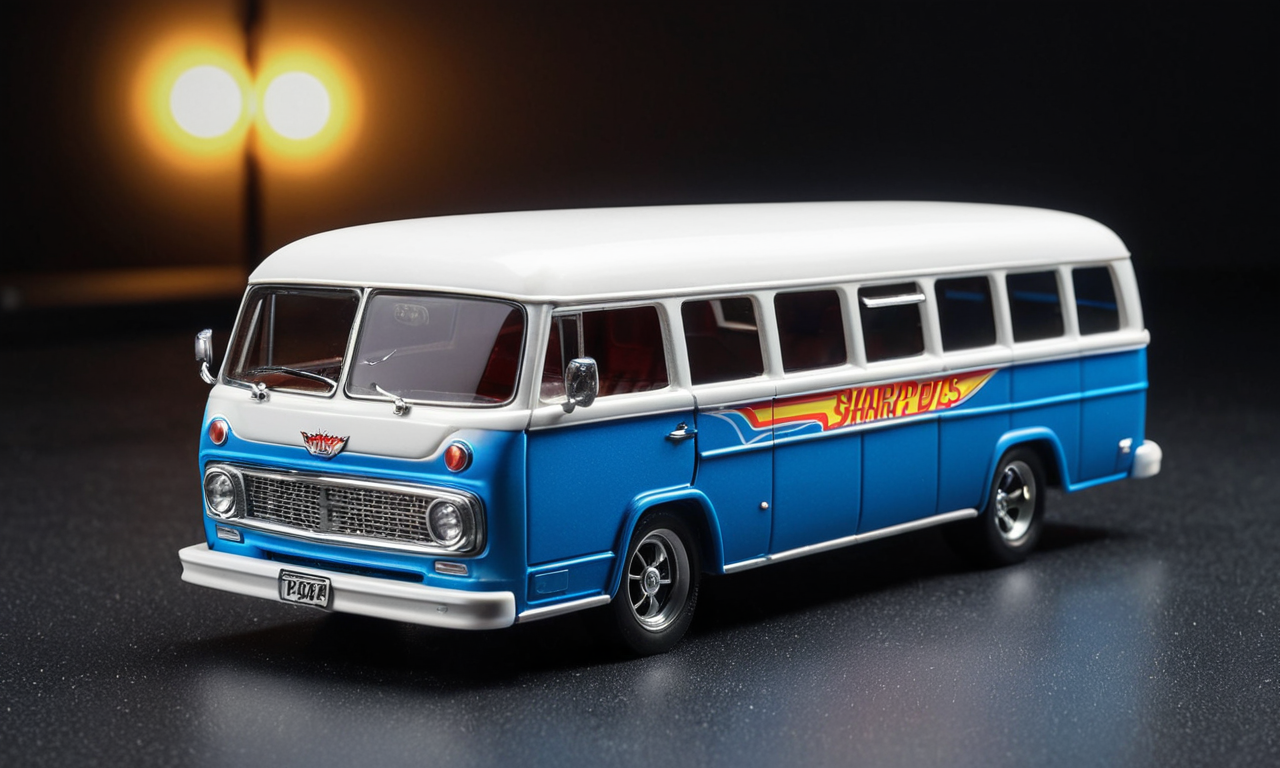
The Drag Bus is one of the most iconic Hot Wheels castings of all time. Originally released in 1996, it became an instant favorite for its wild proportions and connection to Volkswagen Bus culture. After a hiatus, Mattel brought it back in 2011 as part of the Hot Wheels Garage series. Collectors were ecstatic at first. But the excitement quickly turned to controversy.
The 2011 Drag Bus releases featured a variety of paint schemes, some more desirable than others. The most debated was the 'Mooneyes' version, a Walmart exclusive. While the Mooneyes livery is historically significant, many collectors felt the execution was lackluster. The paint was flat, the graphics were simple, and the wheels were basic. For a casting with such a legacy, some argued it deserved the premium treatment. Others loved it for its retro vibe and affordable price point. The debate rages on: should the Drag Bus be reserved for premium lines only, or is it fair game for mainline releases?
Tip: When hunting for 2011 Drag Bus models, pay close attention to card condition. The exclusive releases often have unique card art that collectors value as much as the car itself.
The Boulevard Series: A New Era or a Misstep?

2011 saw the introduction of the Hot Wheels Boulevard series, a premium line sold exclusively at Walmart. The idea was to offer collector-focused castings with metal/metal construction, Real Riders wheels, and premium paint at a higher price point. The first wave included gems like the '55 Chevy Bel Air Gasser and the '70 Plymouth Road Runner. These were instant hits among serious collectors.
However, the Boulevard series also had its share of controversial choices. Some collectors complained that the lineup was too heavy on American muscle and lacked variety. Others felt that certain castings, like the '67 Pontiac Firebird, were not different enough from their mainline counterparts to justify the premium price. Distribution was also spotty, with some areas getting plenty of stock while others saw none. This scarcity led to inflated secondary market prices, which frustrated many who simply wanted to add the cars to their collections. The Boulevard series ultimately lasted only a few years, but its 2011 debut remains a hot topic.
The Great Wheel Debate
One of the biggest points of contention was the wheel choice. Boulevard cars came with Real Riders, which are highly prized. But some collectors argued that certain castings looked better with the standard 5-spoke wheels. For example, the '70 Road Runner was criticized by some for having wheels that were too large for the car's proportions. Others loved the aggressive stance. This debate over wheel size and style is a recurring theme in Hot Wheels collecting, but it was especially fierce in 2011.
Treasure Hunts and Super Treasure Hunts: The Hunt for the Holy Grail
No discussion of 2011 Hot Wheels is complete without mentioning the Treasure Hunts and Super Treasure Hunts. These limited-production cars are always a source of excitement and frustration. In 2011, the Super Treasure Hunt lineup included the '62 Corvette and the '69 Ford Mustang Boss 302. Both are highly sought after today.
The controversy? Some collectors felt that the Super Treasure Hunts were too easy to spot, thanks to the distinctive Spectraflame paint and Real Riders. This led to accusations that Mattel was making them less special. Others argued that the hunt should be about the thrill of the chase, not about rarity. The 2011 Super Treasure Hunts also suffered from quality control issues, with some examples having paint defects or misaligned wheels. This further fueled the debate about whether the premium price was justified.
- 2011 Super Treasure Hunt highlights: '62 Corvette in Spectraflame blue, '69 Ford Mustang Boss 302 in Spectraflame green, and the '57 Chevy Bel Air in Spectraflame red.
New Castings That Made Waves
2011 introduced several new castings that quickly became fan favorites, but not without controversy. The '11 Corvette Grand Sport was a hit for its sleek design and accurate proportions. However, some collectors complained that it was too similar to previous Corvette castings. The '12 Ford Fiesta was another new addition, but its choice as a mainline model left some scratching their heads. Why an economy car? Others appreciated the diversity.
Then there was the '11 Dodge Charger R/T, a casting that divided collectors along stylistic lines. Some loved its modern muscle look, while others felt it lacked the character of classic Chargers. The debate over which era of Charger is best is ongoing, and the 2011 release added fuel to the fire.
The Packaging and Card Art Debate
In 2011, Hot Wheels updated its card design, introducing a new look that featured a larger Hot Wheels logo and a more modern aesthetic. While some collectors appreciated the fresh look, others felt it was a downgrade from the classic design. The card art for specific castings also came under scrutiny. For example, the card for the '55 Chevy Bel Air Gasser featured an illustration that some felt did not accurately represent the car. This led to debates about the importance of card art in a collector's decision to purchase.
Additionally, the blister seals on 2011 cards were sometimes inconsistent, leading to concerns about tampering. Collectors learned to inspect the seals carefully, looking for any signs of glue residue or lifting. This was especially important for Treasure Hunts, which were often targets for scammers.
Tip: Always check the blister seal on 2011 cards. A factory seal should be smooth and even, with no signs of lifting or re-gluing.
The Legacy of 2011 Casting Decisions
Looking back, the casting decisions of 2011 had a lasting impact on the Hot Wheels collector community. The Boulevard series paved the way for future premium lines like Car Culture. The return of the Drag Bus showed that Mattel was willing to listen to collectors, even if the execution was debated. The Super Treasure Hunts continued to be a major draw, despite the criticisms.
Today, these 2011 models are sought after by collectors who appreciate their place in Hot Wheels history. Our catalog and price history show steady demand for key releases, especially the Super Treasure Hunts and Boulevard cars. The debates may never be fully resolved, but that's part of what makes collecting fun. Every collector has their own opinion, and that's what keeps the hobby alive.
So, whether you love or hate the 2011 casting decisions, one thing is certain: they got people talking. And in the world of diecast collecting, that's a win.
FAQ
What was the most controversial Hot Wheels casting from 2011? The return of the Drag Bus and the introduction of the Boulevard series were both hotly debated, but the Drag Bus Mooneyes release is often cited as the most polarizing.
Are 2011 Super Treasure Hunts worth collecting? Yes, they are highly collectible, especially the '62 Corvette and '69 Ford Mustang Boss 302. However, be aware of quality control issues and always check the card and blister condition.
Why did the Boulevard series end? The Boulevard series was discontinued after a few years due to distribution challenges and mixed sales. However, it laid the groundwork for successful premium lines like Car Culture.