The Hot Wheels Collector's Guide to Catalogs: How to Use Them, Read Them, and Love Them
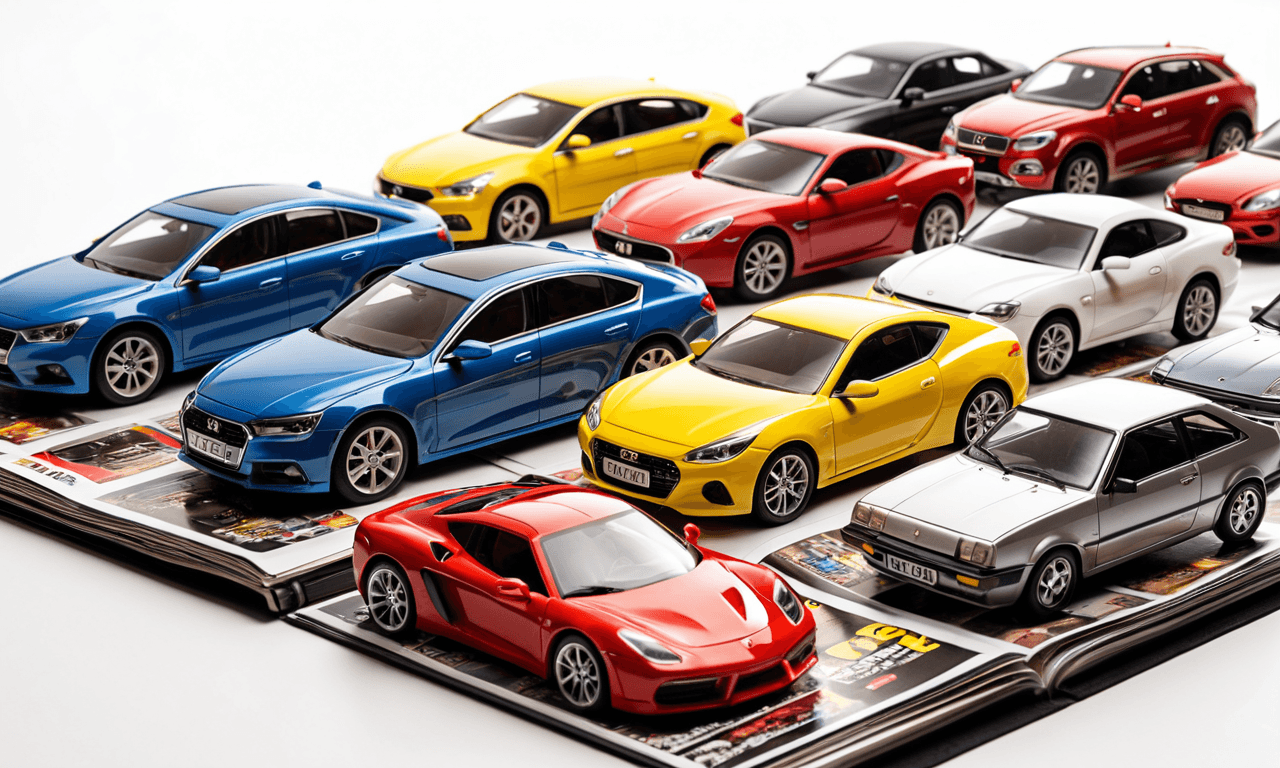
If you've been collecting Hot Wheels for a while, you've probably heard the word catalog thrown around. Maybe you've seen collectors mention a catalog number when talking about a variation, or you've spotted a case code scribbled on a sticky note at a flea market. The catalog is one of those tools that separates casual peg hunters from serious collectors. It's not just a list of cars. It's a roadmap to what exists, what's rare, and what you should be looking for on the pegs.
I've been collecting for over 20 years, and I still rely on catalogs every single week. Whether I'm heading to a big box store, digging through bins at a local show, or making a trade with a friend, the catalog is my reference point. In this guide, I'll walk you through what a Hot Wheels catalog is, how to read it, and how to use it to become a smarter collector. No fluff, just the stuff I wish I'd known when I started.
What Exactly Is a Hot Wheels Catalog?

At its core, a Hot Wheels catalog is a comprehensive list of every car released in a given year, along with key details like the car name, the toy number, the series, the color, and sometimes the wheel type. Mattel publishes official assortments and case packs, and collectors have built detailed catalogs that go beyond the basics, including variations, case codes, and rarity notes.
The catalog is not just a pretty picture book. It's a tool for identification. When you're staring at a bin of 200 cars, you need to know which ones are worth pulling out. A catalog tells you that a certain release only came in one case code, or that a particular color variation is hard to find. It also helps you avoid overpaying for a common car that someone is trying to hype up.
There are different types of catalogs. The most common is the annual mainline catalog, which lists all the basic cars for the year. Then there are specialty catalogs for premium lines, like Car Culture or Boulevard. And then there are collector databases, like the one we maintain here at All Hot Wheels, which include historical data, price trends, and variation details. Each serves a different purpose, but they all share the same goal: to help you know what you're looking at.
How to Read a Hot Wheels Catalog Like a Pro
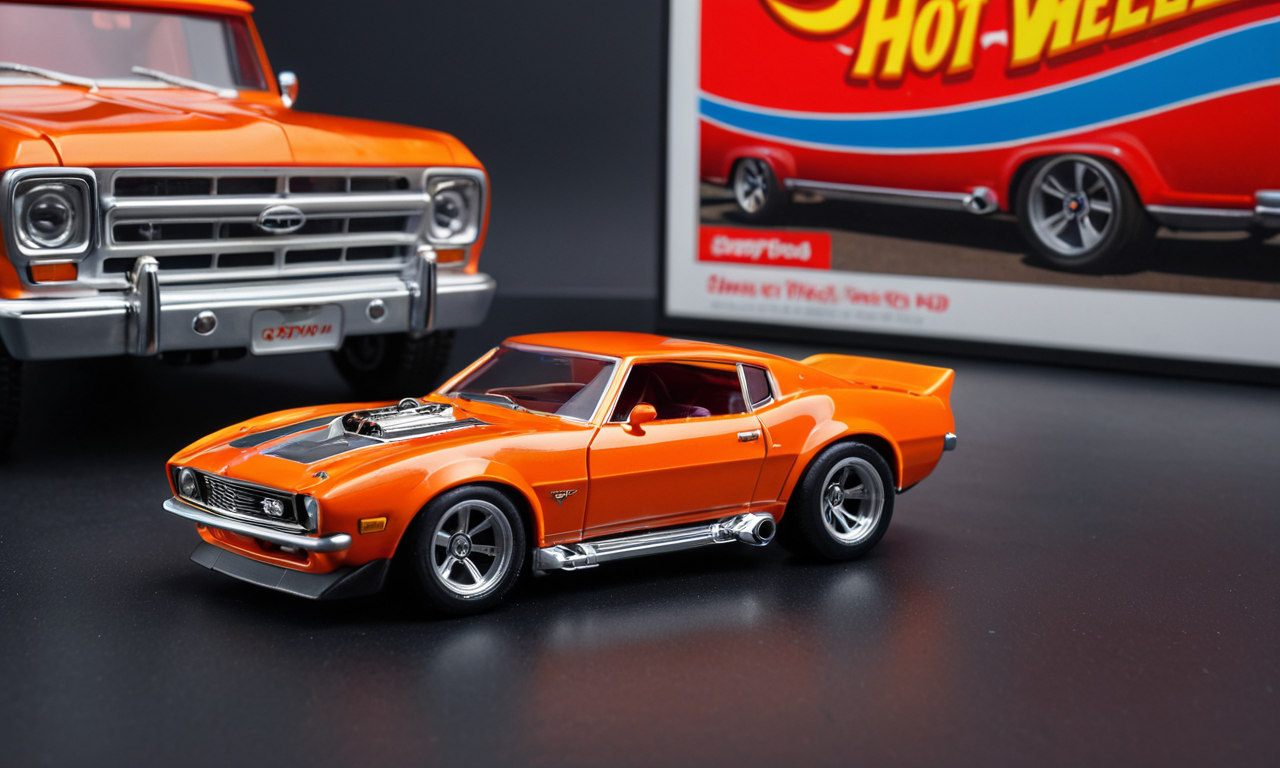
Reading a catalog is a skill. It takes a little practice, but once you get the hang of it, you'll be able to spot key details in seconds. Here's what to look for.
Toy Number and Case Code
Every Hot Wheels car has a toy number, which is a unique identifier assigned by Mattel. This number is usually printed on the card, often near the barcode or on the back. The toy number helps you look up the exact release in a catalog. Case codes are different. They're letters and numbers that indicate which assortment a car came in. For example, a case code might be something like C28 or D12. Collectors use case codes to track which cars come together in a case, and to predict what might be in a fresh case at the store.
Knowing case codes is especially useful for peg hunting. If you know that a certain treasure hunt is only in cases with a specific code, you can focus your search on those cases. It's not foolproof, but it gives you an edge.
Variations and Errors
Variations are a huge part of collecting. A variation is any difference in a car from the standard release. That could be a different color, a different wheel, a different window tint, or even a different base. Catalogs often list known variations, which helps you know what to look for. For example, a car might have been released with both a black and a white interior. If the catalog notes that, you know to check the interior when you find that car.
Errors are another story. Errors are mistakes at the factory, like a car missing a wheel, or a car with the wrong decals, or a car packaged backwards on the card. Catalogs sometimes list known errors, but they're often harder to track because they're not intentional. Still, a good catalog will have a section for errors, and that can be valuable.
Series and Segments
Hot Wheels are released in series, like HW Hot Trucks, HW Screen Time, or Muscle Mania. Each series has its own set of cars, and some series are more popular than others. Catalogs group cars by series, which makes it easy to see what's available in each segment. This is helpful if you're a completionist and want to collect every car in a particular series. It also helps you understand which cars are part of a set that might be harder to complete.
Wheel Types and Premium Lines
Wheels matter. Basic cars usually have plastic wheels, while premium lines like Real Riders have rubber tires. Catalogs often specify the wheel type, which is important for collectors who focus on premium releases. Real Riders are a big deal because they look and feel better, and they're often more valuable. Knowing which cars have Real Riders can help you decide whether a car is worth picking up.
Premium lines also include series like Car Culture, which are adult collector-focused. These are usually sold in specialty stores or online, and they're more expensive. Catalogs for these lines are essential because they often have limited production and can be hard to find.
Tip: Always check the wheel type in the catalog before you buy a car you're on the fence about. A basic car with plastic wheels might be common, but the same car with Real Riders could be a hidden gem.
Using the Catalog for Smarter Peg Hunting
Peg hunting is an art. You walk into a store, head to the toy aisle, and scan the pegs. But if you don't know what you're looking for, you're just wasting time. The catalog gives you a plan.
Before you go out, check the catalog for the current year's releases. Make a list of the cars you want, and note their case codes if available. When you get to the store, look at the case codes on the boxes if they're still there, or on the cards. If you see a case code that matches your list, dig in. Also, check for variations. If the catalog says a car has a variation, inspect each one you find.
Another tip: use the catalog to identify treasure hunts and super treasure hunts. These are special cars that are rarer and more valuable. The catalog will tell you what they look like and which case codes they come in. Super treasure hunts have Spectraflame paint and Real Riders, so they stand out if you know what to look for.
I also use the catalog to avoid buying duplicates. If I'm not sure whether I already have a car, I can check my own collection against the catalog. Our catalog feature here at All Hot Wheels lets you mark cars as owned, which is a huge time saver.
Catalog as a Pricing and Trading Tool
The catalog is not just about identification. It's also about value. Our price history data shows what cars have sold for over time, which helps you know if a trade is fair or if a price at a show is reasonable. You don't want to trade a rare variation for a common mainline, and the catalog helps you avoid that.
When trading, use the catalog to confirm the exact release. Two cars might look the same, but one could be from a different year or have a different toy number. That difference can matter a lot. I always check the catalog before finalizing a trade, especially for premium cars.
Also, be honest about condition. A catalog might list a car as rare, but if the card is bent or the blister is cracked, the value drops. Collectors care about card corners and blister seals. When trading, be clear about condition, and use the catalog to establish a baseline value.
Building Your Own Catalog System
You don't have to rely solely on published catalogs. Many collectors build their own systems. You can start with a simple spreadsheet, listing the cars you have, their condition, and any variations. Then, cross-reference with our catalog to fill in details like toy numbers and case codes.
I keep a binder with printouts of the yearly catalogs, and I mark off cars as I find them. It's old school, but it works. Digital tools are great, but there's something satisfying about flipping through pages and checking boxes.
Whatever system you use, consistency is key. Update it regularly, and keep it with you when you hunt. The more you use it, the more natural it becomes.
Tip: Take photos of your cards, especially the ones with variations, and store them with your catalog notes. A picture is worth a thousand words when you're trying to remember if you have a particular wheel variation.
FAQ
What is a Hot Wheels catalog?
A Hot Wheels catalog is a detailed list of Hot Wheels cars released in a given year or series, including toy numbers, case codes, colors, wheel types, and variations. It helps collectors identify, track, and value their cars.
How do I find the case code on a Hot Wheels car?
Case codes are usually printed on the outside of the case box, and sometimes on the individual cards. They're a combination of letters and numbers. If you're looking at a car on a peg, check the back of the card or the bottom of the blister. If you're at a store, look at the display box if it's still available.
Are all Hot Wheels variations listed in catalogs?
Not always. Catalogs, especially official ones, may not list every variation. Collector-driven catalogs and databases are often more comprehensive because they rely on community reports. That's why it's important to cross-reference multiple sources and stay connected with other collectors.