The Hot Wheels Catálogo Completo: Why Most Collectors Misread the Catalogo Hot Wheels and Hot Wheels Alle Autos
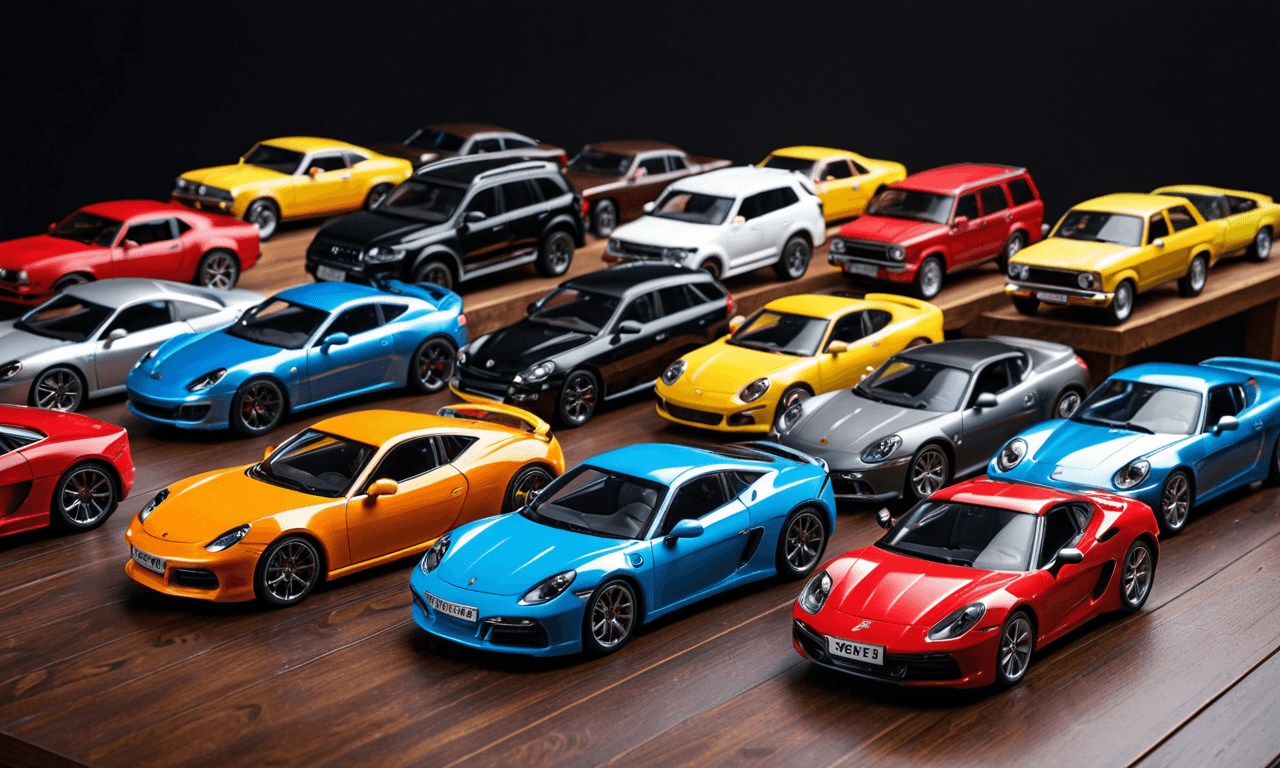
If you have been collecting Hot Wheels for more than a few years, you have probably heard someone say, just check the catalog. And if you are like most of us, you nodded and went back to scrolling. But here is the thing. The Hot Wheels catalog, whether you call it the Catalogo Hot Wheels or Hot Wheels Alle Autos, is not just a list of cars. It is a map. And most collectors are reading it wrong.
I have been collecting for over 20 years, and I still see the same mistakes. People treat the catalog as a checklist and nothing else. They cross off cars and move on. But the catalog holds clues about case codes, variations, and international releases. Those clues can mean the difference between a 2 dollar find and a 200 dollar find. Let me walk you through what I have learned.
What the Catalog Actually Is (And What It Is Not)
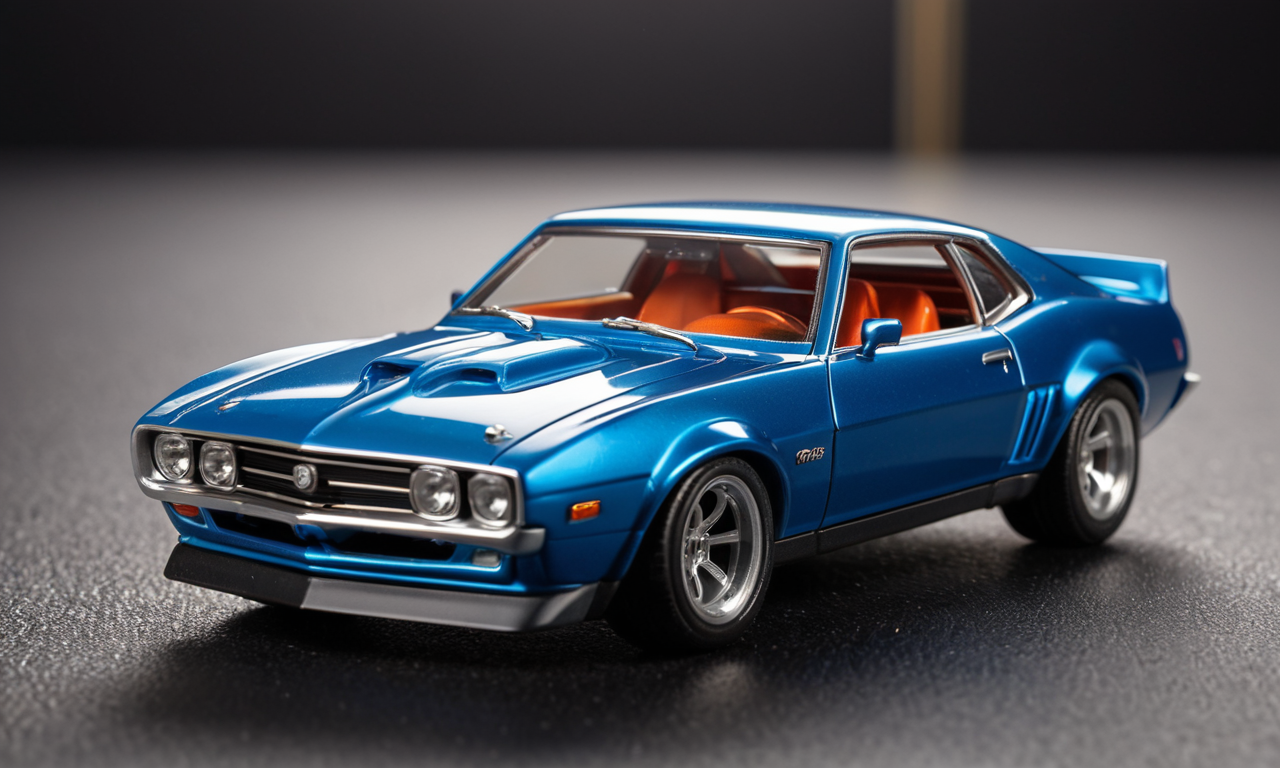
First, let us clear something up. The Hot Wheels catalog is not a price guide. It is not a rarity list. It is a snapshot of what Mattel planned to produce for a given year. That is it. It tells you the mainline assortment, the segment series, the colors, and sometimes the wheel types. But it does not tell you how many were made, where they were sold, or whether a particular variant exists.
Collectors often assume that if a car is in the catalog, it must be common. That is a dangerous assumption. Some catalog cars never make it to pegs in certain regions. Others get produced in smaller numbers than the catalog suggests. And some come out in multiple waves with subtle changes the catalog never mentions.
The catalog is a starting point. It gives you the universe of possibilities for a year. Your job as a collector is to figure out which of those possibilities actually matter.
The Three Big Misreads
Over the years, I have noticed that misreading the catalog falls into 3 main categories. Each one costs collectors time, money, or both.
1. Treating the Catalog as a Complete List
The catalog lists the mainline cars for a year, but it does not list every variation. It does not list store exclusives. It does not list international card variants. It does not list error cars. And it certainly does not list every color or wheel variation that shows up on pegs.
I cannot tell you how many times I have seen a collector pass on a car because it was not in the catalog. Then later they find out it was a rare variation. The catalog is not the final word. It is the first word.
2. Ignoring Case Codes and Assortment Codes
Case codes are the letters and numbers on the box that tell you which batch of cars a store received. The catalog often groups cars by assortment, but it does not tell you which case code they come in. That information is gold when you are hunting.
For example, a car might be listed in the catalog as part of the 2026 mainline, but it might only show up in cases A through C. If you are looking at cases D and E, you are wasting your time. Knowing the case code breakdown helps you focus your hunt.
The same goes for assortment codes. They tell you which mix a car belongs to. If you are a variation hunter, you need to know which mix introduced a particular change. The catalog alone will not tell you that.
3. Overlooking International Editions
Hot Wheels are sold all over the world, and the packaging varies by region. The catalog typically shows the US release, but international cards can have different artwork, different legal text, and sometimes different cars entirely. Collectors who ignore international editions miss out on some of the most interesting variations.
I have found several international variants at local swap meets because the seller did not realize what they had. The catalog did not show that version, so they assumed it was common. It was not.
How to Read the Catalog Like a Pro
So how do you actually use the catalog? Here is my approach.
-
Use the catalog to build your want list, but cross reference with case codes and assortment codes to know when and where to hunt. Our catalog here at All Hot Wheels includes case code info where available.
-
Pay attention to the segment series. Some series are more popular than others, and that affects rarity. A car from a popular series might be harder to find even if the catalog lists it as a mainline.
-
Check for wheel variations. The catalog might show a car with 5 spoke wheels, but later releases might have different wheels. Those variations can be valuable.
-
Do not ignore the card art. International cards, error cards, and even the condition of the card corners can affect value. The catalog does not show card variations, so you need to know what to look for.
-
Use our price history to see what others are paying, but remember that prices fluctuate. The catalog gives you the what, our price history gives you the how much.
Pro tip: When you find a car that is not in the catalog, do not assume it is fake or an error. It might be an international release, a store exclusive, or a variation that was not documented. Take a photo and ask the community here before you pass on it.
The Catalogo Hot Wheels and Hot Wheels Alle Autos: Same Idea, Different Language
Collectors in Spanish speaking countries often refer to the Catalogo Hot Wheels. In German speaking regions, it is Hot Wheels Alle Autos. They are the same thing: a catalog of all the cars. But the regional editions can have different information. Sometimes the international catalogs list cars that are not in the US catalog, and vice versa.
If you collect international variants, it is worth seeking out these regional catalogs. They can help you identify cars that were not sold in your area. But again, do not treat them as complete. They are just another tool.
Real World Example: The Case of the Missing Treasure Hunt
A few years ago, a friend of mine was hunting at a local store. He had his catalog checklist, and he was crossing off cars as he found them. He saw a car that was not on his list, so he left it. Later, he found out it was a treasure hunt that was not listed in the catalog he was using. He was sick about it.
That story shows the danger of treating the catalog as gospel. The catalog is a guide, not a rulebook. If you see something unusual, grab it. You can always put it back.
FAQ
Q: Is the Hot Wheels catalog the same as a price guide? A: No. The catalog lists what was produced, not what it is worth. Prices change based on demand and condition. Use our price history for value, and the catalog for identification.
Q: Why do some cars in the catalog never show up in stores? A: There are many reasons. They might be international exclusives, store exclusives, or produced in limited numbers. Sometimes they are simply lost in distribution. The catalog does not guarantee availability.
Q: How can I tell if a car is a variation not listed in the catalog? A: Look for differences in wheels, paint, tampos, and card art. Compare with other examples. The community here can help you verify. Our checklist includes many known variations, but new ones are discovered all the time.
At the end of the day, the catalog is a tool. Use it wisely. And do not let it blind you to the treasures hiding in plain sight.