The Hot Wheels Checklist Mistake That Costs Collectors Real Money
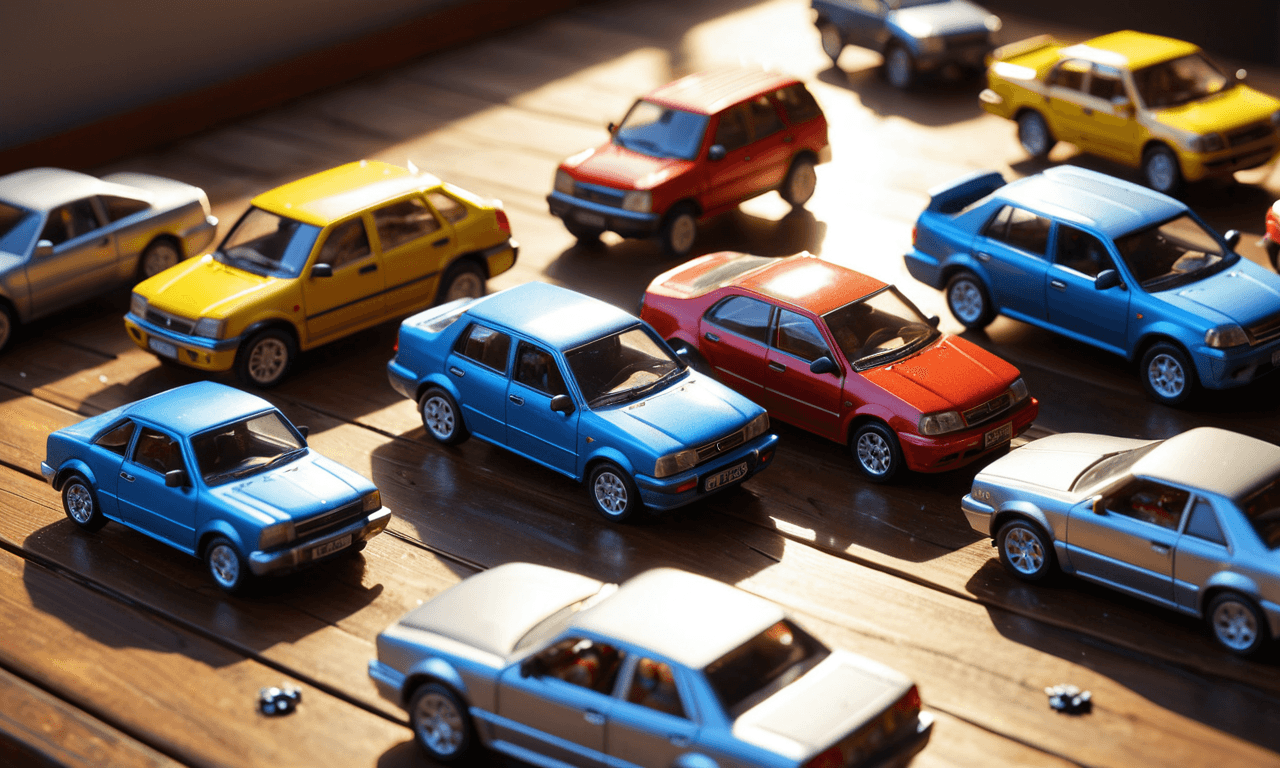
I have been chasing Hot Wheels for over 20 years. I have stood in front of dump bins at 6am, dug through cases behind the counter at a rural Walmart, and paid too much for a car I already owned. Twice. After all that time, the biggest money leak I see in this hobby is not shipping costs, not scalper prices, and not the pull of a shiny Super. It is the checklist. Specifically, how most collectors keep it.
This is not a lecture about being organized. Being organized is boring. This is about the specific, repeatable checklist mistake that quietly costs collectors real money, month after month, and how a small change in how you log your cars can save you hundreds over a collecting year.
The Mistake: A Checklist That Only Tracks What You Want
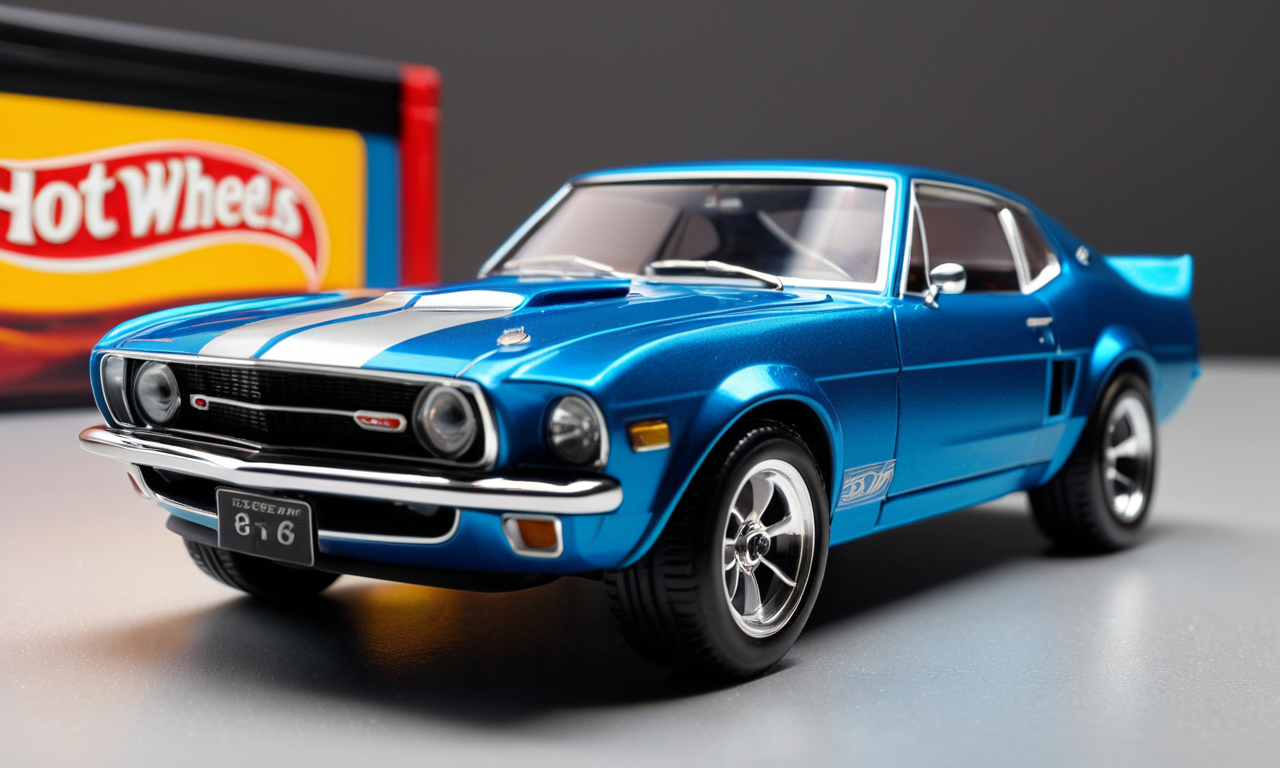
Here is the pattern. A collector builds a wishlist. Maybe it is a spreadsheet, maybe a notes app, maybe a printed sheet folded into their wallet. It lists the mainline cars they are hunting, the store exclusives, the premiums they missed, and a few castings they want to complete. That list gets checked at every stop.
The problem is that this list only answers one question: do I still need this car? It never answers the question that actually protects your wallet: do I already own this car, in this exact version, in this condition?
Those are different questions, and the gap between them is where the money goes. A want list is a shopping tool. A collection record is a financial tool. Most collectors only keep the first one, then wonder why they keep finding duplicates in their bins six months later.
Why Duplicates Are Expensive
A duplicate mainline costs you 2 or 3 dollars, which feels harmless. But duplicates are rarely just duplicates. They are usually the car you were excited about, so you bought 2 because it looked great on the peg. Then you found it again at another store and bought 2 more because you forgot. Now you have 4 of a car that is worth face value, and that 8 to 12 dollars could have gone toward the premium you actually wanted.
It gets worse with anything above mainline. Buying a second Premium because you could not remember if your carded copy had a bent corner is a 6 to 8 dollar mistake. Buying a duplicate Real Riders release because you forgot which wheel variation you already had is worse. And buying a duplicate of a store exclusive you already paid a premium for is the kind of thing that makes you want to take a break from the hobby for a month.
The checklist mistake does not just cost money at the register. It costs money in storage, in sorting time, and in the resale hassle of offloading cars you never needed.
The Second Half of the Mistake: No Condition Notes
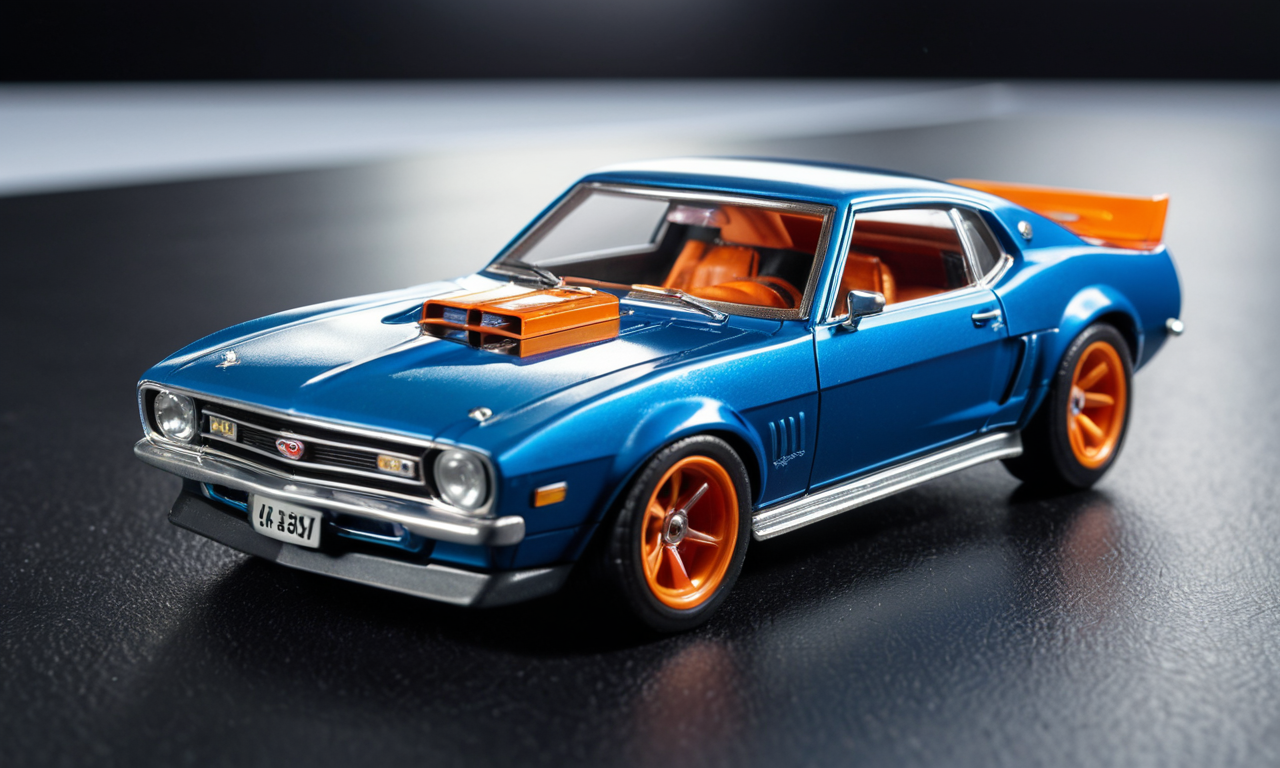
Even collectors who track what they own usually track it badly. They log the casting name and maybe the year. That is not enough. Hot Wheels value lives in the details, and if your checklist does not capture the details, it cannot stop you from making a bad buy.
Consider a carded car. Two copies of the same release can be worth very different amounts depending on card condition. A clean card with sharp corners and no crease is one thing. A card with a soft corner, a spider crease near the blister, or a price sticker scar is another. If your checklist just says the casting name, you will have no idea which one you already own when you see a third copy on a peg and start talking yourself into it.
The blister seal matters too. A lifting or yellowed blister changes what a buyer will pay. Loose cars have their own condition language: paint chips, wheel wear, bent axles, tampos rubbed off. None of that fits in a column that only says the car's name.
What a Useful Record Actually Captures
You do not need a database with 40 fields. You need the fields that change value. Here is the short list I use, and it has saved me from more bad buys than any price guide ever has:
-
Casting name and release year, so you can match the exact version and not just the model
-
Series or segment, because the same casting shows up in mainline, Premium, and special runs with very different values
-
Carded or loose, since that changes everything about condition and price
-
Card and blister condition notes for carded cars, including corner sharpness and seal integrity
-
Wheel type where it matters, such as Real Riders versus basic wheels on the same casting
-
Color or variant notes, because the same casting can appear in multiple colorways and finish types
-
What you paid and when, so you have your own price history instead of guessing
That is 7 lines per car. It takes about 30 seconds to log a new pickup. Thirty seconds is cheap insurance against a 10 dollar duplicate.
Tip: log every car the day you bring it home, before it goes in the bin. Once a car is buried, it stops existing in your memory, and that is exactly when you buy it again.
The Mistake That Costs the Most: Chasing Hype Without Your Own Numbers
There is a third layer to this, and it is where the real money goes. Collectors build a want list from what other people are excited about. They see a casting trending, they add it to the list, and they start paying above retail to get it. What they never do is check what that car has actually been selling for over time, or what they themselves have paid for similar cars.
This is how collectors end up paying 3 or 4 times retail for a mainline that was sitting on pegs 2 months earlier. It is also how they talk themselves into a Premium they do not even like, because the checklist said they needed it and the checklist was built on hype instead of their own taste.
The fix is to keep your own numbers. When you buy a car, log the price and the date. When you pass on a car, note why. Over a year you build a personal price history that is far more useful than any general guide, because it reflects your local market, your stores, and your actual buying habits. Our catalog and price history can help you sanity check a casting before you commit, but the real value is in your own records.
A Quick Reality Check on Values
I want to be honest here, because a lot of collecting advice oversells the financial side. Most Hot Wheels are worth about what you paid, and that is fine. Mainlines are made in huge numbers. The value in this hobby is in the cars you love, the chases you find in the wild, and the handful of releases that genuinely hold or grow in value over years.
So do not build a checklist around getting rich. Build it around not wasting money. The collector who avoids 10 unnecessary duplicate buys a year has 50 to 80 more dollars to spend on the cars they actually want. That is the real return.
How to Rebuild Your Checklist in One Evening
You do not have to start over from scratch, but you do need to fix the structure. Here is the process I use when a collection gets away from me, and it works whether you have 50 cars or 5,000.
Step 1: Separate Wants From Owns
Two lists. One is what you are hunting. One is what you own. Never let them live in the same sheet, because the moment they blur together you stop trusting either one.
Step 2: Log Your High Value Cars First
Do not try to log everything in one night. Start with the cars that would hurt to duplicate: Premiums, store exclusives, anything with Real Riders, and any casting you paid above retail for. Get those into your record with full condition notes. That is where the money risk is concentrated.
Step 3: Add Photos to the Record
One photo of the front of the card and one of the blister edge takes 10 seconds and settles every future argument with yourself about condition. For loose cars, shoot the wheels and the tampos. You will thank yourself the first time you are standing in a store trying to remember whether the copy at home has a crease.
Step 4: Review Before Every Hunt
This is the habit that actually saves money. Before you walk into a store, spend 60 seconds scanning your want list and your recent purchases. Not your whole collection. Just the top of the list. It keeps the relevant cars fresh in your head so you do not buy on impulse.
Tip: keep your want list short. A list of 40 cars is a shopping spree waiting to happen. A list of 8 to 12 focused targets keeps your budget honest and your hunts sharper.
The Mindset Shift That Fixes Everything
The checklist mistake is really a mindset mistake. Most of us treat the checklist as a shopping list. The collectors who spend less and end up happier treat it as a record of what they already have, with a small shopping list attached.
That flip changes your behavior at the peg. Instead of asking do I want this, you ask do I already have this exact version, and is this copy better than the one at home. Sometimes the answer is yes, and you upgrade. Sometimes the answer is no, and you put it back. Either way, you walk out with more money and less clutter.
Case codes and peg hunting will always reward preparation. The collectors who know their own collection cold are the ones who spot the one car they need in a fresh case and leave the rest for everyone else. That is not luck. That is a checklist doing its job.
So open your list tonight. If it only tracks what you want, you have found the leak. Fix it, and the savings start on your next hunt.
FAQ
Is a paper checklist good enough, or do I need an app? Paper works if you actually carry it and update it. The tool matters less than the habit. The only real requirement is that your record captures condition and variant details, not just casting names.
How many cars should I log at once? Start with your highest value and highest risk cars, meaning anything above mainline and anything you paid extra for. Add 10 to 20 cars a week from there. Trying to log a whole collection in one sitting is how people quit halfway and end up with a half finished list they stop trusting.
Does tracking condition really change what a car is worth? It can, and it often does for carded cars and Premiums. Card corners, creases, and blister seal condition are things buyers look at closely. For common loose mainlines the difference is small, which is exactly why you should focus your detailed logging on the cars where condition actually moves the number.