Hot Wheels Color Variations Explained: How a Shade Change Turns a Basic Car Into a Grail
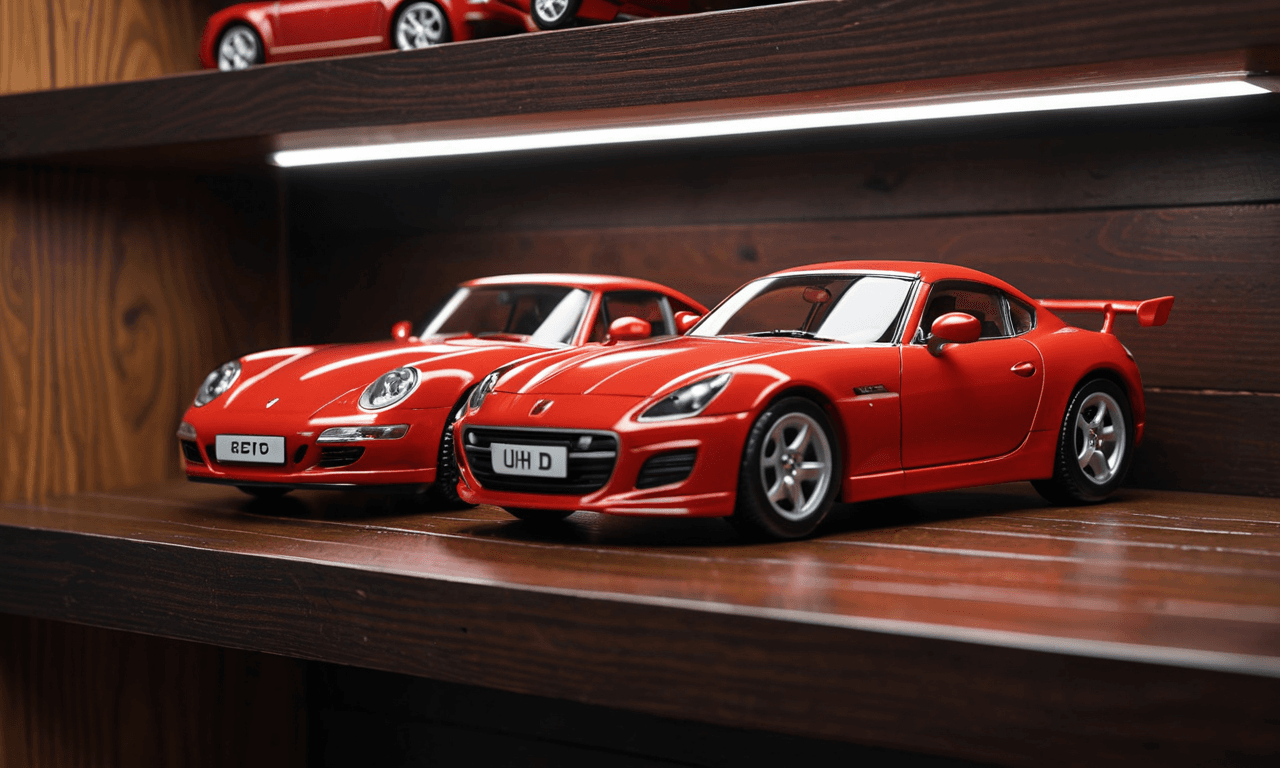
You are digging through a bin at a local show and pull out a mainline you have seen a hundred times. Same casting. Same card art. Same price sticker. But something is off. The paint is half a shade lighter than the one in your display case. You flip it over, check the base, and realize you might be holding a color variation worth 10 times what you paid. That is the magic of Hot Wheels color variations. A tiny shift in pigment can turn a $1.25 basic car into a grail that collectors chase for years. This guide breaks down what causes these shade changes, why they matter, and how to spot them before someone else does.
What Exactly Is a Color Variation?
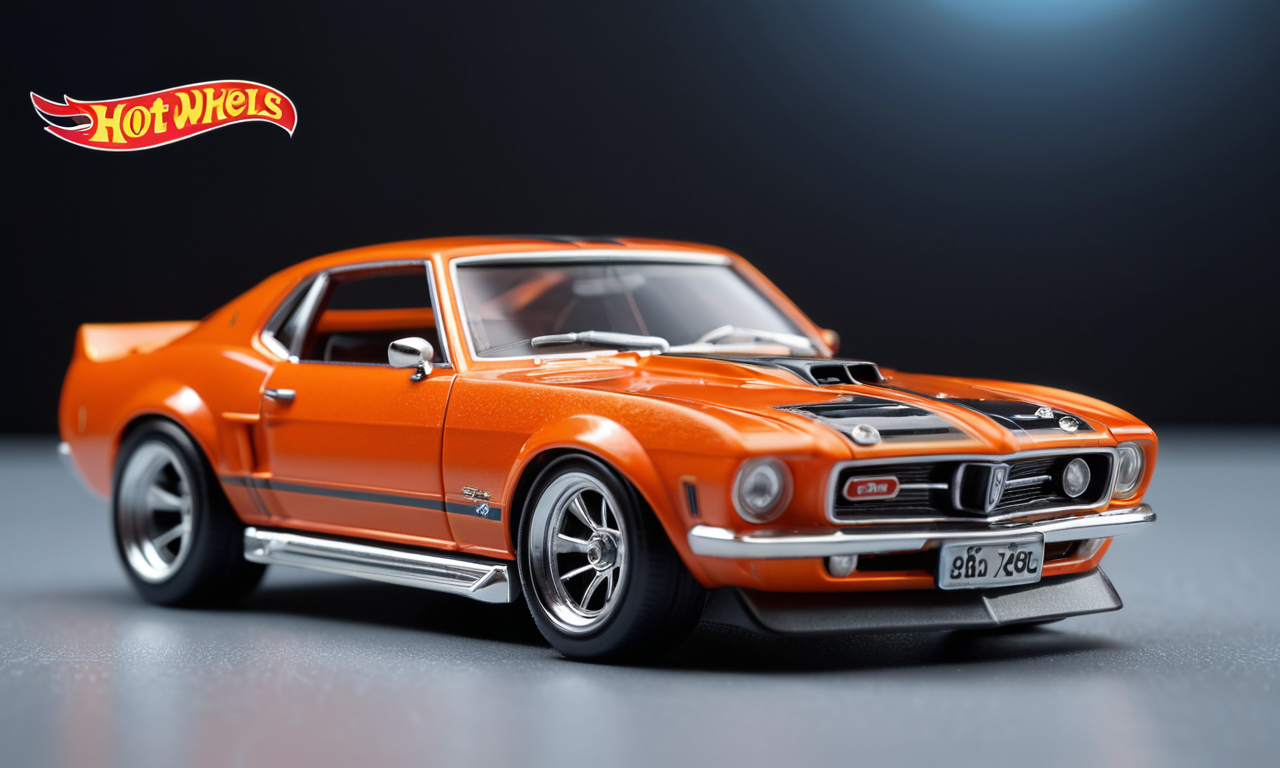
In the Hot Wheels world, a color variation is when the same casting, released in the same year and often in the same case code, shows up with a noticeably different paint shade. It is not a new release. The card art, the base, the wheels, and the tampo are usually identical. The only difference is the color. Sometimes it is lighter, sometimes darker, sometimes more metallic or flatter. These variations happen because Mattel produces cars in massive batches, and paint mixtures can shift slightly from one run to the next. Collectors have learned to treat those small differences as big deals.
The key is that the variation must be consistent. Find 2 or 3 cars from the same batch with the same odd shade? That is a true variation. A one-off paint error is usually just a mistake, not a variation. But when a whole run comes out a shade off, that is when the hunt begins.
Why Color Variations Happen
Mattel runs factories in multiple locations, and paint is mixed in large quantities. Even with strict quality control, small differences in pigment concentration, metallic flake size, or drying conditions can change the final look. Sometimes a batch of paint is slightly off, but the factory uses it anyway to keep production moving. Other times, a mid-year change in supplier or a switch in paint type creates a new shade. These are not intentional chase pieces. They are accidents of mass production. But those accidents create the variations collectors love.
It also happens with Spectraflame finishes on premium and collector editions. Spectraflame is a translucent candy color over polished metal, and the final shade depends on the number of coats and the base metal. A thin coat looks lighter and more gold. A thick coat looks deeper and richer. That is why you can find 2 Spectraflame cars of the same model that look like different colors. For mainlines, the paint is usually enamel or lacquer, and the variation is often a shift in metallic content or a slightly different base coat.
The Mainline Variations That Became Grails
Some color variations are legendary. The 1995 Treasure Hunt series had several shade variations that are now highly sought after. The classic example is the 1995 Treasure Hunt Corvette in purple. There is a light purple and a dark purple, and the dark purple is much rarer. Another famous one is the 1998 First Editions Pontiac Firebird in metallic blue. A lighter, almost teal shade exists and commands big money. These are not premium cars. They were basic mainlines that cost under a dollar. But because so few were made in the odd shade, they became grails.
More recently, modern mainlines have their own variations. The 2015 Hot Wheels Ford GT in blue had a light blue and a dark blue version. The dark blue is tougher to find. The 2019 Honda Civic Type R in yellow had a shade that was more greenish, and collectors noticed. These variations do not always get official recognition, but the community tracks them. Our catalog includes many of these shade variations, and our checklist is a good place to start if you want to know what to look for.
Tip: Always check the base code on the car. If you find a variation, compare the base code to the known release. Sometimes the variation comes from a specific factory or production window. That code is your proof.
How to Spot a Color Variation in the Wild
Spotting a variation takes practice. You need to train your eye to see subtle differences in hue, saturation, and metallic content. Here is a simple process you can use at the store or a swap meet.
-
- Carry a known example. If you are hunting a specific casting, bring a reference car from your collection. Compare it side by side with the one you find. 2. Look at the whole car. Variations are usually consistent across the body. A single odd panel might be a repaint or a defect. 3. Check the card. A variation should be on the same card style and with the same tampo. If the card is different, it might be a different release. 4. Use natural light. Store lighting can trick your eyes. Take the car to a window or step outside. 5. Check the base code. The code on the base can tell you the production run. If you find a variation, note the code.
It also helps to know the common variations for the casting you are hunting. Some castings are known for shade shifts, while others are very consistent. Our price history can show you which variations are recognized and what they have sold for, but you still need to spot them in person.
The Role of Lighting
Lighting is everything. A car that looks like a clear variation under fluorescent store lights might look identical to a common one in daylight. Metallic paints are especially tricky because the flake can catch light differently. If you think you have found a variation, take it to a few different light sources. If the difference holds up, you likely have something. If it disappears, it was probably just the light.
The Importance of the Base Code
The base code is a string of letters and numbers stamped on the bottom of the car. It tells you the factory, the production line, and the date. For variations, the base code is crucial because it proves the car came from a specific run. Two cars that look different but have the same base code are more likely to be a true variation. If the base codes are different, they might be from different production runs. That is still a variation, just a different kind. Collectors often pay more for variations with a known base code because it is easier to verify.
Are Color Variations Worth the Hunt?
For many collectors, color variations are the purest form of the hobby. They are not about limited editions or fancy packaging. They are about paying attention and knowing what to look for. A basic car that cost a dollar can be worth $50 or more if it is the right shade. But the value depends on demand. Some variations are famous and have a strong following. Others are obscure and only a few collectors care. Focus on variations that are well documented and have a track record. Our community here often discusses which variations are heating up, and that can guide your hunting.
It is also important to be realistic. Not every shade difference is a grail. Some are so subtle that only a few people care. Before you get excited, check if the variation is recognized. If you cannot find any record of it, it might be a one-off or a defect. That does not mean it is worthless, but it might not have the same demand. Do your homework. Compare with other collectors. And always be honest about what you have.
Tip: When you find a potential variation, do not clean it aggressively. Original paint and decals are part of the value. A gentle wipe with a microfiber cloth is all you need.
Frequently Asked Questions
How can I tell if a color variation is real and not a repaint?
Look for consistency. A real variation will have the same shade on all painted surfaces, including the interior and base if they are painted. The paint should look factory applied, with no overspray or uneven edges. Check the base code and compare with known examples. If you are unsure, ask other collectors in the community. Many variations have been documented, so you can compare photos.
Do color variations only happen with mainlines?
No, they happen with premium lines too. Spectraflame finishes are notorious for shade differences. Real Riders series and collector editions can also have variations. The same principles apply: look for consistent differences across multiple examples and check the base code. Premium variations can be even more valuable because fewer are made.
What is the best way to store and protect a variation?
Keep it in a protective case, away from direct sunlight and heat. If it is on the card, use a card protector to keep the corners sharp and the blister sealed. Handle it by the edges to avoid fingerprints and wear. For loose cars, a display case with individual compartments works well. And always keep a record of the base code and any documentation you have. That will help if you ever decide to sell or trade.