Hot Wheels Redlines: A Beginner's Guide to the Castings That Started It All
Every collector remembers the first Redline that caught their eye. Mine was a beat up Custom Camaro at a local toy show. Paint chipped down to the metal, wheels still that unmistakable red. I paid 12 dollars for it and I still have it. That car taught me more about this hobby than any price guide ever could. If you are new to Redlines, this guide is for you. We will go through what they are, which castings matter, how to judge condition, and how to buy smart without getting burned.
What Exactly Is a Hot Wheels Redline?
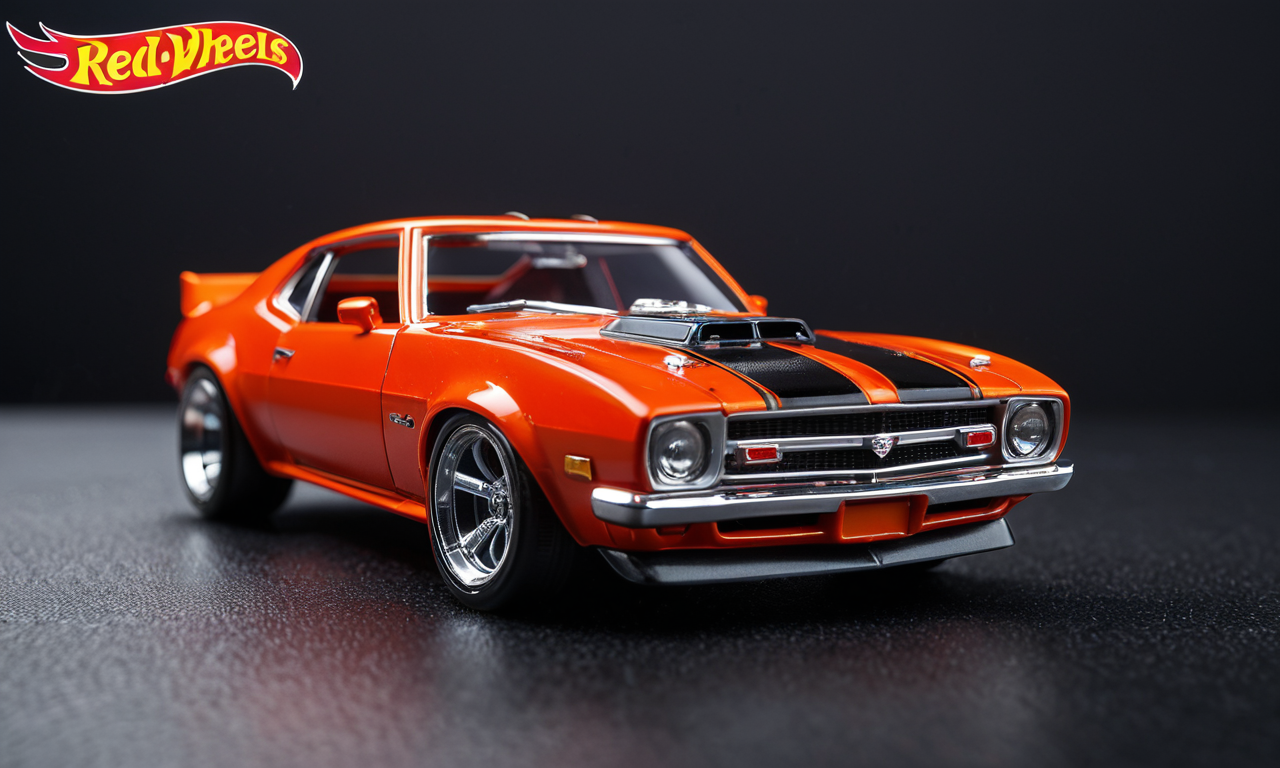
Redlines are the original Hot Wheels cars. Mattel started making them in 1968. The name comes from the thin red stripe painted on the inner edge of each wheel. That stripe was not decoration. It was Mattel's way of showing off the low friction wheel design that let these cars fly down orange track faster than anything else on the shelf.
The Redline era ran from 1968 through 1977. After that, Mattel switched to different wheel designs and the red stripe disappeared from the lineup. So when collectors say Redline, they mean that specific window of production. It covers the Sweet 16 debut cars, the Spectraflame era, the switch to enamel paint, and the arrival of Real Riders in the early 1980s, though purists usually draw the line at 1977.
What makes them collectible is a mix of history, scarcity, and that paint. Early Redlines used Spectraflame, a translucent metallic finish applied over polished metal. The colors shift in light and look nothing like the flat enamels that came later. Spectraflame is the biggest reason collectors fall down this rabbit hole.
Redline vs. Everything Else
- Redlines ran from 1968 to 1977, with Real Riders arriving near the end of that stretch. Early cars used Spectraflame paint over bare metal. Wheels are the giveaway, look for that red stripe on the inner wheel. Packaging changed over the years, and the earliest blister cards are the most sought after. Condition matters more than anything else in this niche. In many cases, more than the casting itself.
The Castings That Started It All
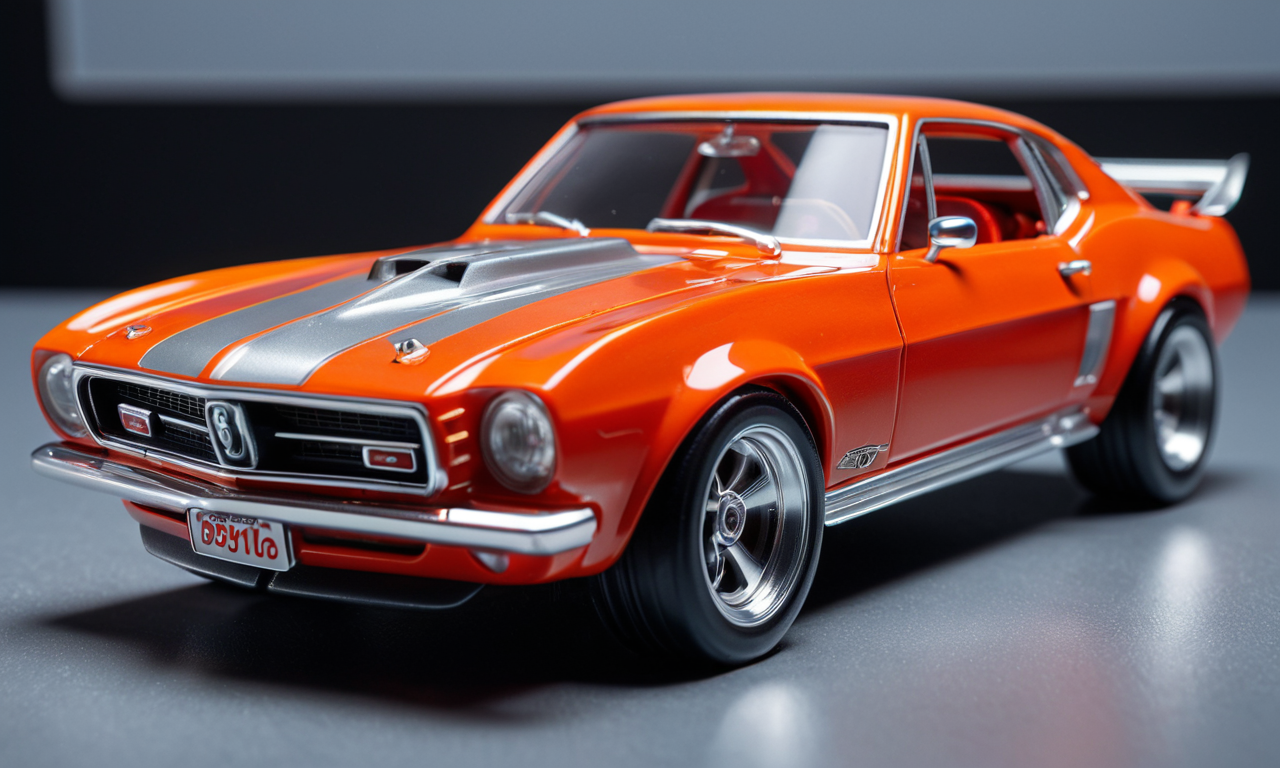
Mattel launched with 16 cars in 1968, commonly called the Sweet 16. These are the foundational castings, and every Redline collection starts here in spirit even if you never own an original example. The lineup included the Custom Camaro, Custom Mustang, Custom Corvette, Custom Firebird, Custom Barracuda, Custom Cougar, Custom Thunderbird, Custom Fleetside, Custom Volkswagen, Beatnik Bandit, Hot Heap, Python, Silhouette, Deora, Ford J-Car, and the Custom El Camino.
Some of these are easier to find than others. The Custom Camaro and Custom Mustang show up regularly at shows and online, which makes them good starter pieces. Others, like the Beatnik Bandit and the Python, are genuinely tough in clean condition. Do not assume every Sweet 16 car is equally available. The market is not balanced at all.
Castings Worth Knowing Beyond the Sweet 16
The Redline era produced hundreds of castings, and a few stand out for collectors today. The Twin Mill is a fan favorite and one of the most recognizable designs of the period. The Beach Bomb is the holy grail, specifically the rear loading version with the surfboards, which is one of the rarest production Hot Wheels cars ever made. The Red Baron, the Snake and Mongoose drag cars, and the Heavy Chevy all have dedicated followings.
If you are just starting, do not chase the Beach Bomb. Focus on castings you actually like the look of. A collection built around cars you enjoy will always beat a collection built around someone else's list. That is the advice I give every new collector who asks me where to begin.
Collector tip: pick 3 or 4 castings and go deep on those. Color variations, wheel variations, and packaging differences will keep you busy for years without spreading your budget thin across 50 cars you barely know.
Understanding Condition and Grading
Condition is where Redline collecting gets serious. A mint car in a clean blister can be worth many times what the same casting brings loose and played with. Learn to look at 4 things on every car you consider.
- Paint. Spectraflame chips easily, and edge wear on the fenders and hood is normal on played with cars. Look for touch ups. They are common and they hurt value. Wheels. The red stripe should be intact and the wheels should spin freely. Bent axles are a red flag. Glass and interiors. Cracks in the windshield or missing interior pieces are hard to fix and easy to spot once you know what to look for. Base and rivets. Check that the base matches the casting and that the rivets have not been drilled or tampered with.
For packaged cars, the blister is everything. Yellowed or cracked blisters drop value fast. Look at the card corners, because bent corners are the first thing serious buyers check. Also check the seal where the blister meets the card. A loose or lifting seal is a problem, and so is a blister that has been reglued. Buying online? Ask for photos of all 4 corners and the seal before you commit.
Loose vs. Carded
Loose Redlines are the affordable entry point and honestly the most fun. You can handle them, roll them, and display them without worrying about damaging a card. Carded examples are for collectors who want the full package and are willing to pay for it. There is no wrong answer here. Just know which lane you are in before you start spending.
How to Start Buying Without Getting Burned
The Redline market has plenty of reproductions and restored cars floating around. Some are honest restorations clearly labeled as such. Others are not. Learn the tells before you spend real money. Repop wheels exist, repainted bodies are everywhere, and reprinted cards are a known issue. If a deal looks too good, it usually is.
Start with common castings in honest played with condition. You will learn the feel of original paint, original wheels, and original weight without risking a large sum. Once you can spot a repaint from across a table, move up. Our catalog and checklist are good places to confirm casting details and variations before you buy, and the community here is always happy to look at photos if something feels off.
A Simple Buying Checklist
- Confirm the casting and color variation before you negotiate. Inspect wheels for the red stripe and check for bent axles. Look closely at paint edges for touch ups or repaints. For carded cars, check corners, blister clarity, and the seal. Ask about provenance if the seller claims originality. Compare against recent sold prices, not asking prices.
Collector tip: bring a small flashlight and a loupe to shows. A loupe will show you repaint edges and touch ups that your eyes will miss under convention center lighting.
Storing and Displaying Your Redlines
Keep them out of direct sunlight. Spectraflame fades, and a faded car is a sad car. Loose cars belong in a case with individual compartments or on a display shelf away from windows. Carded cars should stand upright, not stacked, and should stay in a climate controlled space. Humidity and heat are the enemies of both paint and cardboard.
Handle loose cars by the body, not the wheels, and never slide them across a hard surface. That red stripe wears off fast. If you want to clean a car, use a soft cloth and go easy. Aggressive cleaning products will strip paint and ruin the finish.
Frequently Asked Questions
Are all Hot Wheels with red wheels Redlines? No. Redlines refer to the original 1968 to 1977 era cars with the red stripe on the inner wheel. Later cars can have red wheels, but they are not Redlines in the collector sense.
How much should a beginner spend on a first Redline? You can find honest loose common castings for well under 50 dollars. Start there, learn the feel of original cars, and save the bigger money for when you can spot a repaint without help.
Is it worth restoring a beat up Redline? Usually not, unless the car is rare. A restored common casting is still a common casting, and many collectors prefer original wear over a fresh repaint. Keep the beaters as they are and put your money into better examples.