How to Grade Hot Wheels Condition: The Collector's Checklist for Spotting True Mint
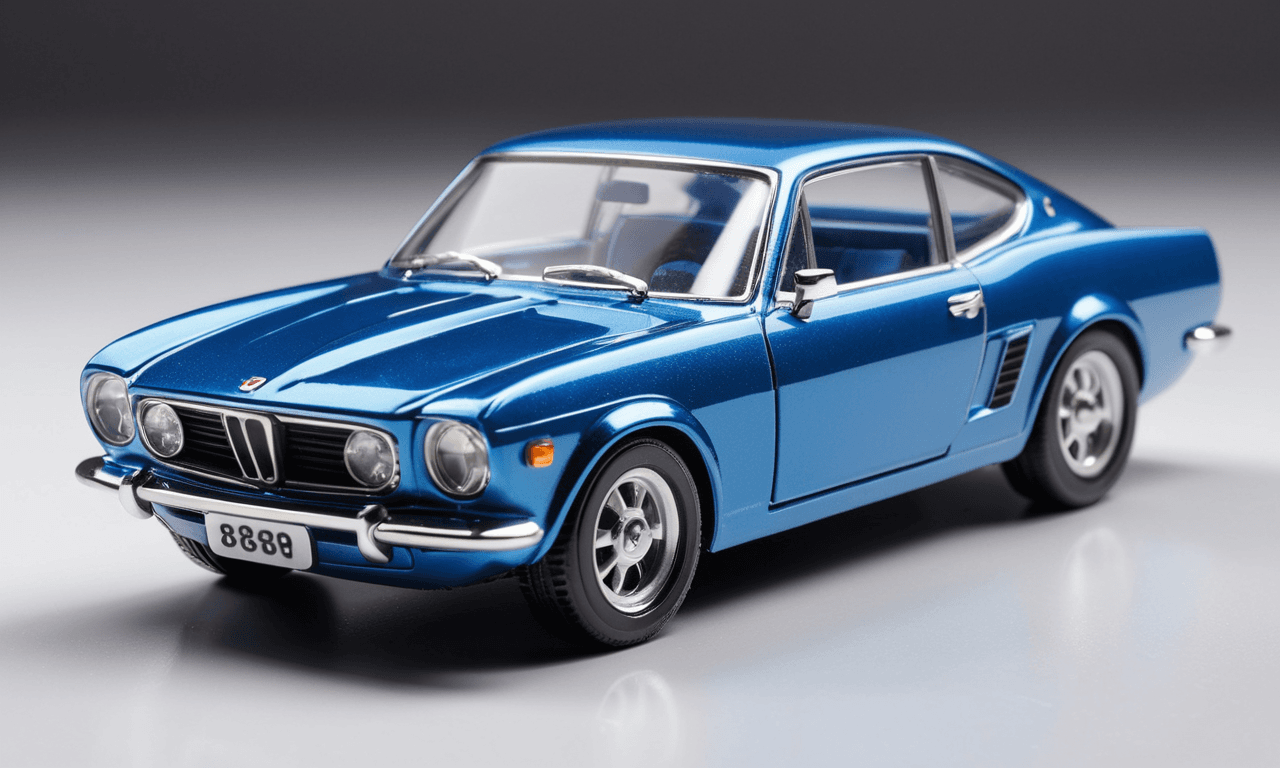
If you have been collecting Hot Wheels for any length of time, you know that condition is everything. A mint car can be worth many times more than the same model with a bent card or a paint chip. But what does mint actually mean? And how do you spot true mint when you are staring at a row of pegs or a seller's photos? This guide breaks down the grading process into a simple checklist that we use here at All Hot Wheels when evaluating cars for our own collection and for our catalog.
We have been collecting for over 20 years, and we have seen it all: from perfect carded pieces pulled straight from a fresh case to loose cars that look like they survived a war. The key is to be systematic. Grade each component separately, then combine them into an overall grade. Let us walk through the process step by step.
Why Condition Grading Matters
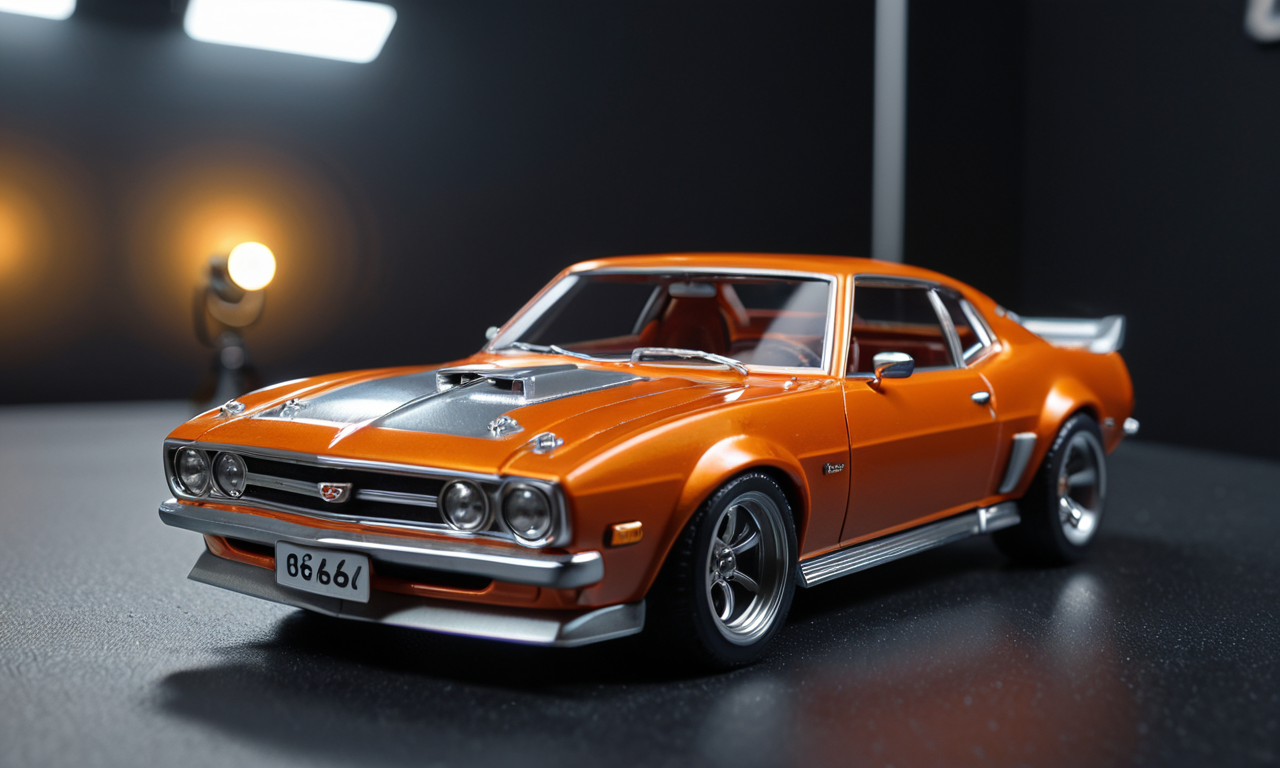
Condition grading is not just about bragging rights. It affects value, tradeability, and how much you enjoy displaying your collection. A carded car with a perfect card and blister is the gold standard. But even loose cars can be graded, and many collectors focus on the car itself, especially for rare releases or when the packaging is long gone.
Grading also protects you as a buyer. When you know what to look for, you can avoid overpaying for a car that looks mint in photos but has hidden flaws. And when you sell, an accurate grade builds trust with other collectors.
The Collector's Checklist: Step by Step
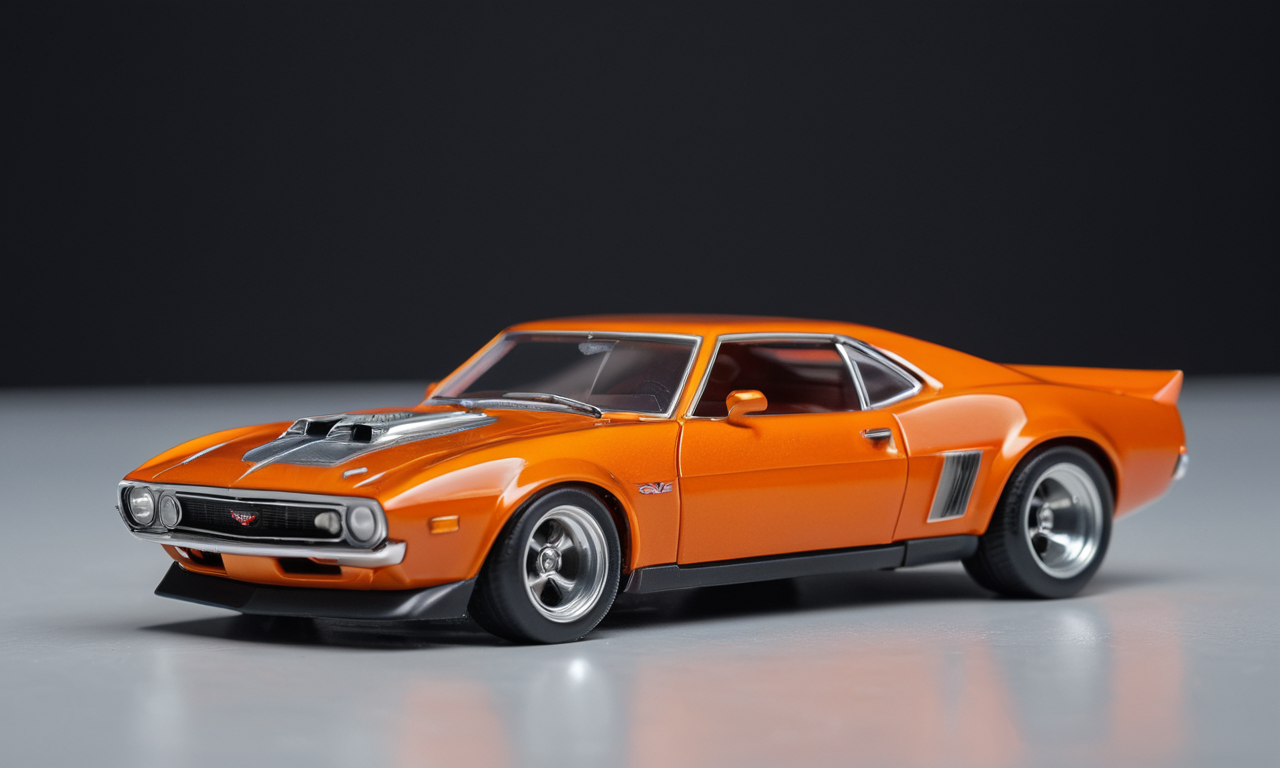
We break down the grading into two main categories: the packaging (card and blister) and the car itself. For each, we look at specific points. Use this checklist every time you evaluate a Hot Wheels car.
Card Condition
The card is the first thing you see, and it is often the most fragile part. Here is what to inspect:
- Corners: Sharp and square, no bends or creases. Even a slight ding lowers the grade.
- Edges: Look for fraying, tears, or wear along the edges. A clean edge is a good sign.
- Surface: No scratches, scuffs, or indentations. Check for sticker residue or price tags.
- Print: The colors should be bright and unfaded. No peeling or bubbling.
- Hanger hole: Intact and not torn. A torn hanger hole is common but reduces value.
- Card back: Often overlooked, but check for writing, stickers, or damage.
A truly mint card looks like it just came off the printer. Even a tiny crease can drop it from mint to near mint.
Blister Condition
The blister (the clear plastic bubble) protects the car and is crucial for carded collectors. Here is what to check:
- Clarity: Clear and unscratched. Yellowing or cloudiness is a red flag.
- Seal: The glue or heat seal around the edge should be complete and tight. No lifting or gaps.
- Cracks: Any crack, even a hairline one, means the blister is compromised.
- Dents: Look for dents or pressure marks that could indicate mishandling.
- Separation: The blister should be firmly attached to the card. Any peeling is a flaw.
A perfect blister is like a window to the car. If it is cloudy or damaged, it distracts from the car and lowers the grade.
Car Condition: Paint and Body
Now to the car itself. Whether carded or loose, the car's condition is paramount. Start with the paint:
- Paint Chips: Look for missing paint, especially on edges and high points.
- Scratches: Fine scratches can be hard to see, so tilt the car under light.
- Fading: Colors should be uniform. Sun fading can dull the paint.
- Tampo: The printed graphics should be crisp and aligned. Smudges or misprints reduce value.
- Spectraflame: For Redline era cars, the Spectraflame finish is delicate. Check for rubs and wear.
Remember that some older cars have known paint issues, like the notoriously fragile Spectraflame on Redlines. Grade accordingly, but be aware of what is normal for the era.
Wheels and Base
Wheels and base are often overlooked but can make or break a grade:
- Wheels: Look for wear on the treads, cracks, or missing chunks. Real Riders should have intact rubber tires.
- Axles: Straight and not bent. Rust is a negative.
- Base: Check for scratches, corrosion, or missing paint. The base should be clean.
- Interior: If visible, look for damage or missing parts.
- Windshield/Windows: No cracks or deep scratches. Clear plastic should be clear.
For loose cars, wheels are especially important because they are exposed. A car with worn wheels is not mint.
Case Codes and Other Details
Case codes can tell you about the production run and sometimes indicate rarity. While not strictly a condition issue, a car from a desirable case code might be more sought after. Also, check for factory errors like missing tampo or wrong wheels. These can be valuable to error collectors but are considered flaws by others.
Grading Scale: What Do the Terms Mean?
Collectors use a variety of terms. Here is a simple scale we use:
- Mint: Perfect in every way. As close to new as possible.
- Near Mint: Minor flaws, like a slightly soft corner or a tiny scratch.
- Excellent: Noticeable wear but still displays well.
- Good: Moderate wear, may have creases or paint chips.
- Fair: Heavy wear, possibly missing parts.
- Poor: Damaged beyond display quality.
Be honest with yourself. It is easy to overlook flaws when you are excited about a find. Use a bright light and a magnifying glass if needed.
Tip: Always grade in natural daylight. Artificial light can hide scratches and paint imperfections.
Common Mistakes When Grading Hot Wheels
Even experienced collectors make mistakes. Here are some pitfalls to avoid:
- Overgrading: Seeing what you want to see. Be critical.
- Ignoring the back: The card back can have flaws that affect value.
- Assuming all carded cars are mint: Store shelves can damage cards.
- Forgetting about the blister: A cracked blister is a major flaw.
- Not checking for repro parts: Some sellers replace wheels or bases.
Another common mistake is comparing a modern car to a vintage one. Standards differ. A 2026 mainline should be mint, while a 1968 Redline might be near mint due to age.
Frequently Asked Questions
What is the difference between mint and near mint?
Mint means flawless, as if it just left the factory. Near mint allows for 1 or 2 very minor flaws that are only visible upon close inspection, like a slightly soft corner or a tiny scratch on the blister. In practice, true mint is rare, especially for older cars.
Should I grade loose cars differently than carded cars?
Yes. For loose cars, the focus is entirely on the car's condition. Packaging is not a factor. For carded cars, the card and blister are part of the grade. Some collectors only collect carded, so a loose car might be less desirable to them, but a mint loose car can still be highly collectible.
How do I check for paint flaws without damaging the car?
Use a bright light and tilt the car at different angles. Look for changes in reflection that indicate scratches or chips. Avoid touching the paint with bare hands if possible, as oils can cause damage over time. A soft microfiber cloth is safe for handling.