How to Store and Display Hot Wheels Without Destroying Their Value
You have all seen it. A guy walks into a meet with a shoebox full of Redlines, pulls out a Beach Bomb, and the card looks like it went through a wash cycle. Bent corners, a cracked blister, a faded flame logo. The car inside might still be perfect. Doesn't matter. The value took a hit nobody can undo. Storage and display are where collections quietly gain or lose money, and most of it comes down to a handful of habits you can start today.
This is the guide we wish we had 20 years ago. It covers carded cars, loose cars, long term storage, and display setups that actually look good without cooking your paint in sunlight. None of it is complicated. All of it matters.
Why Storage and Display Decide Value
Condition is everything in this hobby. Past the car itself, condition is mostly about the packaging. A mint card with a sealed blister can be worth 2 to 4 times what the same car brings loose. Sometimes more on older or limited releases. That premium lives and dies on things you control: card corners, blister seals, surface scratches, and fading.
The frustrating part is that damage usually happens slowly. A stack of cars on a shelf leans for a year and the bottom card warps. A display near a window gets sun for 2 hours a day and the Spectraflame paint on a loose car dulls. A garage box picks up humidity and the cardboard softens. By the time you notice, it is permanent.
Treat every carded car as if it is already worth 3 times what you paid. That mindset fixes most storage decisions before you make them.
Handling Rules That Save Cards
Before storage, fix how you touch the cars. It is the cheapest upgrade in the hobby, and the one most collectors skip.
-
Wash and dry your hands before handling carded cars. Skin oils dull the card surface and show up years later as dark smudges. Nitrile gloves are even better for high value pieces.
-
Hold cards by the edges. Never by the blister. Pressure on the blister is how you get stress cracks and lifted seals.
-
Never stack carded cars directly on each other. The corner of one card dents the face of the one below it. Use a divider or a proper case.
-
Keep a soft brush and a microfiber cloth nearby. Dust the card face gently instead of wiping with your thumb.
-
Do not tape, staple, or write on anything. No price stickers on the card face. No marker on the back. Labels go on the protector, never the card.
Tip from the team: buy a pack of penny sleeves and card protectors before you buy another car. Protecting 50 cars costs less than 1 premium mainline, and it locks in value across the whole lot.
Storing Carded Hot Wheels the Right Way
Protectors and Cases
Carded mainlines fit standard protective sleeves and rigid top loaders sold for trading cards. Hot Wheels cards are a bit taller though, so check the fit before buying in bulk. For volume, use dedicated plastic storage cases sized for 1/64 carded cars. The good ones hold 30 to 50 cars upright with dividers so nothing leans. Stackable cases with a lid keep dust off and let you label by case code or series.
For higher value pieces, rigid protectors are worth it. They stop corner dings and keep the blister from pressing against anything. Store them upright, like books on a shelf. Not flat in a pile.
Environment Matters More Than You Think
Cardboard and plastic both hate heat and moisture. Keep storage in a climate controlled part of the house. Not the garage, attic, or shed. Aim for stable room temperature and low humidity. A cheap hygrometer takes the guesswork out of it. If your storage area creeps above 60 percent relative humidity, add a dehumidifier or silica packs in the cases.
Keep carded cars out of direct sunlight entirely. UV fades the printing and yellows clear plastic blisters over time. Once it happens, there is no fixing it. Indirect light in a normal room is fine.
Long Term Storage
Putting cars away for years? Go upright and go rigid. Flat stacks put weight on the bottom cards, and weight plus time equals warped cardboard and dented blisters. Label every case with what is inside and the date you packed it. When you rotate the collection, you will thank yourself. Check stored cases once or twice a year for moisture, pests, or anything leaning.
Displaying Hot Wheels Without Hurting Them
Carded Displays
Pegboard walls are the classic look, and they work well if you do them right. Use pegs that fully support the card hole. Keep the board out of direct sun. Leave a little breathing room between rows so cards do not press on each other. Shelving with a small lip or a groove works even better, because the cards rest on their bottom edge instead of hanging from a single hole.
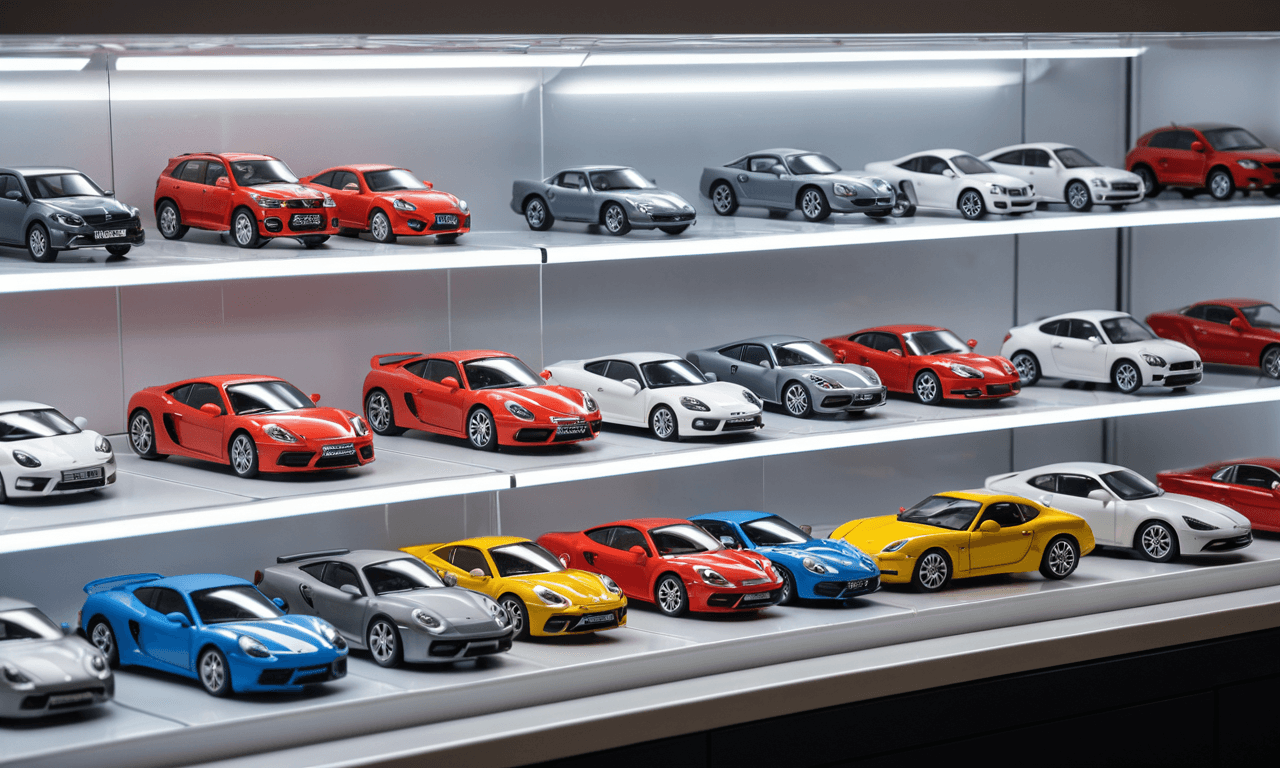
Display cases with glass or acrylic doors are the gold standard. They cut dust, block some light, and keep hands off. If you use open shelves, dust monthly with a soft brush. No household cleaners on card faces or blisters.
Loose Car Displays
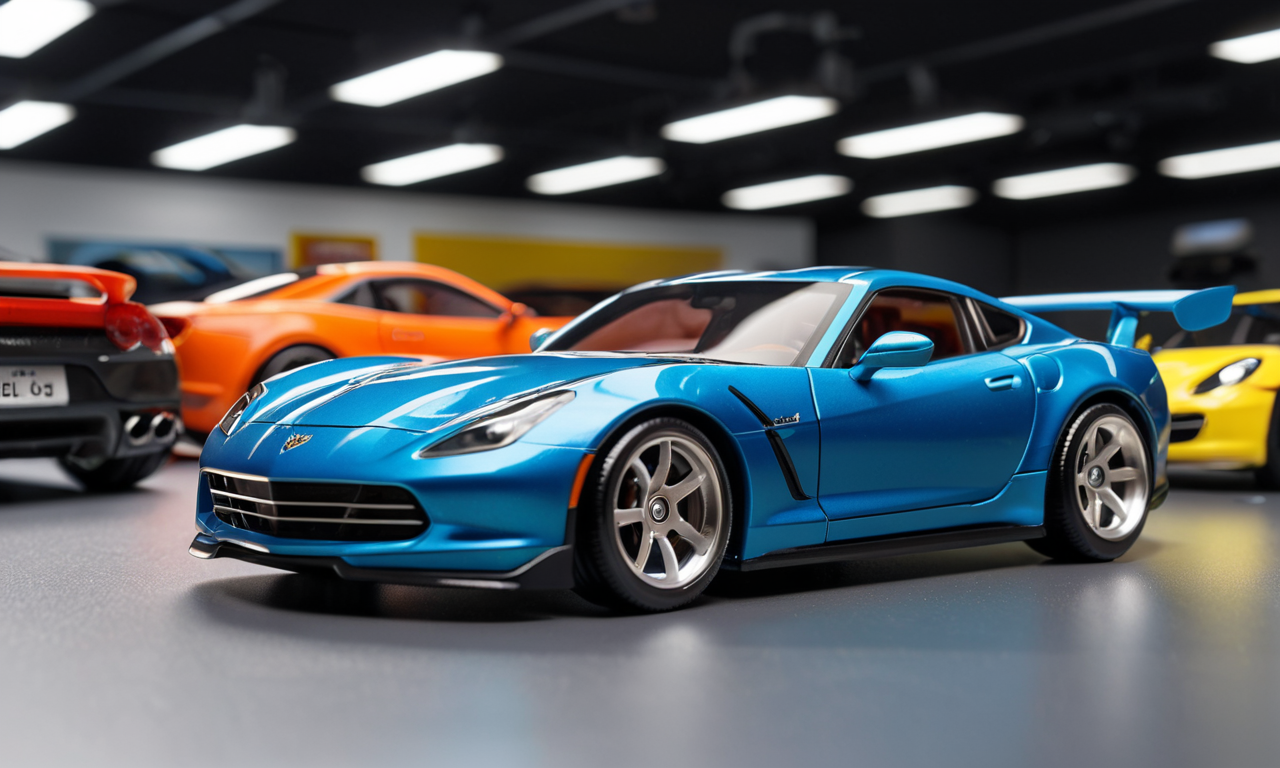
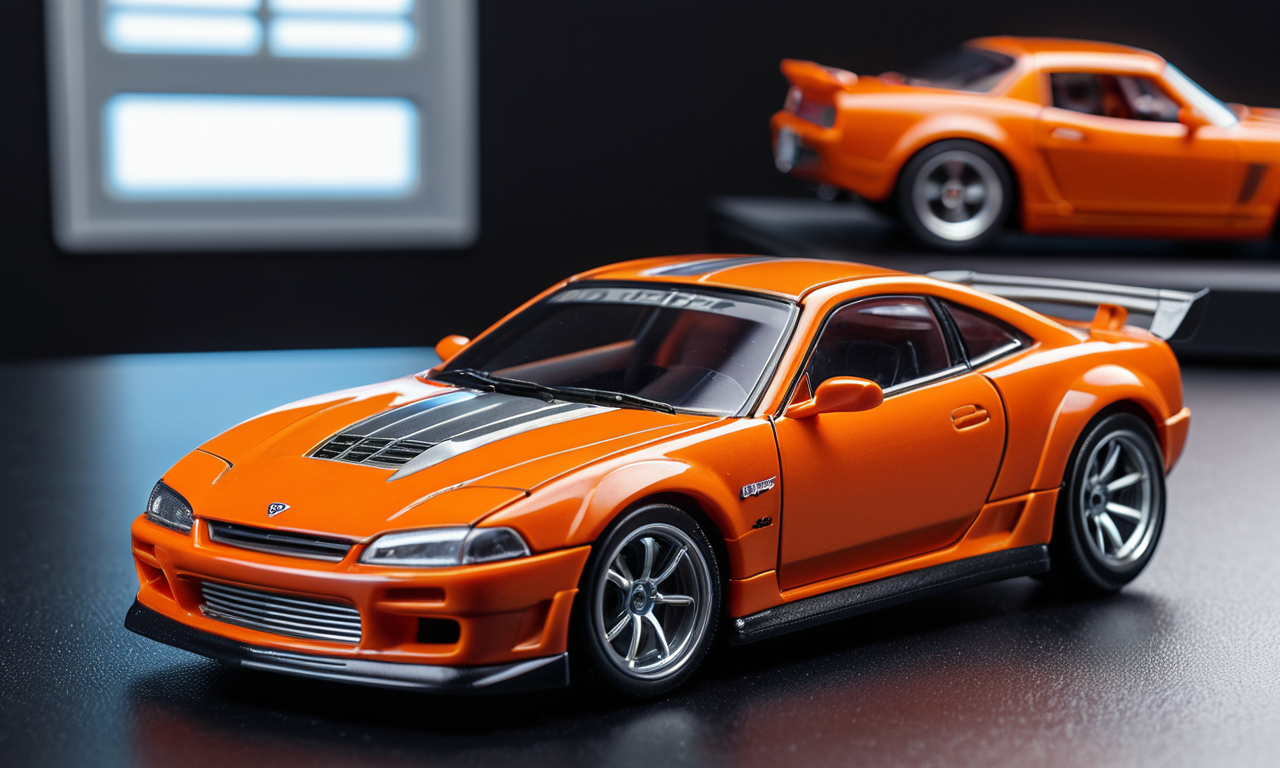
Loose cars are where display really shines. They are also where damage sneaks in. Acrylic risers and tiered stands look great, but make sure the car sits on its wheels or chassis, not on the paint. Skip stands that grip the body. For Spectraflame and other metallic finishes, keep cars out of direct sun and away from heat. Both fade and dull the finish over years.
Real Riders and rubber tires deserve a note. Rubber can react with certain plastics and foams over long periods, so avoid storing them pressed against foam inserts. On display that is rarely an issue. In long term storage, use a barrier or a proper case slot.
Tip from the team: rotate your display every few months. It spreads light exposure around, keeps dust from settling in one spot, and honestly, it makes the collection feel new again.
Lighting Choices
LED lighting runs cool and is the safe pick for display cases. Avoid hot halogen or incandescent bulbs close to cars and cards. Even with LEDs, put the light on a timer instead of running it 24/7. Light exposure adds up over years.
Common Mistakes That Cost Collectors Money
-
Storing in the garage or attic. Heat, humidity, and temperature swings wreck cardboard and blister seals.
-
Flat stacking heavy piles. The bottom cards warp and the blisters dent.
-
Displaying in direct sun. Faded cards and yellowed blisters cannot be reversed.
-
Rubber bands and tape. They leave residue, stain cards, and can melt onto plastic over time.
-
Cheap cardboard boxes in damp spaces. The box itself absorbs moisture and holds it against your cars.
-
Opening a sealed car just to display it, then regretting it. If the card and blister are clean, think hard before you free it.
One more that catches people: buying storage before measuring. Hot Wheels cards vary a little by era and line, so measure a few of your own before you commit to a case. Our catalog lists packaging details per release, and the community here is quick to share what fits what.
Frequently Asked Questions
Should I keep Hot Wheels in the package to protect value?
In most cases yes. A clean card with a sealed blister usually carries a real premium over the same car loose, and that gap grows on older, limited, and premium releases. If you love the car and want it on a shelf, buy 2: 1 to open and 1 to keep sealed. That is the habit most long time collectors settle into.
How do I stop my Hot Wheels cards from warping?
Store them upright in rigid cases with dividers. Keep them out of heat and humidity. Never put weight on top of a stack. Stable room temperature and low moisture do most of the work. Check stored cases once or twice a year so a leaning card does not become a bent one.
Do I need special protectors for valuable Hot Wheels?
For higher value pieces, yes. Rigid protectors stop corner dings and keep the blister from pressing on anything. They also let you label without touching the card. For bulk mainlines, good storage cases with dividers are enough. Spend on protectors where the money is, and use cases for everything else.
Storage is not the glamorous part of collecting. It is the part that decides what your collection is worth in 10 years. Handle cards by the edges. Keep everything upright and dry. Keep sun off the display. Protect the pieces that matter. Do that and your cars will look as good as the day you pulled them off the peg. Happy hunting.