HW Starting Grid 2026: The Complete Guide to Hot Wheels' Newest Series
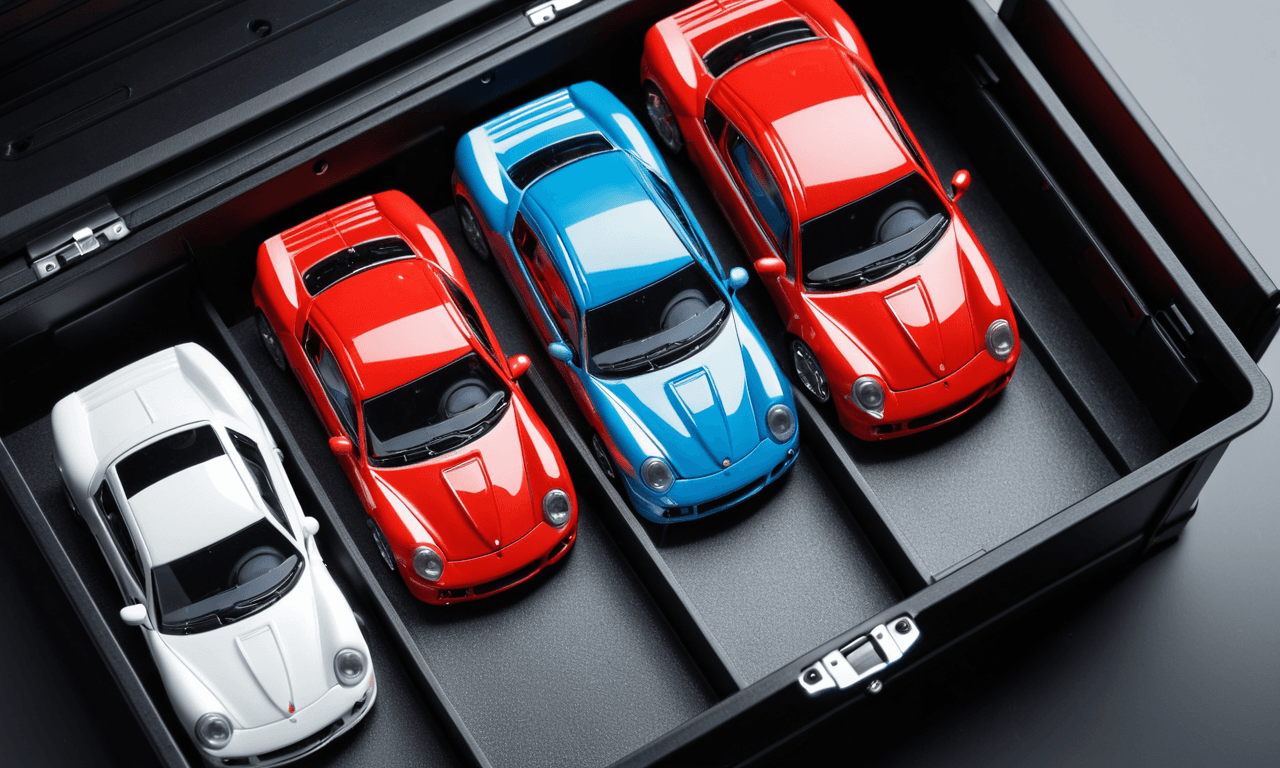
Every year, one series ends up owning the pegs for a whole season. For 2026, that series is Starting Grid. I have been walking the same aisles for over 20 years, and the feeling is familiar. You round the corner, you see a fresh cardboard display stacked three deep, and you know the next 20 minutes will either be a goldmine or a lesson in patience. Starting Grid is built around that exact moment. It leans hard into the racing heritage Hot Wheels has always traded on, and the lineup rewards both the casual picker and the guy with a case code cheat sheet in his back pocket.
This guide puts everything about the Starting Grid 2026 series in one place. We will cover the theme, the assortment structure, the castings getting the most peg chatter, and how to hunt and store a set so your cards come out of the box as clean as they went in. New to collecting? You are fine. Been at this since the Redline days? You are fine too. There is something here for both of you.
What Is the Starting Grid Series?
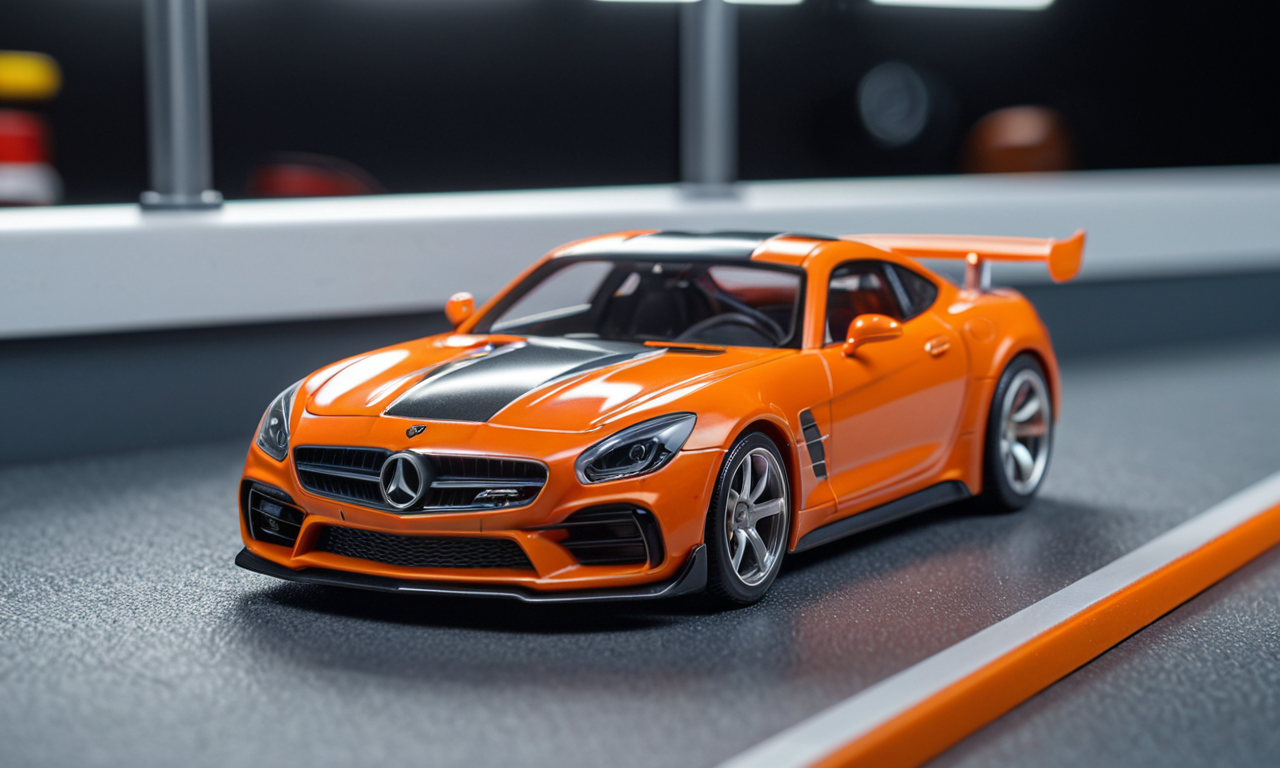
Starting Grid is a themed assortment inside the Hot Wheels mainline family. The idea is simple and, honestly, smart. Every car in the series looks like it belongs at a starting line. That means liveries with racing numbers, graphics that suggest motion, and a color palette running from high visibility yellows and oranges to deep racing greens and blacks. It is a cohesive set in a way most themed assortments are not. Pull 5 or 6 of these cars out of a bin and they look designed together, not thrown together.
The theme also means the casting selection leans toward track-ready shapes. You will see muscle cars, open wheel inspired designs, and a few fantasy castings clearly built to look fast even when they are sitting still. That mix keeps a themed series from feeling like a one note gimmick. Mattel has done this long enough to know a series needs variety to survive past the first restock.
How It Fits Into the 2026 Mainline
Starting Grid sits inside the broader 2026 mainline, so it shares the same card design language, the same case pack structure, and the same distribution rhythm you already know. It is not a premium line. It is not a Car Culture release. It is mainline, which is good news if you are on a budget. You pay mainline prices and get a themed set with some genuinely sharp graphics. That is the sweet spot for a lot of collectors, and it is why this series has been moving fast off the shelves in the regions where it landed first.
One honest note: mainline production numbers are large, but that does not mean every casting is equally easy to find. Assortment ratios vary. Some cars show up 1 or 2 per case, others 3 or 4 times. That is the whole game. The car you want is always the one that shows up once per case, and the car you keep seeing is the one that shows up four times. Starting Grid is no different.
The Castings Worth Watching
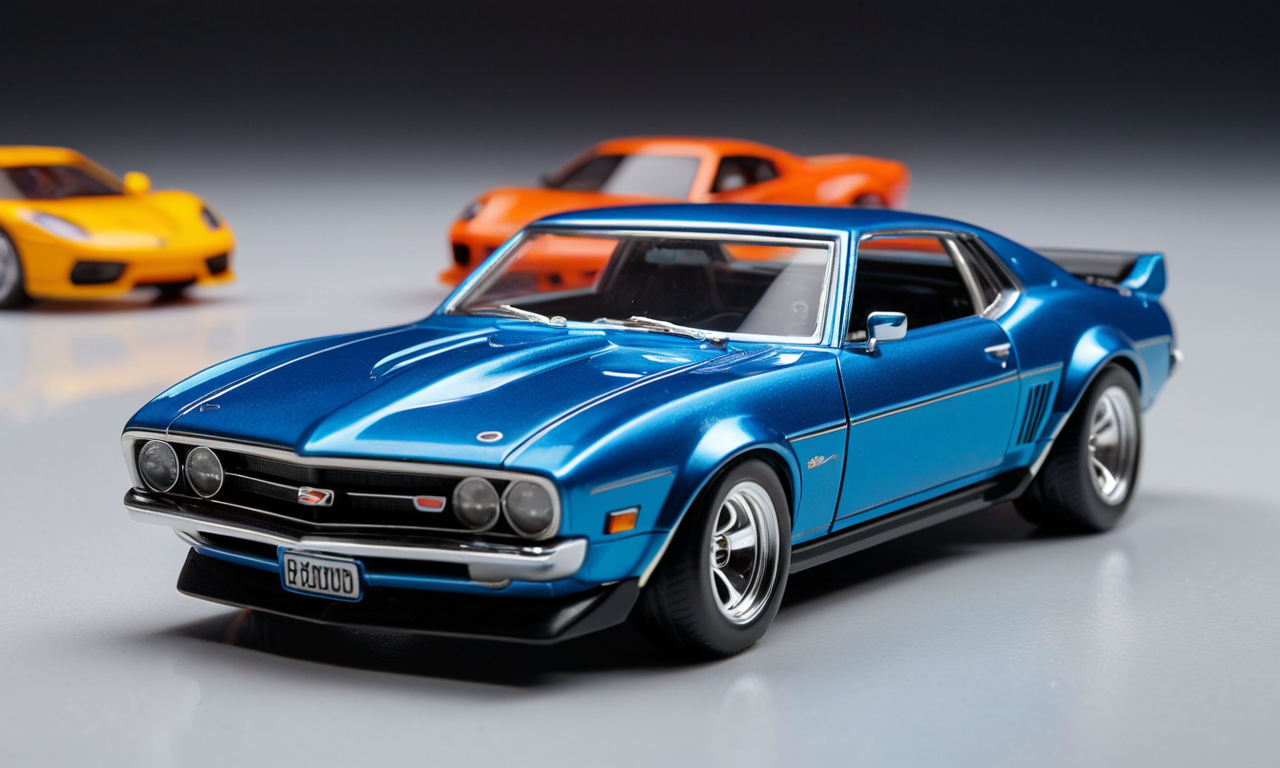
I am not going to hand you a hard list of every car and pretend I have verified ratios Mattel has not published. That is how bad information spreads. Instead, I will tell you which categories to watch and how to read the pegs when you get there.
The Racing Livery Castings
The cars with the strongest racing graphics tend to age well. A casting with a bold number on the door and a stripe running the length of the body looks good on the card and looks good loose on a shelf. These are also the ones that show wear fastest if you collect loose, because tampo graphics on a mainline are not indestructible. Handle them with clean hands and store them somewhere that is not a hot garage.
The Fantasy and Original Designs
Every themed series needs fantasy castings, and Starting Grid has them. Some collectors skip these entirely. I think that is a mistake. Fantasy castings in a themed series often become the sleeper picks years later, because they are the ones people did not bother to keep carded. If a fantasy design in this series catches your eye, grab it. The card corners on a 2026 mainline will be worth more than the car inside if you keep it clean.
The Real Riders Question
Here is where I have to be careful. Real Riders wheels are a premium line feature. They are not standard on mainline cars. If you see a Starting Grid car advertised with Real Riders, verify it before you pay a premium. Some sellers mix up lines, and some listings are just wrong. Mainline cars get basic wheels. That is the baseline. Anything else is a premium release, a variation, or a mistake in the listing.
Collector tip: Before you buy any Starting Grid car at a markup, check the card back and the base. The base tells you the line, the card tells you the series. If those two things do not match the listing, walk away.
Hunting Starting Grid on the Pegs
This is the part I actually enjoy. The hunt. Starting Grid has been showing up in mixed cases, so you will not find a dedicated Starting Grid display in most stores. You will find them scattered through standard mainline cases. That changes your strategy.
Reading Case Codes
Case codes are your best friend. Every case has a code printed on it, and that code tells you which assortment you are looking at. If you know the code for a case that contains Starting Grid cars, you can skip the rest. This is not cheating. It is just knowing the product. Most stores will let you look at a case if you ask nicely and do not make a mess. Be polite, put things back where you found them, and you will be welcome back.
Timing Your Runs
Restocks do not follow a schedule you can set your watch to, but they do follow patterns. Early morning usually beats late afternoon. Weekdays usually beat weekends, because the weekend crowd hits the same pegs you do. If you have a route, hit the big box stores first and the smaller retailers second. The big stores get more cases, but they also get more hunters. The smaller stores get fewer cases, but sometimes those cases sit untouched for a week.
What to Check Before You Buy
- Card corners: Look for bent corners and creases. A clean card is worth more than a dinged one, even on a mainline.
Blister seal: Run your thumb along the edge of the blister. If it lifts, the car may have been opened and resealed, or it may have been damaged in shipping.
Paint and tampo: Check the graphics for misalignment. A tampo that is off center is a variation some collectors chase, but most buyers see it as a defect.
Wheels: Make sure the wheels are seated properly and match each other. Mismatched wheels are rare, but they do happen.
Building a Complete Set Without Overpaying
The temptation with any themed series is to buy the whole thing at once from a reseller. I get it. It saves time. But it costs you money, and it costs you the fun of the hunt. My advice: build the set slowly. Buy what you find on the pegs, fill the gaps later, and keep a checklist so you know what you are missing.
Our catalog has a running checklist for the 2026 mainline, and it is the easiest way to track which Starting Grid cars you have and which ones you still need. Use it. There is no shame in a checklist. Every serious collector I know has one, even the ones who claim they do not.
When to Pay a Premium
Sometimes you have to pay up. If a casting is genuinely short packed and you have been looking for 6 months, a small premium is reasonable. What is not reasonable is paying a premium on day one because a listing told you the car was rare. Give it time. Let the restocks happen. Let the market settle. Most mainline cars calm down within a few months, and the ones that do not were actually hard to find.
Our price history is a useful gut check here. If the numbers on a listing look wild compared to what the car has actually been selling for, trust the history, not the listing title.
Storage That Protects Your Cards
Carded collectors, this one is for you. Stacking carded cars in a shoebox is how corners get bent. Use a proper case, or at minimum stand them upright in a box sized for the card. Keep them out of direct sunlight, because card stock fades. Keep them out of humid spaces, because cardboard warps. And for long term storage, throw a silica packet in the box. It costs nothing and it saves cards.
Loose collectors, you are not off the hook. A loose Starting Grid car on a windowsill will fade. Tampo graphics are not UV resistant. Keep your display out of direct sun and dust it regularly. A soft brush works better than a cloth because it does not snag on spoilers and mirrors.
Is Starting Grid 2026 Worth Collecting?
Short answer: yes, if you like themed sets and racing liveries. The series has a clear identity, the castings are varied enough to stay interesting, and the mainline price point means you are not risking much. It will not be the most valuable series of 2026. It is not trying to be. It is trying to be fun to collect, and on that measure it succeeds.
The longer answer is that value in this hobby is unpredictable. A car nobody wanted in 2026 can be a car everybody wants in 2036. That is the nature of it. So collect what you like, keep your cards clean, and do not treat a mainline series like an investment portfolio. Treat it like what it is. A hobby. A good one, with good people in it, and a lot of cardboard.
The community here has been trading Starting Grid finds since the first cases landed, and that is your best resource. Real hunters, real finds, real photos. Use it. Share your finds. Help the next person standing in front of an empty peg wall wondering where all the good stuff went.
Frequently Asked Questions
Is Starting Grid 2026 a mainline or a premium series?
It is a mainline series. That means basic wheels, standard card design, and mainline pricing. If you see one advertised as a premium release with Real Riders, double check the base and the card before you buy.
How many cars are in the Starting Grid 2026 set?
The exact count depends on how you define the set, because some cars appear in multiple assortments and colorways. The safest approach is to track it with a checklist and update it as new cases land. Our catalog keeps a running list so you are not guessing.
Will Starting Grid cars be restocked after the first wave?
Usually, yes. Mainline series typically see multiple case waves and restocks through the year. That said, distribution varies by region and by retailer, so a car that is easy to find in one area can be tough in another. Patience and a regular route are your best tools.