The Real Deal: How to Spot a 2026 Hot Wheels Treasure Hunt
The 2026 Treasure Hunt Landscape
What Changed This Year
I have been standing in retail aisles watching peg hooks shift for more than 20 years. The rhythm of the hunt has stayed the same even though the packaging evolves. The 2026 Treasure Hunt lineup follows the traditional 1 in 6 ratio inside production cases. That means every case should contain exactly 1 Treasure Hunt among the 24 standard cars. Mattel occasionally runs special sublines or bonus cards that sit outside this math. You will see those marked with different corner indicators. The core identification system remains reliable for collectors who know where to look. I have watched newbies buy reblistered shells and damaged cards because they chased the flame logo without checking the rest of the packaging. You need a complete checklist. The 2026 run brings minor tweaks to the card background gradients and updated case code placement on the back flap. Nothing changes the fundamental rules. You still track codes. You still count hooks. You still verify paint and tires before leaving the store. The market moves fast and prices shift the moment a car leaves the peg. Knowing how to separate a genuine 2026 Treasure Hunt from a standard release or a reproduction saves you time and money. I break down the exact markers you need to check in the sections below. This is the same system I use on every shopping trip. It works for mainstream releases and limited club runs alike. You just need to stay focused and trust the details.
Peg hunting is not about luck. It is about pattern recognition. Stores rotate inventory at different speeds. Some locations move cars weekly while others sit for months. The 2026 cases follow the same distribution logic as previous years. You will find the Treasure Hunt somewhere in the sequence. Case codes tell you exactly where. A code like B 3 2026 means the second letter and third number position in the case layout. That translates to a specific hook location. You count from the top left corner in most standard displays. Some stores flip the orientation or use angled pegboards. You adjust your counting method to match the physical setup. I always verify the code against the actual card before assuming a match. Retail staff move cars. Customers pull them. Gravity shifts the stack. The code is your map but the card is your confirmation. I have pulled three straight standard cars only to find the TH sitting on the bottom row after a restock. Patience pays off. You learn to read the shelf like a ledger. Every missing hook tells a story. Every full row gives you a fresh start. The 2026 season rewards collectors who show up early and check multiple locations. You will spot patterns quickly once you track a few cases.
Reading the Card Like a Pro
Flame Logos and Corner Markers
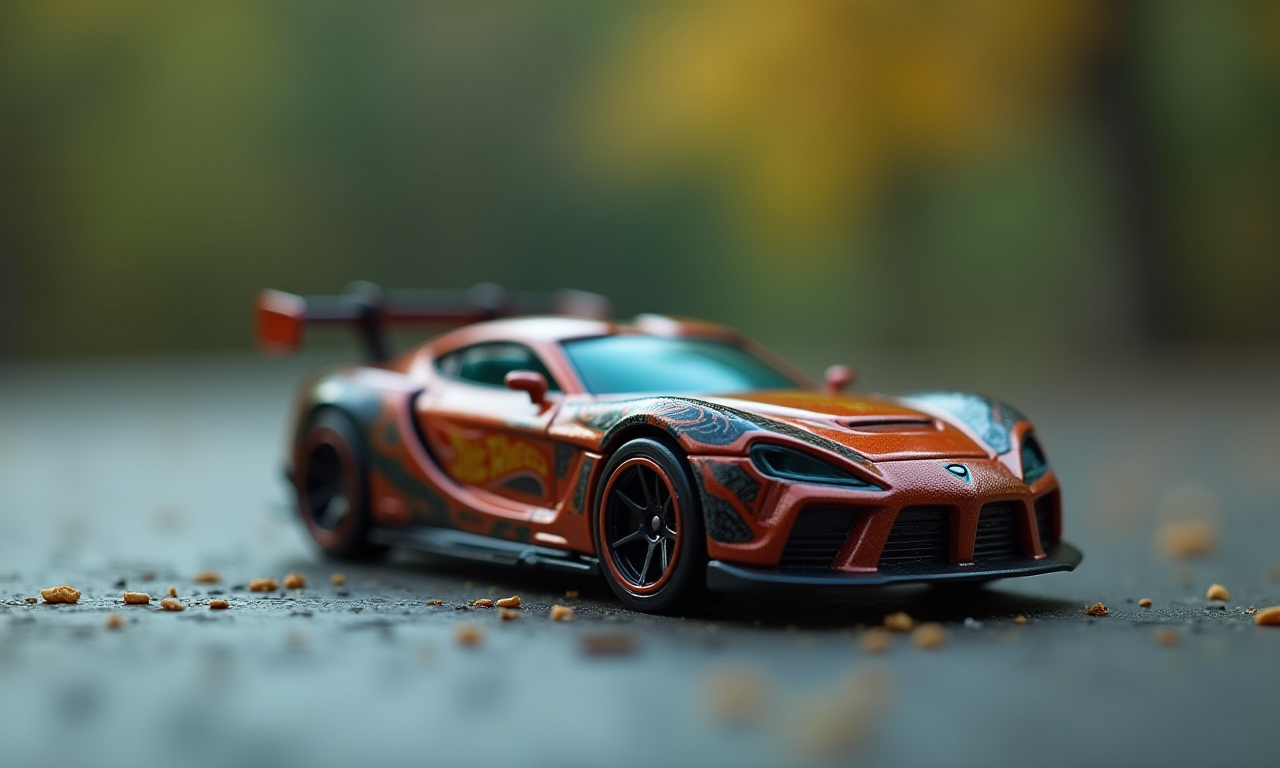
The first thing you check is the card corner. Standard 2026 releases use blue, gold, or teal corners depending on the series. Treasure Hunts carry the distinctive TH flame logo stamped directly into the corner. The flame replaces the standard color block. You will also notice a subtle shift in the card background. The 2026 TH cards feature a slightly darker gradient along the top edge. This helps separate them from mainstream runs at a glance. Some special runs use silver or black corners with a different flame variant. Those are club exclusives or promotional inserts and do not follow the 1 in 6 case math. You stick to the blue, gold, and teal TH flames for mainstream peg hunting. The flame placement stays consistent across the year. It sits in the upper right corner on modern cards. Older collectors remember when the flame moved to the left. That changed decades ago. You just need to know where it lives on the 2026 card stock. The printing quality matters too. Genuine TH flames have sharp edges and consistent metallic ink. Reproduction cards often show smudged outlines or faded foil. I run my thumb along the edge of the card to feel the cut. Factory corners are crisp. Aftermarket repairs leave a soft or uneven border. You do not need a loupe to spot a bad cut. Your eyes and hands tell you enough.
Blister Seals and Case Codes
The back of the card holds the second layer of verification. Look for the case code printed near the bottom edge or on the fold flap. The 2026 format uses a letter, a number, and the year. You see combinations like C 1 2026 or F 8 2026. The letter indicates the row position. The number indicates the column position. You match that to the physical case layout. Standard cases hold 24 cars arranged in 4 rows of 6. You count from the top left. The code tells you exactly where the TH sits. You also check the blister seal. Factory seals are uniform and flush against the card. The plastic should not show stress marks or uneven glue lines. Reblistered cars often have cloudy plastic or misaligned mounting points. I always tilt the card toward the light. Genuine blisters show a clean reflection. Repaired packs reveal shadow lines where the plastic was trimmed and reattached. You also check the card fold. It should lie flat with a sharp crease. Wavy edges or crushed corners signal handling damage. The 2026 cases use a slightly thicker card stock this year. That makes the fold hold its shape better. You will notice the difference once you compare a fresh pull to a shelf worn example. Condition matters for long term value. You want tight cards and clean blisters.
Always verify the case code against the actual hook location before assuming a match. Store staff rotate inventory and customers pull cars out of sequence. The code is your map but the physical card is your confirmation. Check the flame, the blister seal, and the card fold before you leave the aisle.
Diecast Details That Matter
Spectraflame and Real Riders
Paint and tires define the diecast experience. The 2026 Treasure Hunt lineup includes a mix of Spectraflame finishes, candy paints, and metallic shades. Spectraflame remains the most sought after finish because of its depth and reflective quality. You can spot it by the way the color shifts under different lighting. It looks almost liquid. Candy paints have a high gloss shell with a solid base. Metallic finishes show a consistent sheen without the color shift. Not every TH carries Spectraflame. Mattel rotates the finish based on the casting and the series theme. You check the base of the car for the finish designation. The 2026 cards sometimes list the paint type on the back. You also look at the tires. Real Riders feature rubber compounds that flex and match real vehicle proportions. Standard tires are hard plastic. Real Riders appear on many TH models but not all. The 2026 run includes several Real Rider examples in the sports and classic car categories. You verify this by checking the sidewall. Real Riders show molded tread patterns and a matte rubber texture. Plastic tires look shiny and uniform. Some collectors chase the combination of Spectraflame paint and Real Riders. That pairing drives demand and price. You decide which features matter for your collection. I prioritize originality over finish type. A clean standard finish beats a damaged Spectraflame car every time.
Cast Variations and Peg Placement
Base casting details change throughout the year. You will see minor updates to the base color, the logo style, and the country of origin stamp. The 2026 THs use a mix of dark gray and black bases depending on the production batch. Some early runs feature a lighter gray base that transitions to black later in the year. This is normal. It does not affect authenticity. You track the variation for your own records. The base also carries the model number and the year. You compare this to the card info. Mismatches signal a reproduction or a repair job. I always check the axle holes and the rear tire cutouts. Factory cuts are clean and symmetrical. Aftermarket modifications leave rough edges or uneven spacing. Peg placement affects condition too. Cars on the top row get handled more. Bottom row cars sit longer. You pull from the middle or bottom when possible. You also check the hook alignment. Bent hooks or crooked cards indicate rough handling. The 2026 cases pack tightly. You will find pristine examples if you look carefully. You do not force a car out of the blister. You use a gentle rocking motion to slide it free. Preserving the original packaging protects the value. You want tight cards for grading and display.
Peg Hunting Strategy for 2026
- Check the TH flame logo in the upper right corner before touching the blister
- Verify the case code matches the physical hook location on the pegboard
- Inspect the card fold for flatness and sharp creases
- Look for uniform blister seals with no glue lines or stress marks
- Compare the base casting details against current production guides
- Track store restock schedules to catch fresh cases before they move
- Avoid cars with crushed corners, cloudy plastic, or mismatched card info
- Document your finds with photos and case code records for future reference
You build a routine around the hunt. I visit stores during off peak hours. Early morning or late afternoon works best. The shelves are full and the staff has not rearranged the displays yet. You bring a small notebook or use your phone to log case codes. Tracking your progress helps you spot patterns. You will notice which locations rotate faster and which ones hold inventory longer. You adjust your route accordingly. The 2026 season follows the same retail cycle as previous years. New waves drop quarterly. You catch the first wave before the market reacts. Prices stabilize after the initial rush. You hold your purchases if you plan to build a complete set. You trade duplicates with other collectors to fill gaps. Community knowledge speeds up the process. You share case code updates and store restock times. You also set realistic expectations. Not every trip yields a find. Some weeks you walk away with standard cars. That is part of the hobby. You enjoy the search as much as the pull. The 2026 lineup offers enough variety to keep things interesting. You focus on condition and originality. You avoid the secondary market traps. Repairs and reblisters flood online listings. You stick to the peg when you can. Fresh cards hold their value. Tight packaging protects the diecast. You build a collection that stands the test of time.
Frequently Asked Questions
How do I verify a 2026 Treasure Hunt purchased online? Check the seller photos for clear views of the card corner, blister seal, and base casting. Look for the TH flame logo and verify the case code matches the described condition. Ask for close up shots of the card fold and the plastic mounting points. Genuine packs show crisp edges and uniform glue lines. Reproduction cards often have faded logos or mismatched fonts. You also compare the base color and country stamp against current production records. If the details do not align, walk away. Original packaging and factory seals are non negotiable for serious collectors.
Are all 2026 Treasure Hunts rare or valuable? The 1 in 6 ratio means each car appears in roughly 16 percent of standard cases. That makes them more common than special runs but still scarce on the retail floor. Value depends on the casting, finish, and condition. Some models appreciate quickly due to high demand. Others stay affordable for years. You collect what you enjoy. Market prices fluctuate based on availability and collector trends. Focus on tight cards and original blisters. Those traits hold value better than chase finishes alone. You build a balanced collection that survives market shifts.
What if the case code math does not match the actual hook location? Store layouts vary and staff rotate inventory frequently. A code might point to an empty hook or a moved car. You trust the code as a starting point but always verify the physical card. Check the TH flame, the blister seal, and the card fold. If the packaging matches factory standards, you have a genuine example regardless of hook placement. Case codes guide the hunt but they do not guarantee perfection. Retail environments change daily. Adapt your search and keep checking adjacent hooks. The TH is usually nearby when the code points to a gap.