Collectors World: A Veteran's Guide to Hot Wheels Collecting
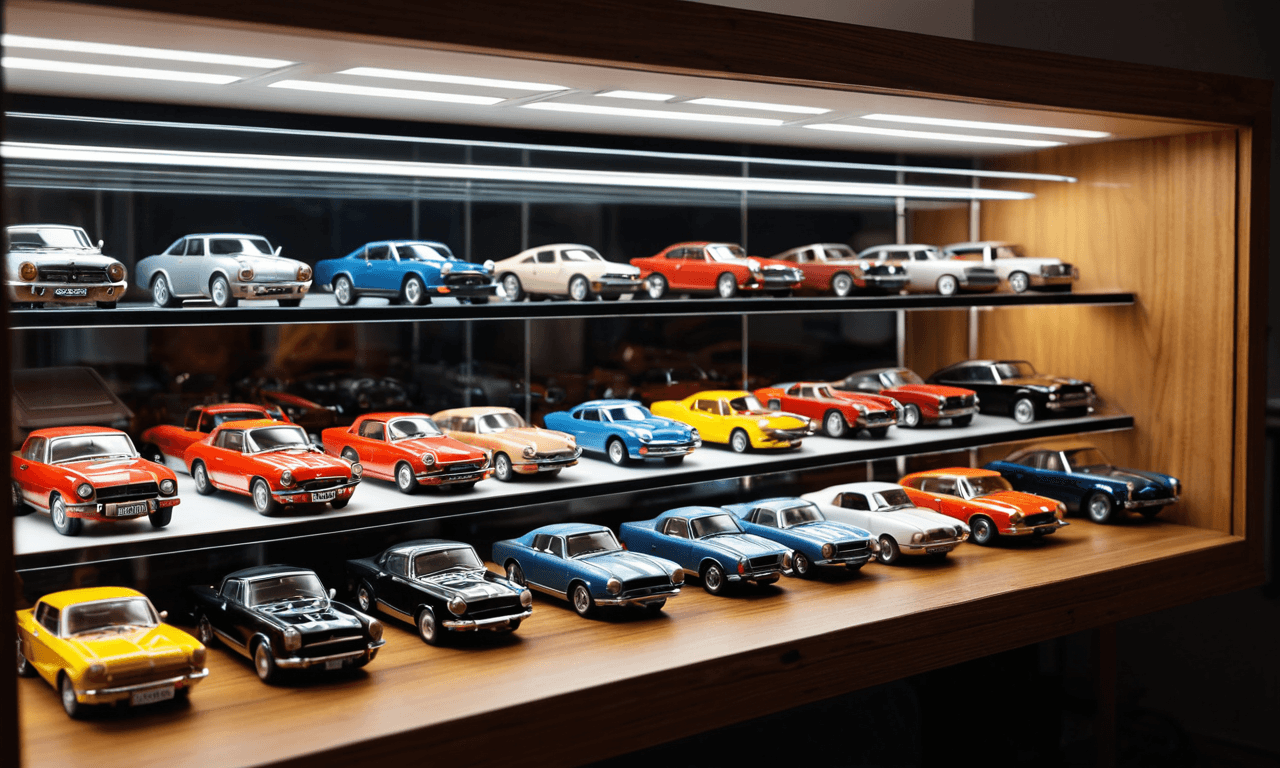
I've been collecting Hot Wheels for over 20 years. I've seen the hobby grow, change, and sometimes frustrate the heck out of me. But I still love it. The thrill of the hunt, the camaraderie, the sheer joy of finding a car you've been chasing for months. This guide is for anyone who wants to dive into the Collectors World, whether you're just starting or have been at it for a while. I'll share what I've learned about finding cars, evaluating them, storing them, and trading them. No fluff, just real talk from a guy who's spent countless hours in toy aisles and at swap meets.
The Thrill of the Hunt: Peg Hunting and Beyond
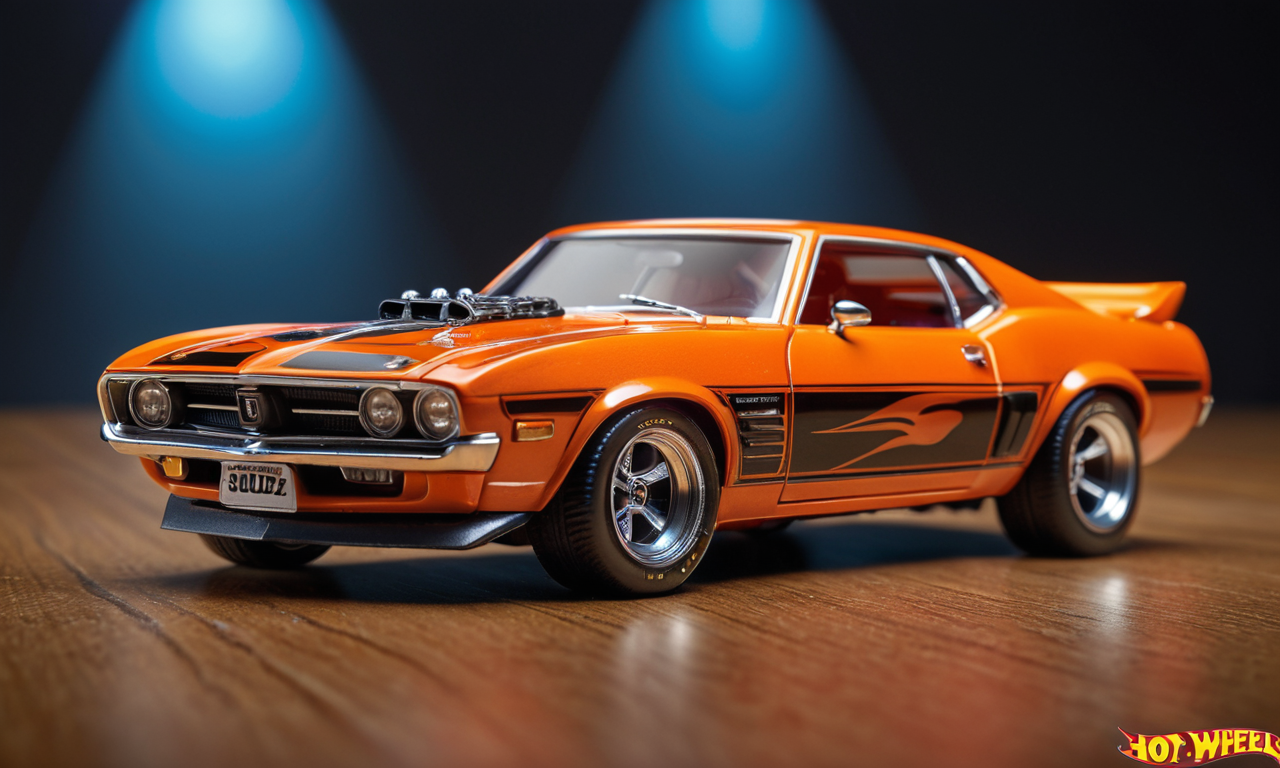
Peg hunting is the lifeblood of the hobby for many collectors. It's the act of going to retail stores, scanning the pegs, and hoping to find that new release or a hidden gem. I've been doing this for two decades, and I still get a rush when I spot a fresh case on a pallet. But peg hunting isn't as simple as walking into a store and grabbing whatever looks cool. You need strategy, timing, and a bit of luck.
Case Codes and Treasure Hunts
If you want to be successful at peg hunting, you need to understand case codes. Hot Wheels cases are marked with a letter code that indicates the assortment and the year. For example, a case code might be something like 'A' for the first assortment of the year. Collectors often share these codes online so you know what to look for. Treasure Hunts are special cars inserted in cases at a ratio. Regular Treasure Hunts are more common, while Super Treasure Hunts are rarer and feature Spectraflame paint and Real Riders wheels. Knowing the case code helps you predict when a store might get a shipment with a Treasure Hunt.
But not all stores stock the same. Big box stores like Walmart and Target get the most cases, but they're also picked over by other collectors. Dollar stores, grocery stores, and drugstores can be goldmines because fewer people check them. I've found Super Treasure Hunts at a random grocery store more than once. So don't ignore the small spots.
Tip: Befriend store employees. They can give you a heads up on when new cases arrive. A simple hello and a friendly chat go a long way.
Evaluating Condition: What to Look For
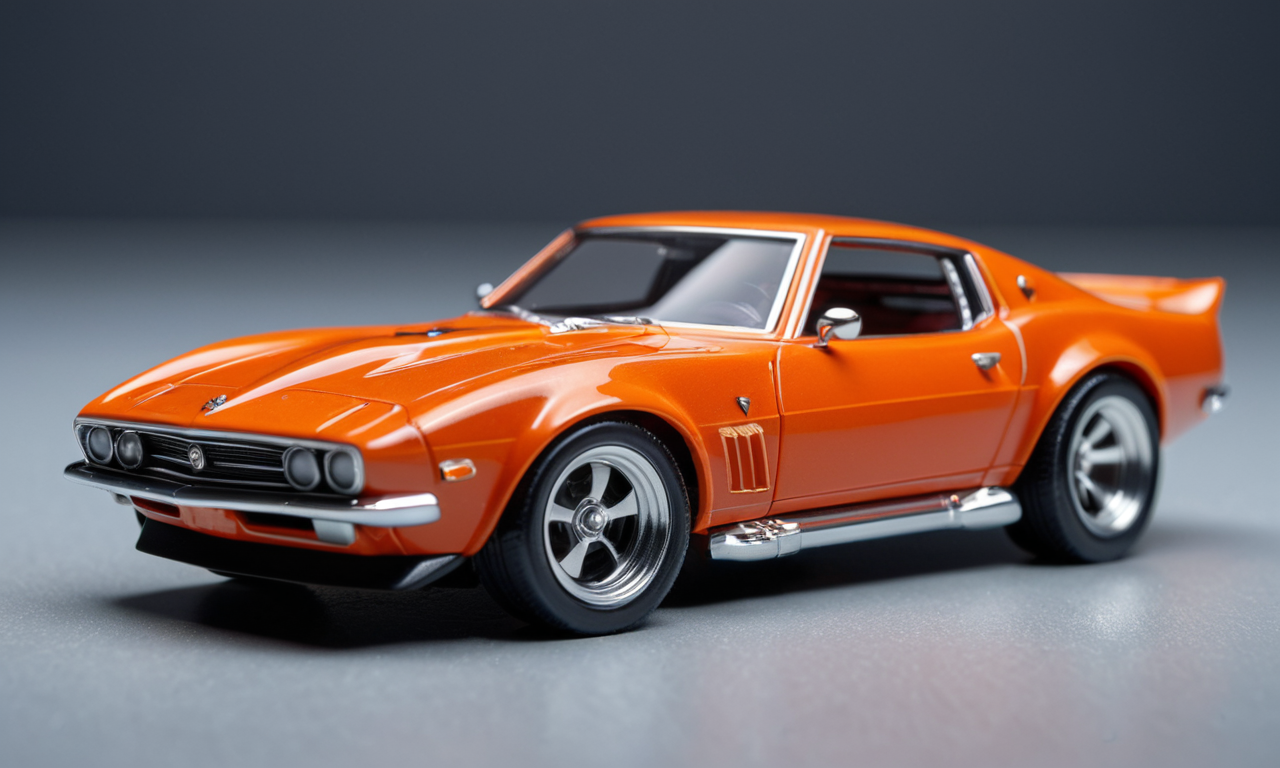
Condition is everything in collecting. Whether you're buying from a store or a fellow collector, you need to know how to grade a car. The card and blister are just as important as the car itself, especially if you plan to keep it carded.
Card Corners and Blister Seals
The first thing I check is the card. Look at the corners. Are they sharp? Any bends or creases? A mint card has four sharp corners. The blister, the plastic bubble, should be clear and free of scratches or dents. The seal around the blister should be intact. If the blister is lifting off the card, that's a red flag. It means the car might have been tampered with or stored poorly.
For loose cars, check the paint. Look for chips, scratches, or fading. Spectraflame paint, used on older Redlines and Super Treasure Hunts, is especially prone to chipping. Real Riders wheels should be free of bends and have good tread. Also, check the base. Some cars have metal bases, others plastic. That can affect value.
Variations and Errors
Variations are a big deal. A variation is a difference in a car that was produced, like a different wheel type, a different color, or a different tampo design. Errors are mistakes, like a missing tampo or a wrong wheel. Some collectors chase these, and they can be worth more. But not all variations are documented, so you need to do your research. Join collector groups on social media and forums to stay updated.
Storing and Protecting Your Collection
You've found some great cars. Now you need to keep them safe. How you store your collection depends on whether you keep them carded or loose, and how much space you have.
Carded Cars
For carded cars, I recommend using protective cases. There are plastic cases designed specifically for Hot Wheels that keep the card from bending and protect the blister. You can also use comic book bags and boards, but they're not as rigid. Store them upright in a cool, dry place away from direct sunlight. Sunlight will fade the colors on the card and the car.
Loose Cars
For loose cars, you have options. You can use display cases with compartments, or you can use tackle boxes or bead storage boxes. I prefer cases with individual slots so cars don't rattle around. If you have a lot of cars, consider a wall-mounted display. Just make sure it's away from sunlight and heat. Also, avoid storing cars in areas with high humidity, as that can cause paint to bubble and metal to rust.
Tip: Use silica gel packets in your storage bins to absorb moisture. It's a cheap and effective way to prevent rust.
Trading and Selling: Navigating the Collector Market
Trading is a huge part of the hobby. It's how you get cars you can't find and how you meet other collectors. But it can also be tricky if you don't know the value of what you have.
Know Your Values
Before you trade or sell, research the value of your car. Online price guides, auction sites, and collector forums are good sources. But remember, values fluctuate. A car that's hot today might cool off tomorrow. Also, condition plays a huge role. A mint carded car will always be worth more than a loose one, unless it's a rare variation.
Where to Trade
There are many places to trade. Local collector clubs, swap meets, and online groups are the most common. I've done trades through social media groups and at toy shows. Always use a trusted method of payment and shipping if you're trading online. And if you're meeting in person, choose a public place.
- Use reputable trading platforms with buyer protection. Always ask for detailed photos before committing. Check the seller's feedback or trade history. Pack cars securely to prevent damage during shipping.
The Collectors World Community
One of the best parts of collecting is the community. I've made lifelong friends through this hobby. Whether it's online forums, Facebook groups, or local meetups, connecting with other collectors enhances the experience. You learn from each other, share tips, and sometimes commiserate over missed finds. The community is generally welcoming, but like any group, there can be drama. My advice: stay positive, be respectful, and focus on the fun.
Attending conventions and toy shows is a great way to immerse yourself. You'll see rare cars, meet vendors, and maybe even score a grail piece. The Hot Wheels Collectors Convention is the big one, but there are many regional shows too. If you can, go to at least one. It's an experience.
FAQ
Q: What is a Super Treasure Hunt? A: A Super Treasure Hunt is a rare version of a mainline car with Spectraflame paint, Real Riders wheels, and a special logo. They're inserted in cases at a ratio of about 1 per 5 cases or so, but that varies.
Q: How do I store my Hot Wheels to prevent damage? A: For carded cars, use protective cases and keep them out of sunlight. For loose cars, use compartmentalized cases and control humidity. Avoid extreme temperatures.
Q: Are variations worth more? A: Some variations are worth more, but it depends on demand. Rare variations, like wheel errors or missing tampo, can fetch higher prices. Always research recent sales to gauge value.