Do Hot Wheels Elite 64 Cars Actually Hold Their Value? A Collector's Investigation
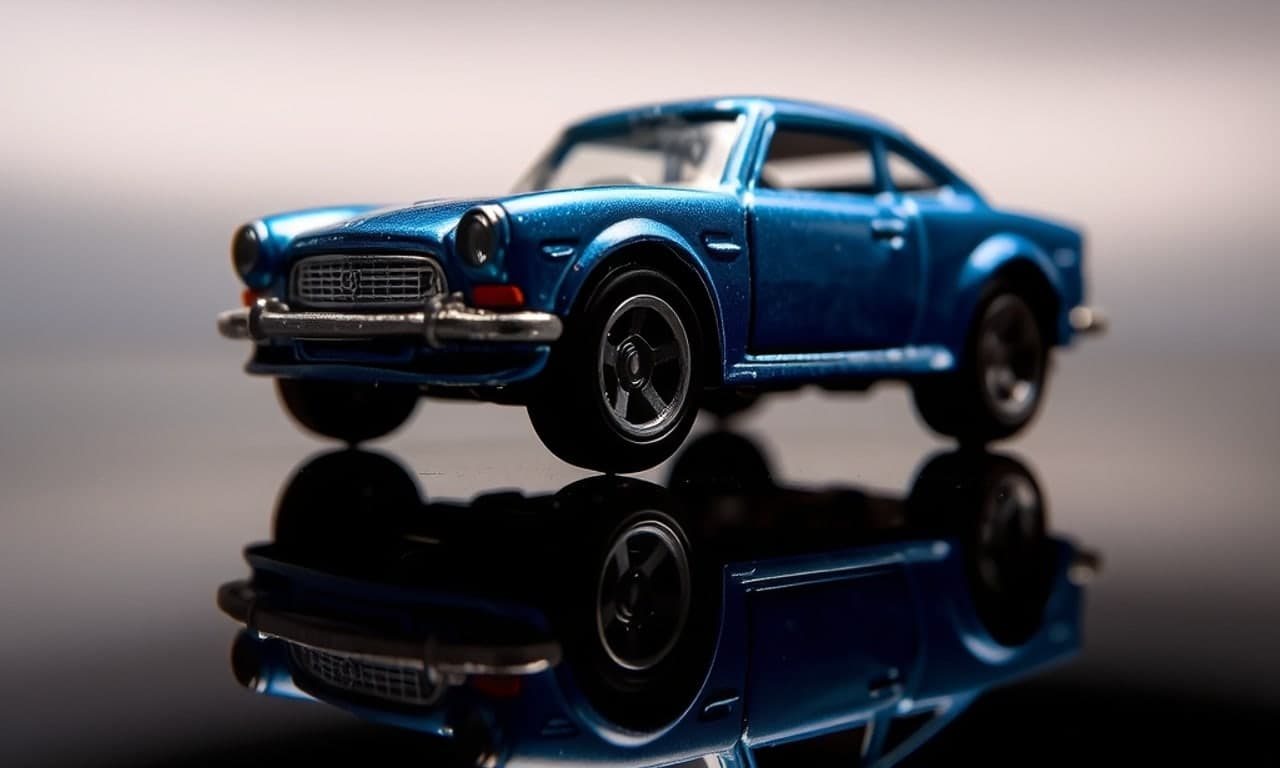
Every time a new Elite 64 drop goes live, our inbox fills with the same question. Is this thing going to hold its value, or am I lighting money on fire? Fair question. Elite 64 sits in a weird spot in the Hot Wheels lineup. It is not mainline cheap, it is not RLC exclusive rare, and it is not a full premium set you can complete at retail. So collectors want to know where it lands on the value spectrum before they commit. We have been buying, trading, and watching these releases since the line kicked off, and we pulled together what we have seen so far.
What Elite 64 Actually Is (And Why That Matters For Value)

First, some grounding. Elite 64 is a premium Hot Wheels line aimed at adult collectors, sold mainly through Mattel's own channels rather than sitting on a big box peg. The cars come in a display-style package, they use premium detailing, and the production runs are generally smaller than a mainline case assortment. That combination is exactly what makes collectors start whispering about value. Limited-ish supply plus premium build equals potential upside, right?
Not always. Here is the thing. Elite 64 is not a numbered RLC release with a hard cap that sells out in minutes. It is closer to a premium collector product with a defined release window. That distinction matters enormously for value. RLC cars spike because the run is small and the sellout is instant. Elite 64 cars are more accessible, and accessibility is the enemy of scarcity premiums.
So the honest answer up front. Some Elite 64 releases hold their value well. Some trade near retail for a long time. A few have softened below what people paid. It depends on the car, the casting, and the timing. Anyone telling you the whole line is a guaranteed investment is selling you something.
The retail anchor
Elite 64 cars launch at a premium price point, well above a standard premium single. That higher entry price sets a floor of sorts. Collectors who paid full retail are rarely eager to dump a car at a big loss, so you do not see the brutal crashes you get with overproduced mainlines. The flip side is that the retail price is already high enough that there is less headroom for a dramatic run-up. You are not buying a 1 dollar mainline that becomes a 40 dollar car. You are buying an already expensive car and hoping it becomes a somewhat more expensive car.
What Actually Drives Elite 64 Value

After watching a stack of these move through the community, a few clear patterns show up. Value on Elite 64 cars tends to track these factors, roughly in this order of importance.
- Casting popularity: a beloved real-world car or a fan-favorite Hot Wheels model pulls demand that a random fantasy casting never will. Tooling and detail: Real Riders wheels, sharp deco, and clean proportions move the needle. Nobody pays a premium for a sloppy tampo. Release timing and sellout speed: a car that lingered in stock for weeks is not scarce. A car that vanished fast has a story. Package condition: mint cards with sharp corners and intact blisters command more, the same as any premium line. Color and variant interest: a standout colorway or a casting debut can lift a car above its siblings.
Notice what is not on that list. Hype alone. We have watched hyped releases settle back down once the initial rush faded, and we have watched quiet releases climb slowly because the casting was genuinely good and the supply thinned out. Slow and boring beats loud and flashy more often than people expect.
Collector tip: before you chase any Elite 64 car on the secondary market, check how long it stayed in stock at launch. A long shelf life usually means a soft secondary market. Fast sellouts are where the premium lives.
Where Elite 64 Holds Up, And Where It Doesn't
Let us get specific about the categories, because broad statements are useless when you are staring at a listing trying to decide whether to pull the trigger.
The strong holders
The releases that hold value best share a few traits. They feature a casting collectors genuinely love, they sold out relatively quickly, and they look great in the package. When all 3 line up, you see these cars trading at a meaningful premium over retail, and that premium tends to stick. These are also the cars that stay in collections rather than getting flipped, which keeps supply tight on the secondary market. Scarcity is partly manufactured and partly behavioral. Collectors who love a car simply do not sell it.
The flat performers
A large chunk of Elite 64 releases land in the flat zone. They trade close to retail, sometimes a little above, sometimes a little below, and they stay there. This is not a failure. It is the normal outcome for a well-made premium car with decent but not explosive demand. If you bought it because you liked it, you are fine. If you bought 5 to fund your retirement, you are going to be disappointed. We have seen plenty of these sit in listings at retail price with no takers, and that tells you everything.
The soft ones
Some releases soften below retail. Usually it is a less popular casting, a colorway that did not land, or a release that stayed available long enough that nobody felt urgency. When that happens, patient buyers can pick them up at a discount, which is actually a nice opportunity if you genuinely wanted the car. It is a bad outcome only for people who bought to flip. This is the part of the line that reminds you these are toys made in volume, not limited art.
The Package And Condition Factor
This is where experienced collectors separate themselves. Elite 64 cars come in display packaging, and that packaging is part of the value. A car with a crushed corner, a scuffed window, or a dinged display box loses appeal fast. We have watched identical cars sell at noticeably different prices purely because one had a clean package and the other looked like it survived a shipping accident.
If you are buying to hold, treat the package like part of the car. Store it out of direct sunlight, keep it away from humidity, and do not stack heavy stuff on top of it. The display format is a big part of why people want these in the first place, so a damaged box undercuts the whole point. Same discipline you already apply to keeping card corners sharp on your premium singles.
Collector tip: when a car arrives, inspect the blister seal and box edges before you file it away. If it is damaged, decide right then whether to keep it or move it. Waiting a year to notice a crushed corner is how collectors eat losses.
Should You Buy Elite 64 As An Investment?
We will be blunt, because you deserve a straight answer. Elite 64 is not an investment vehicle in any serious sense. It is a premium collectible line with some cars that appreciate modestly and many that do not. If your goal is to make money, the math is rough. You are paying a premium retail price, you are competing with other collectors on the secondary market, and you are dealing with shipping, fees, and the risk of package damage on every transaction.
But here is the other side. If your goal is to own well-made 1/64 cars that look great on a shelf and hold most of their value over time, Elite 64 is a solid choice. Most of these cars do not crater. They hold near retail, and the good ones climb. That is a reasonable outcome for a hobby purchase. You are not going to retire on them, but you are also not going to be stuck with a box of worthless plastic.
The collectors who do best with Elite 64 are the ones who buy what they love and let value take care of itself. The ones who struggle are the ones buying 4 of everything hoping for a payday. We have seen both types, and the first group is a lot happier.
A practical approach
If you want to be smart about it, here is what we suggest. Buy 1 to keep and enjoy. If a release is clearly special, a beloved casting with a fast sellout, consider a second one to hold. Track what you paid and what things are trading for over time, using our price history as a reference point alongside your own notes. Do not chase every drop. Do not overpay on day 1 of the secondary market when the hype is loudest. Patience usually wins with this line.
- Buy the casting you actually like first, value second. Keep packaging mint and store it properly. Watch sellout speed as your best early signal of demand. Avoid panic buying right after a drop goes live. Let the market settle for a few weeks before you decide to add a second copy.
The Honest Verdict
Do Elite 64 cars hold their value? Mostly yes, in the sense that they do not collapse. Some hold and grow, many hold flat, a few soften. That is a healthier picture than the doom-and-gloom crowd suggests and a more realistic one than the hype crowd wants you to believe. The line is a premium product with real collector appeal, not a lottery ticket.
Our advice after 2 decades of chasing diecast is simple. Treat Elite 64 as a hobby purchase that happens to retain value reasonably well. Buy the cars that make you smile when they hit the shelf. Take care of the packaging. Pay attention to which releases the community actually loves, because those are the ones that hold. And keep a little skepticism handy every time someone promises you the next big thing. That mindset has served us well, and it will serve you well too.
Frequently Asked Questions
Do Elite 64 Hot Wheels cars go up in value over time?
Some do, but modestly. The strongest releases, meaning popular castings with fast sellouts and clean packaging, can trade above retail and hold there. Many others stay close to retail. It varies by car, so there is no blanket guarantee.
Are Elite 64 cars a good investment?
We would not call them an investment. They are premium collectibles that tend to retain value reasonably well, but the retail price is already high and the secondary market margins are thin. Buy them because you enjoy them, not because you expect a big return.
What makes one Elite 64 release worth more than another?
Casting popularity, build detail like Real Riders wheels, how quickly it sold out, package condition, and colorway appeal all matter. When several of those line up, a release tends to hold a premium. When they do not, it usually trades flat or soft.