Every Hot Wheels Car: A Collector's Guide to the Ultimate Diecast Universe
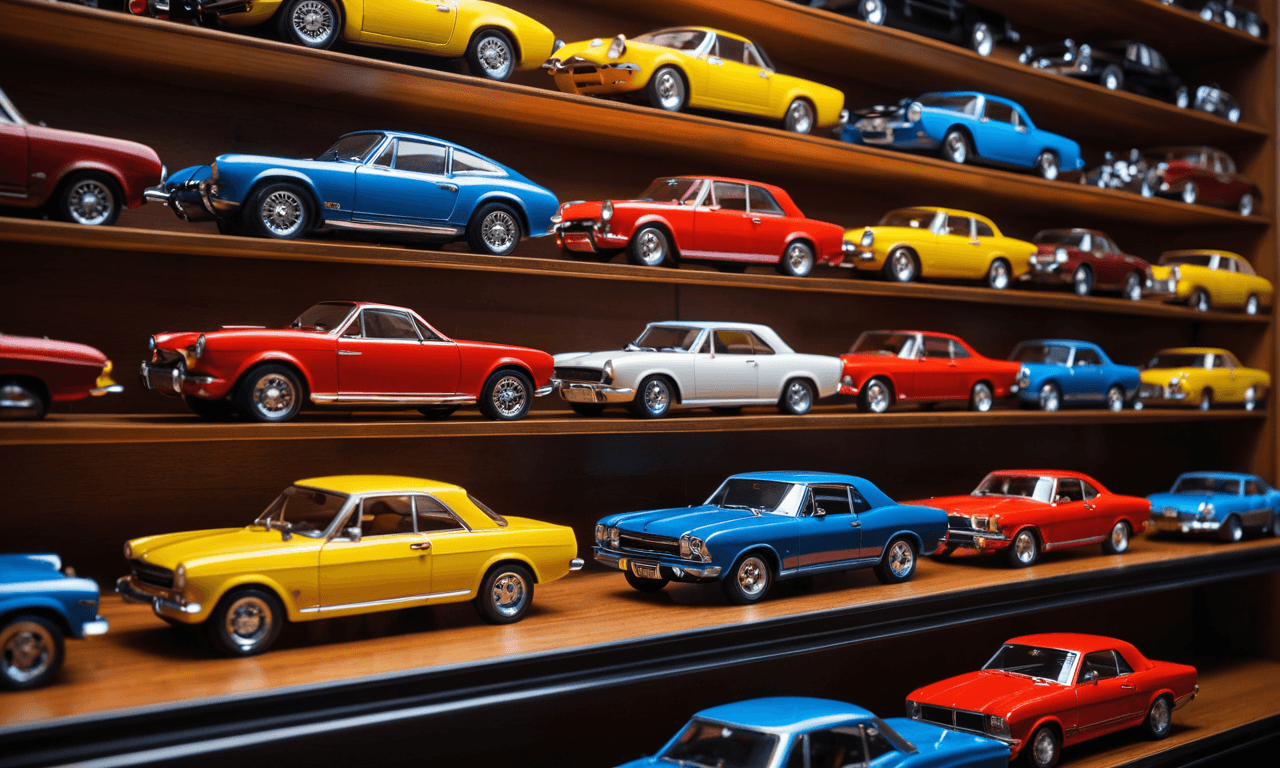
The Universe of Hot Wheels: More Than Just Toy Cars
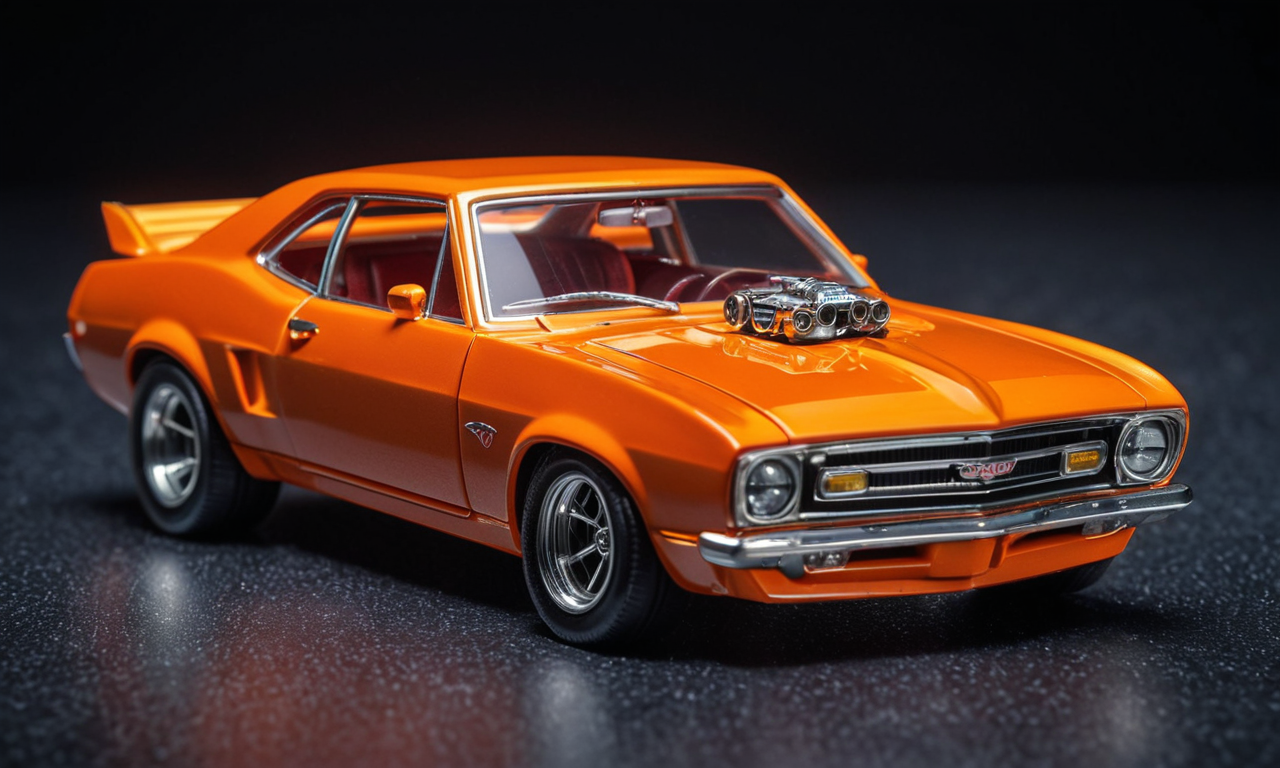
I still remember the first time I held a Hot Wheels car. It was a purple Custom Camaro, and the weight of it felt different from any other toy. That was back in the late 90s, but the feeling hasn't changed. Over the last two decades, I've dug through thousands of dump bins, flipped through pegs at every store from big box chains to flea markets, and traded with collectors who have been at it since the beginning. And the question I get asked more than any other is simple: how do you collect every Hot Wheels car?
The short answer is you don't. Not really. With over 20,000 different models and variations produced since 1968, no single person owns them all. But that's not the point. The real goal is understanding the scope of the brand, knowing what makes a car special, and building a collection that tells your own story. In this guide, I'm going to walk you through the major eras, the key series, and the little details that separate a casual collector from a serious one. By the end, you'll know exactly what to look for on the pegs and in the online listings.
The Original 16 and the Redline Era (1968 to 1977)
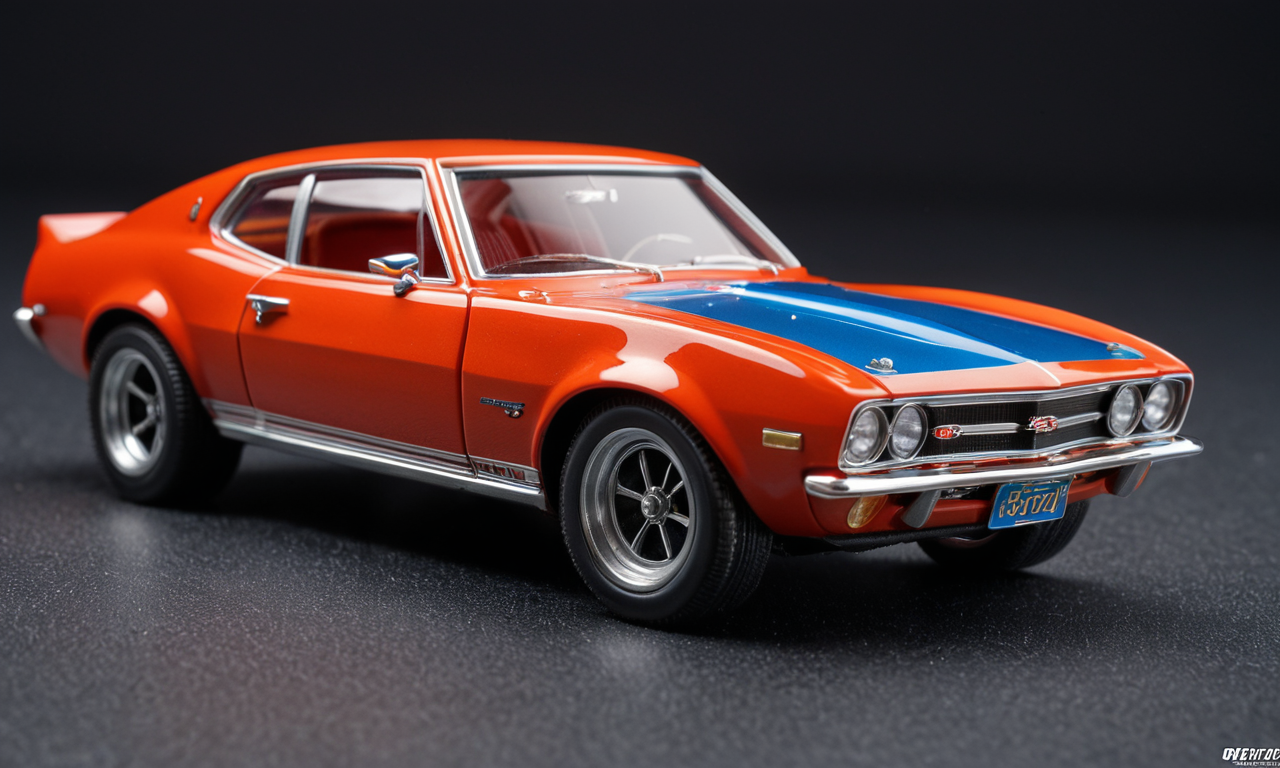
Every Hot Wheels story starts with the Original 16. In 1968, Elliot Handler, one of the founders of Mattel, wanted to create a line of toy cars that were cooler than the competition. He hired a team that included Harry Bentley Bradley and others to design cars with a California custom culture vibe. The first 16 cars included the Custom Camaro, the Custom Corvette, and the Beatnik Bandit. These cars had a special paint called Spectraflame, which was translucent and applied over a chrome base, giving it a shiny, almost jewel like finish.
The wheels on these early cars were thin and had a red stripe around the rim, which collectors now call redlines. These cars were not toys for the faint of heart. They were fast on the orange tracks, and they looked amazing in the package. The card art was simple but bold, with a red or blue background and a cutout showing the car. Finding one of these in decent condition today is like striking gold. Even a loose redline with chipped paint can go for a hundred bucks or more, and carded examples can fetch thousands.
The redline era lasted until 1977, and it saw the introduction of many iconic models. The Snake and Mongoose funny cars came out in 1970, and the Heavyweights and Flying Colors series added new variety. But by the mid 70s, the oil crisis and changing tastes forced Hot Wheels to evolve. The redline wheels were replaced by black wall tires, and many cars had more realistic designs. For collectors, the redline era is the holy grail, but you don't need to spend a fortune to appreciate it. You can start with a reissue from the Red Line Club, which brings back the old style with modern quality.
Collector tip: If you're hunting for redlines at flea markets, look for the Spectraflame paint. It has a deep glow that modern paint doesn't have. Also, check the wheels for a red or orange stripe. Many fakes have been made, so buy from a trusted seller or get a second opinion.
The Black Wall and the Golden Age of Castings (1977 to 1990s)
After the redlines, Hot Wheels entered a period that some call the black wall era, named after the black wheels that replaced the redline tires. The cars got more detailed, and the brand started using a wider variety of colors and tampos, which are the printed graphics on the car. In the early 80s, Hot Wheels introduced the Real Riders wheels, which had actual rubber tires. These were a big deal because they made the cars look more realistic and roll smoother.
The 80s also brought us the iconic Fast and Furious predecessor, the Street Freaks series, and the first fantasy castings. Fantasy cars like the Nightburner and the Demon were completely invented, not based on real vehicles. Some collectors turn their nose up at fantasy cars, but they are a huge part of Hot Wheels history. The 90s saw the introduction of the Treasure Hunt series, which started in 1995. These are regular mainline cars but with a special paint or variation, and they are produced in very low numbers. The first Treasure Hunt was the 1995 Camaro with a special paint job, and it set the stage for the modern chase culture.
For many collectors, the 90s and early 2000s are the golden age because they grew up with those cars. The card design changed over the years, and if you look at the bottom corner of the card, you can see the year of manufacture. But the real intrigue lies in the variations. A single car like the '95 Camaro might have been released in multiple colors, with different wheel types, or even with a different interior. The variations are what keep collectors digging through boxes for hours.
- Key things to check on any Hot Wheels from this era: 1. The year on the base and the card. 2. The wheels: standard plastic vs. Real Riders. 3. The presence of a Treasure Hunt symbol, which is a flame in a circle. 4. The card condition: no creases, no price tag damage, and a clean blister seal.
Modern Hot Wheels: Mainlines, Premiums, and the Hunt
Today, Hot Wheels produces more than 500 million cars a year. The mainline series is the bread and butter, with new cars coming out in waves throughout the year. Each year has a case code, like A through Q, and each case contains a mix of models. When you see a fresh case on the pegs, that's the moment to grab any Treasure Hunts or Super Treasure Hunts that might be hidden inside. Super Treasure Hunts, also known as $oup, have a TH symbol on the car and a gold flame on the card. They use Real Riders wheels and Spectraflame paint, which makes them stand out from the regular mainline versions.
Beyond the mainlines, there are premium lines like Car Culture, Boulevard, and Team Transport. These have better detailing, rubber tires, and a higher price point, usually around $5 to $6. They are not as hard to find as chases, but they still sell out quickly. For the hardest core collectors, the Red Line Club (RLC) offers limited editions that are produced in small numbers and sold exclusively online. These can be highly collectible, but you need a membership to buy them.
Peg hunter wisdom: Always check the back of the pegs. Sometimes a new case gets shoved behind older cars. Also, feel the cards. A Super Treasure Hunt has a heavier feel because of the rubber tires. Learn to recognize the weight difference, and you might find one that was missed.
Limited Editions, Exclusives, and the Global Market
Hot Wheels has always dabbled in collector focused releases. In the 1980s, there were the Hot Wheels Collectibles, which were gold plated and offered through mail order. Today, we have conventions exclusives, store exclusives, and international exclusives. For example, Walmart and Target often get exclusive colorways of popular cars that you can't find anywhere else. Other countries sometimes get different models or packaging, which makes them sought after by collectors who want a complete set.
One of the most important things to understand is that Hot Wheels is a global brand. A car that is common in the United States might be rare in Japan or Australia, and vice versa. This creates a vibrant import and export market. Online platforms like eBay and specialized forums have made it easier to trade across borders, but you need to be aware of shipping costs and authenticity. There are many counterfeit cars out there, especially for high value items like the 1968 Beach Bomb and the Rear Loading model, which is one of the most valuable Hot Wheels of all time.
When you are buying online, always read the description carefully. Look for clear photos of the card and the car. Ask questions about the condition, especially the condition of the card corners and the blister seal. If the seller refuses to provide extra photos, walk away. Most reputable sellers are happy to help.
Building Your Collection: Strategies and Tips
So, how do you collect every Hot Wheels car? You don't, but you can collect every car that matters to you. Some collectors focus on a specific casting, like the Custom Camaro or the Deora. Others chase all the Treasure Hunts from a year. Many prefer to collect only real cars, skipping the fantasy models. The key is to find a niche that keeps you excited.
If you are just starting, don't feel pressured to buy everything. Pick a theme: maybe you love old school muscle cars, or maybe you love JDM imports. Start with a budget, because it's easy to overspend. Use online databases like the Hot Wheels Wiki or the Collectors Wiki to track your collection and learn about variations. And most importantly, set a goal. Do you want to collect every car from the year you were born? Do you want to find every Super Treasure Hunt from the current year? Having a goal will guide your purchases.
- Ways to grow your collection: 1. Hit the stores on truck day, usually midweek. Ask employees when they stock. 2. Join local collector clubs or online groups to trade extras. 3. Attend toy shows and conventions. You can find rare cars and meet people who share your passion. 4. Don't ignore the dump bins. You might find a hidden gem at the bottom.
A final word on card condition. I know a collector who only buys carded cars with perfect corners. He misses out on many great deals because he is too picky. But that is his choice. Decide for yourself if you are a loosie or a carded collector. Loose collecting is more affordable and lets you appreciate the casting from every angle. Carded collecting preserves the car as it was bought, but it takes up more space and costs more. There is no wrong way.
Frequently Asked Questions
Question 1: What is the rarest Hot Wheels car? Answer: The rarest is often cited as the 1969 Pink Rear Loading Beach Bomb, a prototype that was never mass produced. Only a handful exist, and they have sold for over $100,000 at auction. But among regular production cars, the 1995 Treasure Hunt Camaro is highly sought after, with only around 10,000 made.
Question 2: How can I tell if a Hot Wheels is a Treasure Hunt? Answer: Look for a flame symbol on the card. For Super Treasure Hunts, the flame is gold and the car has a TH logo somewhere on it. In some years, the regular Treasure Hunt does not have a visible symbol, but it is listed in the collector guide. Check online databases for the current year's list.
Question 3: What is the best way to store my Hot Wheels? Answer: If you keep them carded, store them in plastic protector cases to prevent damage. Keep them out of direct sunlight to avoid fading. For loose cars, use display cases or keep them in small plastic bins. Avoid humid areas to prevent rust on the bases.