The Ultimate Hot Wheels Color Variations Database By Model Year

How Model Year Tracking Started to Matter
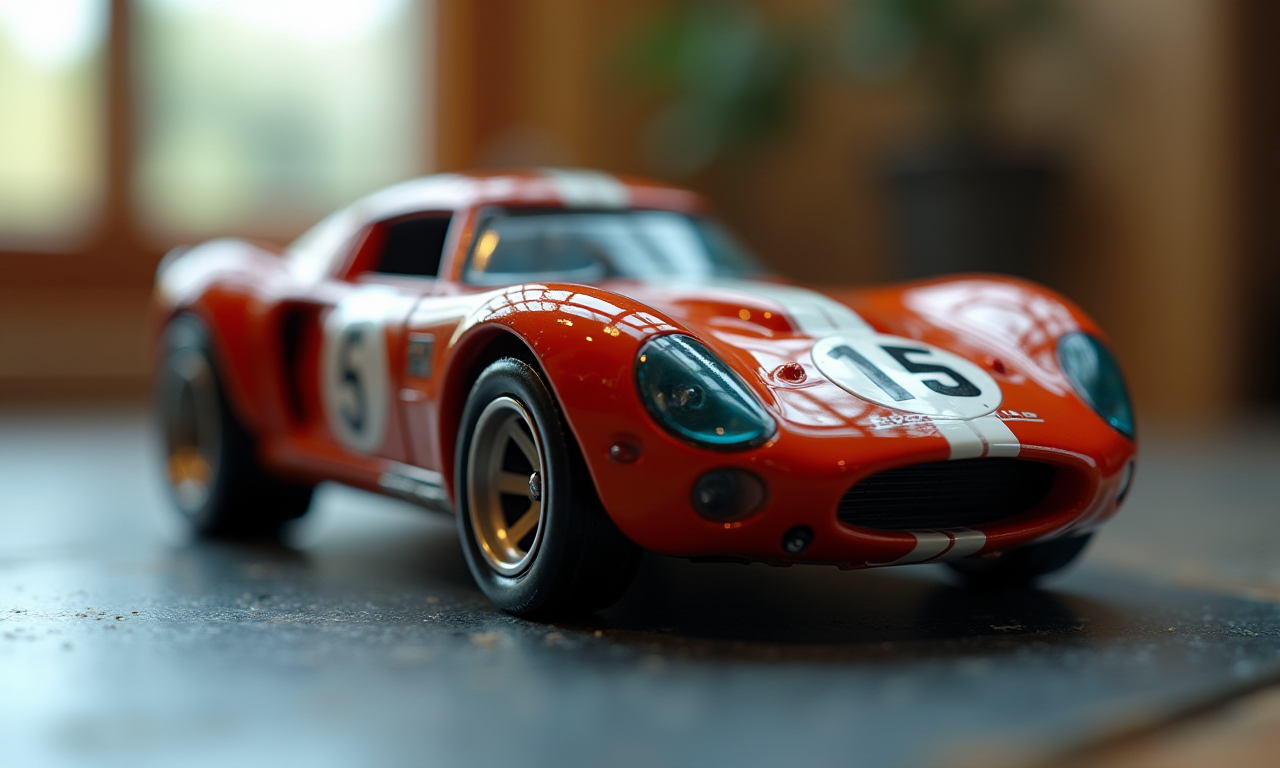
I have been tracking diecast since the late 90s. Back then we just grabbed whatever looked cool at the checkout line. Things changed fast once Mattel started releasing limited runs and special paint schemes. You quickly learn that a casting name means very little without the exact year and case code. The difference between a common red paint job and a rare Spectraflame finish can be a single week of production. I spent my first decade chasing loose cars. Then I switched to carded hunting. That is when the real work began. You start noticing how blister seals degrade over time. You learn to check card corners for softening. You realize that factory fresh condition directly impacts resale value. Model year tracking became essential because Mattel reuses casting names constantly. A 2004 T Bird isn't the same as a 2015 T Bird. The chassis differs. The paint codes differ. The tires differ. Building a database forces you to slow down. It stops you from buying duplicates. It helps you spot production errors before the secondary market catches them.
I keep a strict rule for my own collection. Never buy based on a blurry phone photo. Always request clear shots of the base and the back of the card. That simple habit saved me from countless fakes and misidentified variations. The hobby rewards patience. It rewards attention to detail. You will see patterns emerge once you start logging every car by year. Some years favor bright primary colors. Other years lean toward metallics and gloss blacks. Knowing which era produced which variations gives you a massive advantage during peg hunts. I remember hunting for early 2000s Camaro Z28 releases with original white tires before the Real Rider transition. Those early runs hold strong value today. The 2005 to 2009 period also saw a rise in promotional color swaps. Mattel would send out special paint jobs to trade shows or specific retail partners. Those cars rarely made it to general store shelves. Tracking them requires digging through old press releases and archived collector forums. I spent months verifying a single 2008 promo variation by cross referencing case codes from three different regions. The effort paid off when that casting sold for ten times its original cover price.
Reading the Case Code and Predicting Color Shifts
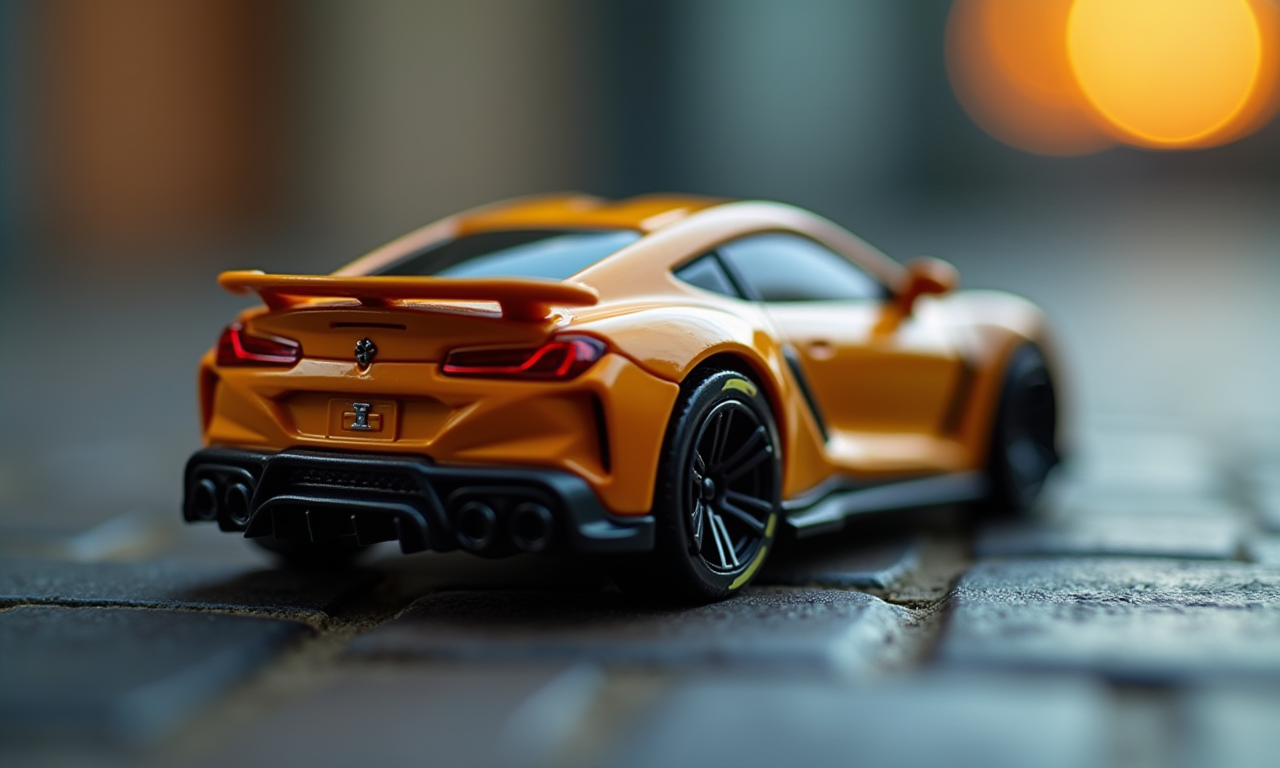
The Basics of Case Code Structure
Every Hot Wheels card carries a hidden timeline. That timeline lives in the case code printed on the back. The format usually starts with a year digit followed by a number indicating the production week. You will also see a letter that points to the manufacturing plant. This tiny string of characters tells you exactly when and where your car left the factory line. I use this information to map out color changes. Mattel often runs a casting in one paint scheme for three weeks. Then they swap to a different color for the next batch. If you know the case code breakdown, you can predict which variations exist for any given release. I track these shifts in a simple spreadsheet. I log the casting name, the model year, the case code, and the exact paint finish. This method removes guesswork. It also helps me identify mid year changes that most casual buyers miss. Plant locations matter too. Mexico and Thailand factories sometimes produce slightly different base finishes or wheel styles for the exact same case code. Logging that detail prevents trading mistakes later.
- Check the first digit to confirm the release year. Look at the second and third digits to find the exact production week. Note the final letter to track plant specific differences. Compare multiple case codes for the same casting to spot color transition points. Record any wheel style swaps that happen between consecutive weeks. Flag error cards or misaligned blisters immediately for verification.
Always photograph the case code before storing your card. Blister shrinkage and card warping can make that text nearly unreadable five years down the road. A clear digital backup saves countless hours of guessing.
Major Color Variation Eras and Their Patterns
Early 2000s to 2010 Shifts
The first decade of the new millennium established many rules we still follow today. Mattel introduced Spectraflame finishes to reward dedicated collectors. Those glossy, candy like coatings required special application processes. They appeared sparingly on mainline releases. You had to know which weeks produced them. Base color changes became another major tracking point. Zinc alloy bases shifted from chrome to black, then to color matched finishes. Tire variations also started appearing during this window. Standard rubber tires gave way to Real Riders on select castings. The switch affected weight, wheel design, and overall collectibility. I remember hunting for early 2000s castings with original white tires before the Real Rider transition. Those early runs hold strong value today. The 2005 to 2009 period also saw a rise in promotional color swaps. Mattel would send out special paint jobs to trade shows or specific retail partners. Those cars rarely made it to general store shelves. Tracking them requires digging through old press releases and archived collector forums. I spent months verifying a single 2008 promo variation by cross referencing case codes from three different regions. The effort paid off when that casting sold for ten times its original cover price.
2011 to Present Modern Casting
Production shifted again after 2010. Mattel standardized the Real Rider tire across almost the entire mainline. This change improved ride quality but reduced tire variation rarity. Color schemes became more complex. Metallic flakes, matte finishes, and two tone paint jobs entered regular rotation. The Treasures line and special series introduced even more experimental coatings. I treat these modern releases with the same case code discipline as the older years. The production windows are simply shorter now. A color change can happen within a single month. I also track wheel variations closely. Five spoke wheels, 5SP, and custom alloy designs often swap out mid run. These subtle differences create high demand in the secondary market. Many collectors focus only on the main paint color. That is a mistake. The wheel style and base finish complete the variation profile. I document every detail in my database. I also note any known defects or paint bleed issues that occurred during specific production weeks. Transparency keeps the hobby honest. It also helps new buyers avoid overpaying for flawed pieces.
- Monitor wheel style changes between consecutive case codes. Track base finish transitions from chrome to color matched metal. Note any promotional paint schemes that bypassed standard retail distribution. Record known production flaws tied to specific manufacturing weeks. Separate mainline releases from special series entries to avoid database clutter. Verify error cards with independent sources before listing them as rare.
Building Your Personal Variation Database
You do not need expensive software to track color variations. A basic spreadsheet works perfectly. I use columns for casting name, model year, case code, paint finish, base color, wheel type, and condition grade. I add a photo column for quick visual reference. Consistency matters more than complexity. I update the sheet after every shopping trip. I scan new additions immediately. This habit prevents data loss and keeps my records accurate. I also cross reference my entries with established collector resources. The Hot Wheels community maintains several archived lists that verify rare finishes. I never trust a single source. I always compare at least two independent databases before logging a variation as confirmed. Peg hunting requires speed and accuracy. You cannot afford to guess at the checkout counter. Your database should give you instant answers. Which case codes hold the Spectraflame finish. Which weeks produced the color matched base. Which variations sold out immediately. That information guides your spending. It keeps your collection focused and valuable.
Condition grading deserves its own tracking column. Factory sealed cards command premium prices. I grade every piece on arrival. I check for blister dimples, card edge wear, and corner softness. I note any blister seal cracks or factory tape residue. These details matter when trading or selling later. I store my database in the cloud and on two external drives. Hardware failure has ruined more collections than I can count. Redundancy protects your life work. I also keep printed backups for quick reference at swap meets. Digital tools are great, but a physical checklist never fails when the power goes out. Building this system took me three full years. I made mistakes early on. I logged unverified rumors. I overgraded borderline cards. Learning from those errors made my current database rock solid. You will make mistakes too. Just keep updating, keep verifying, and keep focusing on accuracy over speed. The market will always reward collectors who document everything properly.
FAQ
How do I verify a rare color variation before purchasing online. Request high resolution photos of the base, wheels, and case code. Compare those images against multiple trusted databases. Never rely on a single seller description. Ask for a clear shot of the back card to confirm the exact production week. Cross reference that week with known color run lists. If the seller cannot provide clear documentation, walk away. Verified photos protect your budget and keep your database clean.
Are Spectraflame finishes only found on special series cars. No. Spectraflame has appeared on mainline castings since the early 2000s. Mattel uses it sparingly to reward dedicated hunters. You will find these finishes mixed into regular retail cases. Tracking case codes is the only reliable way to separate Spectraflame runs from standard gloss paint. Mainline appearances remain highly sought after due to their lower production numbers. Always check the exact week before assuming a finish is common.
Should I clean blister seals before storing my cards. Absolutely not. Factory seals are part of the original packaging. Removing them or attempting to clean them destroys value. Use archival storage boxes and keep your cards in a climate controlled room. Fluctuating humidity causes blister shrinkage and card warping. Leave the factory packaging exactly as it arrived from the plant. Proper storage preserves both condition and future resale value.