The Hot Wheels Marketplace: A Collector's Guide to Buying, Selling, and Trading
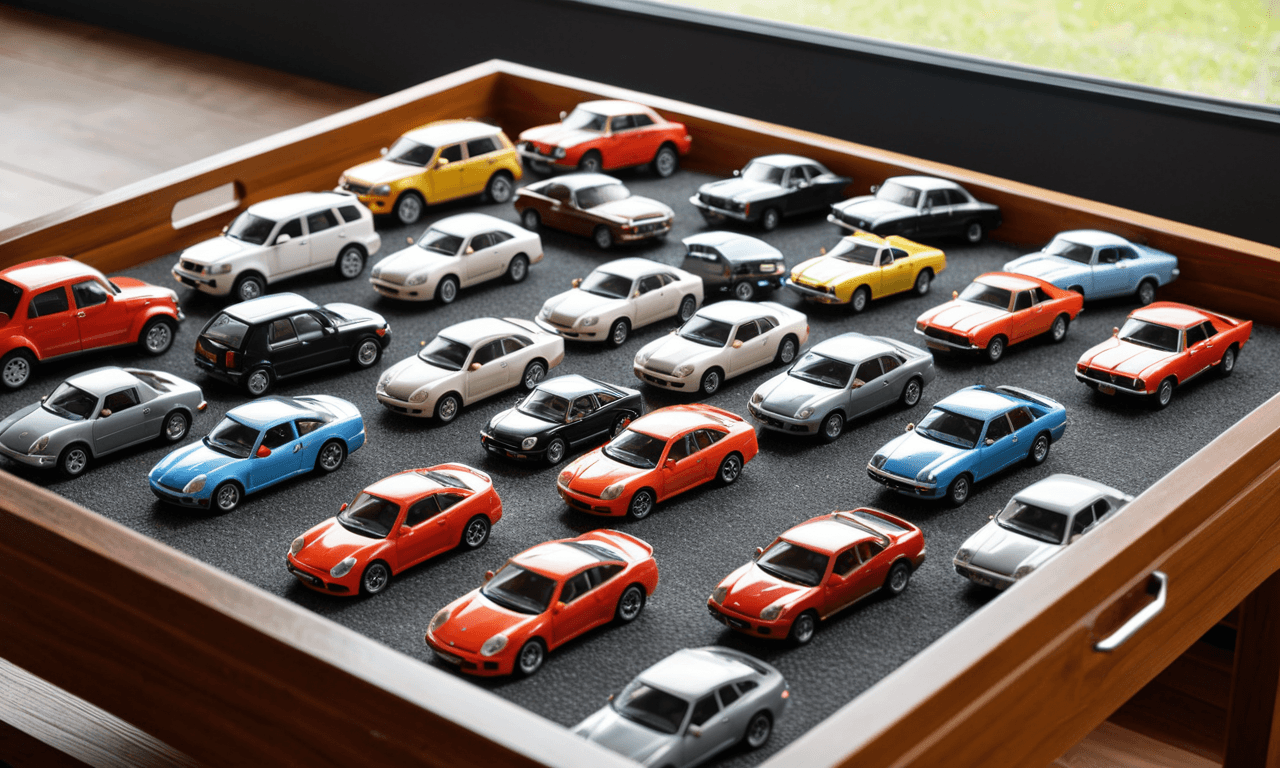
If you've been collecting Hot Wheels for any length of time, you know the thrill of the hunt isn't just at retail. The real action often happens in the secondary market, where rare finds, grail pieces, and everyday commons change hands. I've been buying, selling, and trading for over 20 years, and I've seen the marketplace evolve from local swap meets and printed newsletters to global online platforms. Whether you're looking to fill a gap in your collection or downsize, understanding how this marketplace works is key.
In this guide, I'll walk you through the major venues, how to assess condition, pricing strategies, and negotiation tactics. I'll also share some hard-earned lessons about avoiding scams and building a reputation. Let's dive in.
Where to Buy and Sell Hot Wheels
The first question is always: where do I go? The answer depends on what you're after and how much effort you're willing to put in. Here are the main avenues.
Online Marketplaces
eBay is the 800-pound gorilla. You can find almost anything, from common mainlines to rare Redlines. But it's also where you'll encounter shill bidding, undisclosed flaws, and inflated shipping. Always check seller feedback and ask for extra photos if needed. Other platforms like Facebook Marketplace and dedicated collector groups on Facebook offer more direct communication. You can often negotiate and get better deals, but you're relying on the seller's honesty. There's also Whatnot for live auctions, which can be fun but risky if you get caught up in the moment.
Local Clubs and Swap Meets
Nothing beats face-to-face trading. Local Hot Wheels clubs often host monthly meets where you can inspect cars in person, haggle, and build relationships. Swap meets are great for finding deals on bulk lots and older pieces. I've scored some of my best finds at local shows, including a Spectraflame pink Beatnik Bandit for a fraction of its online price because the seller didn't want to deal with shipping.
Online Forums and Social Media
Reddit's r/HotWheels and various Discord servers are active trading hubs. Instagram and TikTok have also become places to buy and sell, especially for custom and premium pieces. These platforms are more informal, so use PayPal Goods and Services for protection. I've made lasting friendships through these communities, but I've also seen people get burned by not following basic precautions.
Tip: Always ask for a timestamped photo when buying online. It ensures the seller actually has the item and isn't using a stolen image.
Grading Condition: The Collector's Eye
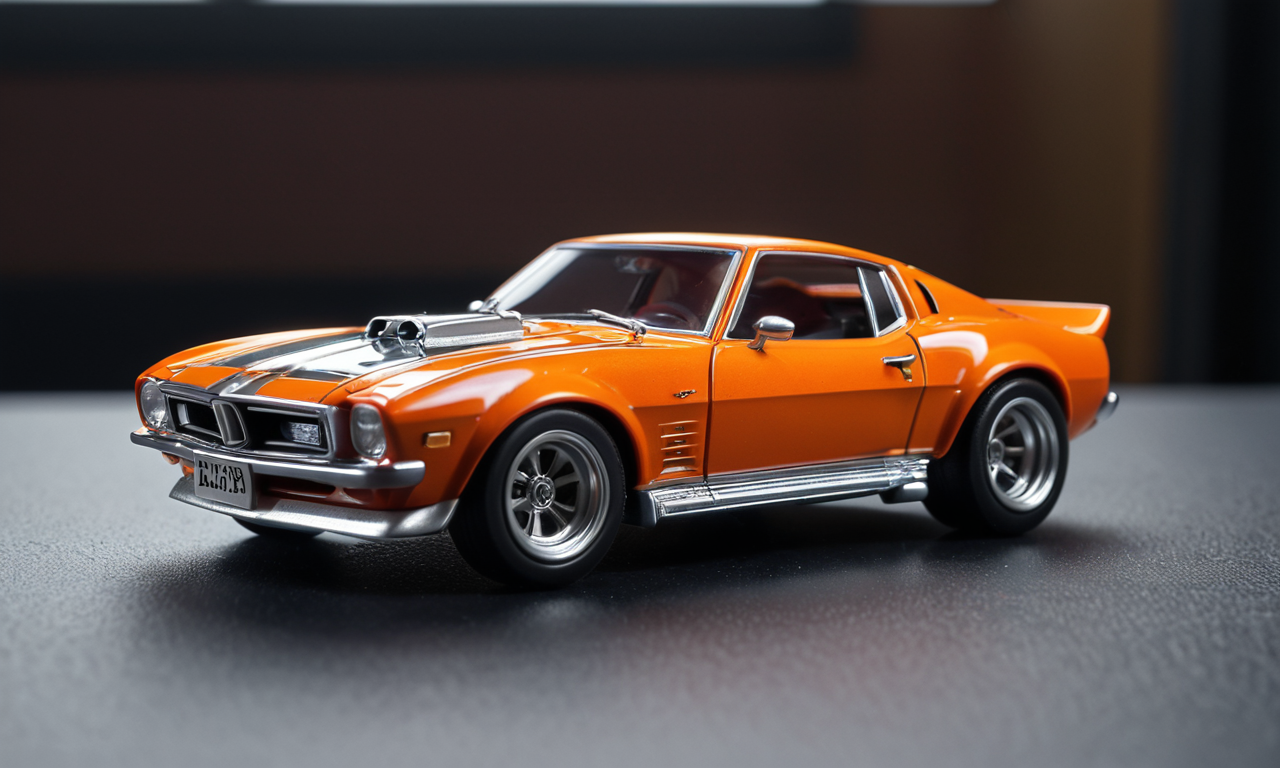
Condition is everything in this hobby. A mint car can command 10 times the price of a beat-up one. But grading is subjective, so you need to know what to look for and how to describe flaws accurately. Here's a breakdown of key areas.
Card and Blister
For carded cars, the cardboard and blister are crucial. Check for creases, bends, corner wear, and discoloration. A sharp corner is a good sign. The blister should be clear and securely sealed. Yellowing or cracks in the blister reduce value. If the car is unpunched and the card is straight, you're in business. I always inspect the seal for signs of tampering, especially on high-value pieces.
Loose Cars
Loose cars are graded on paint, wheels, and base. Look for chips, scratches, and touch-ups. Original wheels should be intact and free of flat spots. For Redlines, the wheels should be shiny and the paint should have that deep Spectraflame finish. Real Riders have rubber tires that can dry out and crack over time. Check the base for cracks or warping.
Common Grading Terms
- Mint: Perfect condition, no flaws.\nNear Mint: Minor flaws, like a small corner softness.\nExcellent: Some wear, but still displays well.\nGood: Noticeable wear, but complete.\nFair/Poor: Heavy wear, may be missing parts.
Be honest when selling. If you hide a flaw, you'll get a return and a bad reputation. When buying, ask for detailed photos and don't be afraid to ask questions.
Pricing: What's It Worth?
Pricing Hot Wheels is part art, part science. The same car can sell for wildly different amounts depending on condition, timing, and platform. Here's how to figure out a fair price.
Research Recent Sales
eBay's sold listings are your best friend. Look at completed sales, not asking prices. Filter by condition and check shipping costs. For rare pieces, check auction houses like Hake's or online forums. I keep a spreadsheet of recent sales for my focus areas, which helps me spot trends.
Factors That Affect Value
- Rarity: Production numbers, exclusivity, and errors.\nCondition: As discussed, mint cards and cars command premiums.\nDemand: Popular castings and series fluctuate.\nProvenance: A car from a known collection can fetch more.\nTiming: Prices can spike when a new movie or series drops.
Remember that Hot Wheels is a mass-produced toy. Most mainlines are worth a dollar or two. But certain Treasure Hunts, Super Treasure Hunts, and vintage Redlines can be worth hundreds or thousands. Don't assume every old car is valuable.
Tip: Use the 'sold' filter on eBay and sort by date. Look at the last 3 months of sales to get a current value.
Negotiation and Trading Etiquette
Whether you're haggling at a swap meet or messaging on Facebook, negotiation is part of the game. But it's not just about price. It's about building trust and making fair deals. Here's how I approach it.
Know Your Limits
Before you start, decide on your maximum price and walk away if it's exceeded. Emotions can run high when you're chasing a grail, but overpaying leads to regret. I've seen collectors drop 4 figures on a car that later dropped in value because they got caught up in the moment.
Be Respectful
Lowballing is a quick way to sour a deal. If you're buying, make a reasonable offer based on comps. If you're trading, be clear about what you're offering and what you want. In trade scenarios, both parties should feel good about the swap. I've done trades where I gave up a car I valued less for one I wanted more, and both of us walked away happy.
Communicate Clearly
When messaging, be concise and specific. Include photos, condition details, and your asking price or trade proposal. If you're selling, respond promptly. If you're buying, ask all questions upfront. Avoid vague terms like 'mint' unless you can back it up.
Tip: When trading, always use a middleman for high-value deals. Many collector groups have trusted moderators who can facilitate.
Avoiding Scams and Protecting Yourself
Unfortunately, the Hot Wheels marketplace has its share of scammers. From fake Redlines to non-payers, you need to protect yourself. Here are some red flags and best practices.
- Too good to be true: A rare car at a fraction of market value is likely a scam.\nNew accounts with no feedback: Be cautious, especially for high-dollar items.\nRequests for payment outside of platform: Always use a protected method.\nPressure to act fast: Scammers often create urgency.\nBlurry or stolen photos: Ask for a timestamped photo.
For online sales, use PayPal Goods and Services or a credit card that offers buyer protection. For in-person meets, meet in a public place and bring a friend if possible. I've never had a deal go bad in person, but I've heard stories.
FAQ
Q: What's the best platform to sell Hot Wheels?\nA: It depends on your goals. eBay has the largest audience but high fees. Facebook groups and local meets have lower fees and more direct interaction. For rare pieces, consider specialist auction sites.
Q: How do I know if a Hot Wheels car is valuable?\nA: Check recent sold listings on eBay for the exact car and condition. Look for rarity indicators like Treasure Hunt logos, Spectraflame paint, or Redline wheels. But remember, most mainlines are common.
Q: Should I get my Hot Wheels graded?\nA: Professional grading (like AFA or VGA) can increase value for high-end pieces, but it's costly and takes time. For most cars, it's not worth it. If you have a mint Redline or rare prototype, it might be worth considering.