The Real Talk: How Much Is My Hot Wheels Worth? (A No-Nonsense Pricing Guide)
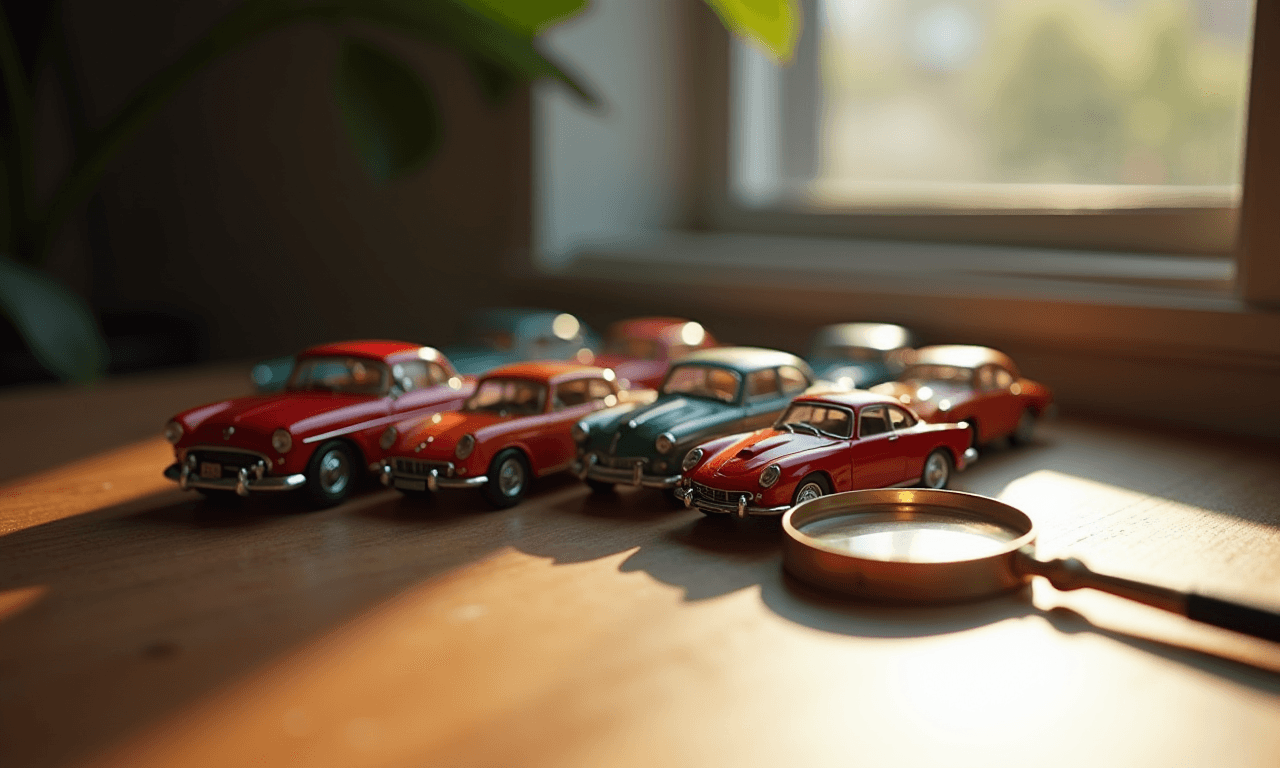
The Hard Truth About Modern Hot Wheels Values
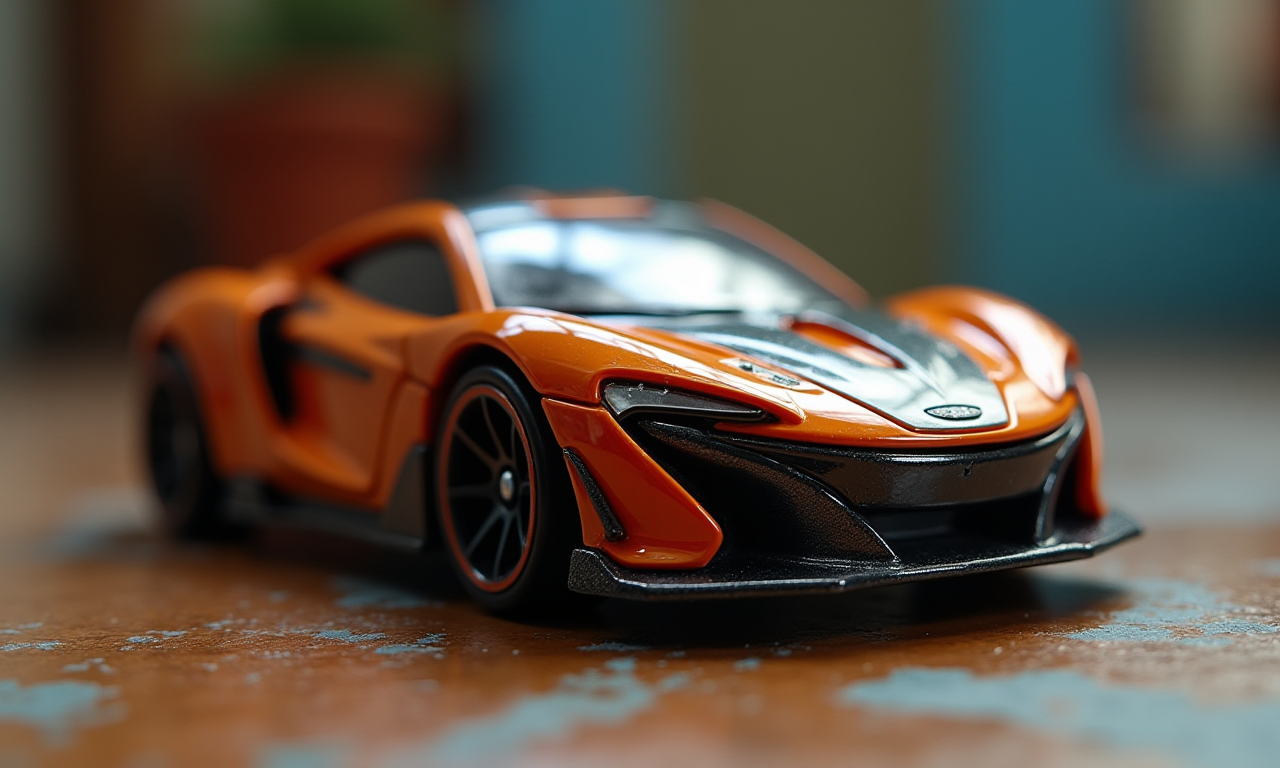
I have been peg hunting and shelf hunting for over 20 years. I have watched the market shift from garage sales to online auctions. I have seen prices swing wildly based on trends rather than actual scarcity. If you are asking how much your collection is worth, the answer usually stings. Most Hot Wheels cars are worth very little on the secondary market. The brand produces millions of units every year. Production runs for standard mainline models often exceed 100000 units. When supply stays high, prices stay low. You cannot force a market to pay retail for a car that sits in bulk at discount stores. The only cars that hold serious value are early vintage releases, limited production runs, or pristine condition examples of highly sought after modern models. Everything else follows the rules of basic economics. You get what you pay for. The secondary market reflects reality, not nostalgia. I will show you how to separate fact from fiction so you can value your stash accurately.
The Condition Checklist That Actually Matters
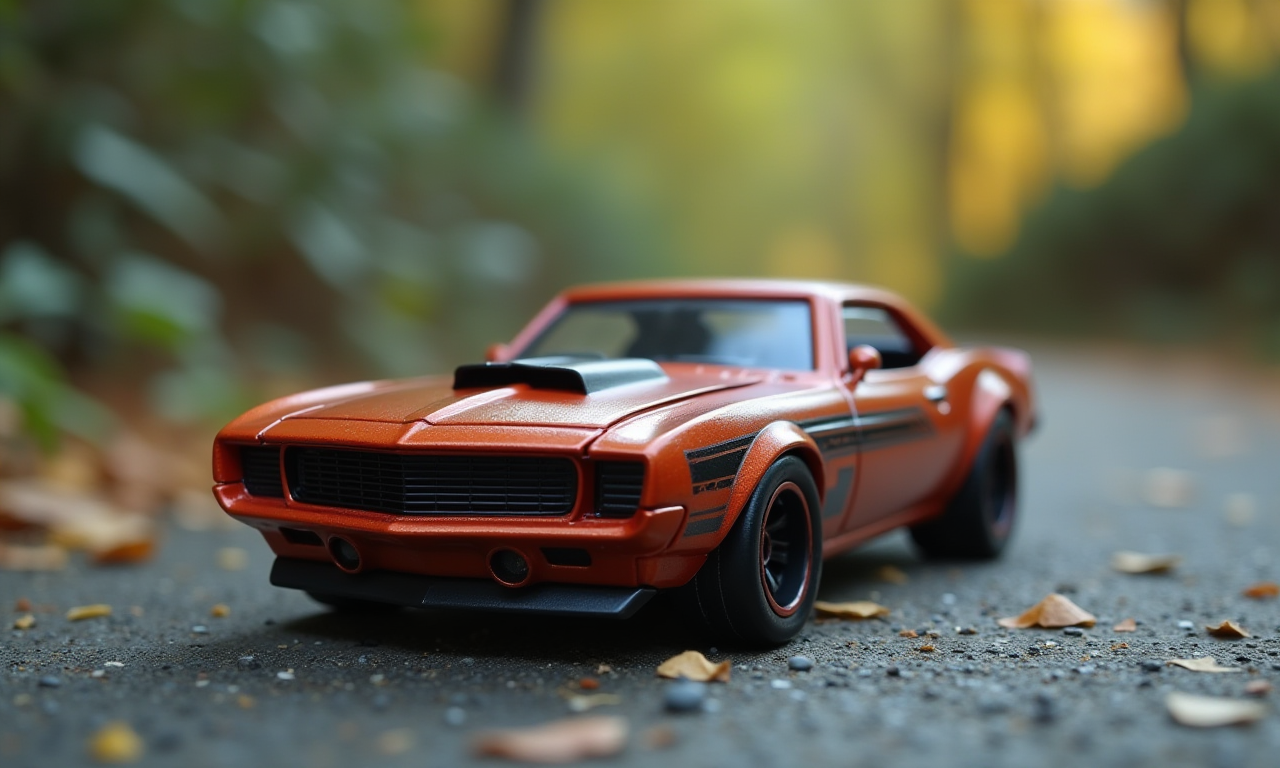
Condition dictates price more than any other factor. A car with a bent base or a torn card will never command top dollar. The market is ruthless about imperfections. You need to examine every piece under good lighting. Look closely at the cardboard backing. Check for soft edges, corner dings, and color fading. Examine the plastic blister for scratches, cloudiness, or separation from the card. Inspect the metal base for paint chips, rust, or loose wheels. These details matter to serious buyers. They will deduct value for every flaw they spot. You must be honest about the state of your cars. Grading your collection accurately saves you from embarrassing pricing mistakes. I break down the specific areas you need to inspect before listing or trading.
Card, Blister, and Base Details
Start with the card corners. They take the most abuse during shipping and handling. Even a 1 millimeter fold drops the grade from mint to near mint. The blister seal should be tight and uniform. Gaps or lifting plastic indicate age or poor storage. Wipe the blister gently with a microfiber cloth to check for deep scratches. Cloudy plastic usually means the blister has been stored in direct sunlight or near heat sources. Move to the base. Look for paint wear on the wheel wells. Check the rear window area for transfer marks from the blister. Examine the wheels themselves. Real Rubber tires should be firm and free of cracks. Metal wheels should spin smoothly without wobble. A loose wheel or cracked tire drastically reduces appeal. Document every flaw with clear photos. Buyers appreciate transparency. It builds trust and speeds up sales.
The Spectraflame and Real Rider Reality Check
Spectraflame paint looks stunning but it does not automatically mean high value. The finish debuted in 1968 and returned in various waves over the decades. Modern Spectraflame cars appear frequently in the mainline. You will find them on standard pegs at big box stores. The Real Rider rubber tire platform followed a similar path. It started as a premium feature and eventually became standard equipment on many releases. Collectors sometimes overpay for these features when they are plentiful. Rarity drives value, not just finish type. A Spectraflame car from a 500000 unit run is worth the same as a standard gloss finish car from the same run. Focus on production numbers and condition first. Treat special finishes as bonus points, not price multipliers. The market has priced these features accurately over the last 15 years.
- Check production run estimates before buying
- Verify condition under bright LED lighting
- Compare sold listings instead of asking prices
- Ignore hype videos that ignore supply data
- Store cars away from direct sunlight and humidity
How to Read Case Codes and Production Years
Case codes tell you when and where a car was manufactured. The format is straightforward. The first 2 digits show the year. The next 2 digits show the week of production. A code like 2401 means the car rolled off the line in week 1 of 2024. You will find the code stamped on the metal base or printed on the card. Some older cards list the code in the corner. Case codes help you track production timelines and spot early variations. They do not guarantee rarity. A car made in week 3 of 2024 might have the exact same production run as one made in week 40. Mattel often adjusts assembly lines throughout the year. You might see changes in paint shades, base colors, or wheel types. These variations happen naturally. They are not always intentional limited releases. I recommend using case codes to build accurate timelines for your collection. Do not assume an early code means higher value. Verify with official production data and collector databases.
Tip: Never rely on a single source for case code information. Cross reference multiple collector databases and official Mattel press releases. Production shifts happen quietly. Early codes sometimes get reprinted weeks later. Always verify with photos and community consensus before paying a premium.
Where to Find Accurate Pricing Without the Hype
Price guides and retail websites often list outdated or inflated numbers. They rarely account for actual transaction data. The real market lives in completed sales. You need to filter auctions by sold items only. Look at the final price after fees and shipping. This shows what buyers actually paid. Ignore listings that sit unsold for months. They reflect seller expectations, not market reality. Collector forums and dedicated Discord servers also share verified transaction logs. These communities track trends week by week. They report on sudden demand spikes and slow periods. I use multiple data points to set fair prices. I check sold listings, forum archives, and recent auction results. I average the data to find a realistic range. This method removes guesswork. It protects you from overpaying for hype or underselling rare finds. Patience pays off when you wait for clear market signals.
Auction Sites Versus Retail Listings
Auction platforms give you the clearest pricing data. You can see bidding wars and final hammer prices. Retail listings often sit stagnant. Sellers keep prices high hoping for a quick buyer. The gap between asking price and sold price can be massive. I always factor in shipping costs and buyer premiums when calculating true value. A car listed for 10 might actually cost 14 after fees and delivery. That changes the investment math completely. Some sellers also bundle cars to move inventory. Bundles can hide individual car values. I recommend buying singles when tracking market rates. It gives you cleaner data. Once you understand the baseline, you can spot genuine deals. You will also know when to walk away from overpriced inventory. The market rewards disciplined buyers who stick to verified numbers.
What Do You Pay For a Standard 2024 Mainline Car?
Standard mainline cars from recent years trade close to retail or slightly below. The market is saturated with fresh production. You can still find these models on pegs at major retailers. Secondary market prices rarely exceed 3 to 5 dollars unless the car has a verified rare variation. Some limited edition releases or special colorways might fetch higher prices. Those exceptions are clearly documented in collector databases. Do not expect sudden value jumps for common models. The production numbers simply do not support it. I recommend buying recent mainline cars for personal enjoyment or display purposes. Treat them as hobbies, not investments. If you want financial growth, focus on vintage pieces or proven limited runs with documented scarcity. Modern mainline cars are meant to be enjoyed, not hoarded for profit.
How Do I Verify a Rare Variation Without Guesswork?
Verification requires patience and cross referencing. Start by photographing every angle of the car and card. Zoom in on the base code, paint details, and wheel type. Compare your images against official Mattel press releases and trusted collector databases. Look for matching production notes and known variation lists. Ask experienced collectors to review your photos. Fresh eyes often catch details you miss. Beware of sellers claiming unverified rarity. Many stories about secret limited runs turn out to be marketing myths or simple production errors. The collector community has debunked countless false rarity claims over the years. Stick to documented variations with clear production records. If a variation lacks solid proof, treat it as a standard model. Verification protects your collection from inflated valuations and disappointing resale attempts.
Should I Open a Blister to Check the Base Condition?
Never open the blister if you plan to sell or trade the car. Opening the packaging instantly drops the value. Mint on card condition is the gold standard. Once you break the seal, the car moves to a lower grading tier. Most buyers will pay significantly less for opened items. You can inspect the base through the plastic without damaging the seal. Use a magnifying glass and bright lighting to spot base flaws. Check for paint chips, rust, or loose parts through the blister. If you must open a car for display, set it aside from your investment collection. Opened cars belong in display cases, not pricing guides. The market rewards preservation. Keep your investments sealed and stored properly. Use acid free storage boxes and climate controlled environments. This simple habit protects your long term value.