Spotting the Gold: A Veteran’s Guide to Identifying Super Treasure Hunts

The Origins of the Super Treasure Hunt
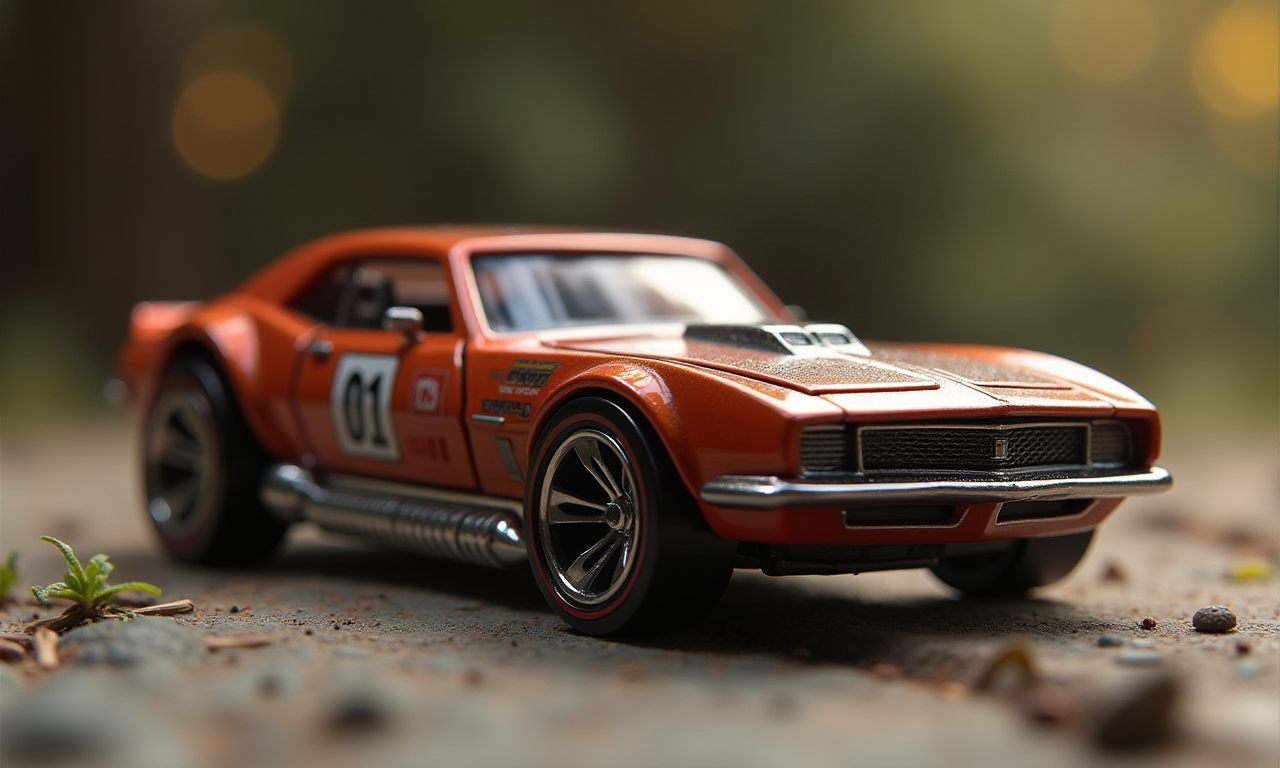
I started pulling cards from the peg in the early 2000. Back then, the gold star was just a fun bonus. It meant a special paint finish and a unique base. You did not need a magnifying glass to find them. They showed up regularly on the track. Everything changed when the Super Treasure Hunt arrived. Mattel decided to shrink the production numbers and hide them deeper in the cases. The gold star stayed, but the odds dropped dramatically. Now we are talking about a 1 in 1000 ratio for the mainline. That shift turned casual shopping into a full time hunt. I have spent two decades tracking these releases. I have learned that success comes from preparation and patience. You cannot rely on luck when the odds are stacked against you. The early days felt like a gold rush. Now it requires a systematic approach. I treat every trip to the store like a field operation.
Reading the Case Code and Tracking Production Windows

The case code sits on the back of every card. It tells you exactly when and where the car was made. The format follows a simple pattern. The first two letters indicate the production facility. You will see codes like TH for Thailand or MY for Malaysia. The next two digits show the year. The following two digits mark the week of production. The final letter often points to the specific line or variant. Super Treasure Hunts only appear during specific windows. Mattel usually drops them in the middle or late stages of a model run. You will never find a fresh Super Treasure Hunt in week 1 of a new model. I keep a spreadsheet of every case code I see at the store. I compare those dates against known production drops. If the week matches the rumored window, I pull the whole case. This method saves hours of blind checking. The data never lies.
How to Decode the Week Number
The week number dictates everything. Production cycles run on strict schedules. A model might start in week 12 and wrap up by week 35. The Super Treasure Hunt typically hides between week 20 and week 30. You need to watch for code jumps. Sometimes a case will show week 24 on the front and week 25 on the back. Those mixed code cases often hold the gold. I check the barcode area closely. The factory stamps the code right next to the price sticker. If you see a late week number on a common car, treat it like a prize. The odds shift heavily in your favor. I have pulled three Super Treasure Hunts from a single mixed code case in the last year alone. Tracking the calendar beats guessing every time. I also note the exact time I visit. Stores restock on Tuesday and Thursday mornings. Fresh cases arrive before the weekend rush. Timing your trip matters just as much as knowing the codes.
Visual Markers and Packaging Cues
You can often spot the gold before you even check the case code. The packaging tells a story. Super Treasure Hunts feature a distinct gold star on the front. It sits right above the model name. The star glows under store lighting. You will also notice the Spectraflame paint finish. This special coating uses a reflective pigment that shifts under different angles. It looks different from standard glossy paints. The wheels usually carry the Real Riders logo. These rubber tires provide better grip and a heavier feel. Mattel changed the wheel style a few times over the years. Early Super Treasure Hunts used clear color wheels with the logo inside. Later runs switched to black wheels with white Real Riders lettering. The base stamp always includes the TH initials. That stands for Treasure Hunt. You will find it molded into the metal under the car. The combination of these features creates a unique signature.
Checking the Card Corners and Blister Seals
The physical card holds important clues. I inspect the top corners first. Super Treasure Hunts often have slightly thicker card stock. The gold foil stamp on the star reflects light sharply. Cheap knockoffs or regular models will show a flat yellow print. Always look at the blister seal. The plastic backing uses a specific adhesive pattern. The seal runs along the bottom edge and curves up the sides. A clean, tight seal means the car stayed in its original packaging. I avoid any card with creases near the barcode area. Those creases usually mean the store employee moved the case too roughly. Damaged cards lose value quickly. I also check the rear window. The gold star should align perfectly with the car. Misalignment happens during high speed packing. It does not hurt the car, but it tells you the production line was rushing. I prioritize cards with sharp corners and pristine seals.
Keep a small UV light in your peg bag. The Spectraflame paint reacts differently under ultraviolet rays. It will glow with a distinct orange hue. This trick helps when store lighting washes out the finish. I have saved myself from buying regular models twice using this simple tool.
- Look for the gold star placement above the name. Check the wheel style for Real Riders rubber. Scan the base for the TH stamp. Verify the case code week falls in the late production window. Inspect the blister seal for tight edges. Feel the card stock weight in your hands. Use the UV light to confirm the Spectraflame reaction. Match the barcode date with known drop schedules.
These steps take less than 10 seconds per case. They eliminate the guesswork. I follow this routine at every shopping trip. It keeps my success rate steady. I also bring a small notebook. I jot down the case codes of empty spots. That tells me which weeks are already sold out. Knowing what moved helps me target the remaining inventory.
The Peg Hunt Reality and Market Dynamics
Peg hunting changed completely after the pandemic. Stores started limiting case pulls. Some locations now require manager approval. Others only sell single cards to the public. You need to build relationships with the staff. I visit the same three stores every Saturday. I know the managers by name. I explain what I collect and why I need to check the whole case. Most staff appreciate the respect. They know I will buy the regular cars too. The market for Super Treasure Hunts stays hot. Prices fluctuate based on scarcity and condition. Mint cards with sharp corners command the highest rates. I always store my pulls in acid free sleeves. I keep them in a climate controlled room. Heat and humidity warp the card and crack the paint. Long term preservation matters just as much as the initial hunt. I rotate my inventory to check for any environmental damage.
Navigating the Secondary Market
You will see many listings online. Some sellers claim a car is a Super Treasure Hunt without proof. Always ask for clear photos of the base and the case code. The gold star alone does not guarantee authenticity. Mattel has released gold variations that are not Super Treasure Hunts. The TH base stamp is the only real proof. I verify every purchase before I pay. I also track price guides on collector forums. The market corrects itself quickly. Overpaying for a common model hurts your budget. I focus on the mainline releases first. They offer the best ratio of effort to reward. Special editions cost more upfront but hold value differently. I stick to what I know. Decades of experience taught me to ignore hype. Real collecting means enjoying the hunt and respecting the history. I trade with other veterans to fill gaps in my collection.
Frequently Asked Questions
What is the exact production ratio for a mainline Super Treasure Hunt?
Mattel targets a ratio of 1 in 1000 for the standard mainline. That means one gold car appears in every thousand units produced. The actual odds can shift slightly depending on the production run length. Shorter runs sometimes pack fewer gold units. Longer runs may pack more. The official target stays at 1 in 1000. You can calculate the total units by dividing the case count by the ratio. Most mainline cases hold 36 cars. A full pallet contains 36 cases. The math helps you estimate your chances before pulling. I use this calculation to decide if a trip is worth the gas money. If the window is closed, I skip the store.
Can I identify a Super Treasure Hunt without the original card?
You can verify the car itself, but you lose the full classification. The TH base stamp confirms it was packed as a Treasure Hunt. The Spectraflame finish and Real Riders wheels match the spec. Loose cars still hold collector value. The price difference between a mint card and a loose car can be massive. I always recommend keeping the card intact. The packaging protects the metal and documents the case code. Loose cars are great for display, but they skip the peg hunting experience entirely. I only buy loose cars for models I already own on card. It helps me compare base variations without risking duplicate purchases.
Why do some Super Treasure Hunts have different wheel styles over the years?
Mattel updates the tooling and suppliers regularly. The Real Riders logo moved from clear color wheels to black wheels with white lettering. The base design also evolved. Early TH bases featured a simple gold star. Later versions added the TH initials and changed the mold shape. These changes happen for cost efficiency and manufacturing improvements. The core identity stays the same. The gold star, special paint, and reduced production numbers remain constant. Collectors track these variations for grading purposes. Consistency in quality matters most to long term holders. I archive my older pulls to study the changes over time. It keeps the hobby fresh.